How do you explain the color wheel to kids?
Short answer
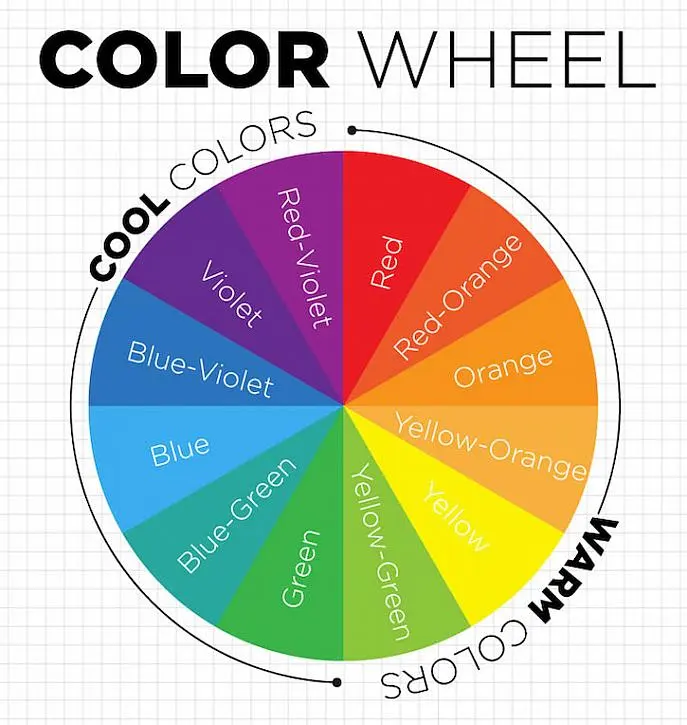
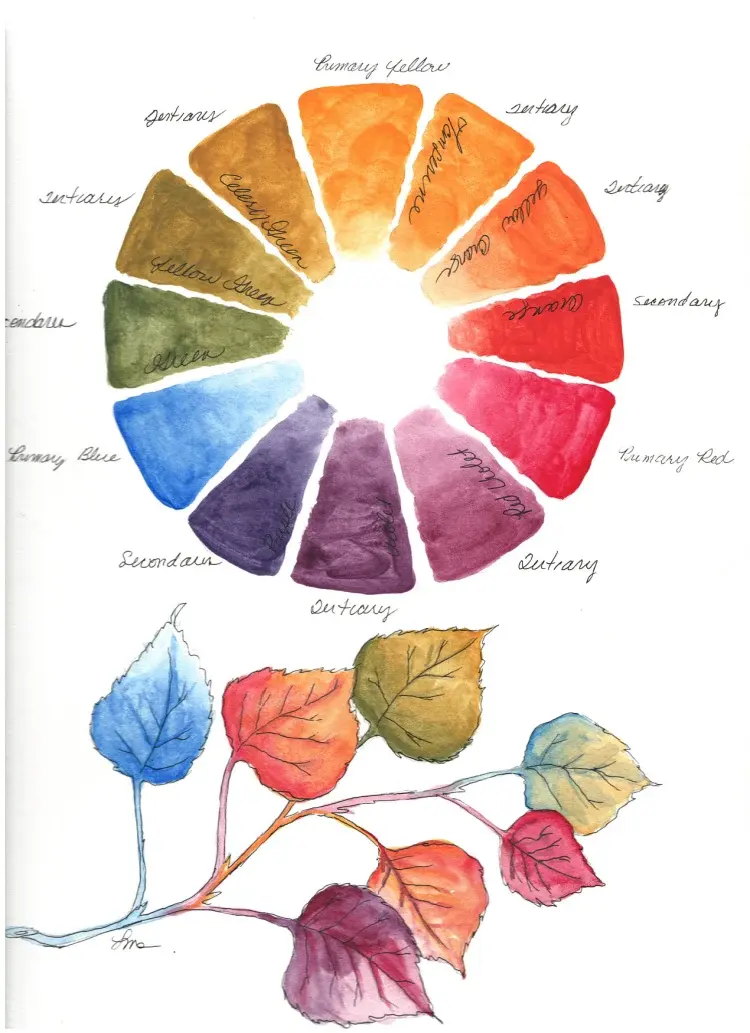
The color wheel is a circular diagram representing the relationships between colors. It organizes hues based on how they are mixed, showing primary, secondary, and tertiary colors. By placing colors in a specific order, it helps children understand how to create new shades and identify which colors look best together.
On this page
What are the primary colors for kids?
The foundation of the color wheel begins with three primary colors: red, yellow, and blue. These are considered the building blocks of all other colors because they cannot be created by mixing any other pigments together. In a classroom or home setting, these are the starting point for every artistic project.
When teaching children, it is helpful to use physical objects to demonstrate these hues. You might point to a ripe strawberry for red, a bright lemon for yellow, and the clear sky for blue. By grounding these abstract concepts in reality, children can easily identify the base components of the wheel before moving on to more complex color theory.
- Start by placing three blobs of red, yellow, and blue paint on a palette.
- Explain that these colors exist naturally and do not come from mixing.
- Encourage the child to look around the room to find items that match these three specific hues.
How to make secondary colors
Secondary colors are created by mixing two primary colors together in equal parts. When you combine these, you get green, orange, and purple. These colors sit exactly halfway between the primary colors on the wheel, creating a bridge that connects the original three hues into a continuous circle of light and pigment.
To teach this, use a simple mixing activity that allows children to see the transformation happen in real time. Seeing blue turn into green or yellow turn into orange is often a "magic" moment for young learners. This process reinforces the logical structure of the wheel and helps them predict outcomes when they paint or draw in the future.
- Blue plus yellow creates green.
- Yellow plus red creates orange.
- Red plus blue creates purple.
Why do colors look good together?
Color harmony refers to the way colors interact to create a pleasing visual effect. The color wheel acts as a map for finding these relationships, specifically through complementary colors. These are colors that sit directly across from each other on the wheel, such as blue and orange or red and green.
When placed side-by-side, complementary colors create high contrast, making each one appear brighter and more vivid. This is a fundamental concept in design and art, helping children understand why certain combinations "pop" while others feel more muted or calm. Teaching this helps kids make intentional choices rather than just picking colors at random.
- Complementary: Colors directly opposite each other (e.g., violet and yellow).
- Analogous: Colors that sit next to each other (e.g., blue, blue-green, and green).
- Monochromatic: Different shades and tints of a single color.
Common mistakes when teaching the color wheel
One of the most frequent errors is introducing too many colors at once, such as tertiary colors or complex shades like brown and gray. When children are overwhelmed by too much information, they often lose interest in the logic of the wheel. It is better to master the primary and secondary colors first before adding more complexity.
Another mistake is failing to explain that the color wheel is a guide rather than a strict set of rules. Children may become discouraged if their paint does not match the exact shade on a printed chart. Remind them that mixing is an experiment and that slight variations in hue are a natural part of the creative process.
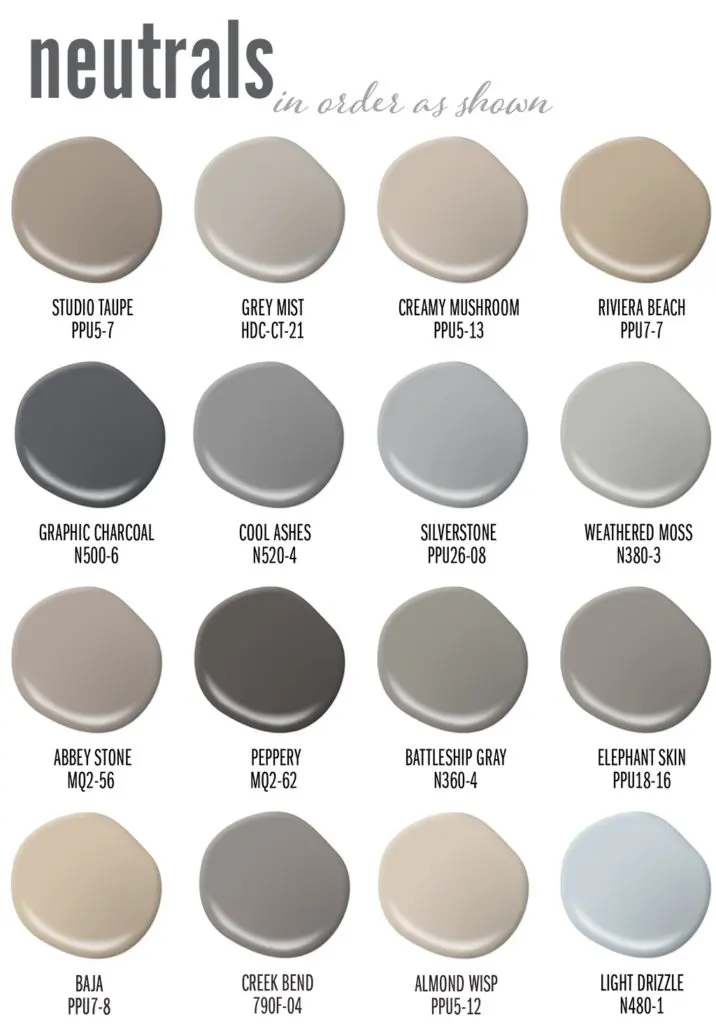
- Avoid using muddy colors like brown too early, as they can confuse the color mixing lessons.
- Do not focus on the technical names like "tertiary" or "chroma" until the child is older.
- Ensure the lighting in the workspace is bright and neutral to keep colors looking accurate.
Best tools for learning about color
Visual aids are the most effective way to teach color theory to young children. A physical color wheel chart is an essential tool, as it provides a permanent reference point that they can hold and rotate. Digital apps can also be useful, but physical paint or colored pencils provide a tactile experience that helps memory retention.
When selecting supplies, choose high-quality paints that mix cleanly to avoid frustration. If the blue and yellow paint are of poor quality, the resulting green might look grayish or dull, which can confuse a child learning about the color wheel. By using clear, vibrant materials, you ensure that the lessons remain engaging and the results are visually rewarding for the student.
- Use a pre-printed color wheel poster for the wall.
- Provide a clear plastic palette for mixing experiments.
- Keep a sketchbook specifically for testing new color combinations found on the wheel.
Key facts
- The color wheel is a circular diagram that organizes colors based on their relationships to one another.
- Primary colors are red, yellow, and blue; they cannot be created by mixing other colors together.
- Secondary colors—green, orange, and purple—are made by mixing two primary colors in equal parts.
- Tertiary colors are created by mixing a primary color with a neighboring secondary color, such as blue-green.
- Complementary colors sit directly opposite each other on the wheel, creating the highest possible visual contrast.
- Warm colors like red and yellow represent energy, while cool colors like blue and green represent calmness.
The bottom line
The color wheel is an essential tool that simplifies the complex science of light and pigment into a visual guide. By mastering the relationships between primary, secondary, and tertiary colors, children can better understand how to create, balance, and harmonize their artwork. Using this circular map helps turn abstract color theory into a practical skill, fostering both creative expression and a deeper appreciation for visual design.
People also ask
Why are there different versions of the color wheel?
Artists often use the RYB model for mixing paint, while scientists use the RGB model for light and digital screens. Each version serves a different purpose depending on whether you are working with physical pigments or electronic pixels.
How do I teach a child to mix secondary colors?
Start with small amounts of two primary colors and slowly blend them together on a palette. For example, mixing yellow and blue will always create green, but the shade changes based on how much of each color is used.
What are analogous colors?
These are colors that sit right next to each other on the wheel, such as yellow, yellow-orange, and orange. Because they share common hues, they create a harmonious and pleasing look when used together in art.
Read the full answer →Is black or white on the color wheel?
Black and white are considered neutrals rather than true hues, so they do not have a specific spot on the standard color wheel. Artists use white to create tints and black to create shades of a color.
What is the best way to practice color theory?
The most effective method is to have children paint their own color wheel using only the three primary colors. This hands-on experience helps them visualize how mixing different ratios creates the full spectrum of the rainbow.
What is a common mistake when using the color wheel?
A frequent error is mixing all three primary colors together at once, which usually results in a muddy brown or gray. Encourage children to stick to mixing two colors at a time to keep their hues bright and clear.
This answer was created with the help of AI research tools and reference sources. Spotted an error? Let us know — we correct mistakes quickly. See our editorial policy.