What techniques did Andrew Wyeth use?
Short answer
Andrew Wyeth primarily utilized drybrush watercolor and egg tempera to achieve his signature hyper-realistic, textured style. By applying thin, translucent layers of pigment and using stiff brushes to scrub paint into the surface, he created immense detail and depth, capturing the somber, weathered essence of rural American life and landscapes.
On this page
How to master the drybrush watercolor technique
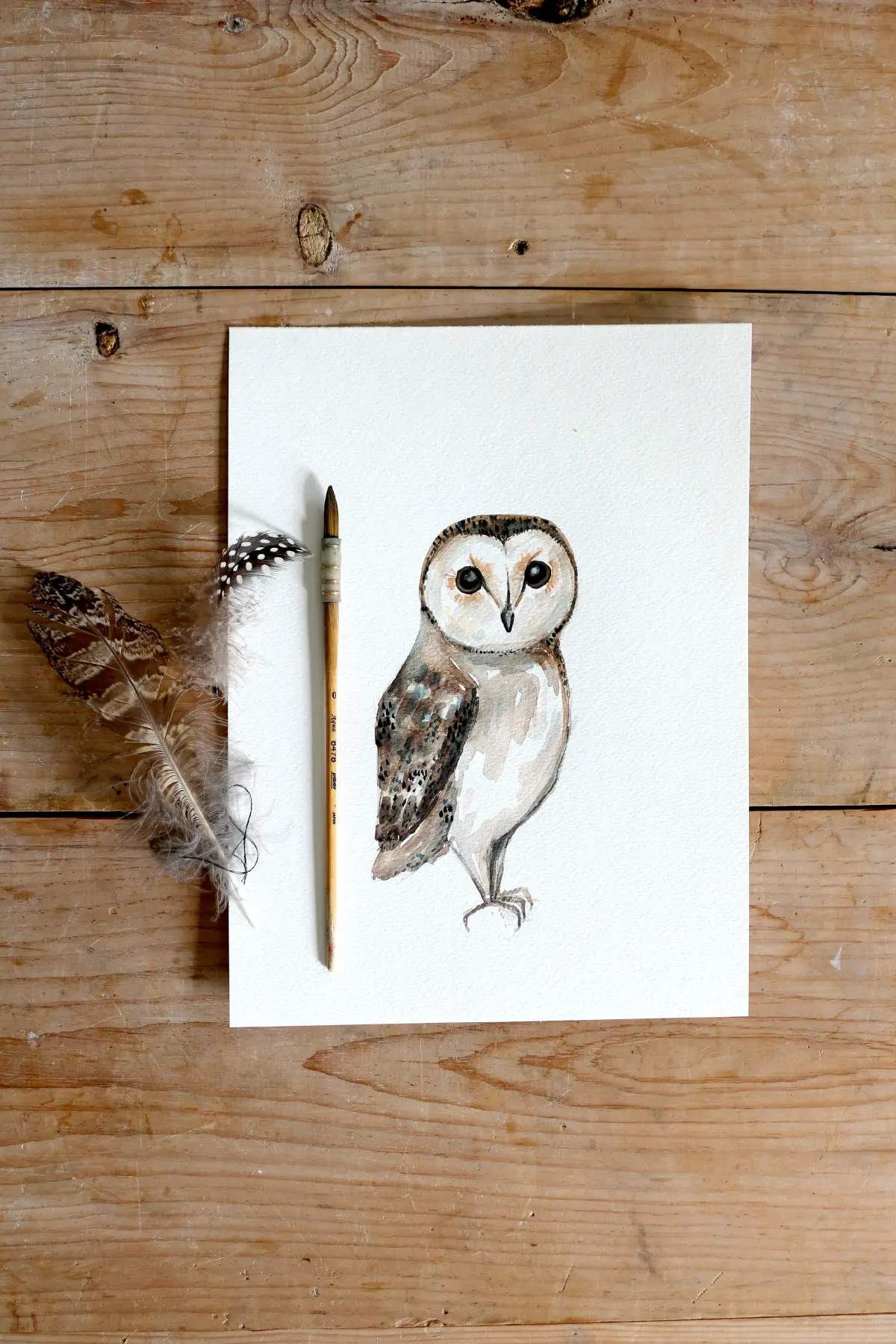
Wyeth’s drybrush technique is a variation of watercolor painting that produces a dense, tactile quality similar to oil paint. Unlike traditional wet-on-wet watercolor, this method requires the brush to be nearly devoid of moisture. By loading a brush with pigment and then blotting it on a paper towel until only a small amount of paint remains, the artist can drag the bristles across the textured surface of the paper. This allows the paint to catch only on the "tooth" or peaks of the paper, creating intricate highlights and fine details.
To successfully execute this method, follow these steps:
- Select a high-quality, cold-pressed watercolor paper with a distinct, heavy texture.
- Mix your pigment with a minimal amount of water to create a thick, gouache-like consistency.
- Load your round, stiff-bristled brush and remove excess moisture until the brush feels dry to the touch.
- Apply the paint using short, rhythmic strokes, building up layers gradually to define form and shadow.
- Avoid overworking the same area, as this can flatten the paper’s texture and muddy the colors.
Why egg tempera creates a matte finish
Egg tempera was Wyeth’s preferred medium for his most iconic works, such as Christina’s World. This ancient medium consists of colored pigments mixed with an egg yolk binder and a small amount of distilled water. Because the binder dries rapidly and does not allow for the blending of colors on the canvas, the artist must build images through thousands of tiny, overlapping cross-hatched strokes. This labor-intensive process results in a permanent, matte surface that does not yellow or darken with age, preserving the luminosity of the pigments for decades.
The unique chemical properties of egg tempera require specific preparation and application habits to avoid common pitfalls. Because the paint dries almost instantly upon contact with the surface, you cannot move or blend the pigment once it is applied. Practitioners must work in small sections, focusing on precise color mixing before the brush touches the panel. It is essential to use a rigid support, such as a gessoed wood panel, because the paint film is brittle and will crack if applied to flexible canvas.
How to build texture and depth in paintings
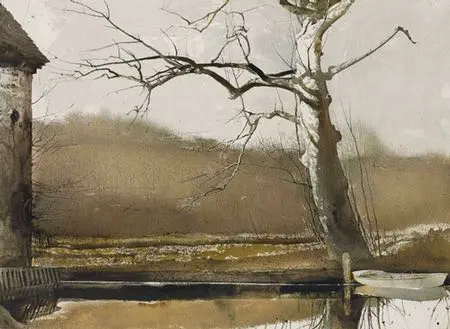
Wyeth achieved a sense of profound realism by meticulously layering his materials to mimic the textures of his subjects, such as rough wood, dried grass, or weathered fabric. He often combined media, using watercolor washes for the broad, atmospheric background tones and then transitioning to drybrush for the foreground details. This contrast between soft, blurred backgrounds and sharp, tactile foregrounds draws the viewer's eye to specific points of interest. By varying the pressure of his brush, he could suggest the weight and density of objects in his compositions.
When attempting to replicate this depth, consider these practical tips:
- Use a limited, earth-toned palette to maintain a cohesive atmospheric mood.
- Layer your colors from light to dark to ensure the luminosity of the paper or panel remains visible.
- Utilize "scumbling," a method of applying thin, opaque layers over darker areas to create a sense of age and wear.
- Focus on the edges of objects; Wyeth often kept edges crisp to emphasize the starkness of his rural subjects.
Common mistakes when using tempera and drybrush
One of the most frequent errors beginners make is using too much water, which causes the paint to lose its structural integrity. In drybrush painting, excessive water results in a watery wash that lacks the distinct, scratchy texture necessary for the effect. Conversely, in egg tempera, using too much water can dilute the egg binder, leading to a weak paint film that may flake off the panel once dry. Always test your paint consistency on a scrap piece of paper before applying it to your final composition.
Another common mistake involves the choice of tools and surfaces. Using soft, synthetic brushes often fails to provide the necessary resistance for drybrushing, while using cheap, absorbent paper will cause the paint to bleed and lose its sharpness. Beginners should avoid:
- Applying paint in thick, heavy impasto layers, which will crack as the egg binder cures.
- Ignoring the importance of a smooth, well-sanded gesso base on wood panels.
- Rushing the cross-hatching process, which leads to uneven color distribution and a lack of depth.
Best practices for composition and subject choice
Wyeth’s work is defined by his deep connection to his subjects, often focusing on the people and landscapes of Chadds Ford, Pennsylvania, and Cushing, Maine. His compositions frequently utilize unconventional angles, such as low-perspective shots that make the landscape appear vast and imposing. By isolating a single object—a window, a chair, or a figure—he imbued mundane items with a sense of narrative weight. When choosing your subjects, look for textures that allow you to showcase the strengths of your chosen medium, such as peeling paint or dry, winter grass.
To emulate his compositional style, keep these principles in mind:
- Simplify your scene to emphasize negative space, which helps create a feeling of isolation or stillness.
- Experiment with high-contrast lighting to define the shapes and shadows of your subject.
- Maintain a consistent light source throughout the painting process to ensure the realism of the shadows.
- Practice patience, as Wyeth’s techniques are inherently slow and meditative, requiring a dedicated commitment to the slow accumulation of detail.
Key facts
- Wyeth primarily worked in egg tempera, a technique using colored pigments mixed with egg yolk, which dries rapidly and creates a matte, durable finish.
- He often utilized drybrush, a method of applying very little paint with a stiff-bristled brush to build up intricate, layered textures.
- His watercolor technique involved applying washes on dry paper, often using a "drybrush" technique to add fine details over the initial washes.
- He frequently used a limited, muted palette consisting of earth tones, ochres, grays, and browns to evoke a sense of isolation and nostalgia.
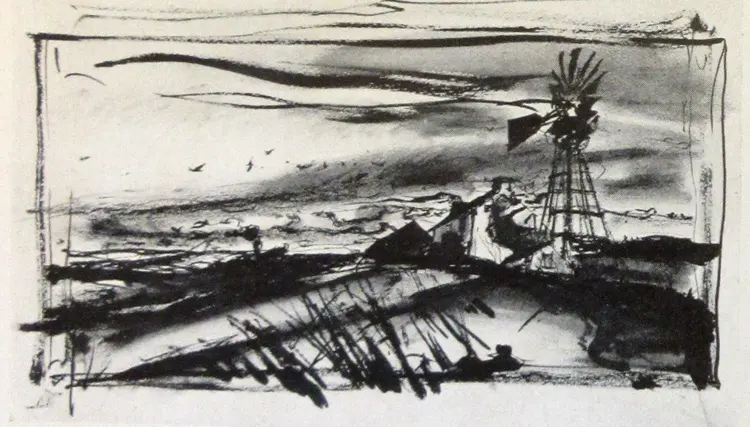
- Wyeth often sketched extensively in graphite or charcoal before painting, focusing on precise anatomical accuracy and compositional balance.
- A common mistake for beginners is overworking the tempera; because it dries instantly, one must commit to precise strokes rather than blending colors on the surface.
The bottom line
Andrew Wyeth’s mastery stemmed from his disciplined use of traditional mediums, particularly egg tempera and watercolor. By combining the structural precision of drybrush techniques with a restrained, earthy palette, he captured the quiet, haunting essence of rural American life. His work demonstrates that technical patience, combined with a deep focus on texture and light, allows an artist to transform simple, everyday subjects into profound, timeless visual narratives.
People also ask
Did Andrew Wyeth use oil paints?
While he experimented with oil paint early in his career, he largely abandoned it by the late 1930s. He preferred the precision and matte surface of egg tempera and watercolor for his mature work.
What is the main difference between egg tempera and watercolor?
Egg tempera is opaque and dries into a permanent, insoluble film, allowing for delicate layering. Watercolor is transparent and relies on the white of the paper to provide luminosity and light.
How did Wyeth achieve the hyper-realistic textures in his paintings?
He used a technique called drybrush, where he removed almost all moisture from his brush. By applying minute, repeated strokes, he created the illusion of hair, weathered wood, or fabric.
Why did Wyeth prefer a muted color palette?
He believed that a restricted palette allowed him to focus on the emotional weight and structural integrity of his subjects. He felt vibrant colors often distracted from the stark, rural reality he depicted.
Can you blend colors easily with egg tempera?
No, egg tempera does not blend on the surface like oil paint. Artists must create transitions through cross-hatching or stippling, which requires significant patience and planning.
What surfaces did Wyeth paint on?
He typically painted on gessoed hardboard panels for his tempera works to ensure a rigid, smooth surface. For watercolors, he preferred high-quality, heavy-weight rag paper.
This answer was created with the help of AI research tools and reference sources. Spotted an error? Let us know — we correct mistakes quickly. See our editorial policy.