What brushes do you need for watercolor?
Short answer
You need only three essential brushes to begin watercolor painting: a medium round brush for general work, a large flat brush for washes, and a small round brush for fine details. Synthetic sable or squirrel blends offer the best balance of water retention, spring, and affordability for artists at any skill level.
On this page
What are the essential watercolor brush shapes?
Watercolor brushes are categorized by their shape, which dictates how they hold water and apply pigment to paper. The most versatile tool is the round brush, which features a pointed tip that allows for both broad strokes and intricate lines depending on the pressure applied. A size 8 or 10 round is considered the industry standard for most general painting tasks.
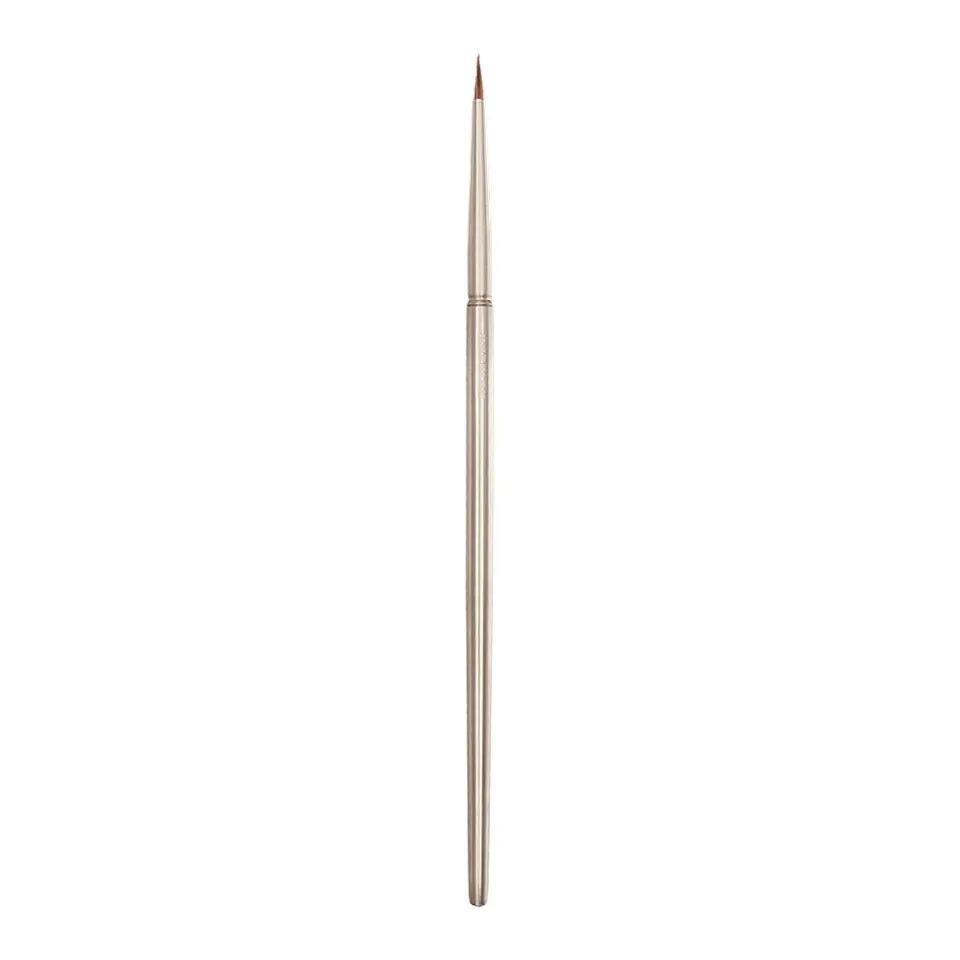
Flat brushes are designed with a square-cut ferrule, making them ideal for covering large areas, creating sharp edges, or wetting the paper surface. A 1-inch flat brush is usually sufficient for most projects. Finally, a small round brush, such as a size 2 or 4, is necessary for adding final details, highlights, or tight control in corners. While specialty brushes like mops or riggers exist, they are not required for beginners.
- Round: Best for versatility, control, and varied line widths.
- Flat: Best for large washes, backgrounds, and geometric shapes.
- Detail: Best for precision, small marks, and finishing touches.
How to choose between natural and synthetic hair
Historically, natural hair brushes—specifically Kolinsky sable—were considered the gold standard due to their incredible water-holding capacity and "snap," which refers to the brush's ability to return to its original shape after a stroke. However, modern synthetic filaments have advanced significantly in quality. Today, high-quality synthetic blends often mimic the performance of natural hair while remaining more durable, easier to clean, and significantly more affordable.
When shopping, look for synthetic brushes that feel soft to the touch but have enough stiffness to spring back when bent. Avoid extremely cheap craft brushes, as their fibers often fall out during painting or fail to hold enough water, leading to frustrating, streaky results. If you are a beginner, investing in a few high-quality synthetic brushes is a much better strategy than buying a large set of low-quality, inexpensive brushes that will lose their shape quickly.
How to maintain your watercolor brushes
Proper care is essential to ensure your brushes last for years. After every painting session, rinse your brushes thoroughly in cool, clean water. Avoid using hot water, as it can damage the glue inside the ferrule that holds the bristles in place. Gently swirl the brush in the water, then reshape the bristles with your fingers before laying them flat to dry.
Never leave your brushes sitting in a jar of water for an extended period. This practice causes the bristles to bend permanently against the bottom of the container, effectively ruining the brush's point. Once clean, store your brushes horizontally or with the bristles pointing upward in a jar. If you must travel, use a brush roll or a protective case to prevent the delicate tips from getting crushed or bent during transport.
- Rinse the brush in cool water immediately after use.
- Use a mild soap if the pigment is stubborn, but avoid harsh detergents.
- Gently reshape the bristles with your fingers.
- Lay the brush flat to dry completely before storing.
Common mistakes when buying watercolor brushes
A frequent error is purchasing brushes that are too small for the paper size. Many beginners gravitate toward tiny brushes because they feel they offer more control, but small brushes cannot hold enough water to create smooth, consistent washes. This often results in a "patchy" appearance on the paper. Always aim to use the largest brush possible for the specific area you are covering.
Another mistake is neglecting the ferrule, which is the metal band connecting the bristles to the handle. If water constantly seeps into the ferrule, the wood handle may swell and crack, or the glue may dissolve, causing the bristles to shed. When cleaning, ensure you do not submerge the handle itself in water. Additionally, avoid using watercolor brushes for acrylic or oil paints, as the chemicals and heavy binders in those mediums will permanently ruin the delicate fibers.
How to test if a brush is right for you
Before committing to a set, you can perform a simple "snap" test. Wet the brush and shake off the excess water, then flick your wrist to see if the bristles return to their original shape immediately. A high-quality brush will snap back instantly, whereas a poor-quality brush will remain splayed or limp. This test ensures that the brush will provide the responsiveness needed for controlled watercolor techniques.
Additionally, observe how the brush releases water. A good watercolor brush should hold a significant amount of pigment and release it evenly as you drag it across the paper. If the brush dumps all the water at once or refuses to release any pigment without heavy pressure, it is likely poorly constructed. By focusing on these physical properties rather than just the price tag, you will build a reliable collection of tools that support your creative growth and technical proficiency.
Key facts
- Watercolor brushes are categorized by hair type: natural sable is the gold standard for water retention, while synthetic nylon is durable and affordable.
- The "size" of a brush is not standardized; a size 8 round from one manufacturer may differ significantly from another brand's size 8.
- Round brushes are the most versatile, as they can create both fine lines and broad washes depending on the pressure applied.
- Flat brushes are essential for covering large areas, wetting paper, or creating sharp, geometric edges.
- A mop brush holds a massive amount of water and pigment, making it ideal for large, fluid washes and backgrounds.
- Always store brushes horizontally or hanging bristle-down to prevent water from seeping into the ferrule, which can loosen the glue and ruin the brush.
The bottom line
To master watercolor painting, prioritize quality over quantity by investing in a few versatile brushes rather than large, low-cost sets. A basic kit consisting of two round brushes and one flat brush will cover most techniques. Always prioritize proper maintenance, such as never leaving brushes in water, to ensure your tools remain responsive and durable throughout your artistic practice. Focus on understanding how your brushes hold water.
People also ask
How do I know if a brush is high quality?
A high-quality brush should snap back to its original shape immediately after being bent. Check that the ferrule is securely attached to the handle and that there are no loose hairs shedding from the bundle.
Can I use acrylic or oil brushes for watercolor?
It is generally not recommended because acrylic and oil brushes are often too stiff and lack the necessary absorbency for watercolor. Watercolor brushes are specifically designed to hold a reservoir of water and release it consistently.
What is the purpose of the ferrule?
The ferrule is the metal band that connects the bristles to the wooden handle. It is the most critical part of the brush's construction, as it maintains the shape of the hair bundle.
Do I need a full set of brushes to start?
You only need three brushes to begin: a size 8 round for general painting, a size 4 round for details, and a 1-inch flat brush for washes. Avoid buying cheap, bulk sets, as they often frustrate beginners with poor performance.
How should I clean my watercolor brushes?
Rinse your brushes thoroughly in clean water immediately after use and reshape the bristles with your fingers. Never leave a brush sitting in a jar of water, as this will permanently bend the tips.
What is a rigger or liner brush?
A rigger is a brush with very long, thin hair designed for painting continuous, fine lines like tree branches or masts. They require practice to control because they hold a large amount of fluid but have very little structural support.
This answer was created with the help of AI research tools and reference sources. Spotted an error? Let us know — we correct mistakes quickly. See our editorial policy.