What is the history of the paintbrush?
Short answer
The paintbrush evolved from primitive tools made of animal hair or reeds used in prehistoric cave art to sophisticated modern instruments. Early civilizations refined these designs for calligraphy and decorative painting. Today, brushes are engineered with specific synthetic or natural fibers tailored to precise artistic techniques, chemical solvents, and surface textures.
On this page
How did the paintbrush originate?
The history of the paintbrush begins in the Paleolithic era, where early humans utilized rudimentary tools to apply pigments to cave walls. These first brushes were likely simple bundles of animal hair, moss, or frayed twigs tied to sticks. By 30,000 BCE, artists were using these basic implements to create intricate depictions of animals and rituals, demonstrating an early understanding of how different textures could hold and transfer paint.
As civilizations advanced, the paintbrush became a more specialized tool. In ancient Egypt, scribes and artists developed brushes made from crushed reed stems, which frayed into fibrous tips when chewed or pounded. These tools were essential for creating the precise hieroglyphics found on papyrus and tomb walls. The transition from crude bundles to bound, shaped bristles marked the first major leap in artistic control, allowing for the development of distinct line weights and controlled color application.
Why did brush design change over time?
Chinese calligraphy significantly influenced the evolution of the brush, prioritizing flexibility and fluid movement. By the 3rd century BCE, artisans began using animal hair—such as goat, wolf, or rabbit—secured within bamboo handles. These brushes were designed to hold a large volume of ink while maintaining a sharp point, allowing for the complex strokes required in East Asian writing systems. This focus on "spring" and "retention" remains a hallmark of high-quality brush manufacturing today.
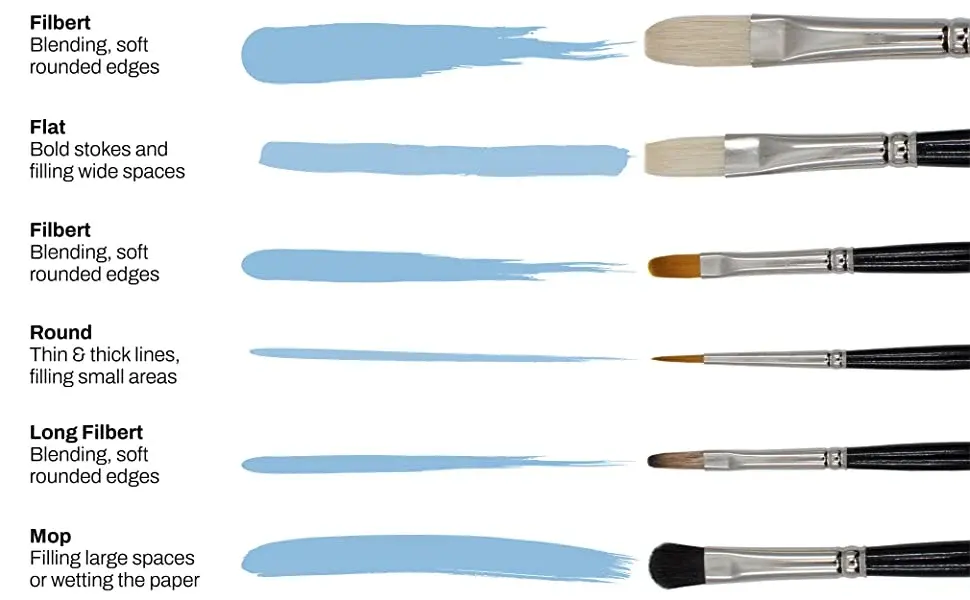
In Europe, the development of oil painting during the Renaissance necessitated more durable brushes. Artists required tools that could withstand the heavy, viscous nature of oil-based pigments and the harsh solvents used for cleaning. This led to the widespread use of hog bristle, which provided the stiffness needed to move thick paint across canvas. The evolution of the metal ferrule in the 19th century was another critical milestone, as it allowed for the creation of flat, filbert, and fan shapes that were previously impossible to produce with simple string bindings.
What are the different types of brush bristles?
Selecting the right brush depends largely on the medium being used, as different fibers react uniquely to various binders. Natural hair is prized for its ability to hold liquid and its natural "flagging," or split ends, which create a smoother stroke. Synthetic fibers, typically made from nylon or polyester, have become increasingly popular due to their durability and resistance to chemical degradation.
- Natural Bristles: Best for oil paints; they are stiff, resilient, and hold heavy paint loads effectively.
- Synthetic Filaments: Ideal for acrylics; they do not absorb water, preventing the brush from becoming limp or losing its shape.
- Sable Hair: The gold standard for watercolors; it offers superior point retention and a soft, controlled release of pigment.
- Goat Hair: Often used in wash brushes; it is extremely soft and capable of holding large amounts of water.
Common mistakes when using paintbrushes
Proper maintenance is essential to extending the life of a brush, yet many beginners make errors that ruin expensive tools. One common mistake is allowing paint to dry in the heel of the brush, which is the area where the bristles meet the ferrule. Once paint hardens there, the bristles will splay outward, permanently destroying the brush’s ability to form a sharp point or clean edge.
Another frequent error is storing brushes resting on their bristles. This causes the hair to bend and lose its intended shape over time. Instead, brushes should always be stored vertically with the bristles facing up or lying flat in a tray. When cleaning, avoid using boiling water, as this can melt synthetic filaments or damage the glue that secures the bristles inside the ferrule. Using a gentle soap and lukewarm water is generally the safest method for most modern brushes.
How to clean and maintain paintbrushes
Maintaining your brushes correctly ensures that they remain responsive and precise for years. The cleaning process varies depending on whether you are using water-based or oil-based media. Following a consistent routine will prevent the accumulation of degraded pigment and maintain the integrity of the hair structure.
- Rinse the brush thoroughly in the appropriate solvent—water for acrylics/watercolors or mineral spirits for oils.
- Gently massage a mild soap into the bristles, working from the ferrule toward the tip.
- Rinse until the water runs clear and no pigment residue remains.
- Reshape the bristles with your fingers to restore their original form.
- Lay the brush flat on a paper towel or hang it bristle-side down to air dry completely.
By adhering to these steps, you prevent the buildup of residue that causes bristles to clump and fray. Always ensure the brush is fully dry before storing it in a container, as trapped moisture can lead to rot in natural hair or rust within the metal ferrule. Taking these small precautions will preserve the tool's performance for your next project.
Key facts
- The earliest evidence of paintbrushes dates back to the Upper Paleolithic period, with cave paintings in France and Spain created using animal hair tied to sticks.
- Ancient Egyptians refined brushes by using bundles of fibrous reeds, which were chewed at the ends to create bristles for applying pigments.
- Chinese calligraphy brushes, developed around 300 BCE, traditionally use animal hair like goat, wolf, or rabbit, set into bamboo or wooden handles.
- Modern synthetic bristles, typically made from nylon or polyester, were introduced in the mid-20th century to provide durability and resistance to harsh solvents.
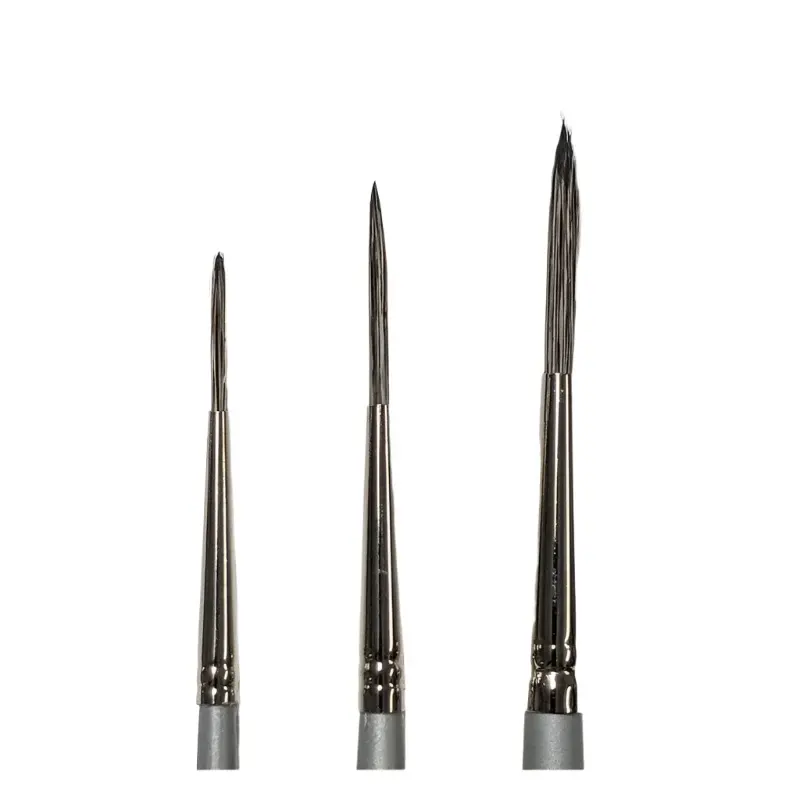
- A paintbrush consists of three main parts: the bristles (head), the ferrule (the metal band), and the handle.
- To maintain brushes, always wash them immediately after use and store them with the bristles facing upward to prevent the hair from bending or deforming.
The bottom line
The paintbrush has evolved from simple animal-hair tools used by prehistoric humans to highly engineered instruments designed for specific artistic and industrial applications. By understanding the differences between natural and synthetic fibers, as well as proper maintenance techniques, you can significantly improve the quality of your work. Always prioritize cleaning and correct storage to ensure your tools remain reliable for years of creative projects.
People also ask
What is the difference between natural and synthetic bristles?
Natural bristles come from animal hair and are best for oil-based paints because they hold paint well and provide a smooth finish. Synthetic bristles are designed for water-based paints, as they do not absorb water and maintain their shape better when wet.
How do you choose the right brush size for a project?
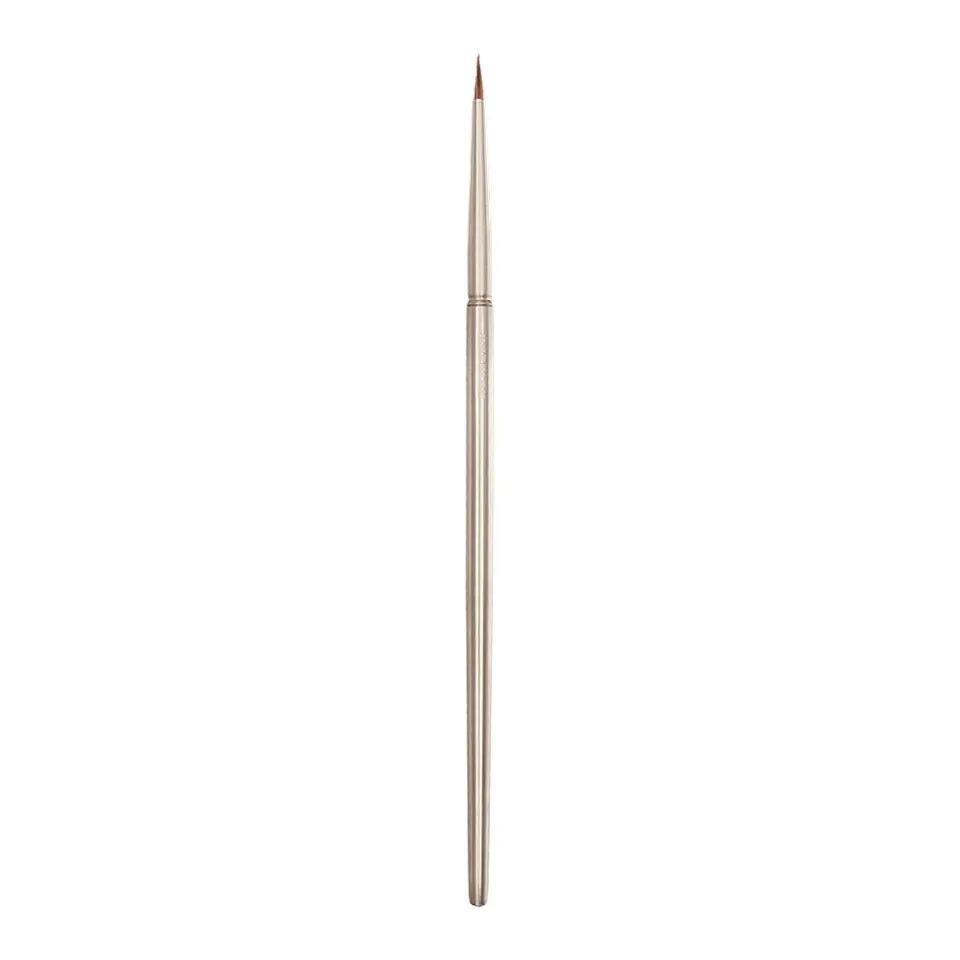
Use wide, flat brushes for large, flat surfaces like walls or canvases to cover area quickly. Use small, round, or pointed brushes for intricate details, lettering, or fine lines.
What is the purpose of the ferrule?
The ferrule is the metal band that connects the bristles to the handle. It is crucial for holding the bristles in a specific shape and preventing them from falling out during application.
Can I use the same brush for both oil and acrylic paints?
It is generally discouraged because the cleaning agents required for oil paints can damage synthetic bristles, while acrylics can harden and ruin natural bristles. It is best to dedicate specific brushes to specific mediums to ensure longevity.
Why do my brushes lose hair while I am painting?
This is often caused by poor quality brushes or aggressive pressure during application. Ensure you are not pushing too hard against the surface and that you are using the correct brush type for the paint viscosity.
How should I store my paintbrushes long-term?
Clean the brushes thoroughly, reshape the bristles with your fingers, and let them dry completely. Store them in a dry, cool place, ideally hanging them by their handles or standing them upright in a container with the bristles facing up.
This answer was created with the help of AI research tools and reference sources. Spotted an error? Let us know — we correct mistakes quickly. See our editorial policy.