What are the different types of paint brushes?
Short answer
Paint brushes are categorized by their bristle material, shape, and intended application. Synthetic filaments like nylon or polyester suit water-based paints, while natural animal hair works best with oil-based mediums. Specific shapes, such as flats, rounds, and angles, are engineered to control paint flow, edge precision, and surface coverage for various projects.
On this page
How to choose between natural and synthetic bristles
The primary distinction in brush construction lies in the material of the bristles. Natural hair brushes, typically made from hog or badger hair, feature microscopic "flags" or split ends that hold large amounts of paint. These are ideal for oil-based paints, varnishes, and stains because the natural texture allows for a smooth, controlled release. However, natural fibers absorb water, causing them to become limp and ineffective when used with latex or acrylic paints.
Synthetic brushes are crafted from nylon, polyester, or a blend of both. These filaments are designed to maintain their stiffness and shape even when submerged in water-based coatings. Because they do not absorb moisture, they are the industry standard for modern latex paints. When selecting a brush, consider the following:
- Use natural bristles for oil-based paints, polyurethanes, and lacquers.
- Use synthetic nylon brushes for water-based latex paints.
- Use polyester blends for a balance of durability and precise paint release.
What are the different brush shapes and their uses
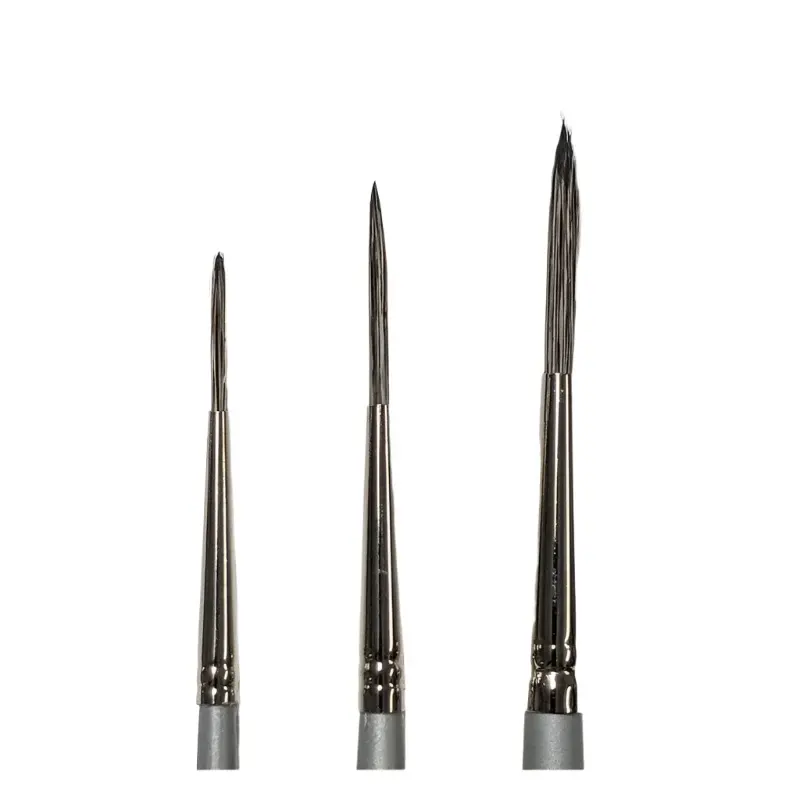
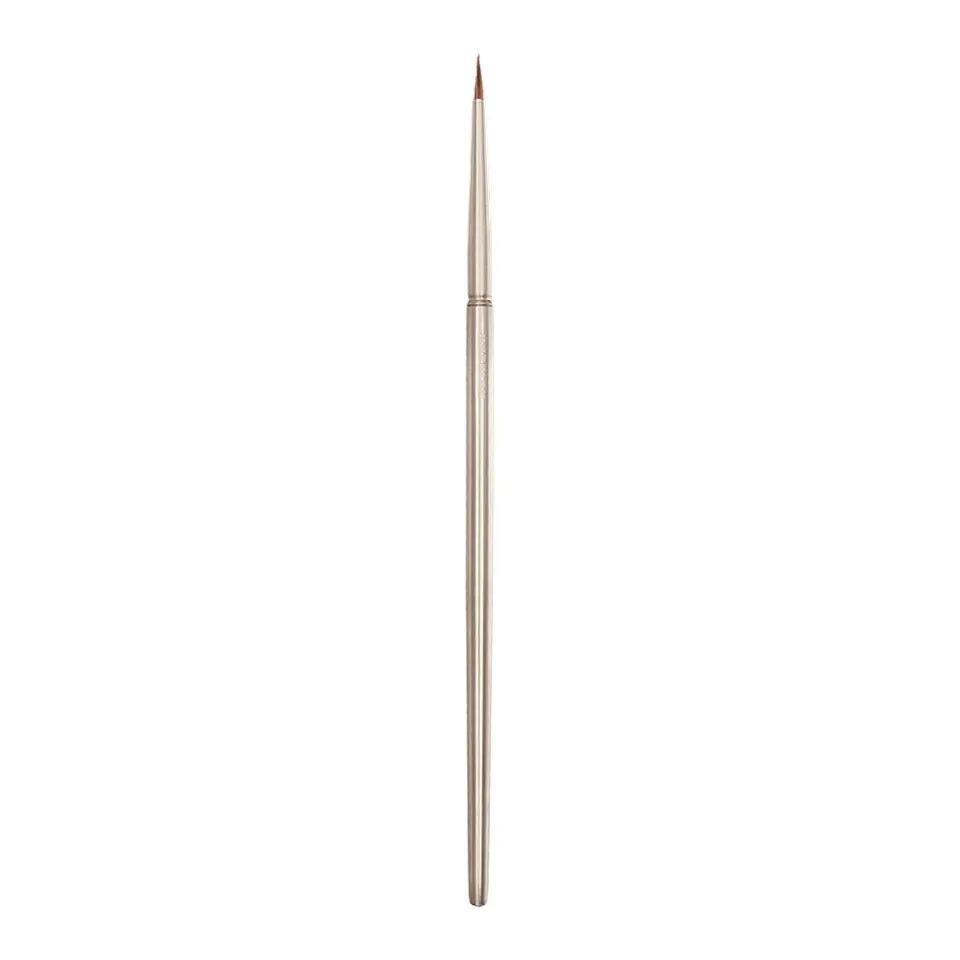
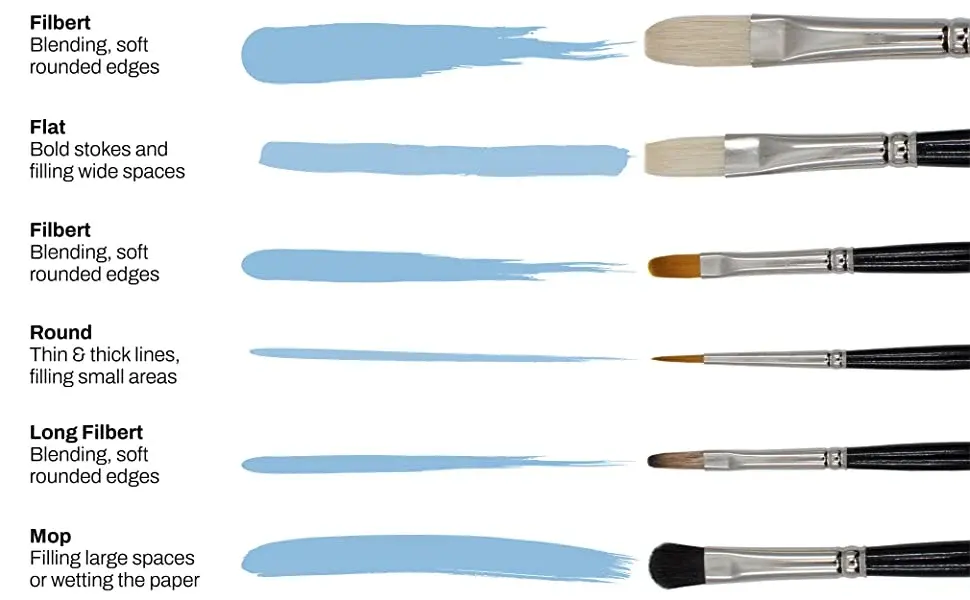
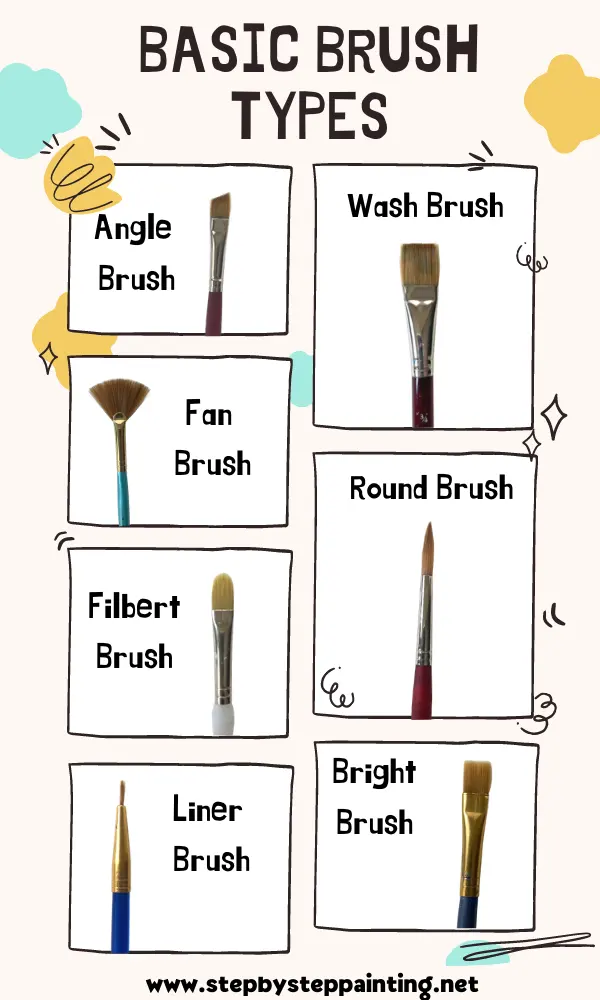
The shape of a brush determines its utility for specific tasks. Flat brushes, which are thick and square-ended, are designed for applying paint over large, flat surfaces like walls or doors. Round brushes have a tapered, cylindrical shape, making them perfect for detailed work, painting window sashes, or cutting in corners where precision is required.
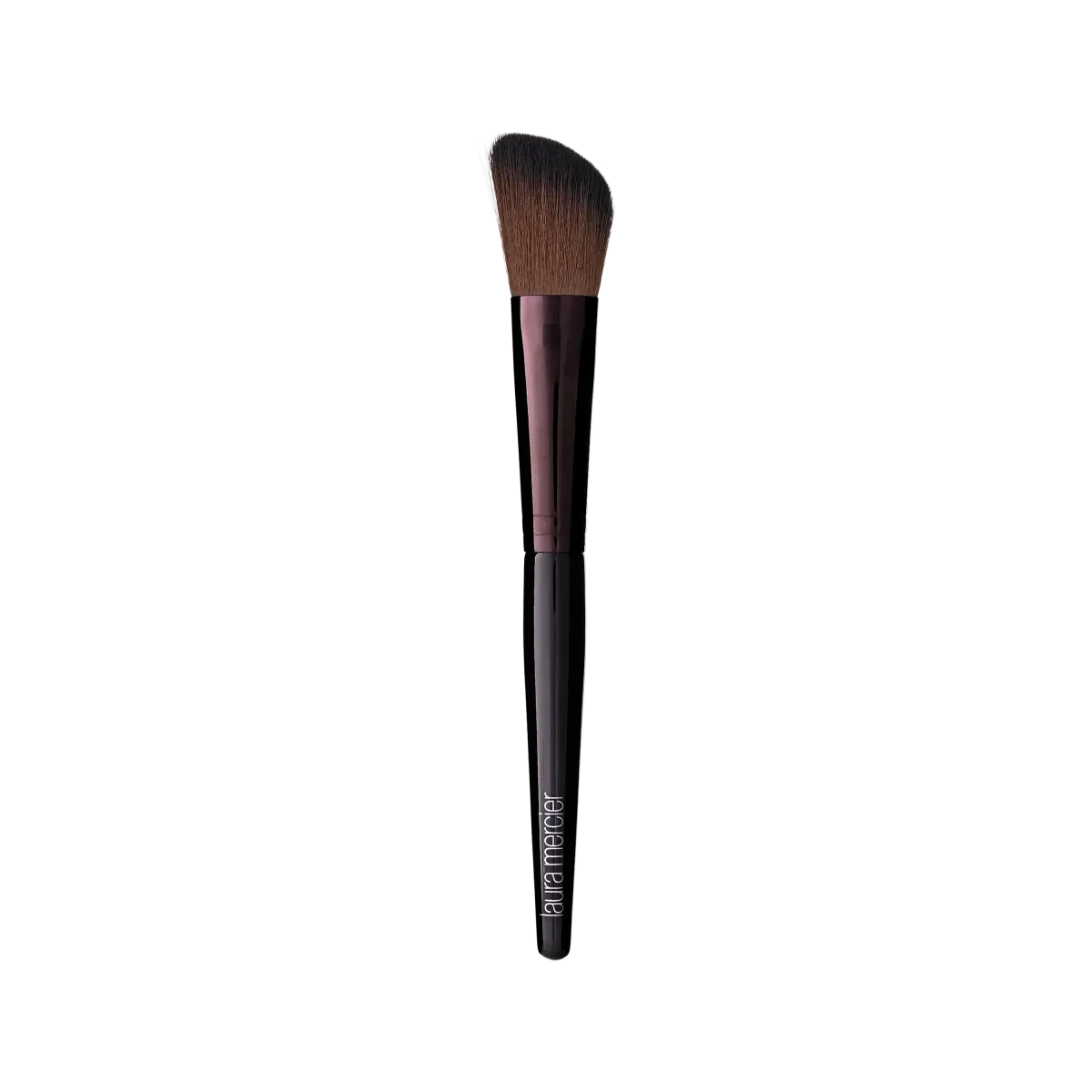
Angle sash brushes feature bristles cut at a diagonal, allowing the painter to create a clean, sharp line along edges, trim, and moldings. Filbert brushes, which have a rounded, oval-shaped edge, are often used by artists to blend colors and create soft, curved strokes. Choosing the correct shape prevents paint from pooling in unwanted areas and significantly reduces the need for masking tape. Always match the brush width to the size of the surface; a 1-inch brush is sufficient for trim, while a 3-inch brush is better for wall panels.
How to use a paint brush like a professional
Achieving a professional finish requires proper technique, starting with how you load the brush. Dip the brush into the paint only about one-third of the way up the length of the bristles. Tapping the brush against the side of the container is a common error; instead, gently press the brush against the inside rim to remove excess paint. This prevents drips and keeps the paint from drying inside the ferrule, which is the metal band holding the bristles.
When applying paint, use long, smooth strokes to ensure even coverage. Start by painting the edges and corners first, a process known as "cutting in," before filling in the larger areas. Work in small sections to maintain a "wet edge," meaning you overlap the new paint with the previous stroke before it dries. This technique prevents visible lap marks and ensures a uniform texture across the entire surface.
Common mistakes when using and maintaining brushes
The most frequent mistake users make is allowing paint to dry on the bristles, which permanently ruins the brush. If you must pause your work, wrap the brush tightly in plastic wrap or a plastic bag to keep it moist. Never leave a brush resting on its bristles in a paint bucket, as this causes the filaments to bend and lose their shape, rendering the brush useless for precision work.
Proper cleaning is essential for longevity. Follow these steps to maintain your tools:
- Remove excess paint by brushing it onto a piece of cardboard or newspaper.
- Rinse the brush in the appropriate solvent, such as water for latex or mineral spirits for oil-based paints.
- Use a wire brush comb to gently remove dried paint near the ferrule.
- Shake out excess moisture and hang the brush by its handle to dry.
- Store the brush in its original cardboard sleeve to preserve the bristle shape.
Why brush quality matters for the final finish
Investing in high-quality brushes is one of the most effective ways to improve the outcome of a painting project. Cheap brushes often suffer from "shedding," where bristles detach and become embedded in the wet paint, creating an unsightly texture. Furthermore, lower-quality brushes lack the density and "snap" required to hold a significant amount of paint, forcing the user to reload the tool frequently, which leads to uneven application and visible brush marks.
High-quality brushes feature tapered bristles that are packed tightly, allowing for better control and a smoother finish. While they require a higher initial investment, they are more durable and can last for years if cleaned properly. A well-made brush will maintain its integrity through multiple projects, saving money in the long run. By understanding the specific needs of your project and selecting the appropriate tool, you ensure a professional-looking result that stands the test of time and enhances the overall appearance of your home or artwork.
Key facts
- Natural hair brushes, made from animal fur like hog or sable, are ideal for oil-based paints because they hold paint well and maintain their shape.
- Synthetic brushes, crafted from nylon or polyester, are the best choice for water-based latex or acrylic paints because they do not absorb water and swell.
- An angled sash brush is specifically designed for cutting in along trim, corners, and ceilings to create a clean, sharp line.
- Flat brushes feature a square-cut end and are best for covering large, flat surfaces like walls or doors with maximum efficiency.
- The "ferrule" is the metal band that connects the bristles to the handle; high-quality brushes have secure ferrules to prevent shedding.
- To clean a brush, always wash it immediately after use; use warm soapy water for latex paint and mineral spirits for oil-based paint.
The bottom line
Selecting the correct paint brush is essential for achieving a professional finish and ensuring the longevity of your tools. By matching the bristle material to your paint type and choosing the appropriate shape for the task, you can significantly improve your efficiency. Always prioritize quality over price to avoid bristle shedding, and remember that proper cleaning and storage are vital to keep your brushes in excellent condition.
People also ask
How do I choose the right brush size for my project?
Use a 1- to 2-inch brush for trim and small touch-ups, and a 3- to 4-inch brush for large surfaces like walls or fences. Smaller brushes offer more control, while larger ones cover area quickly.
What is the difference between a soft and stiff bristle brush?
Stiff bristles are better for thick coatings or rough surfaces, as they push the paint into crevices. Soft bristles are designed for thin, smooth finishes to minimize visible brush marks.
Why do my brushes leave streaks on the wall?
Streaks often occur if the brush is overloaded with paint or if you are using a low-quality synthetic brush. Try using a high-quality brush and applying paint in long, even strokes.
Can I use the same brush for both oil and water-based paints?
It is highly recommended to keep separate sets for each type of paint. Residue from oil-based paint is difficult to remove completely and will ruin the performance of a water-based application.
How should I store my paint brushes between uses?
If you are taking a short break, wrap the brush head tightly in plastic wrap or a plastic bag to keep it moist. For long-term storage, hang the brush by its handle to keep the bristles straight.
How can I tell if a paint brush is high quality?
Look for "flagged" or split ends on the bristles, which hold more paint and provide a smoother finish. A good brush should also have a comfortable handle and a sturdy, rust-resistant ferrule.
This answer was created with the help of AI research tools and reference sources. Spotted an error? Let us know — we correct mistakes quickly. See our editorial policy.