What is a water brush used for?
Short answer
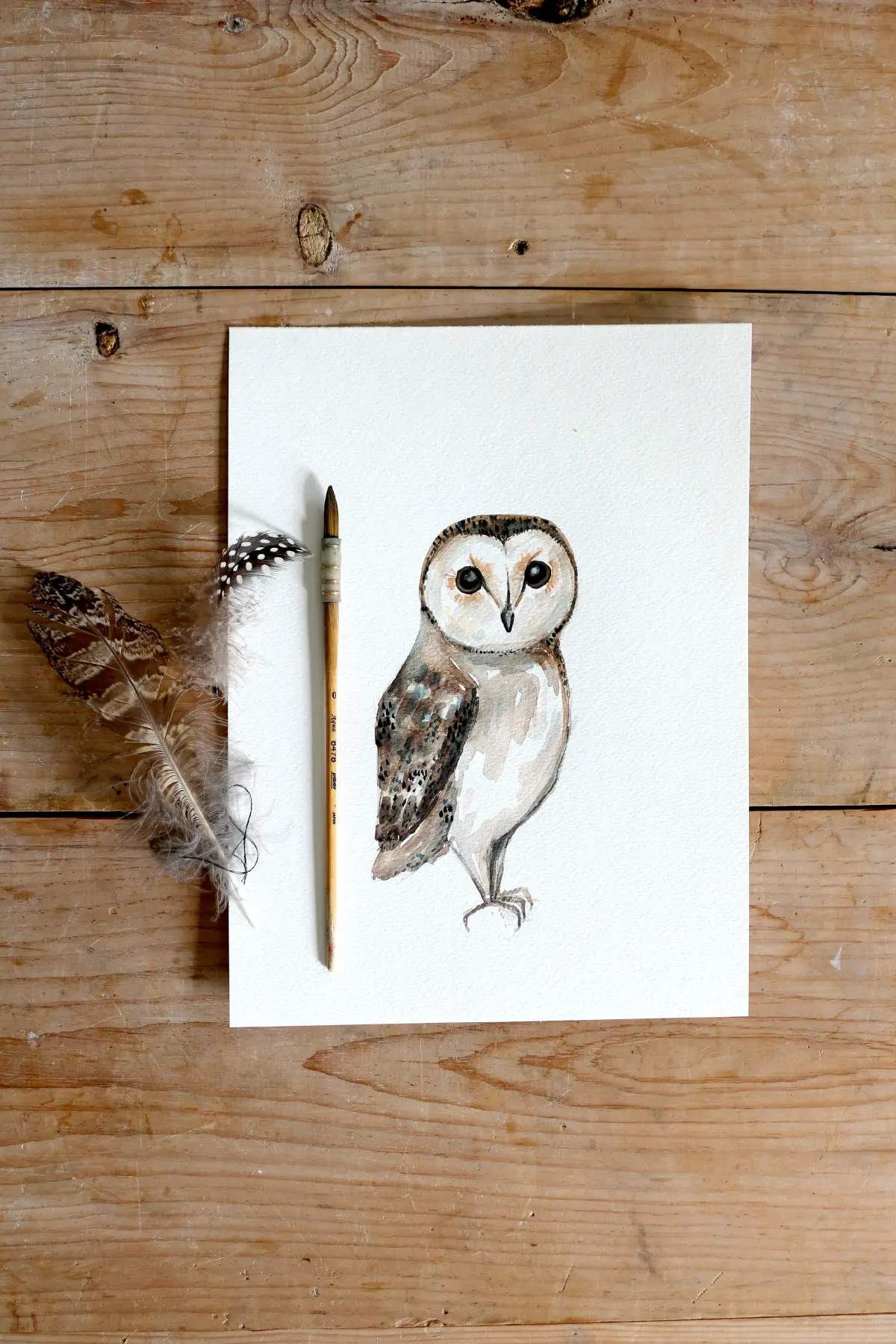
A water brush is a portable painting tool featuring a hollow handle that serves as a reservoir for water. By squeezing the barrel, artists control the flow of liquid to the synthetic bristles. It is primarily used for watercolor painting, calligraphy, and sketching, offering a convenient, mess-free alternative to traditional brushes.
On this page
How does a water brush work?
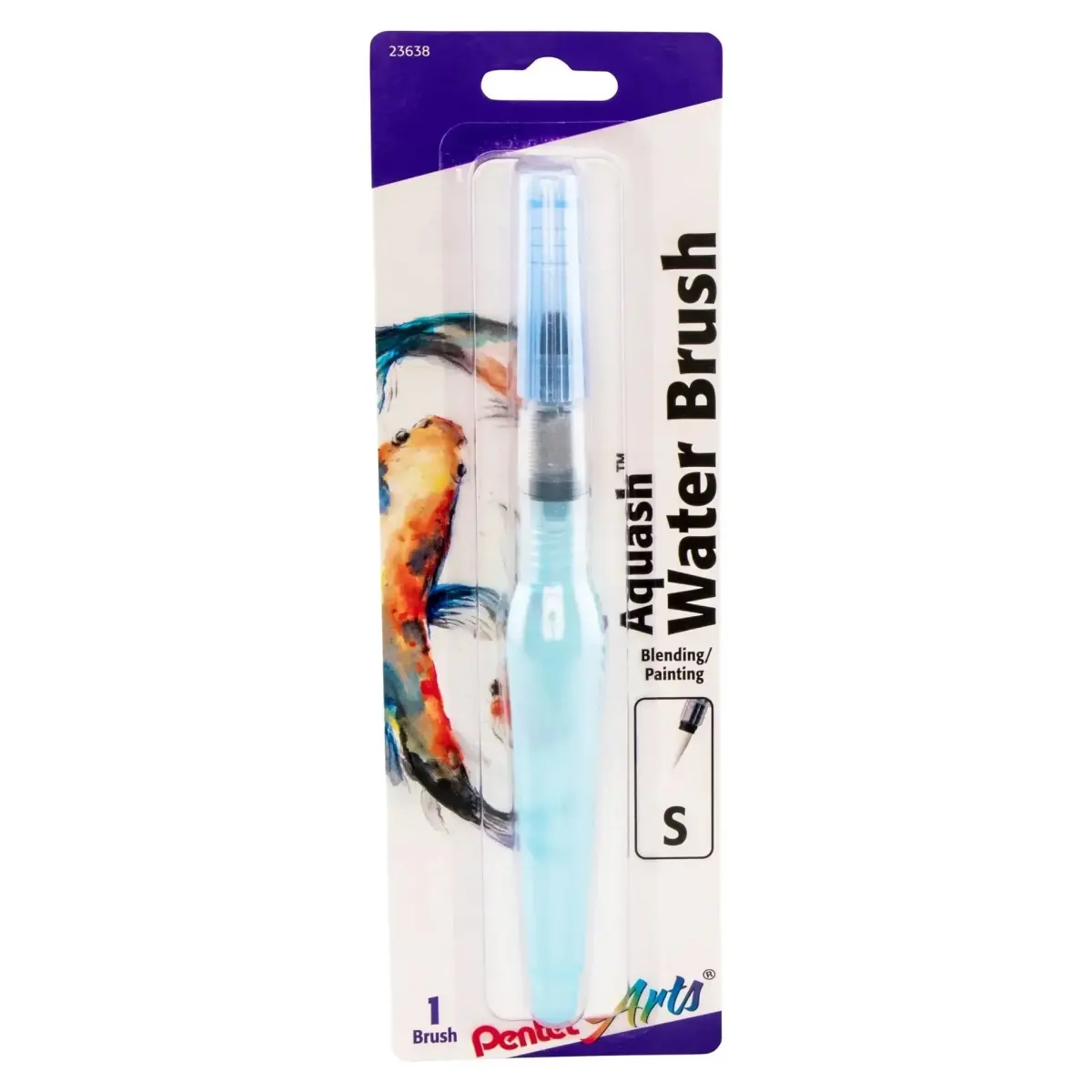
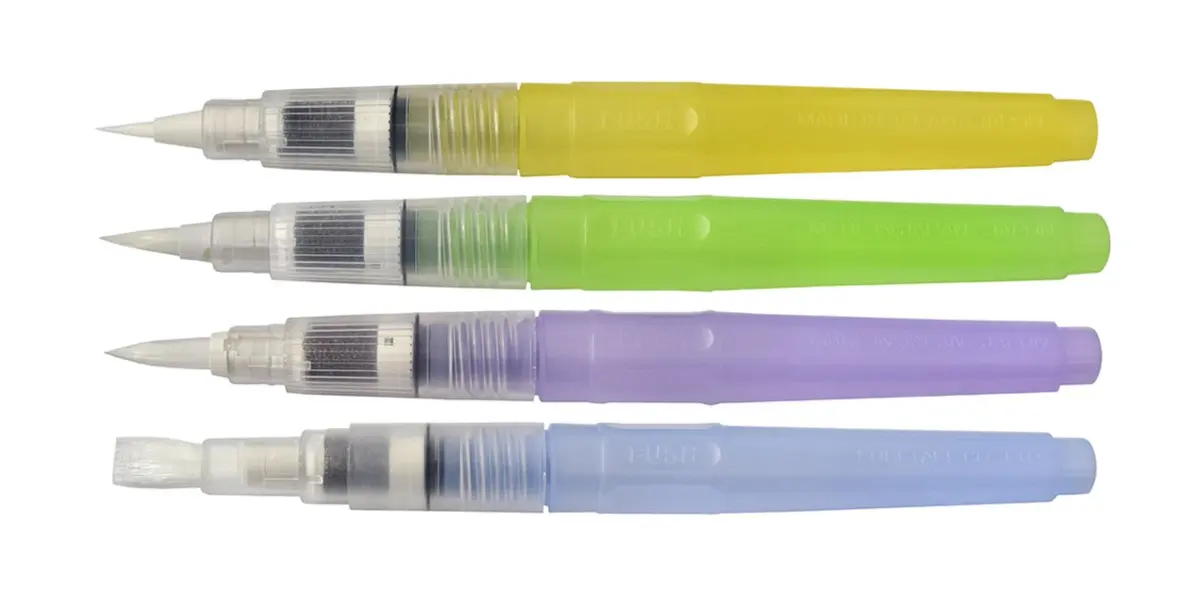
A water brush functions through a simple hydraulic system designed for convenience and portability. The tool consists of two main components: a detachable plastic barrel that holds water and a brush head fitted with synthetic nylon bristles. When you gently squeeze the barrel, the pressure forces water through a small valve into the ferrule and out to the tip of the brush. This continuous, controlled flow keeps the bristles moist, allowing you to pick up pigment directly from watercolor pans or pencils without needing a separate water container.
The design eliminates the need for rinsing brushes in a jar, making it an essential tool for plein air painting or urban sketching. Because the water flow is constant, artists can achieve consistent washes and gradients with minimal effort. The brushes come in various tip shapes, including round, flat, and detail points, allowing for diverse artistic applications. Whether you are working on a small sketchbook or a larger paper surface, the brush provides a seamless transition between dry and wet techniques.
Why use a water brush for watercolor?
Using a water brush significantly streamlines the painting process, especially for artists working on the go. By removing the need for a water cup, you eliminate the risk of accidental spills and reduce the amount of equipment required for outdoor excursions. This portability makes it the preferred choice for travel journals, field studies, and quick illustrations where efficiency is paramount. The ability to manage water flow manually also grants the artist greater control over the transparency and intensity of their colors.
Beyond portability, these brushes offer unique technical advantages for specific watercolor methods. They are particularly effective for techniques such as:
- Lifting color: Using a damp, clean brush to remove wet or semi-dry paint from the paper to create highlights.
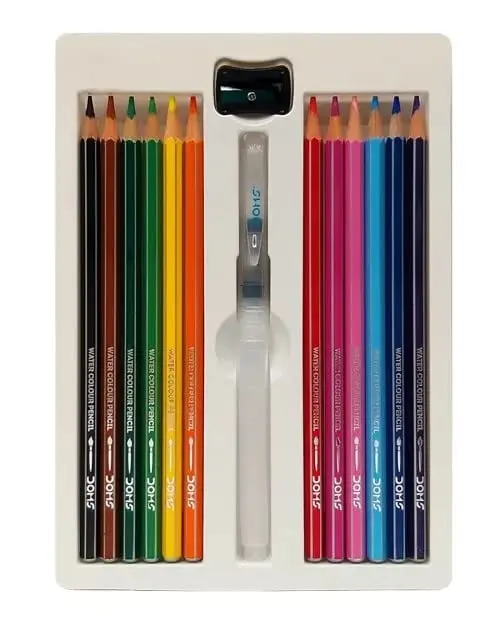
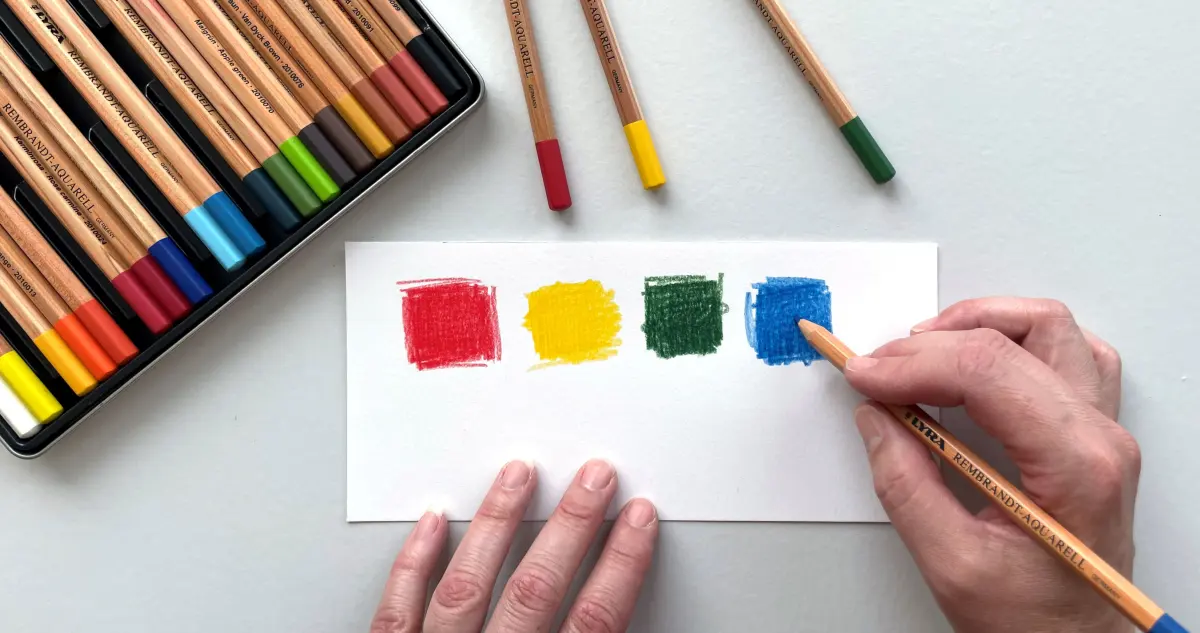
- Watercolor pencil blending: Directly touching the brush to pencil marks on paper to turn lines into smooth, painterly washes.
- Glazing: Applying thin, transparent layers of color over dried areas to build depth and richness in a painting.
- Detail work: Utilizing the fine, consistent tip to execute intricate lines and textures without the brush drying out mid-stroke.
How to use a water brush correctly
To begin using your water brush, unscrew the barrel and fill it with clean water, ensuring you do not overfill it to prevent leaking. Once reassembled, gently squeeze the barrel until a drop of water appears at the tip, then touch it to your paint or paper. If you need more water, a light squeeze will refresh the bristles instantly. If you need to change colors, simply wipe the bristles on a paper towel or cloth until the color disappears; the residual water in the brush will clean the fibers as you wipe.
Follow these steps for optimal performance during your painting sessions:
- Fill the reservoir with distilled water to prevent mineral buildup in the valve.
- Test the flow on a scrap piece of paper before applying it to your main artwork.
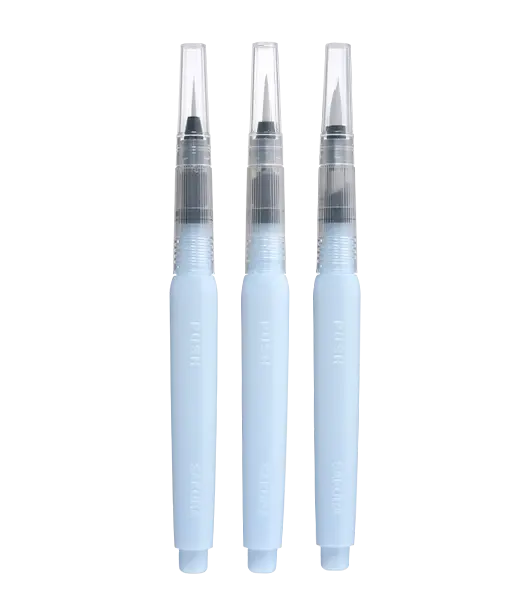
- Keep the cap on the brush when not in use to protect the delicate synthetic nylon bristles from fraying or bending.
- Store the brush horizontally or with the tip facing upward to prevent water from leaking into the cap.
Common mistakes when using water brushes
A frequent error beginners make is squeezing the barrel too hard, which can cause an uncontrolled surge of water to flood the paper. This often leads to "blooms" or cauliflower effects, where excess water pushes pigment out of the intended area. Another common mistake is failing to clean the brush properly between colors. While the brush is designed to be self-cleaning, dark or staining pigments can linger in the ferrule if you do not wipe the bristles thoroughly, leading to muddy colors in subsequent layers.
Additionally, many users neglect the long-term maintenance of the valve system. If you leave colored water in the barrel for extended periods, the pigment can dry inside the valve, causing it to clog or function inconsistently. To avoid this, always empty the reservoir and flush the brush with clean water after each painting session. If the brush tip begins to lose its shape, avoid using harsh chemicals or hot water, as these can damage the synthetic fibers and permanently ruin the precision of the point.
Best practices for brush maintenance
Maintaining your water brush ensures that the tool remains responsive and reliable over time. After every use, detach the barrel and rinse the brush head under cool, running water. If the bristles become stained, you can gently massage a small amount of mild soap into the fibers, rinse thoroughly, and reshape the tip with your fingers. Never leave the brush sitting in a cup of water, as this can cause the bristles to splay and permanently deform, rendering the brush useless for fine detail work.
To extend the lifespan of your brushes, consider these simple storage and care habits:
- Avoid using the brush with acrylics or oils, as these mediums will harden and permanently clog the internal valve system.
- Inspect the O-ring or seal on the barrel periodically to ensure it remains airtight, which prevents unwanted leaks.
- Replace the brush head if the bristles become frayed or split, as most manufacturers sell replacement tips separately.
- Keep the brush away from extreme heat, which can warp the plastic barrel or weaken the structural integrity of the bristles.
Key facts
- A water brush features a hollow plastic barrel that acts as a reservoir for water, eliminating the need for a separate water container.
- The flow of water is controlled by a pressure-sensitive valve, allowing artists to release more liquid by squeezing the barrel.
- These brushes are primarily designed for use with water-soluble media, such as watercolor pans, watercolor pencils, and water-soluble ink markers.
- The bristles are typically made of synthetic nylon, which provides durability and maintains a sharp point for detailed work.
- They are highly portable, making them an ideal tool for urban sketching, travel journaling, and painting on location.
- To clean the brush, simply squeeze the barrel to flush water through the bristles onto a paper towel until the color runs clear.
The bottom line
The water brush is a versatile, portable tool that simplifies the painting process by integrating the water supply directly into the handle. By mastering the pressure-sensitive flow, artists can achieve consistent washes or precise details without the clutter of traditional cups. It is an essential instrument for outdoor enthusiasts and journalers who require a clean, compact, and efficient way to work with water-soluble art media.
People also ask
Can I put ink or paint directly into the water brush barrel?
While some artists experiment with filling the barrel with diluted ink, it is generally discouraged because pigments can clog the internal valve or permanently stain the reservoir. It is best to use the brush only for water and pick up pigment from a palette or directly from the painting surface.
How do I prevent the brush from leaking in my bag?
Always ensure the cap is snapped firmly into place and store the brush in a horizontal or tip-up position whenever possible. If you are traveling, place the brush inside a sealed plastic bag to protect your belongings from any accidental leakage caused by pressure changes.
Are water brushes suitable for professional-grade watercolor painting?
Many professionals use them for sketching and quick studies, though they may lack the water-holding capacity and snap of high-end natural hair sable brushes. They are excellent for layering and blending, but they may not be the primary tool for large-scale studio work.
How do I keep the bristles from fraying?
Never leave the brush sitting tip-down in a container, as this will permanently deform the synthetic fibers. Always replace the protective cap carefully to avoid catching or bending the bristles, which can ruin the brush's ability to hold a fine point.
Can I use a water brush with acrylic paints?
It is not recommended to use acrylics with these brushes because the paint dries quickly and can harden inside the bristles and the valve mechanism. If acrylic paint dries within the brush, it will likely render the tool unusable and impossible to clean.
How do I refill the water reservoir?
Most models feature a screw-off cap at the base of the handle that allows you to fill the barrel under a faucet. Some versions also allow you to squeeze the barrel while submerged in a cup of water to draw the liquid inside through suction.
This answer was created with the help of AI research tools and reference sources. Spotted an error? Let us know — we correct mistakes quickly. See our editorial policy.