How do you use masking fluid?
Short answer
Masking fluid is a liquid latex or synthetic resin used in watercolor painting to protect specific areas of paper from pigment. By applying it to dry surfaces before painting, you create a waterproof barrier. Once the paint is completely dry, you simply peel or rub the fluid away to reveal white paper.
On this page
How to apply masking fluid correctly
The application process requires precision to ensure clean, sharp edges. Before starting, ensure your watercolor paper is completely dry, as moisture can cause the fluid to soak into the fibers, making it difficult to remove later. Use an old brush or a dedicated silicone color shaper to apply the fluid, as the latex will quickly ruin high-quality sable or synthetic watercolor brushes by hardening in the bristles.
To maintain your tools, coat your brush in a thin layer of dish soap before dipping it into the masking fluid. This creates a protective barrier that prevents the latex from bonding to the hair of the brush. Once finished, rinse the brush immediately with warm water. If you are applying fine lines or intricate details, consider using a ruling pen or a fine-tipped applicator bottle, which allows for more control than a standard brush.
- Shake the bottle gently to ensure the fluid is well-mixed.
- Pour a small amount into a separate container to avoid contaminating the main bottle.
- Apply the fluid to the desired areas using a light, steady hand.
- Allow the fluid to dry completely until it feels tacky or firm to the touch.
How long does it take to dry
Masking fluid typically requires between 5 and 15 minutes to dry, depending on the thickness of the application and the humidity of your workspace. A thin application will dry faster, while thick, pooled areas may take significantly longer. It is crucial to wait until the fluid is entirely set before applying any watercolor washes; if the fluid is still wet, the paint will bleed underneath the mask, resulting in messy, blurred edges.
You can test if the fluid is ready by gently touching a non-critical area with your fingertip. If it feels tacky or leaves a residue on your skin, it is not yet dry. Using a hairdryer on a cool or low-heat setting can accelerate the drying process, but avoid using high heat. Excessive heat can cause the latex to bond too tightly to the paper fibers, making it nearly impossible to remove without tearing the surface of your artwork.
Best masking fluid for beginners
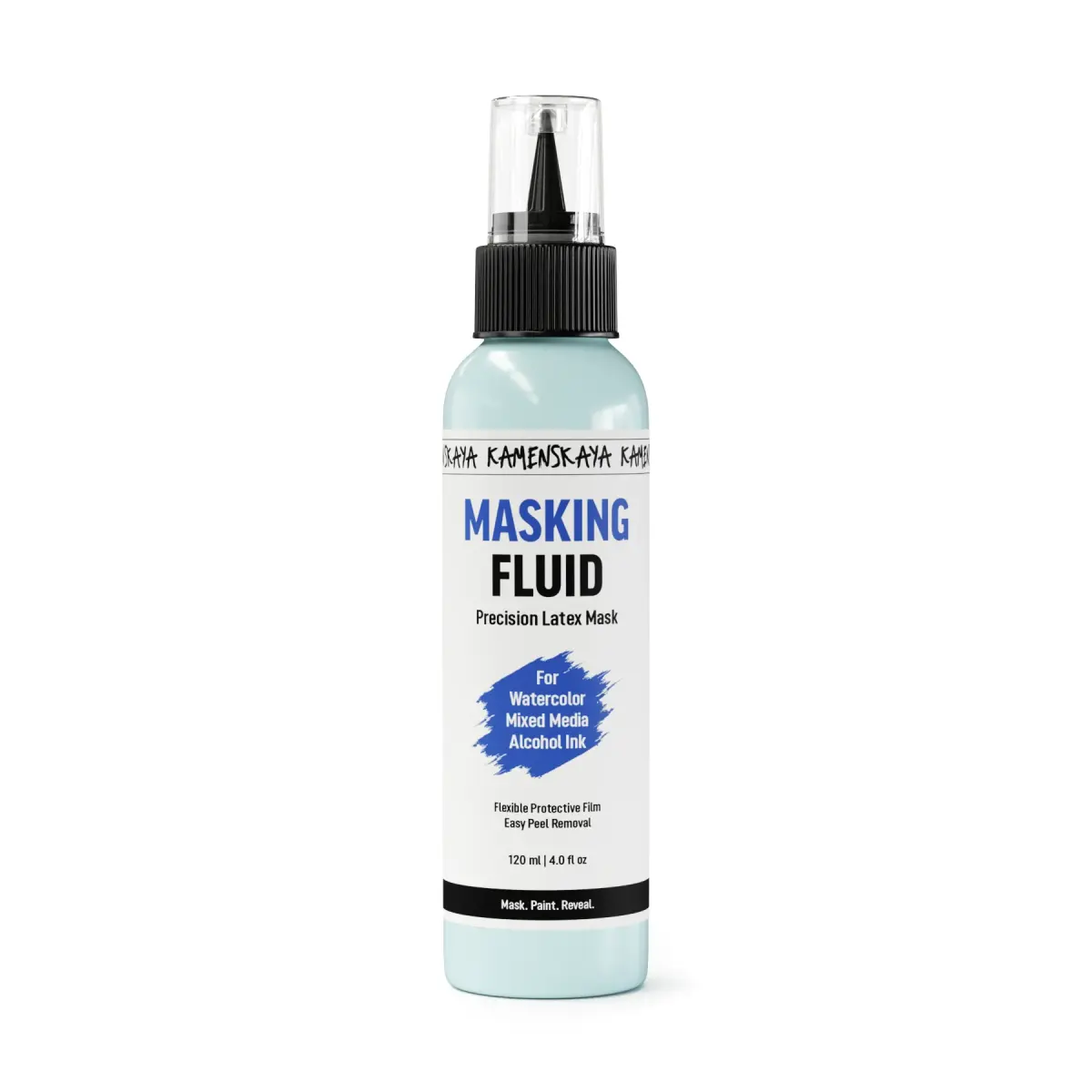
For those new to the medium, a standard ammonia-free latex masking fluid is the most reliable choice. These products are widely available at art supply stores and offer a good balance between flexibility and ease of removal. Look for brands that offer tinted versions, such as blue or grey, which allow you to see exactly where you have placed the mask against the white background of the paper.
When selecting a product, consider the following factors:
- Transparency: Tinted fluids are easier to track on the page.
- Removal: Look for formulas labeled "removable" or "peelable."
- Longevity: Check the expiration date, as latex-based products can thicken and spoil over time if left unsealed.
- Odor: Some traditional latex fluids have a strong ammonia smell, so choose a synthetic or low-odor alternative if you are working in a poorly ventilated space.
Why masking fluid ruins paper
Damage to paper occurs primarily when the masking fluid is left on for too long or applied to paper that is too thin or soft. If left on for more than 24 to 48 hours, the latex can begin to bond permanently with the sizing in the paper. When you attempt to remove it, the fluid may pull up the top layer of the paper fibers, leaving a rough, unsightly texture that will not accept paint evenly in future layers.
Always use high-quality, cold-press or hot-press watercolor paper with a weight of at least 140lb (300gsm). Lighter-weight papers are prone to buckling and tearing when the adhesive bond of the masking fluid is broken. If you are working on a large piece, remove the fluid in stages rather than leaving the entire surface masked for the duration of the painting process. This ensures that the paper remains intact and the final result remains professional and clean.
Common mistakes when using masking fluid
One of the most frequent errors is applying the fluid too thickly, which creates a raised ridge that deflects paint, causing it to pool at the edges of the mask. This results in dark, unnatural lines around your protected shapes. Another common mistake is rubbing the fluid off too aggressively with your fingers. The oils from your skin can transfer to the paper, creating grease spots that resist watercolor paint and ruin the final wash.
To avoid these issues, follow these best practices for removal:
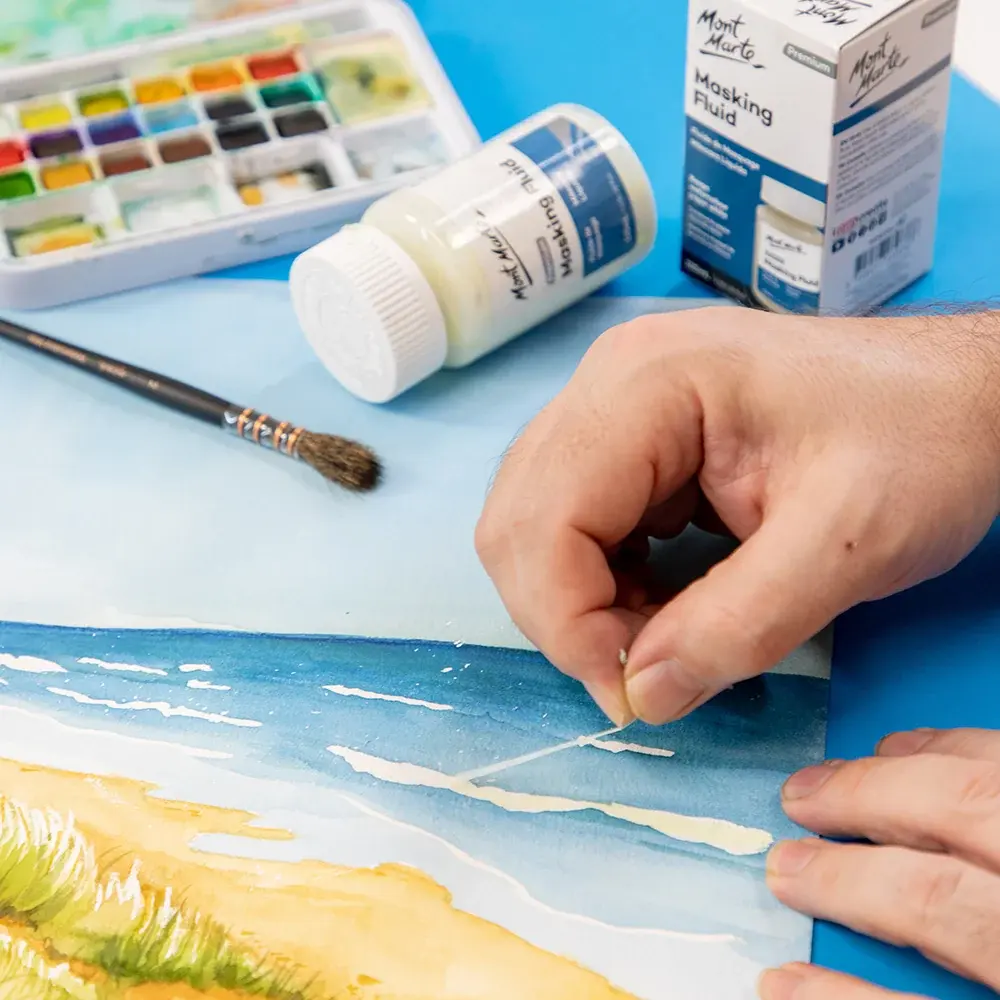
- Use a clean, dry rubber cement pickup or a soft eraser to gently lift the edge of the dried fluid.
- Once an edge is lifted, pull the fluid off slowly and steadily at a shallow angle to prevent tearing.
- Never use metal tools, such as palette knives or tweezers, to scrape the fluid, as these will inevitably gouge the paper surface.
- Ensure your hands are perfectly clean and dry before touching the paper to avoid leaving fingerprints that will show up once the final wash is applied.
Key facts
- Masking fluid is a liquid latex compound used to block out areas of paper to preserve white space during watercolor painting.
- Always apply the fluid to completely dry paper to ensure it adheres correctly and does not tear the fibers upon removal.
- Use an old or inexpensive synthetic brush, as the latex can permanently ruin natural hair brushes once it dries.
- Apply a thin layer of soap or dish detergent to your brush bristles before dipping them into the fluid to prevent sticking.
- Allow the fluid to dry completely, which usually takes 10 to 20 minutes, before painting over it with watercolors.
- Remove the dried mask by gently rubbing it with a clean finger or a rubber cement pickup tool once the paint is dry.
The bottom line
Masking fluid is an essential tool for watercolorists, providing a reliable way to preserve white highlights and intricate details. By using a dedicated synthetic brush and ensuring the paper is thoroughly dry before application, you can achieve clean, crisp edges in your work. Always remove the dried latex promptly to protect your paper’s surface, allowing you to layer colors with confidence and precision.
People also ask
Can I use masking fluid on canvas?
While masking fluid is designed for watercolor paper, it can be used on primed canvas. However, you must be careful when removing it, as the adhesive strength of the latex can sometimes pull up layers of acrylic gesso.
How long can masking fluid stay on the paper?
You should remove masking fluid within 24 to 48 hours of application. Leaving it on for too long can cause the latex to bond too tightly to the paper, making it difficult to remove without damaging the surface.
What should I do if the fluid is too thick to apply?
If your masking fluid has thickened, you can thin it with a very small amount of distilled water. Do not over-dilute it, as this will prevent it from forming a solid, protective film.
Can I paint over masking fluid with oils?
Masking fluid is specifically formulated for water-based media and is not suitable for oil paints. The solvents in oil paints can dissolve or damage the latex, leading to a messy, unintended result.
How do I clean brushes that have masking fluid on them?
Immediately rinse your brush in cool water after use. If the fluid has already started to set, you may need to peel the latex off the bristles manually, though this often results in damaged brush hairs.
Is there an alternative if I am allergic to latex?
Yes, several brands offer latex-free masking fluids made from synthetic polymers. These products are ideal for artists who experience skin irritation or allergic reactions when handling traditional natural latex formulas.
This answer was created with the help of AI research tools and reference sources. Spotted an error? Let us know — we correct mistakes quickly. See our editorial policy.