What is Sumi-e?
Short answer
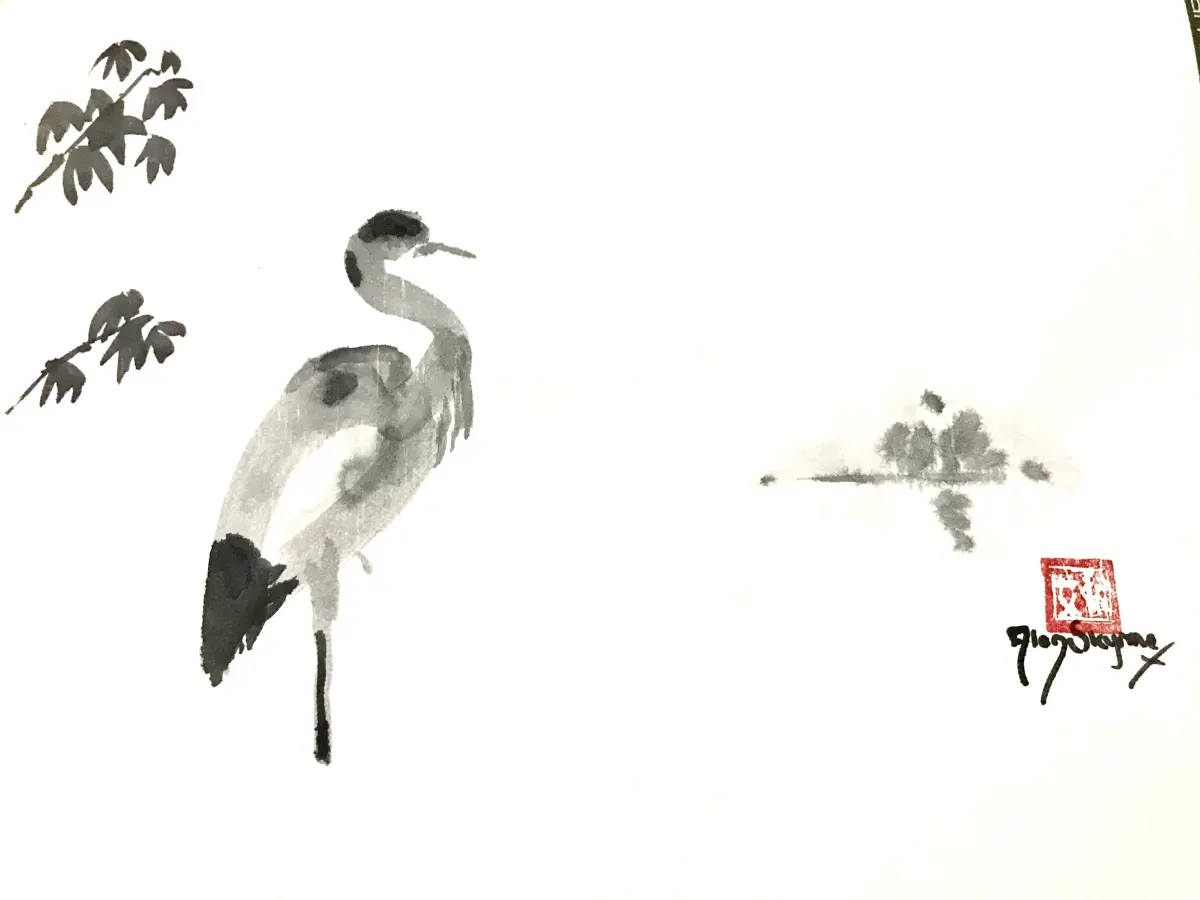
Sumi-e is a traditional East Asian style of ink wash painting that emphasizes minimalism, brush control, and the capture of a subject’s essence rather than photographic realism. Originating in China during the Tang Dynasty and refined in Japan by Zen Buddhist monks, it utilizes black ink, water, and handmade paper.
On this page
What is the history of sumi-e?
Sumi-e, or suibokuga, traces its origins back to 7th-century China, where it was initially practiced by scholar-officials as a form of intellectual expression. The art form traveled to Japan during the 14th century, carried by Zen Buddhist monks who valued the practice for its meditative qualities. In the Zen tradition, the act of painting is considered a spiritual discipline, reflecting the philosophy that simplicity leads to enlightenment.
The technique flourished during the Muromachi period, with masters like Sesshū Tōyō elevating the medium to a high art form. Unlike Western oil painting, which often seeks to replicate light and shadow through layering, sumi-e focuses on the "spirit resonance" of the subject. By the time it became a staple of Japanese culture, it had developed into a distinct aesthetic that prioritized negative space, known as yohaku-no-bi, or the beauty of empty space.
What are the essential tools for sumi-e?
To practice sumi-e, one must acquire the "Four Treasures of the Study," which are the fundamental instruments used by calligraphers and painters for centuries. These tools are designed to work in harmony to produce the specific fluid lines and tonal gradients characteristic of the style. Quality materials are essential because the absorbent nature of traditional paper leaves no room for corrections or erasing errors.
The primary tools include:
- Ink sticks: Made from soot and animal glue, these are ground against a stone with water to create liquid ink.
- Ink stone (suzuri): A heavy stone surface used for grinding the ink stick and holding the liquid.
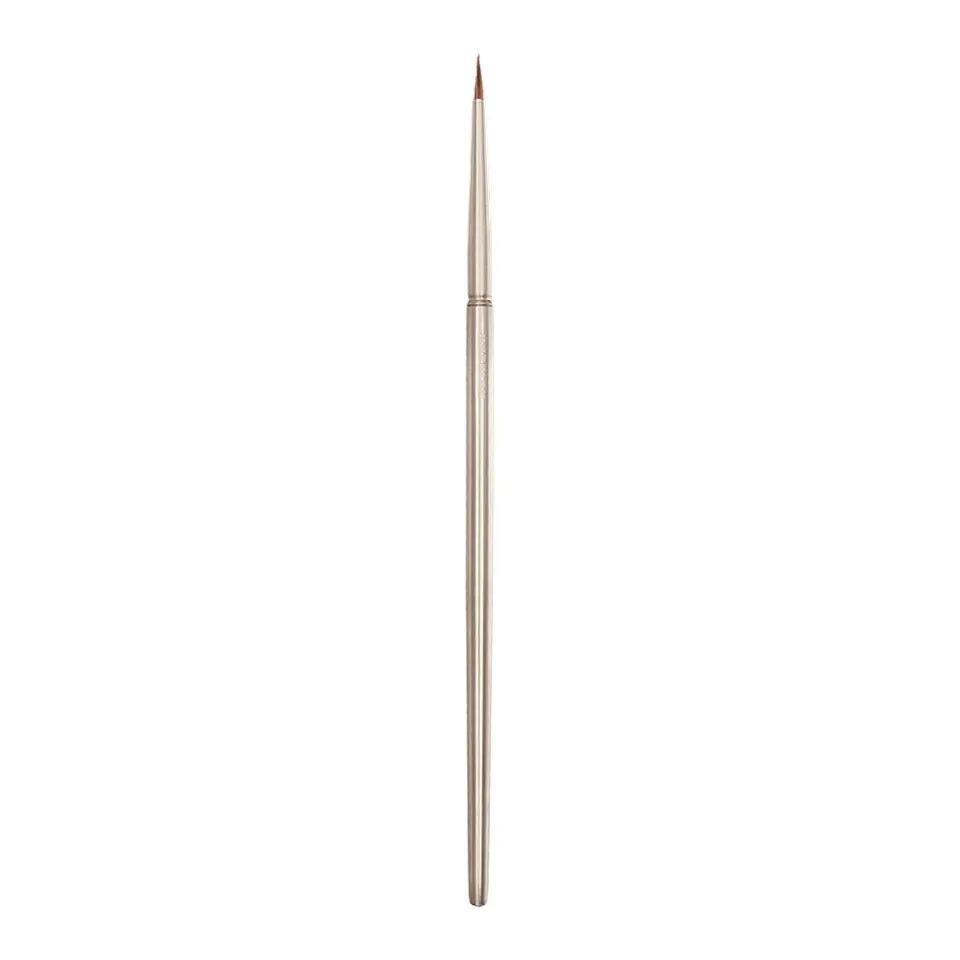
- Brushes (fude): Typically made from animal hair like goat, wolf, or horse, these brushes have a tapered point and a thick base to hold significant amounts of water.
- Rice paper (washi): A highly absorbent, thin paper that reacts instantly to the moisture of the brush.
How do you paint in the sumi-e style?
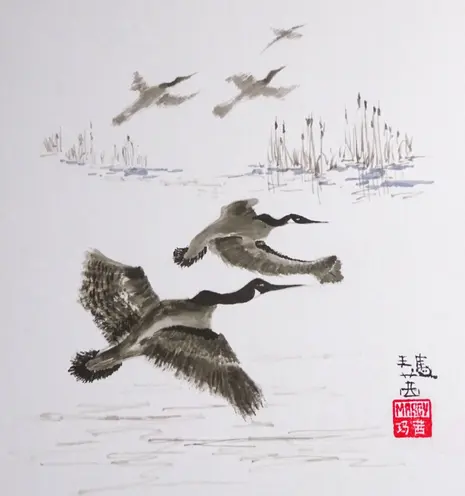
The process of sumi-e is as much about the movement of the body as it is about the application of ink. Before touching the brush to paper, the artist must visualize the final composition, as the ink spreads quickly and cannot be altered. The goal is to capture the vitality of a subject, such as bamboo, orchids, or mountains, using the fewest strokes possible.
Follow these steps to begin your first composition:
- Prepare your ink by grinding the stick in a circular motion with a small amount of water until it reaches the desired consistency.
- Load your brush by dipping it into the ink and then removing excess moisture on a scrap piece of paper to control the flow.
- Hold the brush vertically, keeping your wrist flexible to allow for varied pressure and line thickness.
- Execute your strokes with confidence and speed, focusing on the rhythm of your breathing to maintain steady momentum.
What are common mistakes when practicing sumi-e?
Beginners often struggle with the transition from Western painting techniques to the unforgiving nature of sumi-e. One of the most frequent errors is over-working a stroke. Because the paper is highly absorbent, hesitation or slow movement causes the ink to bleed excessively, resulting in a muddy appearance rather than a crisp, elegant line. You must commit to every movement with decisive energy.
Another common mistake is failing to manage the water-to-ink ratio correctly. If the brush is too dry, the stroke will look scratchy and lifeless; if it is too wet, the ink will lose its definition and blur into a shapeless blot. To avoid these issues, practice "dry brush" techniques on scrap paper to understand how your specific brush holds ink before attempting a formal piece. Always remember that in sumi-e, the white space is just as important as the ink itself.
How to improve your sumi-e technique?
Mastery of sumi-e requires consistent, daily practice focused on the quality of individual strokes rather than the completion of complex scenes. Start by mastering the "Four Gentlemen"—bamboo, orchid, plum blossom, and chrysanthemum—which represent the four seasons and basic brush techniques. By repeating these subjects, you develop the muscle memory necessary to control the brush's flexibility and the ink's tonal range.
To refine your skills, focus on these three areas:
- Tonal variation: Practice creating a spectrum of greys by dipping only the tip of a wet brush into concentrated ink, allowing the water in the brush to dilute it naturally.
- Compositional balance: Study the use of negative space to ensure your subjects have room to "breathe" on the page.
- Observation: Spend time observing the natural world to understand the structure of your subjects, as sumi-e is an interpretation of nature's inherent patterns.
By dedicating time to these fundamental exercises, you will eventually find that your hand moves with the intuitive precision required to capture the fleeting essence of your subjects with grace and clarity.
Key facts
- Sumi-e is a form of East Asian ink wash painting that uses black ink in various concentrations to create monochromatic images.
- The art form originated in China during the Tang Dynasty (618–907 CE) before spreading to Japan in the 14th century via Zen Buddhist monks.
- Practitioners use the "Four Treasures of the Study": a brush (fude), ink stick (sumi), ink stone (suzuri), and rice paper (washi).
- The philosophy emphasizes "chi" or vital energy, focusing on capturing the spirit and essence of a subject rather than a photographic representation.
- Proper technique requires maintaining a straight posture and controlling breath to ensure fluid, confident brushstrokes that cannot be erased.
- Beginners should avoid "over-painting" by trying to correct mistakes; in Sumi-e, every stroke is permanent and final.
The bottom line
Sumi-e is a meditative art form that prioritizes simplicity, movement, and the expression of inner spirit over technical perfection. By mastering the Four Treasures and focusing on the Four Gentlemen, practitioners learn to translate the essence of nature onto rice paper. It is a disciplined practice where the permanence of every brushstroke encourages mindfulness, teaching artists to embrace the beauty of intentional, uncorrected, and fluid creative action.
People also ask
How does Sumi-e differ from Western watercolor painting?
Sumi-e focuses on the economy of line and the use of black ink, whereas Western watercolor typically prioritizes color and layered blending. Sumi-e also incorporates the philosophy of Zen, where the process of painting is considered a form of meditation.
What are the "Four Gentlemen" in Sumi-e?
The Four Gentlemen are the orchid, bamboo, chrysanthemum, and plum blossom. These subjects are the standard curriculum for beginners because they teach the fundamental brush techniques required for all other forms.
Can I use standard printer paper for practicing Sumi-e?
Standard printer paper is not suitable because it lacks the absorbency required for ink wash techniques. You must use specialized rice paper or washi, which allows the ink to bleed and create the characteristic soft edges.
How do I prepare the ink for painting?
You prepare ink by adding a small amount of water to an ink stone and grinding the solid ink stick against it in a circular motion. This process allows you to control the density of the ink, from deep black to light grey washes.
Why is posture important when practicing this art?
Good posture ensures that the energy from your body flows through your arm and into the brush. A relaxed, upright stance allows for the fluid, rhythmic strokes necessary to capture the movement of nature.
Is it possible to use color in Sumi-e?
While traditional Sumi-e is strictly monochromatic, some artists incorporate subtle mineral pigments. However, the core of the practice remains centered on the expressive power of black ink and white space.
This answer was created with the help of AI research tools and reference sources. Spotted an error? Let us know — we correct mistakes quickly. See our editorial policy.