What is Canadian art known for?
Short answer
Canadian art is defined by its profound connection to the vast, rugged landscape and the enduring traditions of Indigenous peoples. It ranges from historical Group of Seven wilderness paintings to contemporary conceptual works. This diverse creative output reflects a national identity shaped by colonial history, multiculturalism, and the harsh northern environment.
On this page
What defines Canadian landscape painting?
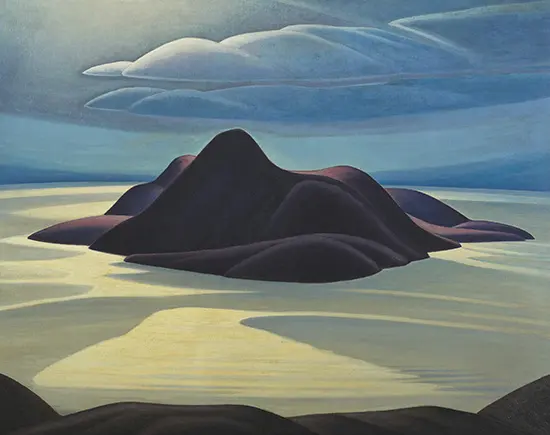
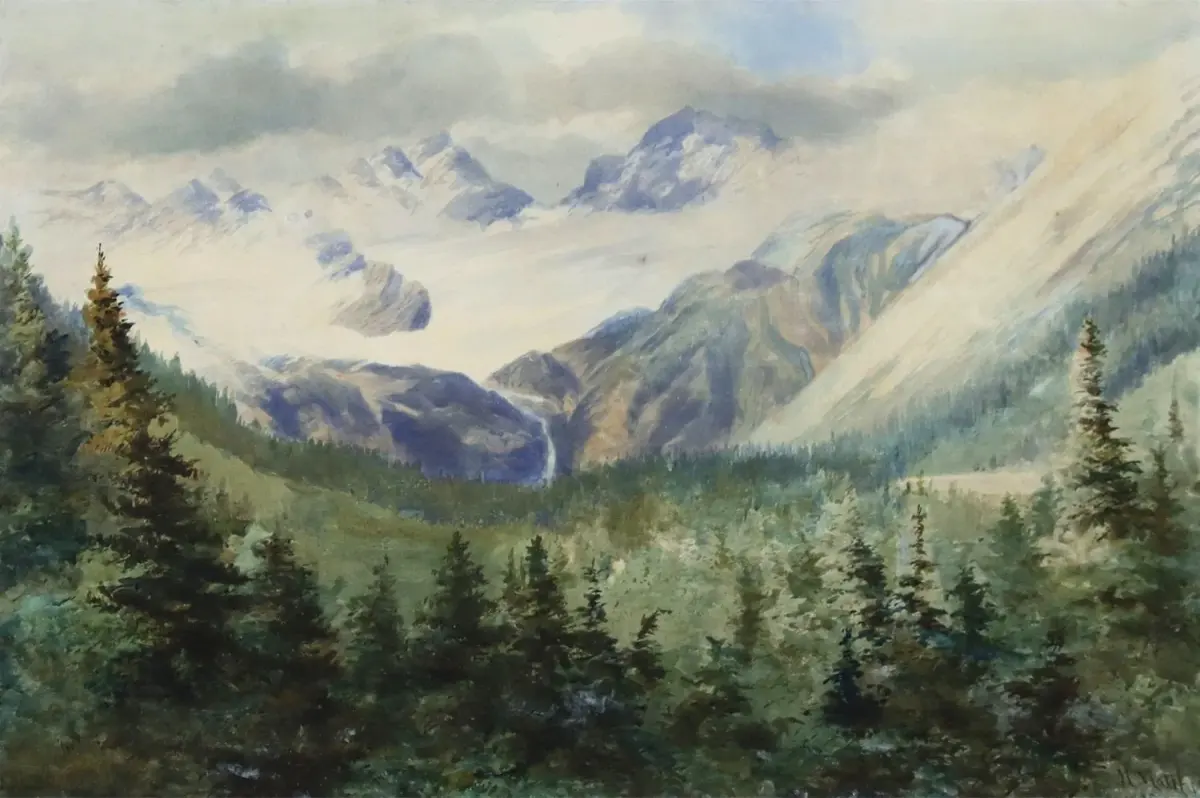
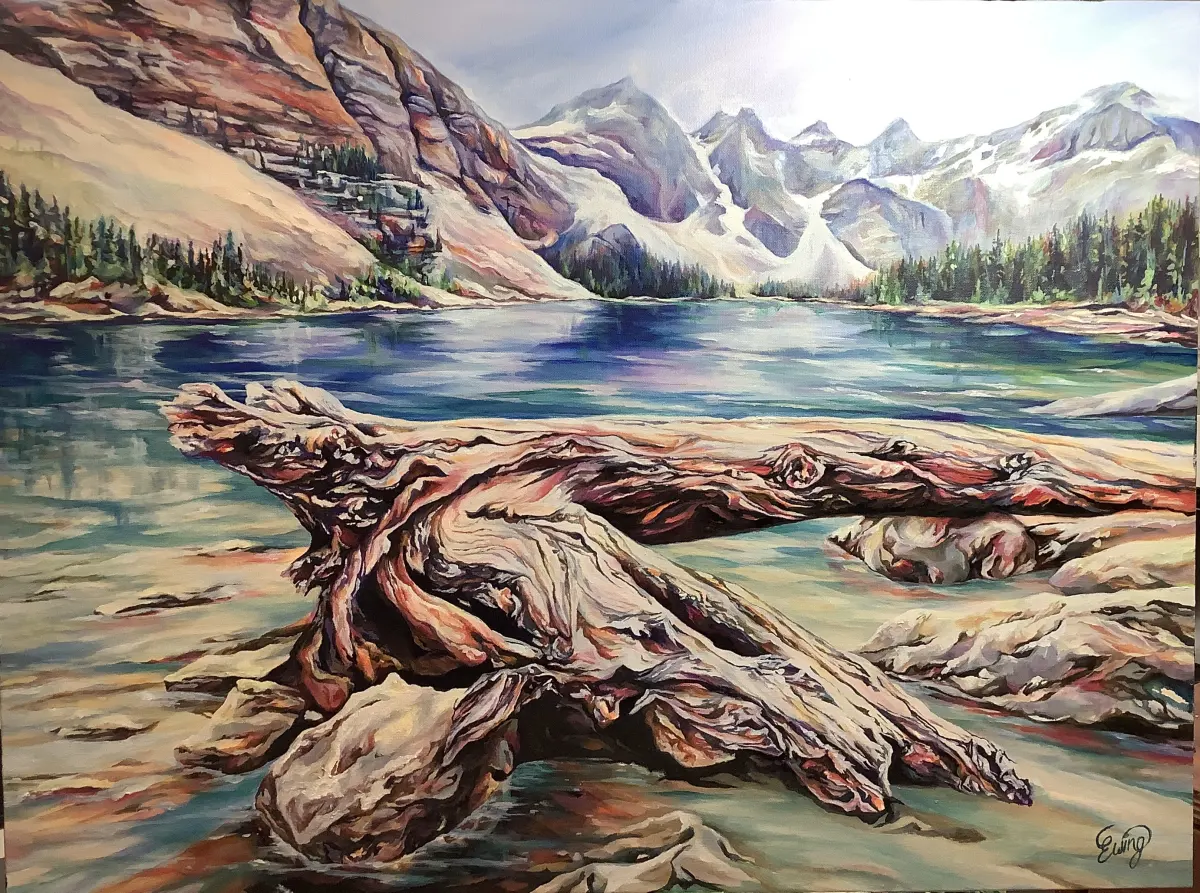
The most recognizable form of Canadian art is the landscape tradition, popularized in the early 20th century by the Group of Seven. These artists, including Lawren Harris, A.Y. Jackson, and J.E.H. MacDonald, sought to create a distinct national style by depicting the untamed Canadian wilderness. They utilized bold colors, simplified forms, and thick paint application to capture the raw energy of the northern forests and rocky terrain. This movement moved away from European realism, favoring an emotional and spiritual interpretation of the environment.
The influence of these painters remains central to the Canadian art canon. Their approach encouraged later generations to view the land not just as a backdrop, but as a primary subject that defines the country's character. To better understand this iconic style, consider these key elements:
- High-contrast color palettes that emphasize seasonal shifts.
- Stylized, rhythmic compositions that simplify complex natural shapes.
- A focus on remote locations like the Canadian Shield and the Rocky Mountains.
- The integration of light as a symbolic, almost divine force in the composition.
How do Indigenous art traditions impact Canadian culture?
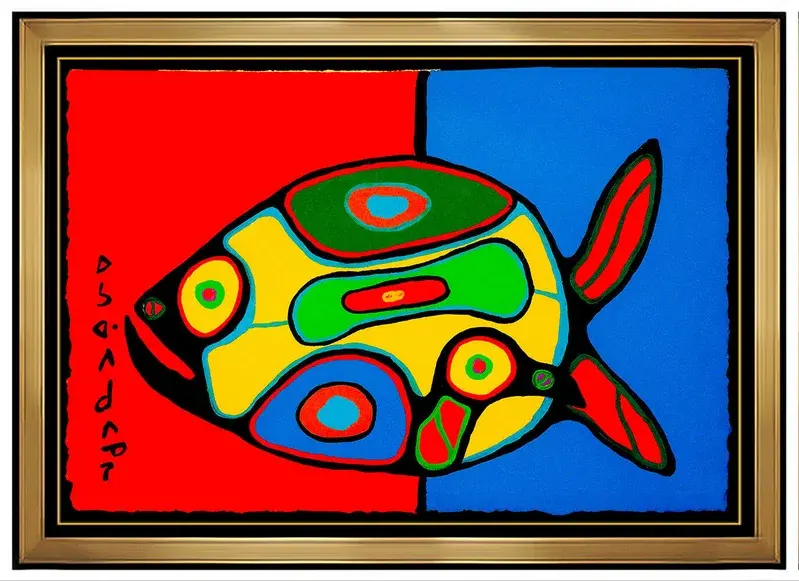
Indigenous art is the foundation of Canadian creative expression, predating European contact by thousands of years. It spans diverse regions and nations, including the intricate totem poles and masks of the Pacific Northwest Coast, the beadwork of the Plains nations, and the stone carvings of the Inuit. These works are deeply rooted in oral histories, spiritual practices, and social structures. They serve as essential vessels for knowledge, identity, and resilience, often challenging the historical narrative of colonial expansion.
Contemporary Indigenous artists continue to blend these traditional techniques with modern media to address political and social issues. This evolution ensures that Indigenous art remains a living, breathing component of the national identity rather than a static relic of the past. When engaging with this art, it is important to recognize the following:
- Research the specific nation or cultural group, as "Indigenous art" is an umbrella term for hundreds of distinct cultures.
- Respect the protocols associated with specific designs, which may hold deep familial or spiritual significance.
- Distinguish between authentic works created by Indigenous artists and commercial imitations that appropriate cultural symbols without permission.
What are the characteristics of modern Canadian art?
Post-1950s Canadian art shifted toward abstraction, conceptualism, and multimedia installations. Artists like the Painters Eleven in Ontario introduced a more international, avant-garde aesthetic, moving away from the landscape focus of their predecessors. This era saw a surge in experimentation, with artists exploring urban themes, identity politics, and the influence of American pop culture. The rise of government funding through the Canada Council for the Arts in 1957 provided the financial stability necessary for this creative explosion.
Today, Canadian contemporary art is known for its critical engagement with global issues. It often addresses themes of multiculturalism, environmental degradation, and the complexities of living in a post-colonial society. Collectors and enthusiasts often look for:
- Conceptual installations that challenge the viewer's perception of physical space.
- Multimedia works that incorporate video, sound, and digital projections.
- Socially conscious photography that documents the shifting demographics of urban centers like Toronto, Vancouver, and Montreal.
- Collaborative projects that blur the lines between traditional fine arts and community activism.
How to start collecting Canadian art?
Building a collection of Canadian art requires a balance of research and personal intuition. For beginners, the best approach is to visit local artist-run centers, commercial galleries, and public art fairs. These spaces provide direct access to emerging talent and allow you to see the scale and texture of works in person. Before purchasing, it is vital to verify the artist’s history, including their exhibition record and representation in public collections, which helps ensure the work maintains its value over time.
When starting your collection, keep these practical steps in mind:
- Define your budget and focus on a specific medium or region that resonates with you.
- Attend gallery openings and artist talks to gain deeper insight into the artist's process and intent.
- Keep detailed records of provenance, including receipts, certificates of authenticity, and exhibition history.
- Avoid buying art solely as an investment; prioritize works that you find visually or intellectually compelling.
- Be wary of "decorative art" masquerading as fine art; look for original pieces rather than mass-produced prints.
Common mistakes when interpreting Canadian art?
A frequent error is assuming that all Canadian art must mirror the wilderness aesthetic of the early 20th century. This narrow view ignores the vast contributions of urban artists, immigrants, and the diverse Indigenous nations that exist across the country. Another mistake is failing to account for the regional differences in the art scene. The artistic output of the Prairies, for example, differs significantly from the maritime traditions of the East Coast or the high-density, multicultural art scene of the West Coast.
To avoid these pitfalls, broaden your perspective by exploring regional museums and archives. Do not assume that a single artist or movement represents the entire nation. Instead, view Canadian art as a mosaic of competing and complementary voices. By acknowledging the complexity of the country's history, you gain a much more accurate and nuanced understanding of what it means to be a Canadian artist in the modern world.
Key facts
- The Group of Seven, active in the 1920s, defined the Canadian identity through rugged, bold landscape paintings of the northern wilderness.
- Indigenous art, including Inuit sculpture and Haida totem poles, is a foundational pillar of Canadian cultural heritage and artistic expression.
- Emily Carr is a central figure known for her powerful depictions of British Columbia’s forests and Indigenous totem poles.
- The National Gallery of Canada in Ottawa houses the world’s most comprehensive collection of Canadian art, dating from the 18th century to the present.
- Contemporary Canadian art is highly diverse, often focusing on themes of multiculturalism, environmentalism, and post-colonial identity.
- When collecting Canadian art, always verify the provenance and ensure the piece is accompanied by a certificate of authenticity to avoid forgeries.
The bottom line
Canadian art is defined by its deep connection to the vast, challenging landscape and a rich, enduring Indigenous heritage. From the iconic, bold brushstrokes of the Group of Seven to the intricate carvings of northern artisans, the nation’s creative output reflects a unique blend of colonial history and modern multiculturalism. Exploring this art provides a profound window into the evolving identity and spirit of Canada.
People also ask
What is the most famous Canadian painting?
The most iconic work is arguably The West Wind by Tom Thomson, painted in 1917. It serves as a quintessential symbol of the Canadian wilderness and the Group of Seven's aesthetic.
How does Indigenous art differ from traditional Canadian art?
Indigenous art is rooted in thousands of years of cultural tradition, storytelling, and spiritual practice, often utilizing materials like cedar, stone, and bone. In contrast, traditional European-style Canadian art emerged later, focusing primarily on landscape painting and colonial settlement themes.
Who is the most expensive Canadian artist?
Lawren Harris, a founding member of the Group of Seven, currently holds the record for the highest price paid for a Canadian painting at auction. His work Mountain Forms sold for over $11 million in 2016.
Where can I see Canadian art in person?
The National Gallery of Canada in Ottawa is the primary institution. Other significant collections are held at the Art Gallery of Ontario in Toronto and the Vancouver Art Gallery.
What are the common themes in Canadian art?
Frequent themes include the vastness of the landscape, the harshness of the climate, the complexities of national identity, and the ongoing reconciliation process with Indigenous peoples.
Is Canadian art considered part of the Western art tradition?
Yes, it is largely categorized within the Western tradition due to its historical evolution from European techniques. However, it maintains a distinct character shaped by unique geography and the profound influence of diverse Indigenous cultures.
This answer was created with the help of AI research tools and reference sources. Spotted an error? Let us know — we correct mistakes quickly. See our editorial policy.