What is the history of cartoons?
Short answer
Cartoons originated as preliminary sketches for fine art before evolving into satirical political prints during the 18th century. The medium transformed with the advent of motion pictures in the early 20th century, shifting from static newspaper caricatures to the complex, frame-by-frame animated films that define the modern entertainment industry today.
On this page
What were the early origins of cartoons?
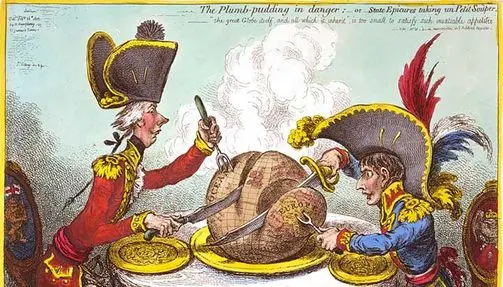
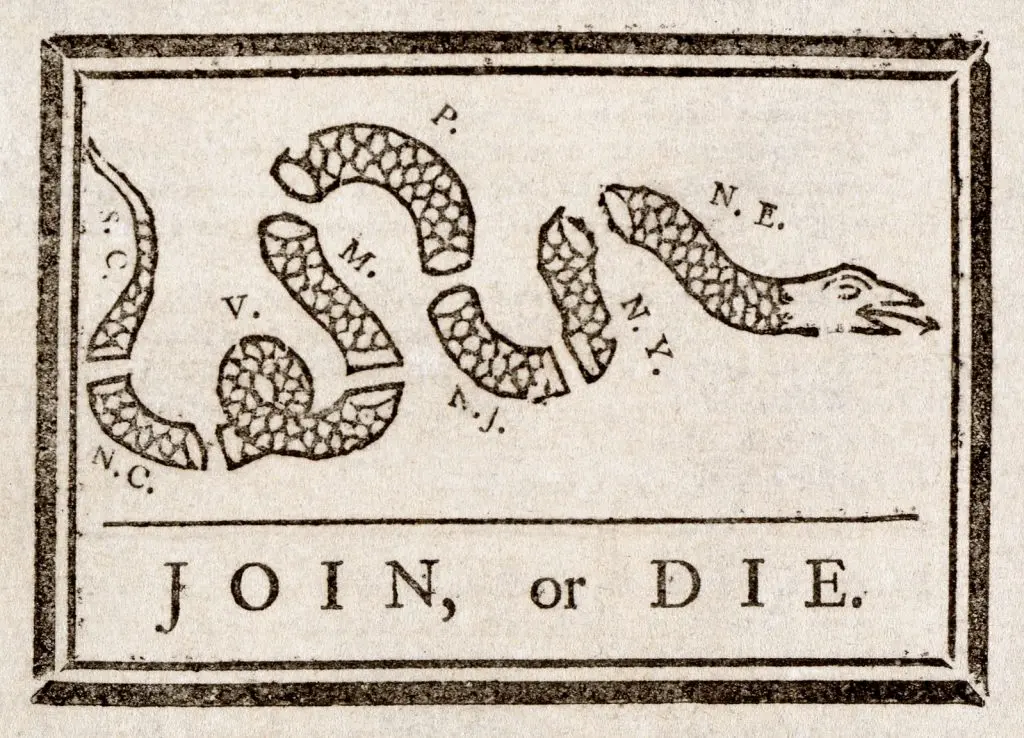
The term "cartoon" originally referred to a full-scale preparatory drawing made on sturdy paper, used by Renaissance artists like Raphael and Michelangelo to transfer designs onto walls for frescoes or tapestries. These sketches were functional tools rather than finished pieces of art. By the mid-19th century, the meaning shifted significantly when the British humor magazine Punch began using the term to describe their satirical illustrations. These political cartoons poked fun at government officials and social trends, effectively turning the medium into a powerful tool for public commentary.
As printing technology improved, newspapers began incorporating these illustrations to capture reader interest and clarify complex social issues. Artists utilized exaggerated features and symbolic imagery to convey messages quickly, even to those with limited literacy. This period established the foundational visual language of the medium, relying on caricature and visual metaphors that remain central to the craft today.
How did animation change the medium?
The birth of cinematic animation in the early 1900s fundamentally altered the trajectory of cartoons. Pioneers like J. Stuart Blackton and Émile Cohl experimented with stop-motion and hand-drawn techniques to create the illusion of life. Winsor McCay’s 1914 film Gertie the Dinosaur is widely considered a landmark, as it featured a character with a distinct personality that interacted with its environment, moving beyond simple repetitive motions.
This era introduced the concept of the "cel," a transparent sheet of celluloid that allowed animators to draw characters on separate layers from the background. This innovation drastically reduced the amount of work required for each frame. The industry rapidly expanded, leading to the following milestones:
- 1928: Walt Disney releases Steamboat Willie, the first cartoon with synchronized sound.
- 1937: Snow White and the Seven Dwarfs premieres as the first feature-length animated film.
- 1940s: The "Golden Age" of American animation begins, featuring iconic characters like Bugs Bunny and Tom and Jerry.
How do professional animators create cartoons?
Creating a modern cartoon is a meticulous process that balances artistic vision with technical precision. The workflow typically begins with storyboarding, where artists map out the narrative flow and key visual beats. Once the script and storyboard are finalized, animators move into the production phase, focusing on timing and character performance to ensure the movement feels fluid and natural.
To successfully produce an animated sequence, follow these essential steps:
- Develop a character model sheet to maintain consistent proportions.
- Create keyframes, which are the primary poses that define the action.
- Add "in-between" frames to bridge the gap between key poses, creating smooth motion.
- Perform a pencil test to review the timing and flow before finalizing the line work or coloring.
Why do animation styles vary so much?
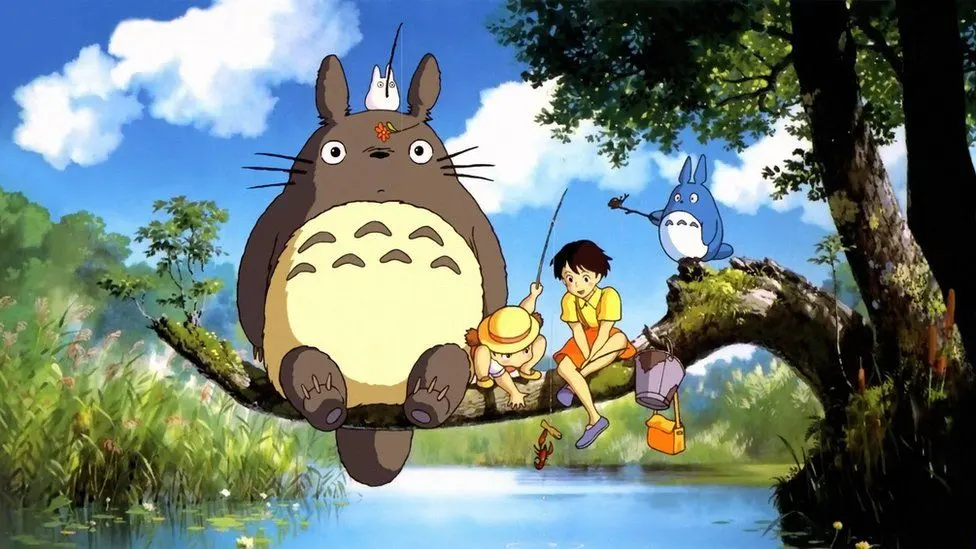
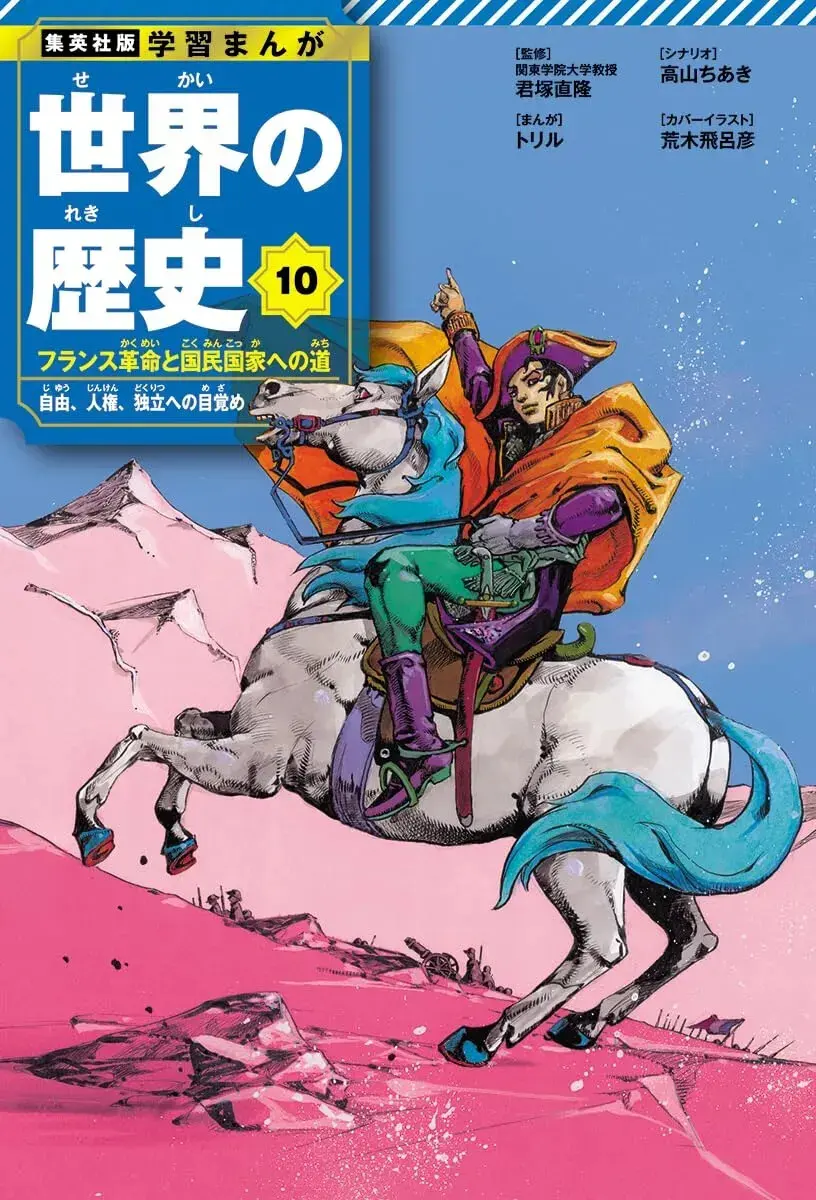
Animation styles often reflect the cultural and technological constraints of their time. For instance, the limited animation style popularized by Hanna-Barbera in the 1950s and 60s relied on reusing assets and focusing on dialogue to save costs for television budgets. Conversely, Japanese anime developed a distinct aesthetic characterized by detailed backgrounds and expressive, stylized facial features, often prioritizing atmosphere and emotional depth over frame-by-frame realism.
The diversity in style also stems from the medium's versatility. While some creators aim for hyper-realism, others embrace the "squash and stretch" principle, which exaggerates character movements to emphasize impact and weight. This flexibility allows cartoons to span genres ranging from slapstick comedy and children’s educational programming to dark, mature narratives. By manipulating physics and anatomy, animators create worlds that are limited only by the creator's imagination, allowing for visual storytelling that live-action film simply cannot replicate.
Common mistakes when starting to animate
Beginners often struggle with the technical demands of animation, frequently leading to frustration. One of the most common errors is failing to plan the timing of a movement, which results in characters that appear to float or move with unnatural, jittery speed. Another frequent mistake is neglecting the "arc" of a motion; in reality, most living things move in curved paths rather than straight lines. Ignoring these natural physics makes the animation feel stiff and mechanical.
To avoid these pitfalls, keep the following advice in mind:
- Avoid over-complicating character designs, as complex details are difficult to keep consistent across hundreds of frames.
- Do not rush the "blocking" phase, as the foundation of the movement is more important than the final rendering.
- Always perform a flip-book test to check the rhythm of the action before proceeding to clean lines.
- Remember that "less is more"—sometimes a simple, well-timed gesture is more effective than a flurry of frantic, poorly executed motion.
Key facts
- The term "cartoon" originally referred to a preparatory drawing on heavy paper for a painting or tapestry.
- Émile Cohl is often credited with creating the first animated film, Fantasmagorie, in 1908.
- Winsor McCay’s 1914 film Gertie the Dinosaur introduced the concept of a character with a distinct personality.
- Walt Disney revolutionized the medium in 1928 with Steamboat Willie, the first cartoon to feature synchronized sound.
- To create smooth motion, traditional animators draw 12 to 24 individual frames for every second of screen time.
- Avoid "jittery" animation by ensuring that the character's volume and proportions remain consistent across every frame.
The bottom line
The history of cartoons reflects a transition from static artistic sketches to a sophisticated medium of global storytelling. Through technical innovations like synchronized sound, color, and character development, animators transformed simple drawings into expressive art. Whether through early silent shorts or modern digital productions, the core principle remains the same: capturing fluid motion and personality to engage audiences through the power of visual imagination.
People also ask
What is the difference between a cartoon and an animation?
A cartoon is a specific style of art often used for satire or humor, while animation is the broader technical process of creating the illusion of movement. All traditional cartoons are animations, but not all animations are cartoons.
Who created the first cartoon character?
While earlier figures existed, Winsor McCay’s Gertie the Dinosaur is widely considered the first character to exhibit a relatable personality. This shift moved animation from a novelty act to a form of storytelling.
Why are cartoons often drawn with four fingers?
Animators originally used four fingers to save time and money during the labor-intensive hand-drawing process. It also prevented the hand from looking like a "bunch of bananas" on screen.
How do animators ensure characters move naturally?
Animators use a technique called "squash and stretch," which exaggerates the deformation of a character to convey weight and flexibility. This makes movements feel more organic and less rigid.
What was the first full-length animated feature film?
Disney’s Snow White and the Seven Dwarfs, released in 1937, was the first feature-length cel-animated film. It proved that audiences would sit through a long-form story told entirely through animation.
What is the most common mistake for beginners?
The most common error is inconsistent character proportions, which causes the drawing to "pop" or change size between frames. Using a character sheet as a reference guide is the best way to prevent this issue.
This answer was created with the help of AI research tools and reference sources. Spotted an error? Let us know — we correct mistakes quickly. See our editorial policy.