What is the difference between cartoons and anime?
Short answer
Cartoons are a broad category of animated media often aimed at children, featuring exaggerated characters and slapstick humor. Anime specifically refers to animation produced in Japan, characterized by distinct artistic styles, complex storytelling, and a diverse range of genres targeting audiences from young children to adults with sophisticated, mature themes.
On this page
What defines the difference between cartoons and anime?
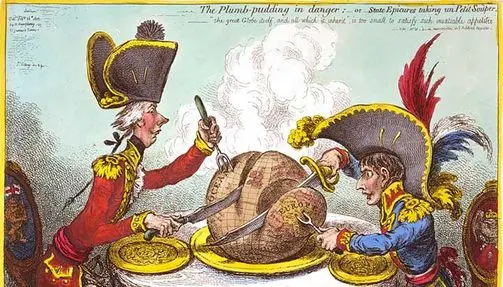
The primary distinction lies in the cultural origin and stylistic conventions of the media. "Cartoon" is a general term encompassing all animated works, including Western television shows like Looney Tunes. In contrast, "anime" is a loanword derived from the English word "animation," used exclusively in Japan to describe all animated productions. While Western animation often prioritizes fluid, squash-and-stretch motion to emphasize comedic timing, anime frequently utilizes limited animation techniques. This involves using fewer frames per second to focus on intricate background art, expressive character designs, and dramatic camera angles.
Beyond production techniques, the thematic scope differs significantly. Western cartoons have historically been categorized as children's entertainment, focusing on episodic, self-contained stories. Anime operates as a medium rather than a genre, covering everything from historical dramas and psychological thrillers to science fiction and sports. Because of this, anime is widely consumed by adults in Japan, whereas the term "cartoon" in the West still carries a strong connotation of being intended primarily for younger viewers.
How are anime and cartoons produced differently?
Production workflows reflect the unique creative priorities of their respective regions. Western animation studios often rely on a "gag-driven" approach, where the script and storyboard are developed simultaneously to maximize visual humor. Major studios like Disney or Pixar invest heavily in high-frame-rate animation to create realistic, seamless movement. This process is often collaborative and iterative, with large teams working on specific character arcs or environmental assets over several years.
Japanese anime production typically follows a more rigid, panel-based structure derived from the manga industry. Most anime series are adaptations of existing manga, which dictates the pacing and visual layout of the show. The following steps outline the standard production cycle for a typical anime project:
- Licensing and script approval based on the source manga.
- Character design and storyboard creation by the director.
- Key animation phase, focusing on the most important poses.
- In-betweening to bridge the gap between key frames.
- Compositing, sound design, and final voice acting synchronization.
Why do anime characters look so distinct?
The iconic look of anime, characterized by large eyes, colorful hair, and sharp features, was popularized by Osamu Tezuka in the 1950s. Tezuka, often called the "God of Manga," was heavily influenced by the rounded, expressive designs of early Western animation like Betty Boop and Mickey Mouse. Over decades, Japanese artists refined these traits to convey complex emotions more effectively. Large eyes allow for more detailed reflections and expressive highlights, which are essential for conveying the internal monologues common in anime storytelling.
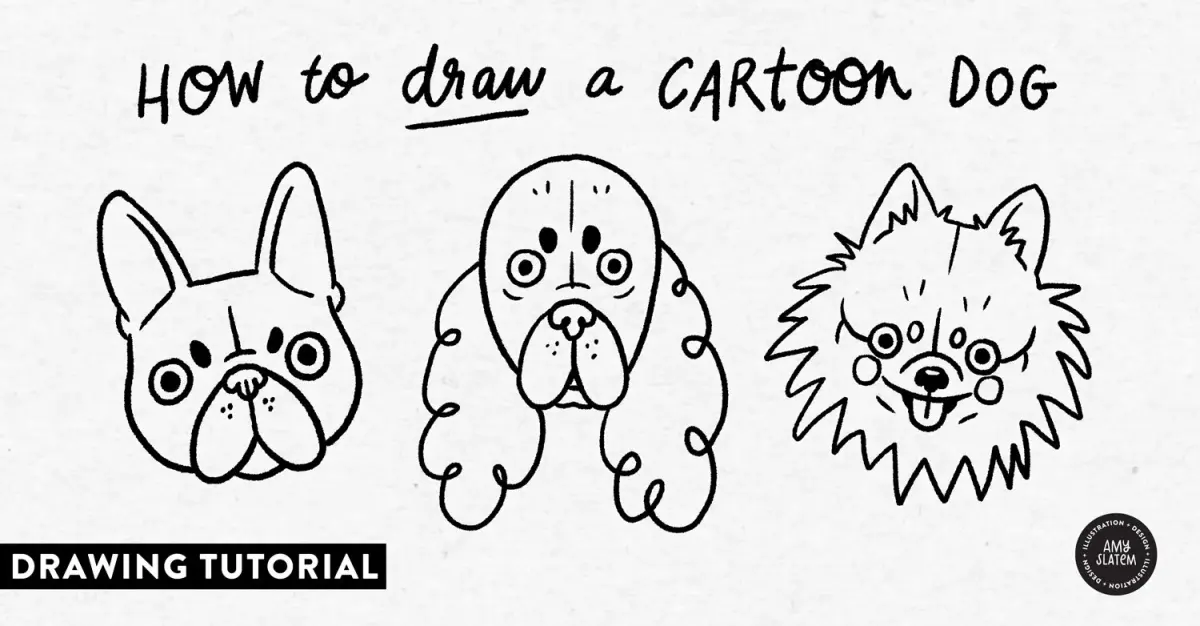
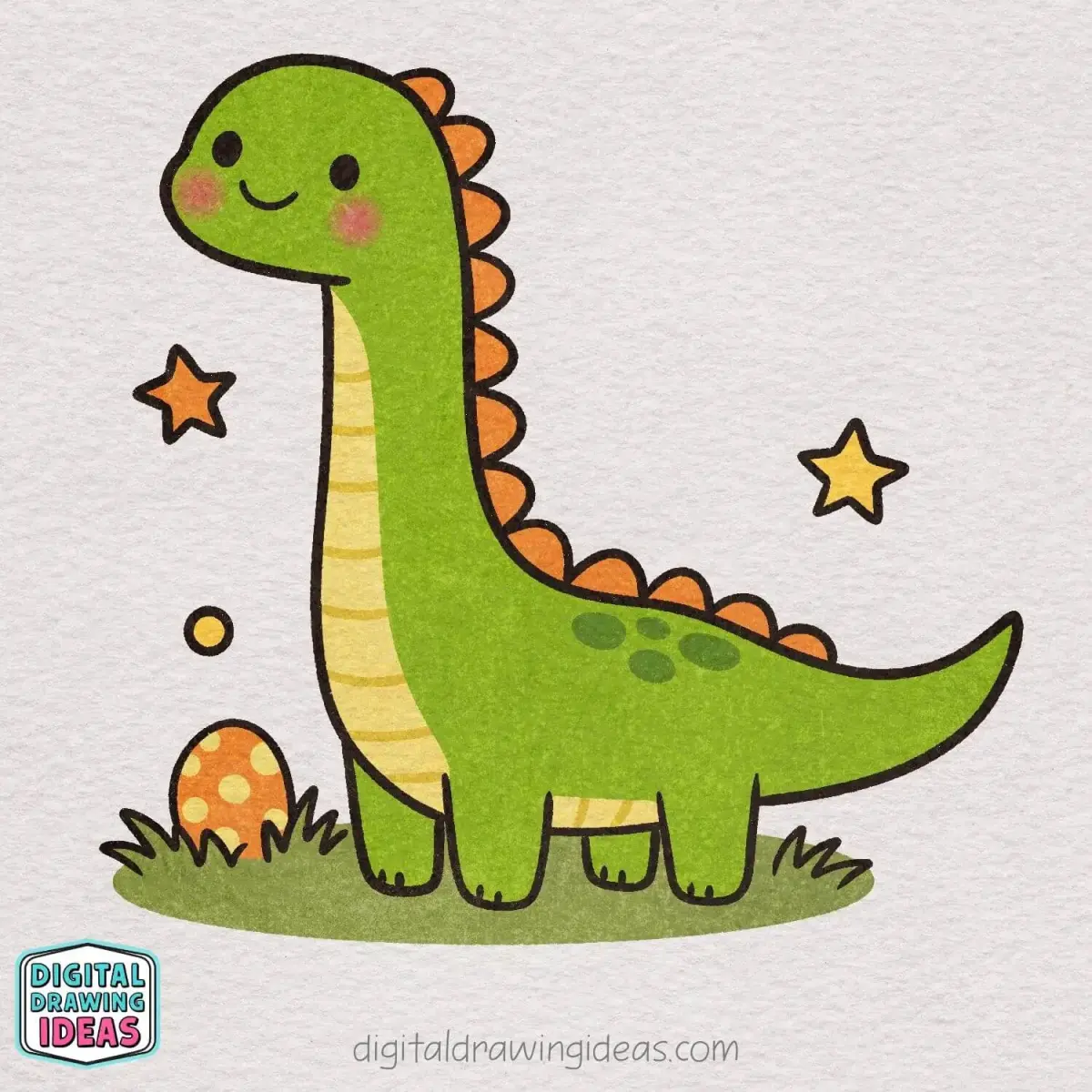
Western cartoons, conversely, often lean toward caricature and simplification. Characters are frequently designed with bold shapes—circles, squares, or triangles—to make them instantly recognizable and easy to animate in motion. While modern Western animation has incorporated more varied styles, the emphasis remains on functionality and clarity of action. Anime prioritizes the "aesthetic of the moment," where a single frame is often designed to function as a high-quality illustration, reflecting the medium's deep connection to printed manga art.
Common mistakes when classifying animation
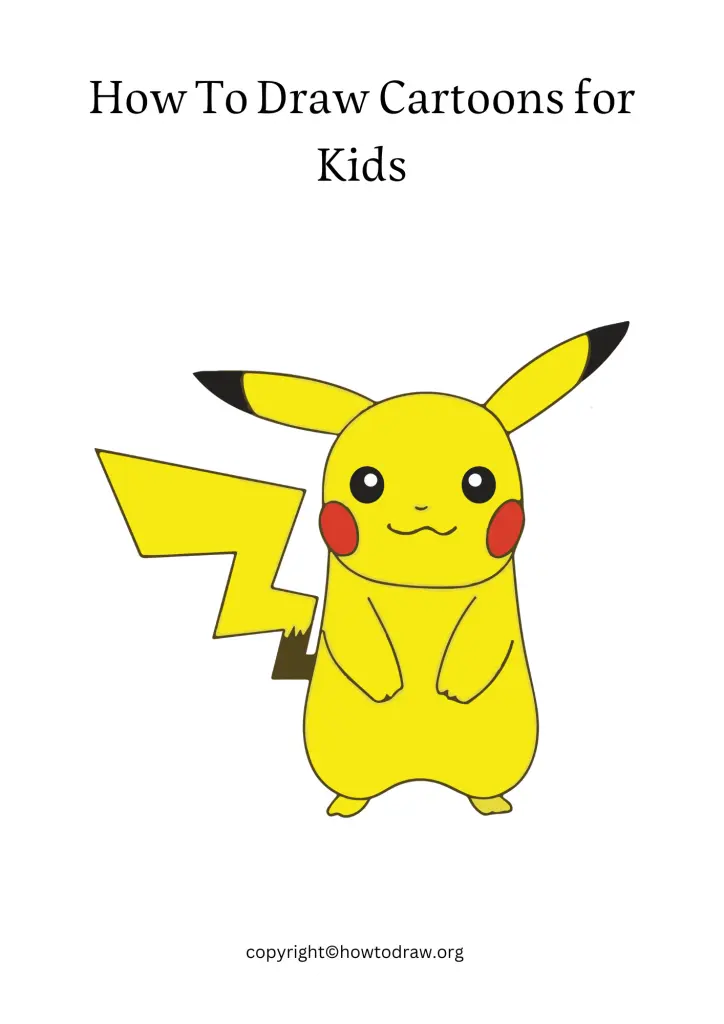
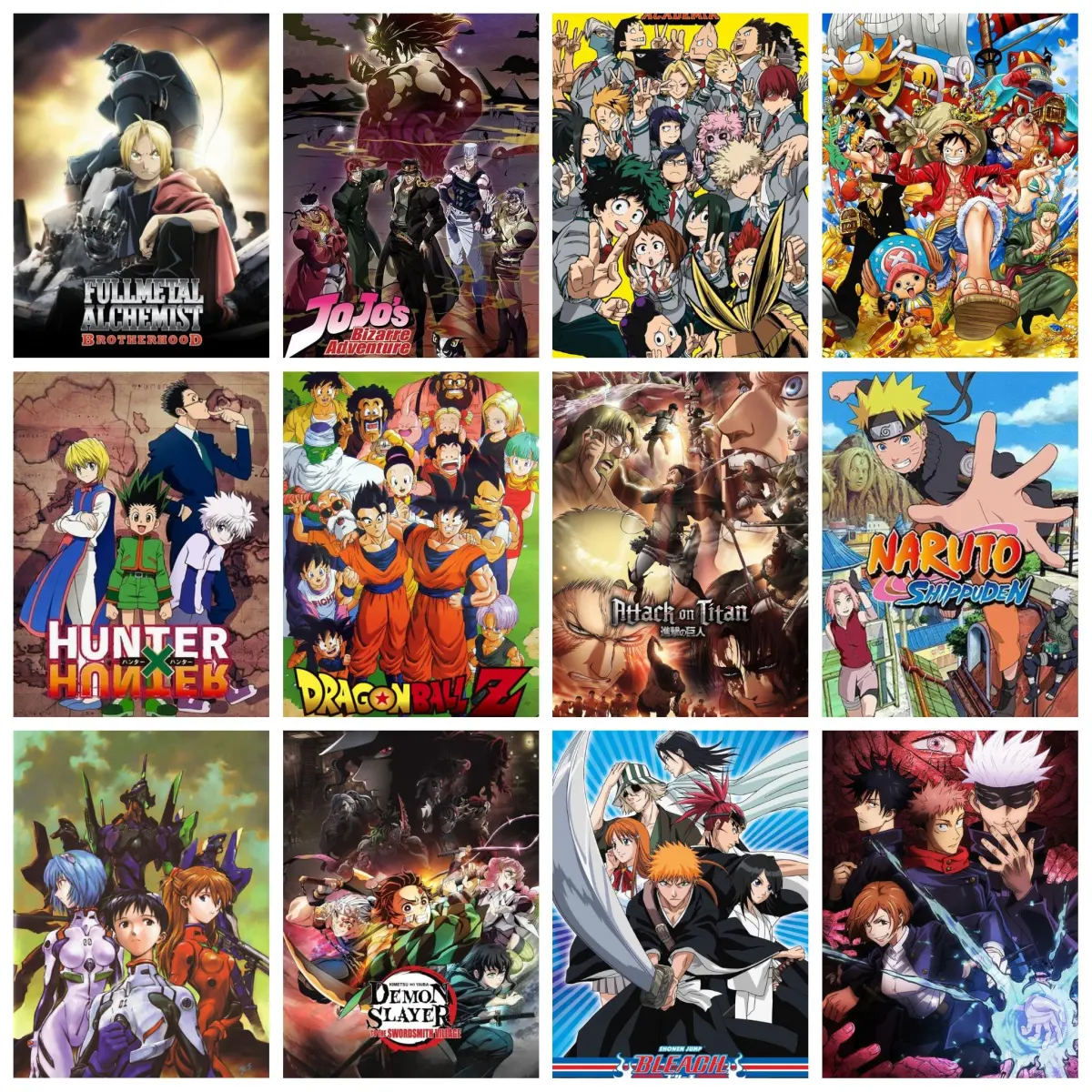
A frequent error is assuming that all anime is for children or that all cartoons are simple. Because of the global success of shows like Pokémon or Dragon Ball, many viewers mistakenly associate anime solely with action-oriented children's programs. Simultaneously, many people fail to recognize that Western animation can be just as mature as its Japanese counterpart. Shows like BoJack Horseman or Arcane demonstrate that Western animation has evolved to tackle heavy, adult-oriented subject matter, blurring the lines between traditional "cartoon" definitions and high-concept storytelling.
To avoid these misclassifications, consider these three points:
- Origin: Is the production primarily Japanese? If so, it is anime.
- Target Audience: Does the show address themes meant for adults, such as political corruption or existential dread?
- Narrative Structure: Is the show a self-contained episodic comedy or a serialized drama with a complex, multi-season plot?
By evaluating these factors, you can better understand the creative intent behind the animation regardless of its regional label.
Best genres for beginners to explore
If you are new to the differences between these mediums, start by comparing specific genres. For those interested in the depth of anime, explore the "Seinen" genre, which is specifically targeted at adult men and features mature, gritty storytelling. Conversely, if you want to understand the evolution of Western cartoons, look at the "Golden Age" of animation from the 1930s to the 1950s, which showcases the peak of traditional hand-drawn techniques.
- Watch a classic Western short, such as What's Opera, Doc?, to observe masterful comedic timing.
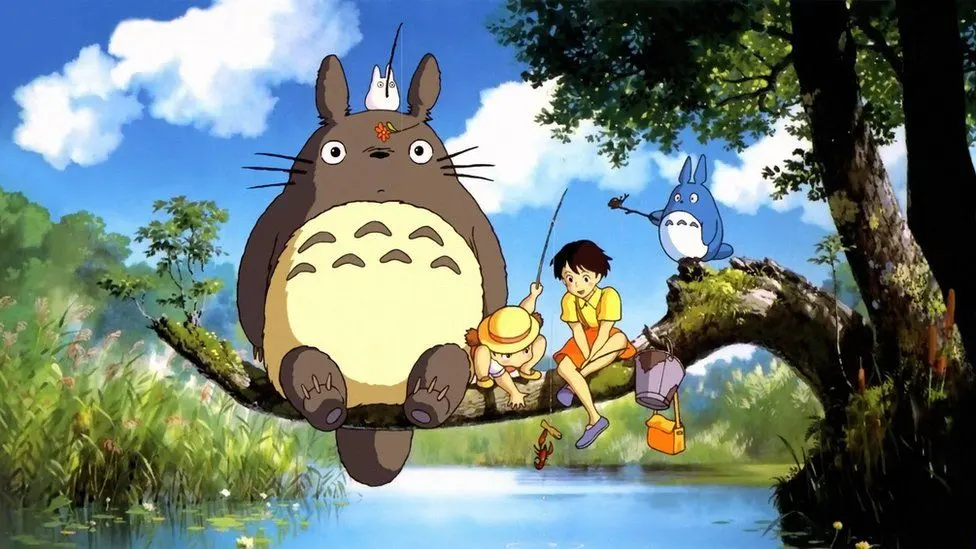
- View a critically acclaimed anime film like Spirited Away to see how atmospheric storytelling and art direction function.
- Compare the pacing of a Western sitcom-style cartoon to a serialized anime drama.
By actively observing how these two styles handle movement, dialogue, and emotional stakes, you will quickly develop an appreciation for the unique artistic contributions of both Western animation and Japanese anime. Understanding these distinctions allows for a much richer experience when viewing any animated work, as you can appreciate the specific cultural and technical choices made by the creators.
Key facts
- "Anime" is a loanword derived from the English word "animation," used in Japan to describe all animated works regardless of origin.
- Outside of Japan, the term "anime" specifically refers to animation produced in Japan, characterized by distinct aesthetic and narrative styles.
- "Cartoons" generally refers to Western animation, often produced for children, featuring exaggerated physical comedy and episodic, self-contained plots.
- Anime frequently employs a "limited animation" technique, focusing on character expression and cinematic camera angles rather than fluid, frame-by-frame movement.
- Western cartoons often prioritize fluid motion and "squash and stretch" physics, a hallmark of the style popularized by studios like Disney and Warner Bros.
- A common mistake is assuming all anime is for adults; while anime covers diverse genres, many series are specifically produced for children, such as Pokémon or Doraemon.
The bottom line
The distinction between cartoons and anime primarily rests on cultural origin and stylistic conventions rather than technical quality. While cartoons often emphasize fluid motion and slapstick humor, anime focuses on cinematic framing, intricate character development, and diverse storytelling across all age groups. Understanding these differences helps viewers appreciate the unique artistic traditions of both Western animation and the Japanese industry, allowing for a more informed viewing experience.
People also ask
Does the term "anime" only apply to Japanese animation?
In Japan, the word refers to all forms of animation. In international contexts, it is used exclusively to categorize animation produced within the Japanese industry.
Are all cartoons intended for children?
While many Western cartoons are marketed toward children, the medium includes adult-oriented shows like The Simpsons or Rick and Morty. These programs often feature complex social commentary, dark humor, and mature themes.
Why do anime characters often have large eyes?
This stylistic choice was popularized by Osamu Tezuka in the 1950s, inspired by early Western animation like Disney’s Bambi. Large eyes are used to convey a wider range of emotional depth and character personality.
Can a show be both a cartoon and an anime?
This is a matter of industry classification rather than a strict biological or technical definition. Shows like Avatar: The Last Airbender are often called "anime-influenced" because they use Japanese stylistic elements but were produced in the United States.
What is the difference between manga and anime?
Manga refers specifically to Japanese comic books or graphic novels. Anime is the animated adaptation of those stories, though many anime series are original works not based on existing manga.
Is anime considered a genre?
No, anime is a medium of expression, not a genre. Like live-action film, it encompasses every possible genre, including science fiction, romance, horror, historical drama, and sports.
This answer was created with the help of AI research tools and reference sources. Spotted an error? Let us know — we correct mistakes quickly. See our editorial policy.