How do you draw a cartoon person?
Short answer
Drawing a cartoon person involves simplifying human anatomy into basic geometric shapes like circles, ovals, and cylinders. By establishing a character’s proportions, exaggerating key features for expression, and using clean, bold lines, you can create a recognizable figure. Practice consistent construction and silhouette clarity to develop a distinct, readable cartoon style.
On this page
How to draw cartoon character proportions
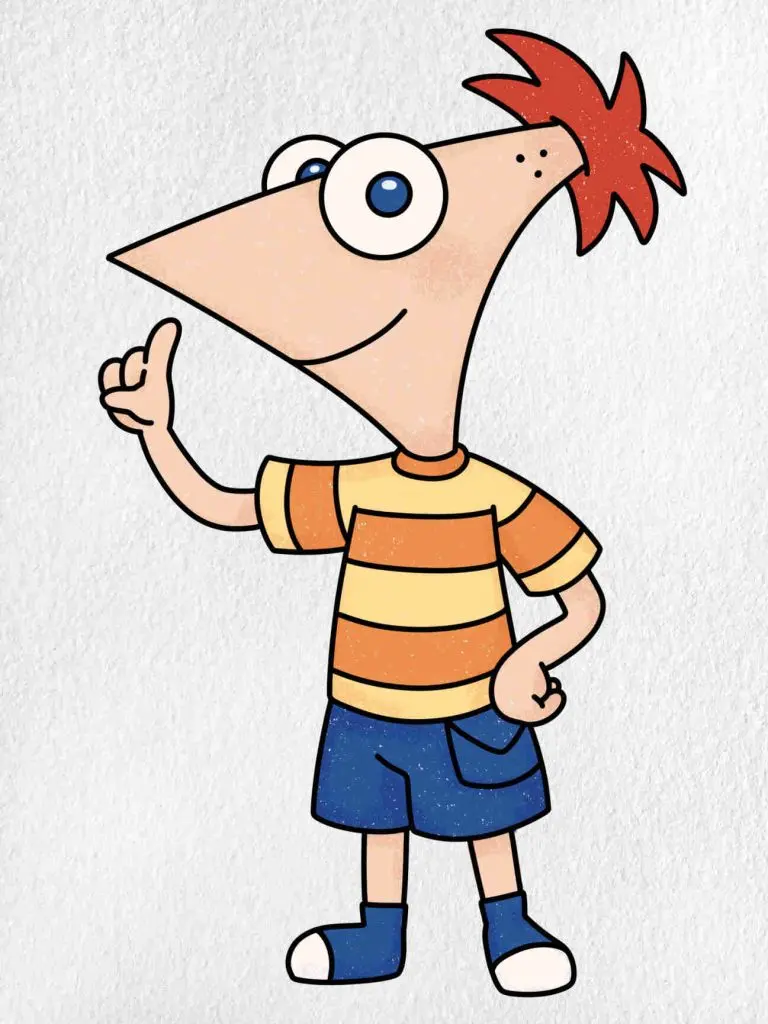
The foundation of any cartoon person is the "head count" system, which determines the character's height. Realistic humans are typically seven to eight heads tall, but cartoons often use a "chibi" or stylized ratio of two to four heads. By using the head as a unit of measurement, you ensure that the body parts remain in proportion regardless of the character's size. Start by drawing a circle for the head and then stack additional circles or ovals beneath it to map out the torso and legs.
When constructing the body, remember that cartoons rely on "squash and stretch" principles. Even in a static drawing, limbs should feel flexible rather than rigid. Use simple shapes to represent the ribcage and pelvis, connecting them with a curved spine line to suggest movement. Keeping these proportions consistent throughout your drawing process is essential for maintaining the character's identity across different poses and angles.
Best tools for cartooning beginners
For those starting out, simple graphite pencils and high-quality bond paper are the most effective tools. A 2B pencil offers a good balance between hardness and darkness, allowing for light construction lines that are easily erased. Once the sketch is complete, a fine-liner or felt-tip pen with a consistent line weight is ideal for inking. High-quality ink prevents bleeding and allows for crisp, clean outlines that define the character's silhouette.
Digital tools have also become standard for modern cartoonists. Tablets combined with software like Clip Studio Paint or Procreate offer layers, which allow you to separate your rough sketches from your final line art. Regardless of the medium, the focus should remain on line quality and clarity. Beginners should prioritize these materials:
- A set of drawing pencils ranging from HB to 4B.
- A kneaded eraser for lifting graphite without damaging the paper surface.
- Smooth-finish bristol board or heavy-weight sketchbook paper.
- Pigment-based ink pens that resist smudging when erased.
How to draw expressive cartoon faces
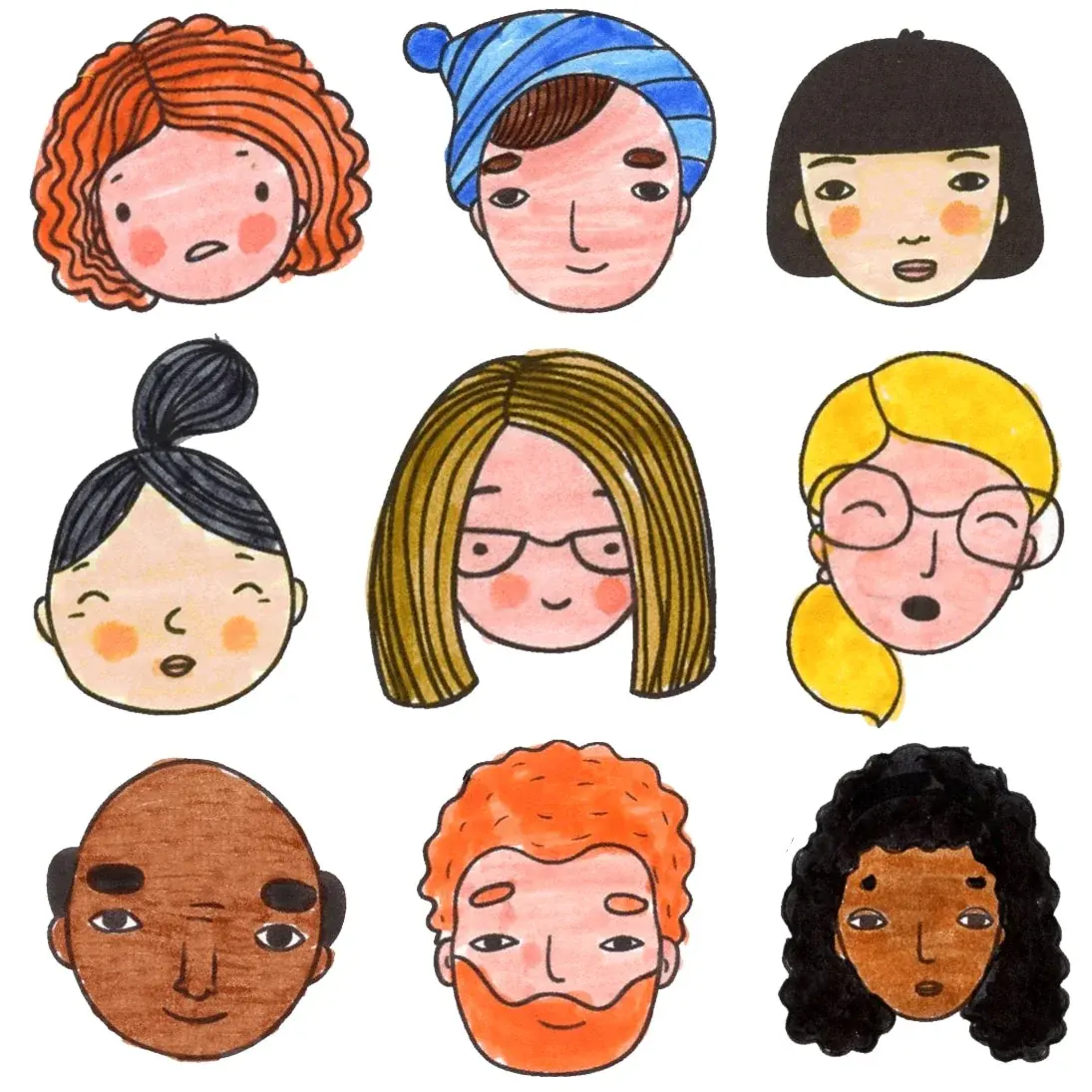
The face is the most important part of a cartoon character, as it communicates emotion to the audience. To draw a face, start with a basic circle and add a crosshair to determine where the eyes and nose will sit. In cartoons, eyes are often oversized to convey personality and focus. Experiment with the shape of the eyebrows and the curve of the mouth to create a wide range of expressions, from joy to frustration.
When designing facial features, remember that simplicity is your greatest asset. A single curved line can represent a smile, while two dots or small circles work perfectly for eyes. Avoid over-detailing, as too many lines can make a cartoon character look cluttered or stiff. Focus on the silhouette of the head shape, as a unique head shape—such as a square, pear, or triangle—often tells the viewer more about the character's personality than the facial features themselves.
Common mistakes when drawing cartoons
One of the most frequent errors is "tangent" lines, where two separate lines touch or overlap in a way that creates visual confusion. For example, if the edge of a character's arm perfectly aligns with the edge of their torso, the two shapes merge, making the drawing look flat. Always ensure that overlapping shapes are clearly distinct to maintain depth. Another common mistake is inconsistent line weight, which makes a drawing look amateurish and difficult to read.
Other pitfalls involve ignoring the "line of action." This is an imaginary line that runs through the character's body, dictating their pose and energy. If your character looks stiff, it is likely because the line of action is straight or missing entirely. To avoid these issues, follow these steps:
- Sketch a flowing, curved line of action before drawing any body parts.
- Check your drawing in a mirror to spot anatomical errors or confusing overlaps.
- Vary your line thickness, using thicker lines for outer contours and thinner lines for internal details.
- Simplify complex anatomy into basic cylinders to avoid awkward joint placement.
How to develop a unique cartoon style
Developing a personal style is a gradual process that involves observing the world and simplifying what you see. Start by sketching real people, then identify which features you want to exaggerate. If you admire a specific artist, analyze how they handle hands, feet, or hair, but do not simply copy their work. Instead, incorporate those techniques into your own workflow until they feel natural. Style is essentially the sum of the shortcuts and simplifications you choose to make.
Consistency is the ultimate test of a style. Once you have settled on a look, try drawing your character in ten different poses to see if they still look like the same person. If the character changes too much, refine your "character sheet," which serves as a reference guide for your character's proportions and key features. By practicing daily and refining your approach, you will eventually create a visual language that is uniquely yours and instantly recognizable to your audience.
Key facts
- Start with a simple circle for the head and a vertical center line to establish the character's facial orientation.
- Use the "rule of thirds" for the face: place the eyes on the horizontal midline, the nose at the one-third mark below, and the mouth at the two-thirds mark.
- Simplify the body into basic geometric shapes like cylinders for limbs and ovals for the torso to maintain consistent proportions.
- Exaggerate features like eyes or hands to express personality, as cartooning relies on caricature rather than anatomical realism.
- Keep lines clean and confident by using long, sweeping strokes rather than short, sketchy marks that create a "fuzzy" look.
- Practice "line of action" by drawing a single curved line through the center of the body to give your character a sense of movement.
The bottom line
Drawing a cartoon person is an exercise in simplification and exaggeration. By breaking complex human anatomy into basic geometric shapes and focusing on expressive facial features, you can create memorable characters. Remember to prioritize the line of action to give your figures energy. With consistent practice and a focus on clean, intentional linework, you will develop a unique style that effectively communicates personality and movement.
People also ask
How do I make my cartoon characters look more expressive?
Focus on the eyebrows and the shape of the mouth. Tilting the eyebrows toward the nose creates anger or concern, while arching them upward suggests surprise or joy.
What is the best way to draw hands for a cartoon?
Simplify hands into a mitten shape first, then define the fingers. Many cartoonists use four fingers instead of five to avoid visual clutter and maintain a stylized look.
Should I use a pencil or a pen for my first drawings?
Start with a light-lead mechanical pencil for sketching your construction lines. Once the proportions are correct, use a fine-liner pen to trace the final outline and erase the pencil marks.
How do I choose a consistent style for my characters?
Choose a specific "shape language." Characters built from circles look friendly and soft, while those built from sharp triangles or squares often appear more aggressive or rigid.
How can I improve my character's posture?
Avoid drawing characters standing perfectly straight. Introduce a slight bend in the knees or a tilt in the shoulders to make the pose feel natural and dynamic.
How much detail should I include in a cartoon?
Less is usually more. Focus on the silhouette; if your character is recognizable by its outline alone, you have successfully balanced detail and simplicity.
This answer was created with the help of AI research tools and reference sources. Spotted an error? Let us know — we correct mistakes quickly. See our editorial policy.