How do you draw a cartoon dinosaur?
Short answer
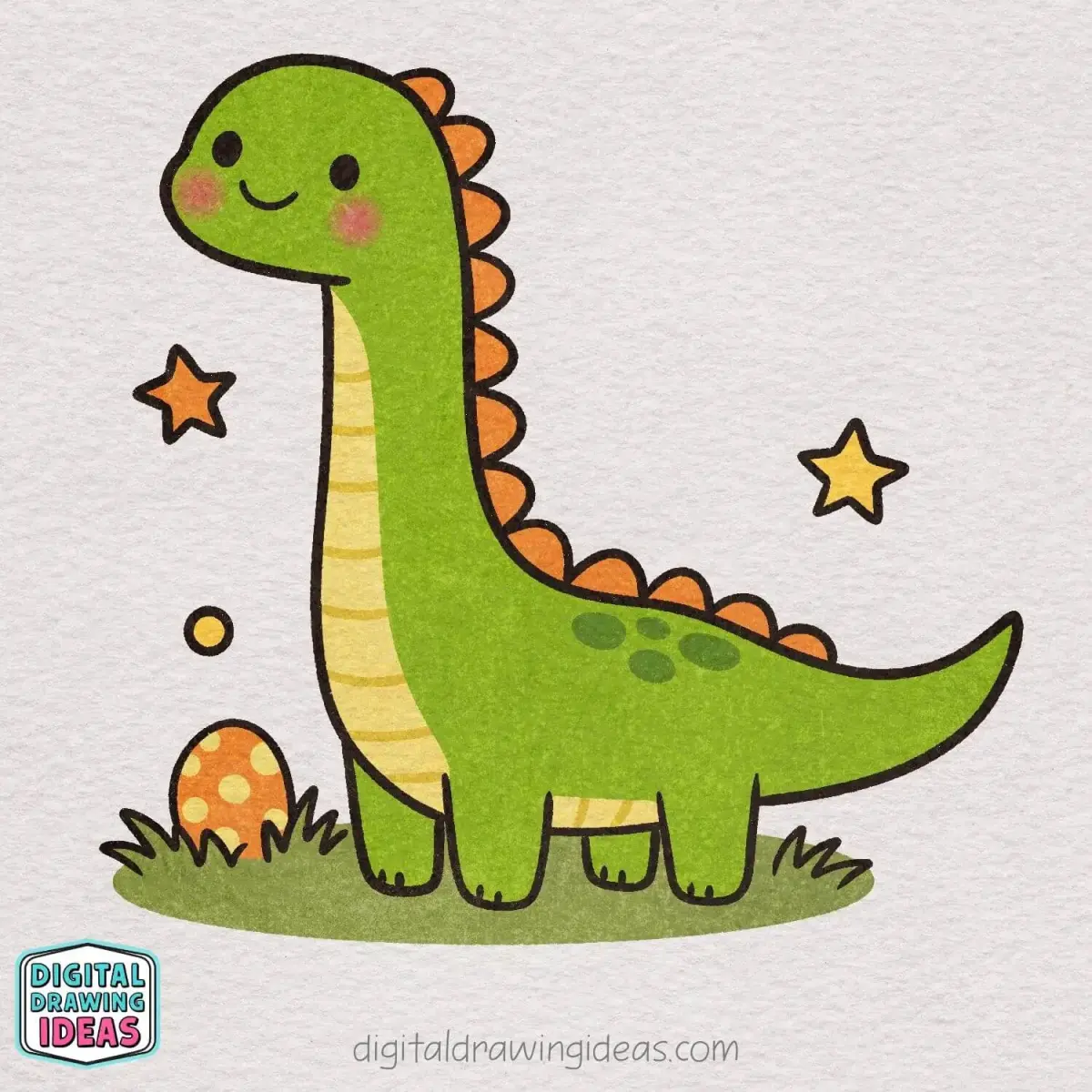
Drawing a cartoon dinosaur involves simplifying complex prehistoric anatomy into basic geometric shapes like circles, ovals, and triangles. By emphasizing exaggerated features such as large eyes, expressive brows, and rounded limbs, you create a character that is visually appealing and recognizable. Focus on clear silhouettes and fluid lines to define the creature’s personality.
On this page
How to sketch basic dinosaur shapes
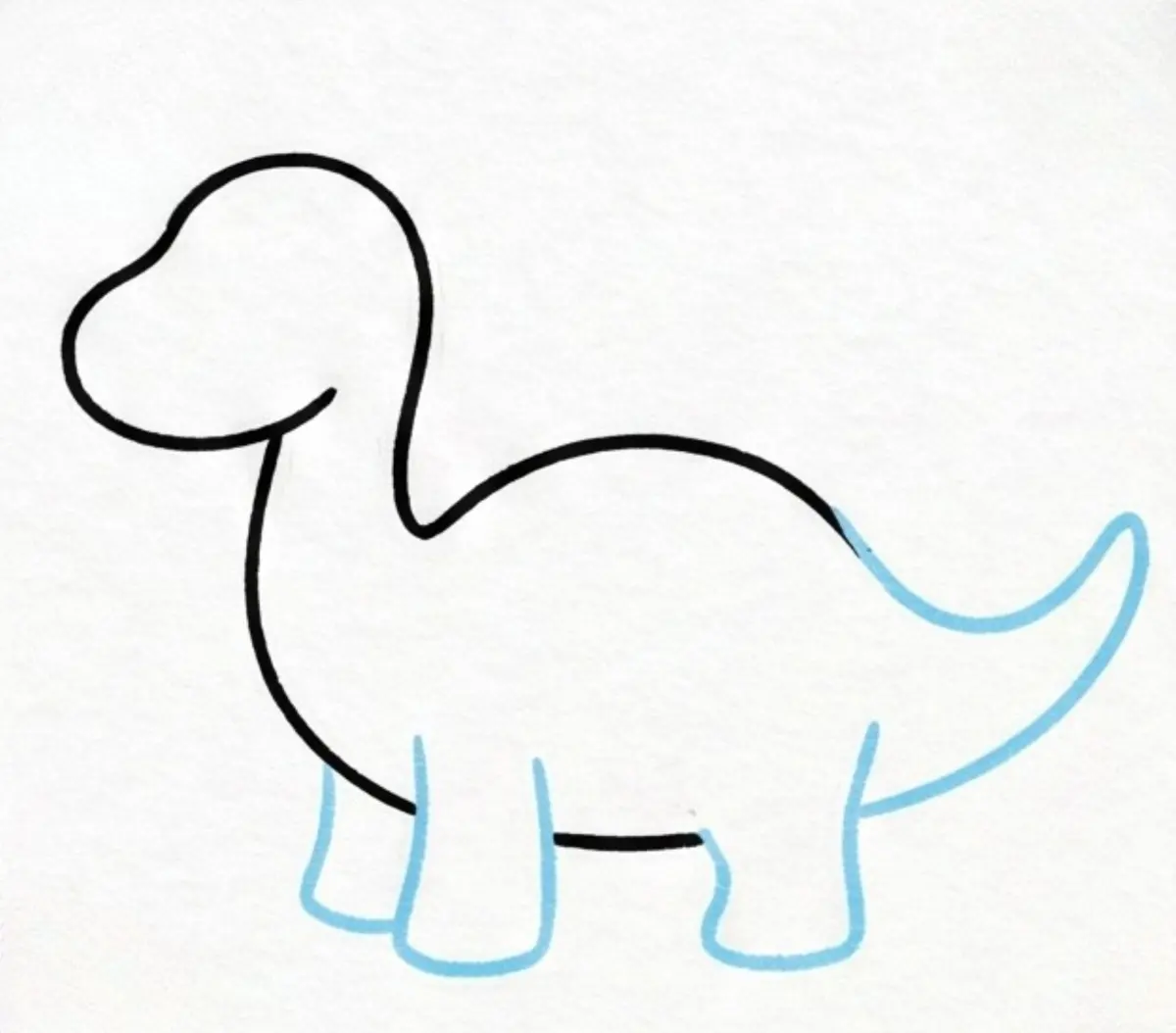
To begin your cartoon dinosaur, start by breaking down the anatomy into simple, manageable forms. Most dinosaurs can be constructed using a large oval for the body and a smaller circle for the head. Connect these shapes with a curved line to represent the neck and spine, which establishes the creature's posture. Whether you are drawing a long-necked sauropod or a bipedal theropod, these foundational shapes provide the framework for your character.
Once the basic structure is set, add limbs using cylinders or rounded rectangles. For a cartoon style, keep these appendages slightly stubby to enhance the "cute" factor. Avoid making the joints too sharp, as rounded edges are essential for a friendly, approachable look. You can refine these shapes by following these steps:
- Sketch a large, horizontal oval for the torso.
- Place a smaller circle above one end for the skull.
- Draw two thick, pill-shaped legs beneath the torso for stability.
- Add a long, tapering tail shape to provide balance to the silhouette.
How to add personality to cartoon dinosaurs
The secret to a successful cartoon dinosaur lies in the facial features, which communicate emotion and character. Start by placing large, expressive eyes near the front of the head. Adding thick, arched eyebrows can instantly make your dinosaur look surprised, angry, or curious. A wide, toothy grin or a small, rounded snout will further define the personality, moving the drawing away from a scientific reconstruction toward a lively character.
Consider the species you are depicting and exaggerate its most iconic traits. For a Stegosaurus, make the plates along its back larger and more colorful than they would be in nature. For a Triceratops, simplify the frill into a distinct, shield-like shape. By focusing on these specific features, you ensure the audience immediately recognizes the dinosaur type while still enjoying the artistic flair of your cartoon design.
Best tools for drawing dinosaurs
For beginners, a standard graphite pencil and a high-quality eraser are the most effective tools. Using a light-grade pencil, such as an HB or 2B, allows you to sketch your initial shapes without pressing too hard, making them easier to erase later. Once the structure is finalized, you can use a fine-liner pen or a marker to trace your clean lines and add depth to the drawing.
Digital drawing tablets are also excellent for those looking to experiment with color and layering. Software like Procreate or Adobe Fresco offers "onion skinning" features that help with character consistency. Regardless of the medium, the quality of your drawing depends more on your understanding of form than the cost of your equipment. Focus on practicing these essential techniques:
- Use light, sweeping motions for initial sketches to keep the lines fluid.
- Vary the thickness of your final outlines to create visual interest.
- Keep a reference image of a real dinosaur skeleton nearby to understand basic proportions.
Why proportions matter in character design
In cartooning, proportions are often deliberately skewed to create a specific aesthetic. A common technique is the "chibi" style, where the head is drawn significantly larger than the body to emphasize innocence. However, even with these exaggerations, maintaining a sense of balance is vital. If the head is too large without a thick neck to support it, the character may look structurally weak or unintentionally awkward.
Observe how professional animators balance these proportions by keeping the center of gravity consistent. If your dinosaur is standing on two legs, ensure the tail is long enough to act as a counterweight. If you are drawing a quadruped, ensure the legs are spaced in a way that suggests the animal could actually stand. These subtle nods to realistic anatomy prevent your cartoon from looking like a shapeless blob and give it a believable, grounded presence.
Common mistakes when drawing dinosaurs
One of the most frequent errors is adding too much detail, which can clutter the design and make it difficult to read. Cartooning is about simplification; if you draw every individual scale or tooth, the character loses its charm and becomes overly busy. Stick to clean, bold lines and use color or shading to imply texture rather than drawing every single detail. This approach keeps the character iconic and memorable.
Another mistake is neglecting the silhouette. A well-designed cartoon character should be recognizable even if it were filled in completely with black. If your character’s pose is too static or its limbs overlap in a confusing way, the silhouette will be muddy. Always check your work by squinting at the page to see if the primary shapes are distinct. By avoiding these pitfalls and focusing on clear, expressive forms, you will create a dinosaur that feels alive and full of personality.
Key facts
- Start by sketching a large oval for the body and a smaller circle for the head to establish basic proportions.
- Use simple geometric shapes like triangles for teeth and spikes to add character without overcomplicating the design.
- Connect the head to the body with two curved lines to create a neck, ensuring it looks sturdy.
- Keep the limbs short and thick if drawing a Tyrannosaurus rex, or long and slender for a Gallimimus.
- Add a large, heavy tail to act as a counterbalance, which is a hallmark of most bipedal dinosaur anatomy.
- Use bold, clean outlines to define the silhouette, as cartooning relies on clarity rather than complex shading.
The bottom line
Drawing a cartoon dinosaur is an exercise in simplifying complex biology into recognizable shapes. By focusing on a strong silhouette, proper limb placement, and expressive facial features, you can create a character that feels alive and distinct. Practice by breaking down real dinosaur anatomy into basic circles and rectangles, then refine those forms with clean, bold lines to achieve a professional and charming cartoon aesthetic.
People also ask
What is the most important feature to include for a recognizable dinosaur?
The tail is essential for balance and silhouette. Even in a cartoon style, a long, tapering tail helps viewers immediately identify the creature as a dinosaur rather than a generic monster.
Should I draw dinosaur scales in a cartoon?
Avoid drawing every individual scale, as this creates visual clutter. Instead, suggest texture by adding a few small marks or dots along the edges of the body.
How do I make a cartoon dinosaur look friendly?
Use large, round eyes and curved, soft lines for the mouth. Adding a slight smile and avoiding sharp, jagged edges makes the character appear approachable.
What is the best way to draw dinosaur feet?
Draw them as rounded stumps or simple three-toed shapes. Keeping the feet blocky helps the character look grounded and stable on the page.
How do I choose a color palette for my dinosaur?
While scientists suggest many dinosaurs had earthy tones, cartoons allow for creative freedom. Use bright, contrasting colors to make your character stand out and convey personality.
Why do my cartoon dinosaurs look like lizards?
This often happens when the legs are drawn sprawling out to the sides. Remember that dinosaurs generally had legs positioned directly underneath their bodies, similar to birds or mammals.
This answer was created with the help of AI research tools and reference sources. Spotted an error? Let us know — we correct mistakes quickly. See our editorial policy.