What is cartooning?
Short answer
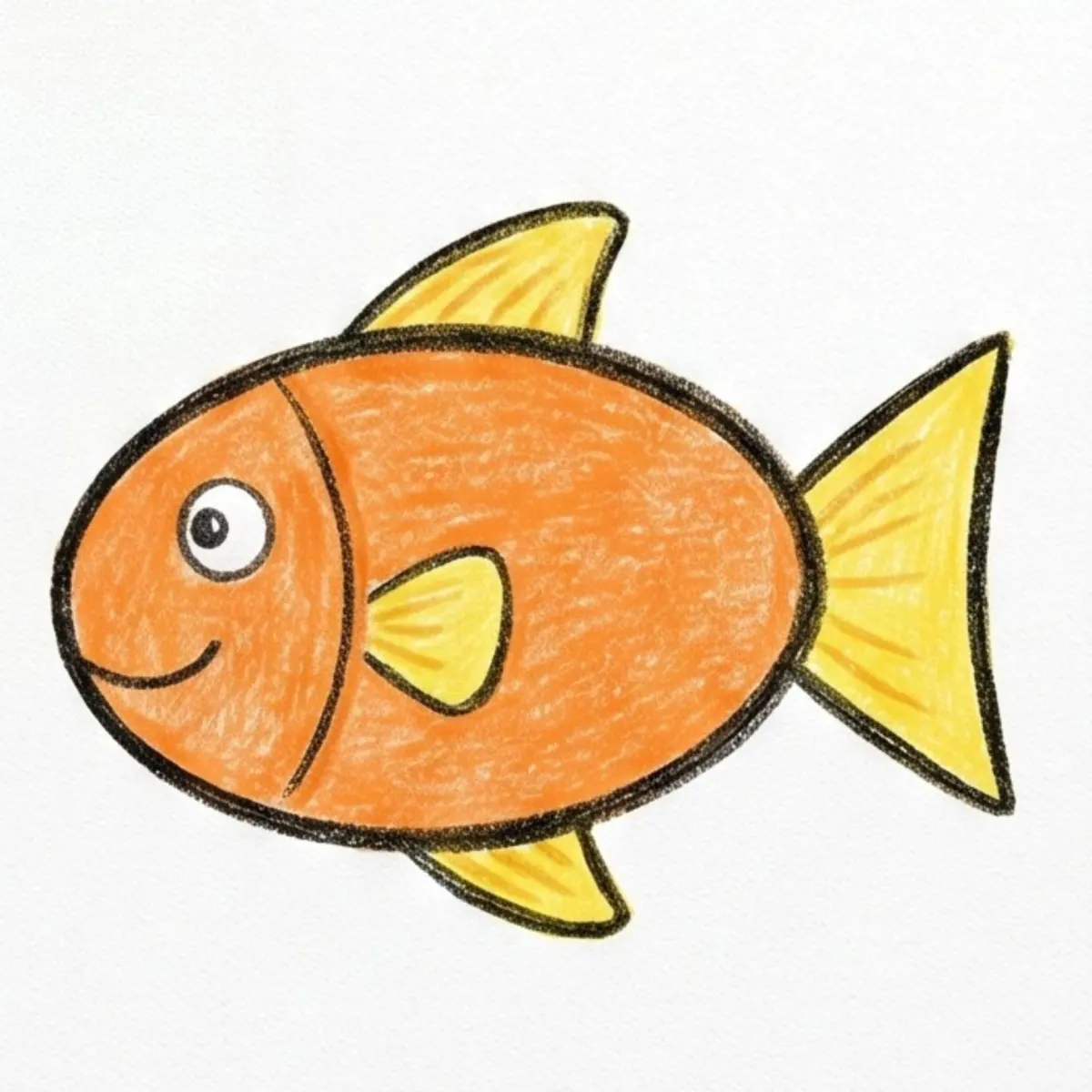
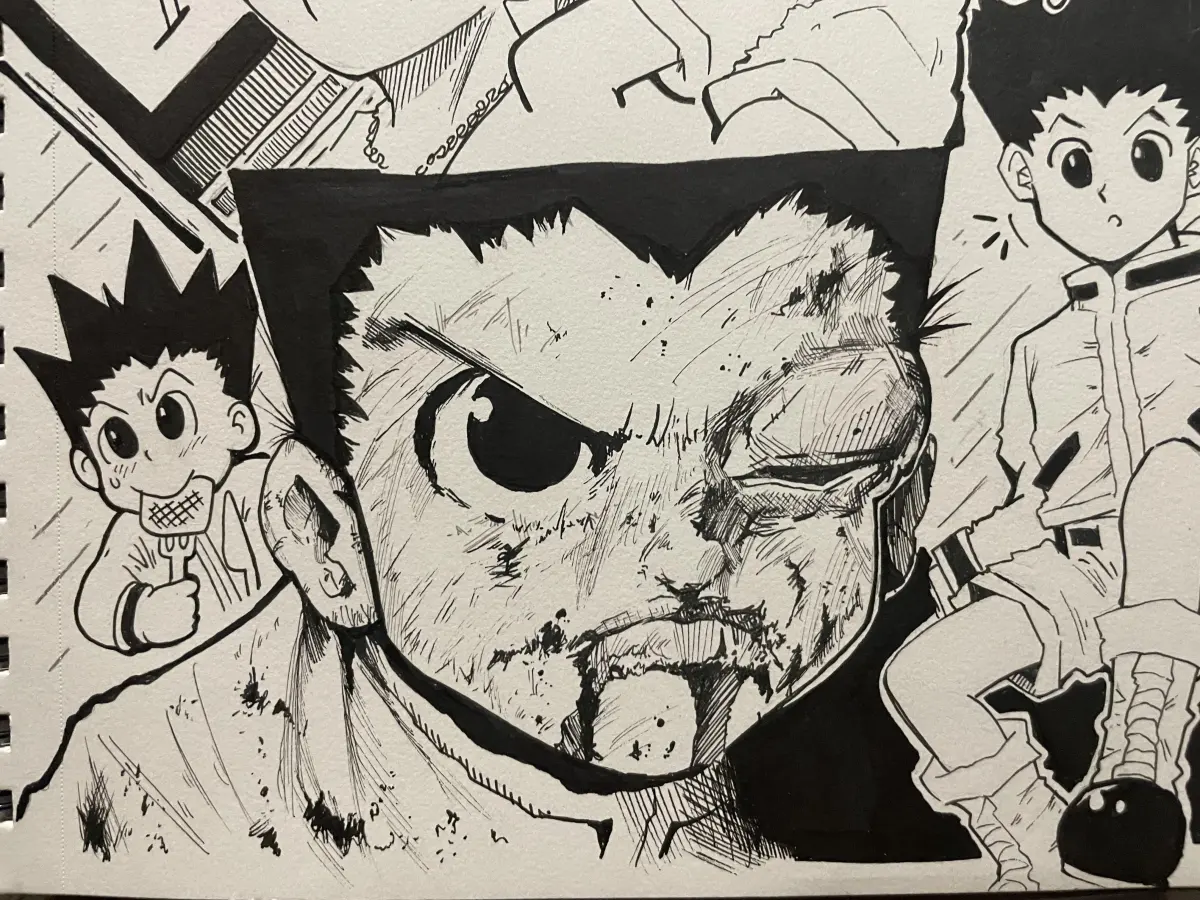
Cartooning is the art of creating stylized, simplified drawings that convey narrative, humor, or social commentary. It encompasses various formats, including single-panel gags, multi-panel comic strips, political cartoons, and animated storyboards. By exaggerating physical features and distilling complex ideas into visual shorthand, cartoonists communicate universal human experiences through accessible, expressive imagery.
On this page
What is the history of cartooning?
The term "cartoon" originally referred to a preparatory drawing for a finished work of art, such as a tapestry or fresco. In the mid-19th century, the British magazine Punch popularized the term to describe satirical illustrations, shifting its meaning toward the humorous social commentary we recognize today. This evolution transformed cartooning from a technical drafting stage into a distinct medium of journalism and entertainment.
Key milestones in the development of the medium include the introduction of the newspaper comic strip in the late 1890s, with Richard F. Outcault’s The Yellow Kid often cited as a foundational work. By the early 20th century, syndicated strips like Krazy Kat and Little Nemo in Slumberland established the visual language of sequential storytelling. Today, cartooning spans digital webcomics, graphic novels, and editorial illustrations, maintaining its role as a powerful tool for visual communication.
How to get started with cartooning
Becoming a cartoonist requires a balance of observational skill and the ability to simplify reality. You do not need to be a hyper-realistic painter; instead, you must learn to identify the most recognizable features of your subject and emphasize them. Focus on character design and consistency before attempting complex backgrounds or long-form narratives.
- Gather basic tools: a sketchbook, a set of fine-liner pens, and a graphite pencil.
- Practice "gesture drawing" to capture movement and energy in a few quick lines.
- Study anatomy, then learn how to distort it for comedic or dramatic effect.
- Experiment with different facial expressions to understand how small changes in eyes and mouths communicate emotion.
- Create a simple character sheet showing your subject from the front, side, and three-quarter view.
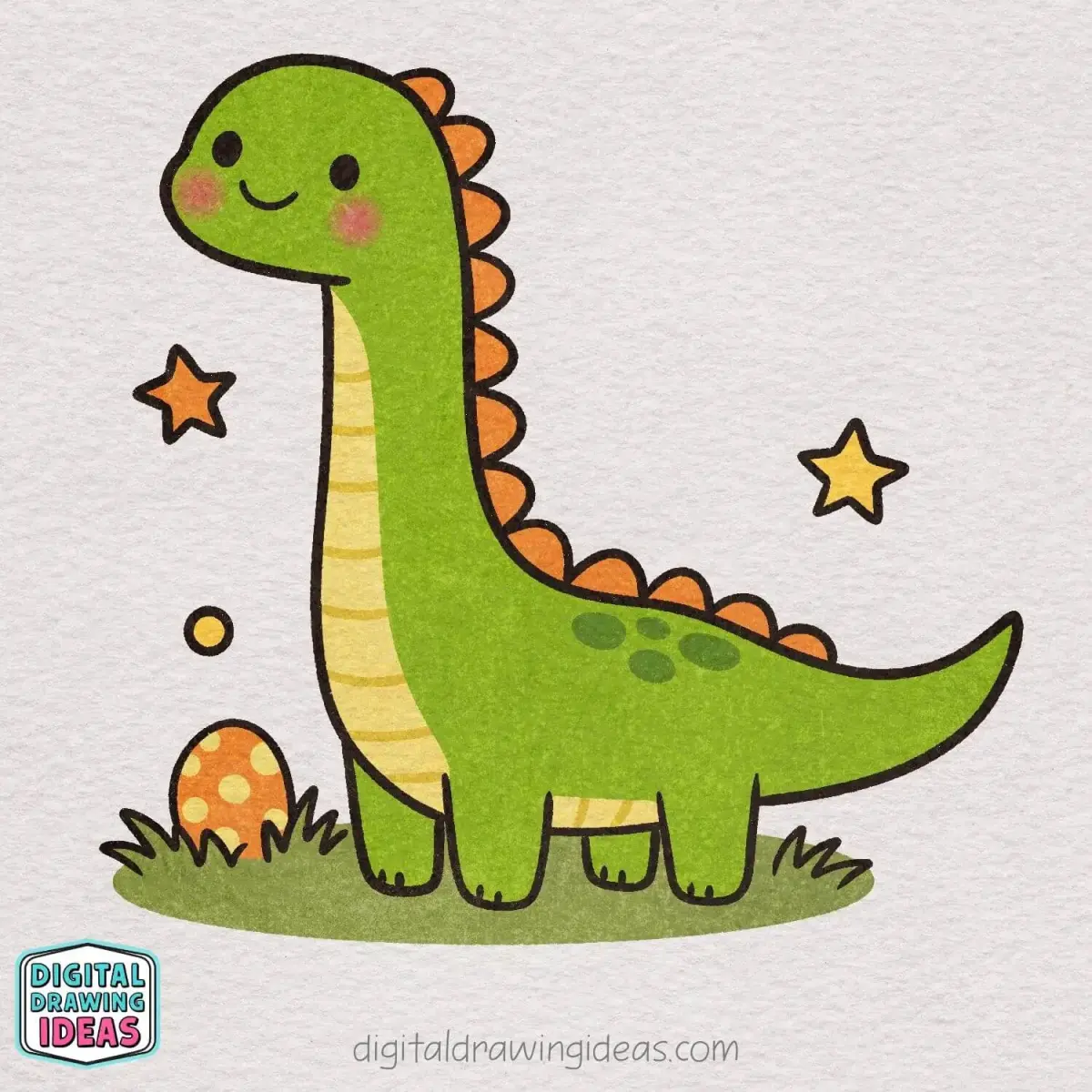
Consistency is the most important element for beginners. Dedicate time to daily sketching, even if it is only for fifteen minutes. By focusing on simple shapes—circles, squares, and triangles—you can build any character or object.
Why exaggeration is essential in cartoons
Exaggeration, or caricature, is the heart of effective cartooning. It allows the artist to strip away unnecessary detail, focusing the viewer’s attention on the traits that define a character’s personality or role. A large nose might suggest curiosity, while drooping shoulders can instantly convey defeat or exhaustion without needing a single word of dialogue.
When you exaggerate, you are essentially creating a visual shorthand. This technique helps the audience identify characters immediately, which is crucial in sequential storytelling where characters appear in multiple frames. To master this, try identifying one specific trait in a person or object and pushing it to its logical extreme. If a character is angry, do not just draw a frown; consider how their eyebrows, posture, and even their clothing might react to that specific emotion. This process of selective distortion is what separates a generic drawing from a memorable cartoon.
Common mistakes when drawing cartoons
Many beginners fall into the trap of over-detailing their work, which can lead to cluttered panels that are difficult to read. A common mistake is failing to establish a clear "line of action," which is the imaginary line that runs through a character’s body to dictate their movement. Without a strong line of action, characters appear stiff and lifeless, losing the dynamic energy that defines the medium.
Another frequent error is inconsistent character design. If a character’s proportions change drastically from one panel to the next, the reader becomes confused and disconnected from the narrative. To avoid this, keep a reference sheet nearby while you work. Additionally, avoid using too many lines to describe a form. In cartooning, less is often more; if a single, clean arc can define a cheekbone, do not add five extra lines that only serve to muddy the visual clarity of the image.
Best tools for professional cartoonists
While traditional media remains popular, many modern cartoonists have shifted toward digital workflows to improve efficiency and speed. Digital tablets and software like Clip Studio Paint or Procreate offer features such as layers, which allow artists to separate sketches, inks, and colors. These tools are invaluable for professional deadlines, as they allow for quick revisions without the need to restart an entire page.
- Traditional ink pens (such as G-nibs or brush pens) for high-contrast, expressive line work.
- Bristol board paper, which is smooth and durable enough to handle heavy inking without bleeding.
- Digital graphics tablets for precision control and non-destructive editing.
- Light boxes for tracing and cleaning up rough pencil sketches into final ink versions.
Choosing the right tools depends on your personal style and workflow preferences. Some artists prefer the tactile resistance of paper, while others prioritize the versatility of digital layers. Regardless of the medium, the fundamental principles of composition, pacing, and character design remain the core of the cartoonist’s craft.
Key facts
- Cartooning is a form of visual communication that uses simplified, exaggerated, or stylized drawings to convey ideas, humor, or social commentary.
- The term originally referred to a full-scale preparatory drawing for a work of art, such as a fresco or tapestry, before the 19th century.
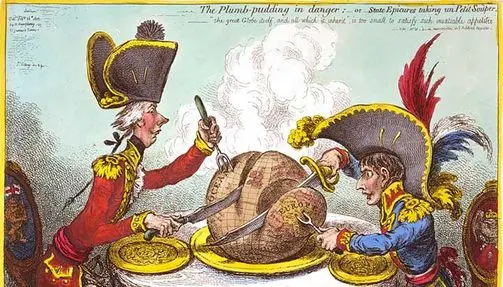
- Political cartoons, which emerged in the 18th century with artists like James Gillray, use satire to critique government policies and public figures.
- Modern comic strips typically follow a three-panel structure to establish a setup, a development, and a punchline.
- Consistency in character design is achieved by creating "model sheets" that show a character from various angles and with different expressions.
- A common mistake for beginners is over-detailing; effective cartooning relies on clean, bold lines that remain legible at small sizes.
The bottom line
Cartooning is a powerful medium that blends artistic skill with storytelling to distill complex ideas into accessible visual narratives. By focusing on simplified shapes, bold lines, and clear character expressions, you can effectively communicate humor or social critique. Whether creating a single-panel gag or a sequential comic strip, the core of successful cartooning lies in the clarity of your message and the consistency of your design.
People also ask
What is the difference between a cartoon and an illustration?
An illustration is generally intended to clarify or decorate a text, often with realistic or detailed rendering. A cartoon prioritizes simplification and exaggeration to emphasize expression or narrative impact.
Do I need to be a great artist to start cartooning?
No, cartooning is rooted in the clarity of the idea rather than technical realism. You only need to master basic shapes and clear line work to communicate your message effectively.
What are the essential tools for a cartoonist?
Traditional cartoonists typically use pencils for sketching, archival-quality ink pens for outlining, and high-quality bristol board paper. Digital artists use graphic tablets and software that mimic these traditional line weights and textures.
How do I develop a unique cartooning style?
Style emerges from the consistent repetition of specific artistic choices, such as line thickness, shading techniques, and character proportions. Study various artists, then consciously choose which elements of their work you want to incorporate into your own.
Why is "white space" important in a cartoon?
White space, or negative space, prevents the image from looking cluttered and directs the viewer's eye to the focal point. Proper use of empty space ensures the joke or narrative remains the primary focus.
How can I make my characters more expressive?
Focus on the eyebrows and the shape of the mouth, as these are the most effective indicators of human emotion. Slightly exaggerating these features beyond reality often makes the character's mood immediately recognizable to the reader.
This answer was created with the help of AI research tools and reference sources. Spotted an error? Let us know — we correct mistakes quickly. See our editorial policy.