What is storyboarding?
Short answer
Storyboarding is a visual planning technique that uses a sequence of drawings or images to map out a narrative, video, or project flow. By outlining key scenes chronologically, creators can preview the structure, timing, and composition of their work before production begins, effectively bridging the gap between a written script and final execution.
On this page
What is the purpose of storyboarding?
The primary function of a storyboard is to serve as a visual blueprint for any time-based medium. By translating abstract ideas into concrete visual frames, creators can communicate their vision to a team, ensuring everyone understands the pacing and visual style. This process acts as a bridge between the initial concept and the actual production phase, saving significant time and resources.
Beyond simple communication, storyboarding allows for critical experimentation without the high costs of filming or rendering. It helps identify potential narrative gaps, awkward transitions, or logistical issues that might not be apparent in a text-based script. In industries ranging from film and animation to advertising and software design, this planning stage is essential for maintaining consistency and clarity throughout the development cycle.
How to create a storyboard for beginners
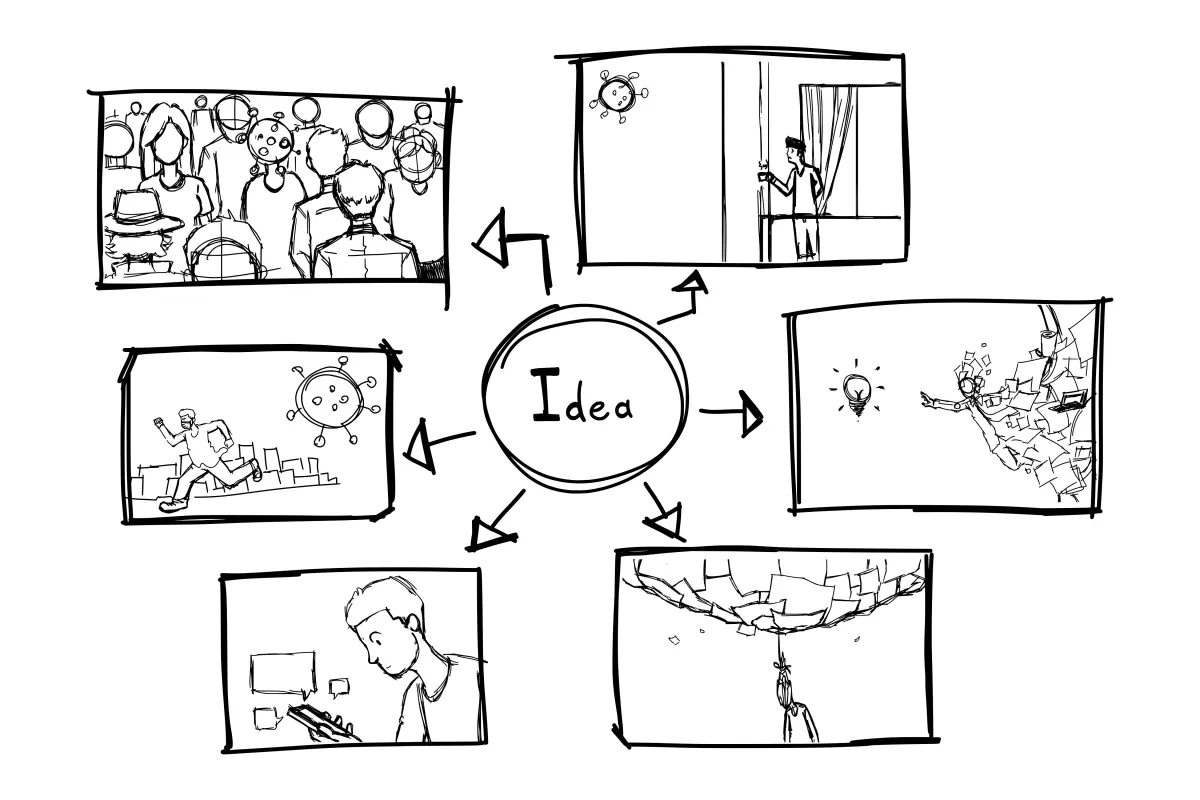
Creating a storyboard does not require professional artistic skills; it primarily requires clear communication of your intent. You can use simple sketches, stick figures, or even digital templates to represent your ideas. The goal is to capture the essence of each scene rather than producing a finished work of art.
- Define your narrative arc by breaking your script into key moments or "beats."
- Sketch the main action for each beat, focusing on the subject's position and the framing of the shot.
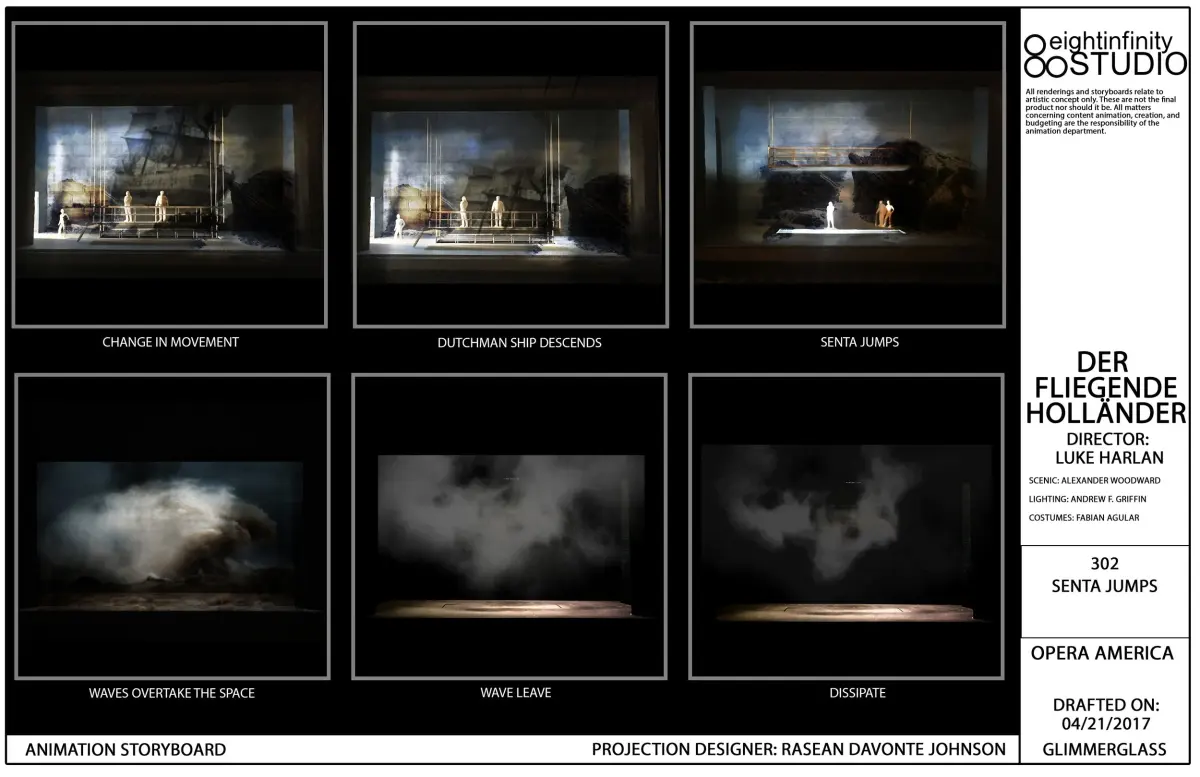
- Add notes beneath each frame to describe camera movements, dialogue, or sound effects.
- Review the sequence to ensure the flow feels logical and the pacing remains consistent.
- Adjust the order of frames or add new ones if the narrative feels rushed or confusing.
Why do professionals use storyboards?
Professional productions rely on storyboards to manage complex logistics and coordinate large teams. In live-action filmmaking, a storyboard helps the director and cinematographer align on camera angles, lighting setups, and lens choices before arriving on set. This preparation minimizes downtime, as the crew knows exactly what is required for each shot, preventing costly delays during production.
In animation and game design, storyboards are even more critical because every frame must be created from scratch. By defining the visual path early, animators avoid wasting time on scenes that do not contribute to the overall story. This methodical approach ensures that the final product remains within budget and hits all necessary narrative milestones.
- Improved collaboration between directors, artists, and editors.
- Precise estimation of production time and resource requirements.
- Clear identification of technical challenges before they become expensive problems.
- Enhanced ability to pitch concepts to stakeholders or investors.
Common mistakes when storyboarding
One of the most frequent errors is becoming too focused on artistic detail rather than the narrative flow. Spending hours on a single frame distracts from the overall structure, which is the actual purpose of the exercise. If the sequence of events does not make sense, the quality of the drawings will not save the final product.
Another common mistake is failing to include necessary technical notes. A beautiful drawing is useless if the editor or camera operator does not understand the intended motion or duration of the shot. Always include specific instructions regarding camera pans, zooms, and transitions to ensure your vision is executed correctly during the production phase.
- Over-detailing individual frames at the expense of the overall project flow.
- Ignoring the importance of camera movement and shot framing.
- Failing to synchronize the visual sequence with the script or audio.
- Skipping the "rough draft" phase and attempting to finalize designs too early.
How long does it take to storyboard?
The time required to complete a storyboard varies significantly based on the complexity and length of the project. A simple commercial or short social media video might be storyboarded in a single afternoon, while a feature-length film or a complex animation sequence can take weeks or even months. Factors such as the number of characters, the environment, and the level of detail required for each frame will dictate the timeline.
To manage your time effectively, start by creating a "thumbnail" storyboard. These are small, quick sketches that focus solely on composition and sequence. Once the basic structure is approved, you can decide which frames require more detail. This iterative process allows you to stay on schedule while ensuring that the most important visual elements are fully realized before moving into the final production phase.
Key facts
- Storyboarding is a visual planning technique that uses a series of drawings or images to map out a narrative sequence.
- Walt Disney Productions is credited with popularizing the modern storyboard in the 1930s, notably for the film Snow White and the Seven Dwarfs.
- Each panel in a storyboard represents a single shot or a key action, helping creators visualize pacing and camera angles.
- A standard storyboard includes annotations for dialogue, sound effects, and camera movement to provide context for the visual frames.
- Professional storyboards often use a template of rectangular boxes, known as frames, arranged in a grid or linear sequence.
- The primary goal of storyboarding is to identify potential plot holes or logistical issues before costly production begins.
The bottom line
Storyboarding is an essential pre-production tool that bridges the gap between a written concept and the final visual execution. By organizing ideas into a sequential series of frames, creators can refine pacing, camera work, and narrative flow. This practical process minimizes errors, saves time during production, and ensures that all team members share a unified vision, ultimately leading to a more polished and coherent final result.
People also ask
Do I need to be a skilled artist to create a storyboard?
No, you do not need professional drawing skills. Simple stick figures, basic shapes, and clear arrows indicating movement are sufficient to communicate your vision to a team.
How detailed should each frame be?
Focus on the essential action and composition rather than artistic detail. A frame should clearly show who is in the scene, where they are, and what they are doing.
What is the difference between a storyboard and a script?
A script provides the written dialogue and narrative structure, while a storyboard translates those words into visual cues. They function together as a blueprint for the final product.
Can storyboards be used for projects other than movies?
Yes, storyboards are widely used in advertising, video game design, software development, and even business presentations. They are effective for any project that involves a sequence of events.
What is the most common mistake when storyboarding?
The most common error is failing to map out camera angles and transitions. Without these, the storyboard acts more like a static comic strip than a functional plan for motion.
How many frames should a typical storyboard have?
There is no set number, as it depends entirely on the length and complexity of your project. A short commercial might require only 10 frames, while a feature film could require hundreds.
This answer was created with the help of AI research tools and reference sources. Spotted an error? Let us know — we correct mistakes quickly. See our editorial policy.