What is the history of painting?
Short answer
Painting is the application of pigments to a surface to create representational or abstract images. Its history spans tens of thousands of years, evolving from prehistoric cave art to sophisticated contemporary expressions. This medium has served as a primary tool for documenting human culture, religious devotion, political power, and personal introspection throughout time.
On this page
How did painting begin in prehistoric times?
The earliest known paintings date back over 40,000 years to the Upper Paleolithic period. Ancient humans utilized natural pigments like ochre, hematite, and charcoal mixed with binders such as animal fat or water. These works were primarily found deep within caves, such as those at Lascaux in France and Altamira in Spain. The subjects were almost exclusively animals, including bison, horses, and deer, which likely held significant spiritual or totemic importance for these early hunter-gatherer societies.
These artists demonstrated a remarkable understanding of form and movement by incorporating the natural contours of cave walls into their compositions. They often used hand stencils as a signature, blowing pigment over their hands to leave a lasting mark. This era established the foundational human impulse to externalize the internal world through visual representation. While these images were not intended as art in the modern sense, they represent the dawn of symbolic communication and the beginning of the human artistic legacy.
How did painting evolve during the Renaissance?
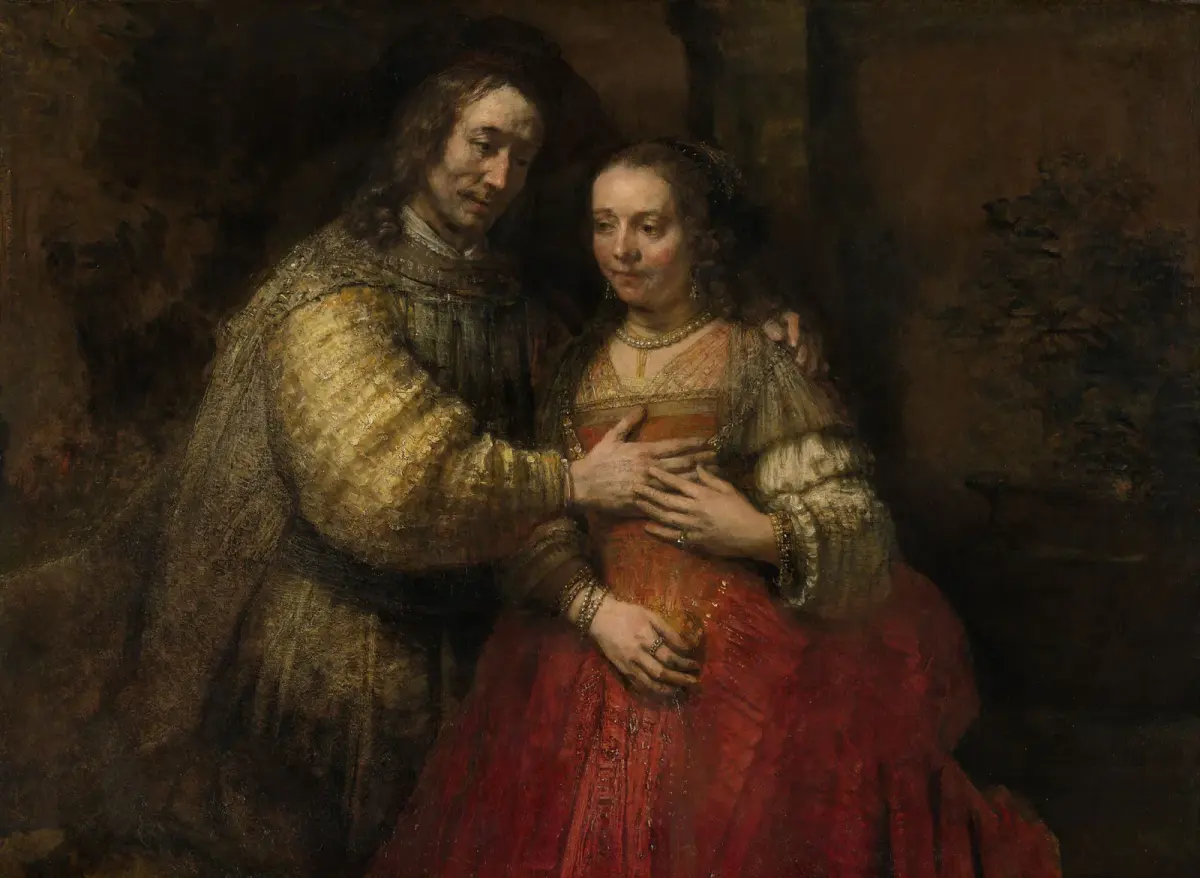
The Renaissance, spanning roughly the 14th to the 17th century, marked a radical shift toward realism and humanism. Artists like Leonardo da Vinci, Michelangelo, and Raphael moved away from the stylized, flat imagery of the Middle Ages. They pioneered techniques such as linear perspective, which allowed for the creation of three-dimensional depth on a two-dimensional surface. This period also saw the widespread transition from egg tempera to oil paints, which allowed for smoother blending and richer color saturation.
The mastery of light and shadow, known as chiaroscuro, became a hallmark of the era, adding drama and volume to figures. Painters began to focus on anatomical accuracy and the psychological complexity of their subjects. Key developments during this time included:
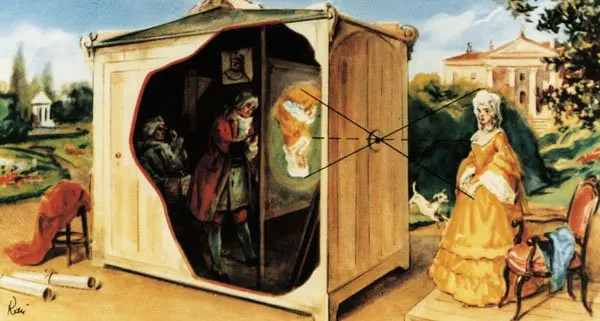
- The invention of the camera obscura to assist with perspective.
- The use of canvas as a primary support instead of wood panels.
- The rise of portraiture as a way to document individual status and personality.
These advancements transformed the painter from a mere craftsman into a respected intellectual and cultural figure.
Why did modern painting styles change so rapidly?
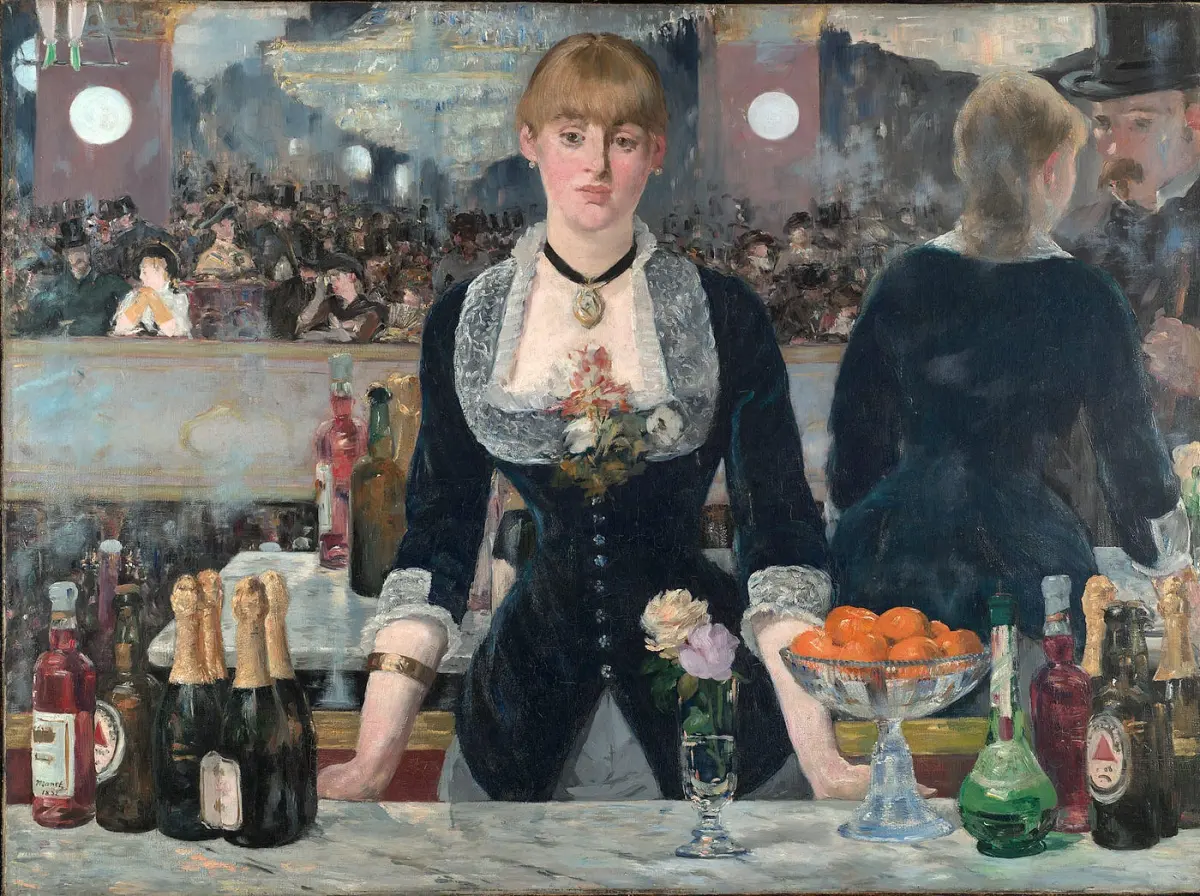
In the late 19th and early 20th centuries, the invention of photography fundamentally altered the purpose of painting. Since cameras could capture reality with precision, painters were liberated to explore subjective experience, emotion, and abstraction. Movements like Impressionism, led by artists such as Claude Monet, prioritized the fleeting effects of light over rigid detail. This paved the way for Expressionism, Cubism, and Surrealism, where artists distorted form and color to convey inner states of mind rather than external appearances.
The rapid succession of these movements reflected the turbulent social and technological changes of the modern age. Artists began to question the very nature of the medium, experimenting with non-representational forms and unconventional materials. This era emphasized the individual vision of the artist above all else. By the mid-20th century, Abstract Expressionism had pushed the boundaries further, focusing on the physical act of painting itself. This shift solidified the idea that a painting could be an autonomous object, independent of any reference to the natural world.
Common mistakes when starting to paint
For beginners, the most frequent error is overworking the paint, which leads to muddy colors and lost texture. It is essential to understand the "fat over lean" principle in oil painting, which dictates that layers with more oil should be applied over layers with less oil to prevent cracking. Another common mistake is neglecting the quality of brushes and surfaces. Using low-quality synthetic brushes or unprimed canvases often leads to frustration and poor results that do not reflect the artist's true potential.
To improve your practice, follow these fundamental steps:
- Prepare your surface properly with gesso to prevent the paint from soaking into the fibers.
- Limit your initial color palette to a few primary colors to learn how to mix effectively.
- Establish your composition with a light wash or sketch before applying thick paint.
- Clean your brushes thoroughly after every session to maintain their shape and longevity.
Avoiding these pitfalls allows for a more controlled and enjoyable creative process.
What is the future of painting today?
Contemporary painting is characterized by a pluralistic approach that draws from the entire history of the medium. Today, artists frequently combine traditional techniques with digital tools, found objects, and mixed-media installations. There is a renewed interest in figurative painting, which explores themes of identity, globalization, and social justice. The medium continues to adapt, proving that it remains a vital and relevant way to process the complexities of the human condition in a saturated, screen-driven world.
The future of the craft lies in the balance between honoring historical techniques and embracing new conceptual frameworks. As global perspectives broaden, the canon of painting is becoming more inclusive, incorporating diverse cultural narratives that were previously marginalized. Whether through the revival of classical realism or the exploration of digital-physical hybrids, painting remains an essential human endeavor. It continues to provide a unique, tactile, and deeply personal space for dialogue between the creator and the viewer, ensuring its endurance for centuries to come.
Key facts
- The oldest known cave paintings, found in Indonesia, date back approximately 45,500 years.
- Renaissance artists shifted from egg-based tempera to oil paints in the 15th century for richer colors.
- The invention of portable metal paint tubes in 1841 allowed Impressionists to paint outdoors.
- A common beginner mistake is using too much water with acrylics, which weakens the binder and makes the paint peel.
- To prevent muddy colors, always clean your brush thoroughly between mixing different hues on your palette.
- Proper canvas preparation with gesso is essential to prevent paint from soaking into and rotting the fabric fibers.
The bottom line
The history of painting is a continuous evolution of materials and techniques, moving from ancient cave pigments to modern synthetic mediums. Whether working with oils or acrylics, the core principles of surface preparation, color theory, and brush control remain vital. By understanding these fundamentals and avoiding common technical errors, you can develop the skills necessary to express your creative vision on canvas with confidence and precision.
People also ask
What is the difference between oil and acrylic paint?
Oil paint dries very slowly, allowing for extensive blending and layering over several days. Acrylic paint is water-based and dries rapidly, making it convenient for quick projects but harder to blend seamlessly.
How do I choose the right brush for my painting?
Use soft synthetic brushes for acrylics and natural hair brushes for oils. Flat brushes are best for covering large areas, while round brushes are ideal for fine details and lines.
Why does my painting look dull after it dries?
This is often caused by "sinking in," where the oil or binder is absorbed by an unprimed surface. Applying a coat of varnish once the painting is fully cured will restore the intended color depth.
What is the purpose of a primer or gesso?
Gesso creates a barrier between the paint and the support, such as canvas or wood. It prevents the paint from damaging the surface and provides a slightly textured "tooth" for better adhesion.
How can I fix a mistake in an oil painting?
Because oil paint stays wet for a long time, you can simply scrape the wet paint off with a palette knife. If the paint is already dry, you can paint over the area once the layer is stable.
What are the primary colors in painting?
In traditional subtractive color mixing, the primary colors are red, yellow, and blue. By mixing these in various proportions, artists can create almost any other color on the spectrum.
Read the full answer →This answer was created with the help of AI research tools and reference sources. Spotted an error? Let us know — we correct mistakes quickly. See our editorial policy.