What is the history of oil painting?
Short answer
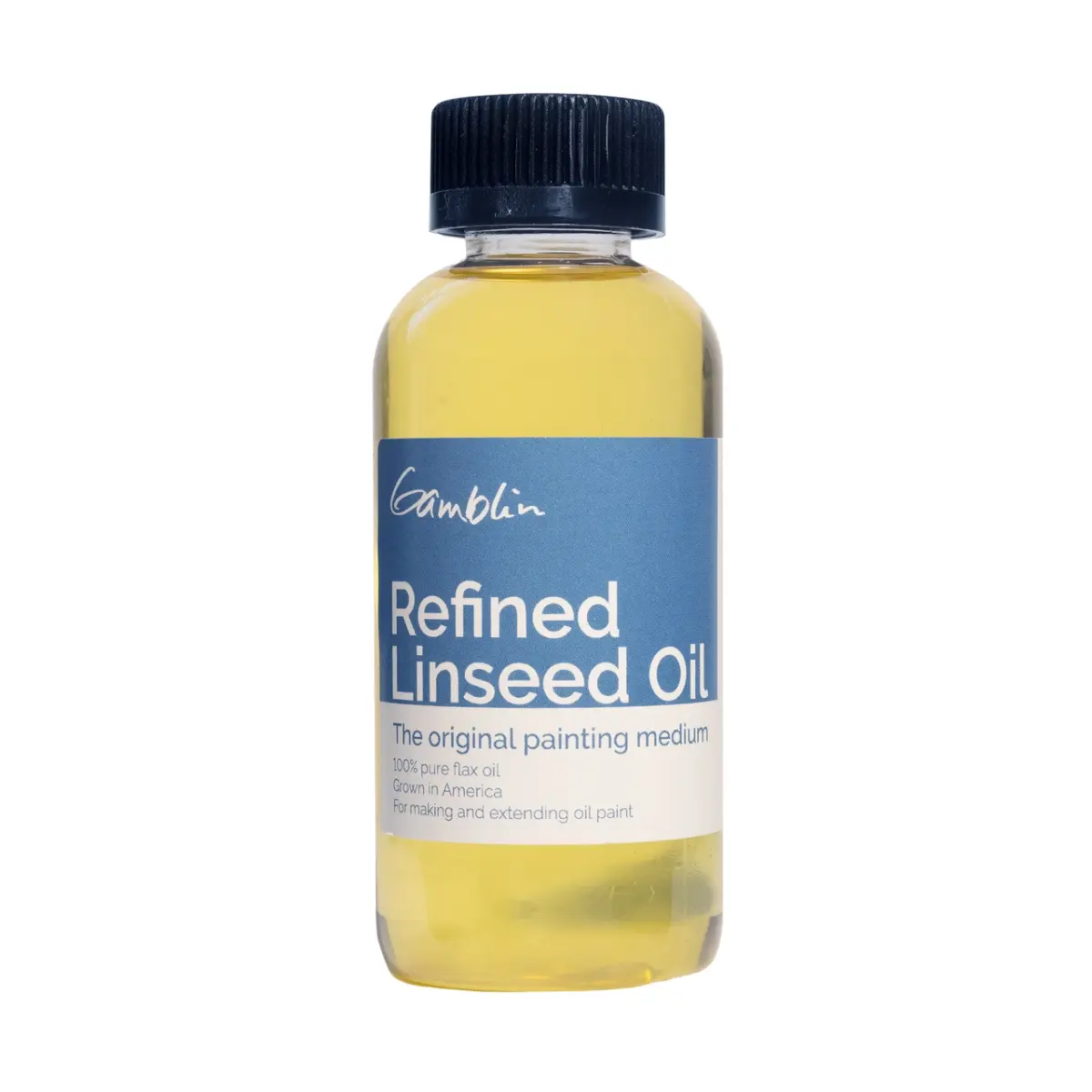
Oil painting is the process of using pigments bound with drying oils, such as linseed, to create art. Originating in ancient Afghanistan, the technique was refined in 15th-century Europe by artists like Jan van Eyck. Its slow-drying properties allow for unparalleled blending, rich color depth, and intricate detail, defining Western art history.
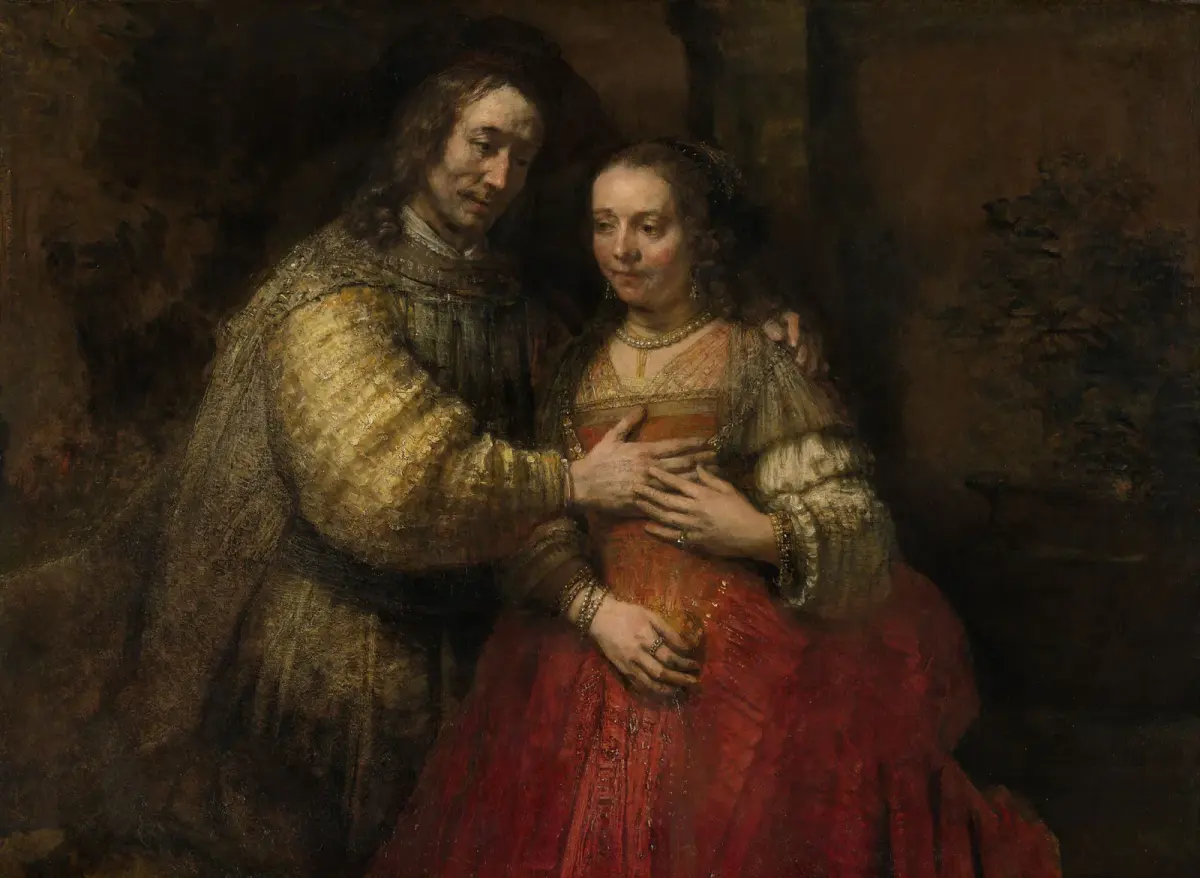
On this page
Where did oil painting originate?
While many associate oil painting with the European Renaissance, the earliest known examples date back to the 7th century CE. Archaeologists discovered murals in the Bamiyan Valley of Afghanistan that utilized walnut and poppy seed oils to bind pigments. These ancient works demonstrate that the chemical properties of oil as a medium were understood long before they became the standard for Western easel painting.
By the 12th century, the technique had migrated to Europe, though it was initially used primarily for decorative purposes on stone or wood. It was not until the early 15th century that Northern European painters revolutionized the medium. Artists began experimenting with refined oils to create glazes, allowing for a level of luminosity and realism that was impossible to achieve with the traditional egg tempera used at the time.
How did oil painting evolve in the Renaissance?
The transition from tempera to oil was driven by the desire for greater artistic flexibility. Tempera dries almost instantly, making it difficult to blend colors or create soft shadows. Oil paint, however, remains workable for days, enabling artists to manipulate the surface and achieve subtle transitions in tone. This shift fundamentally changed the aesthetic of portraiture and religious art across Europe.
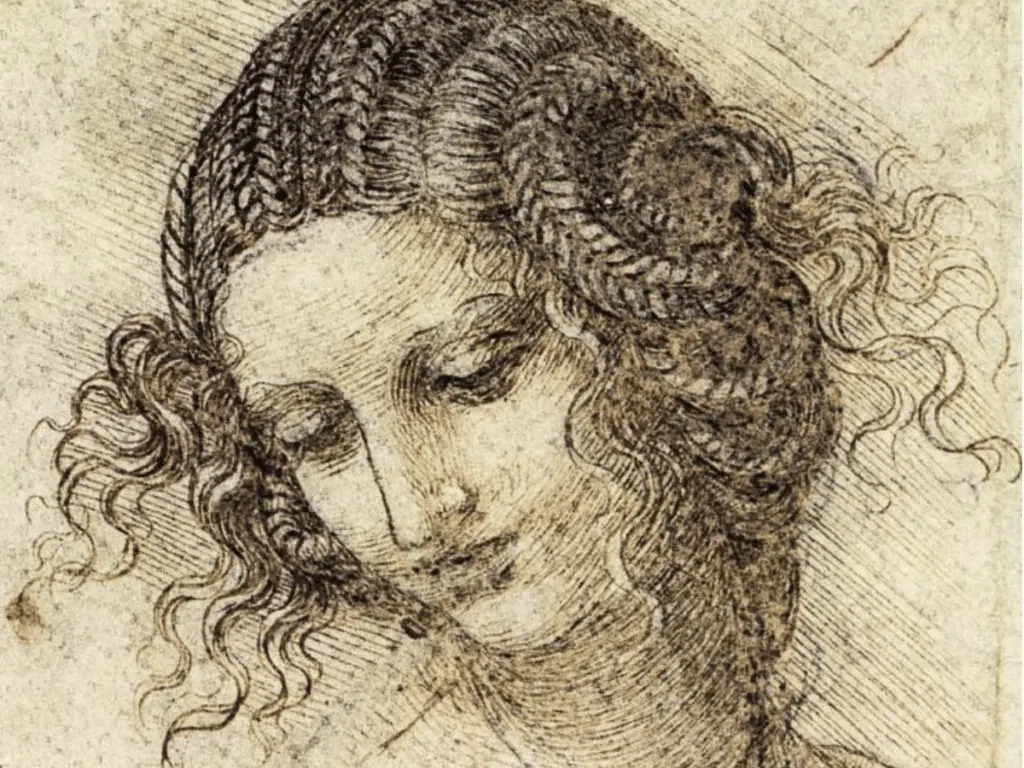
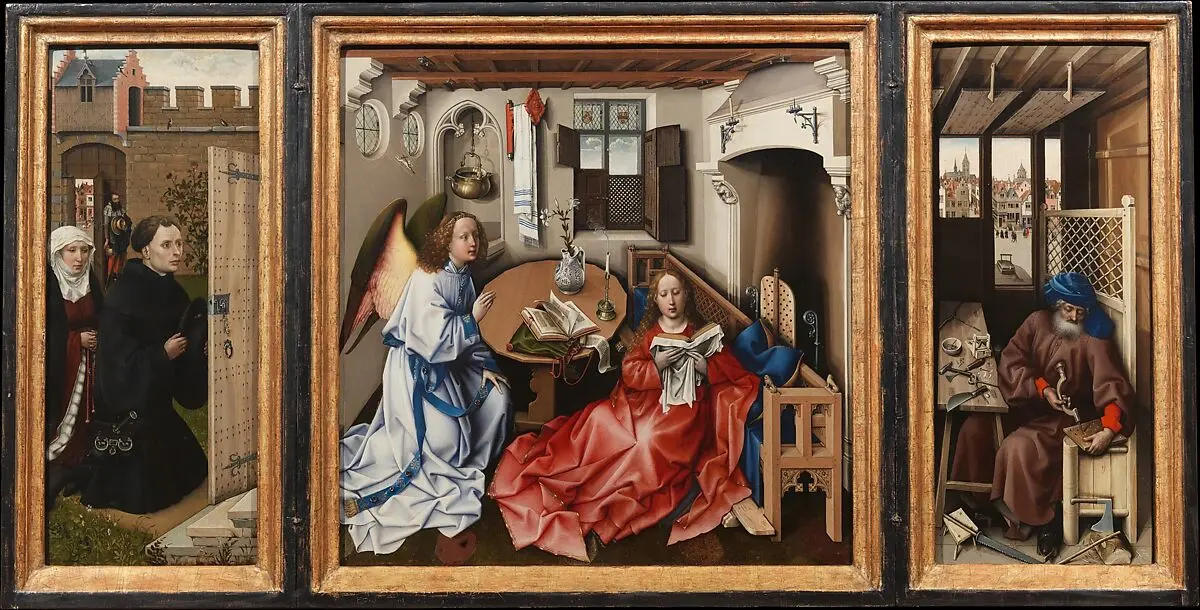
Jan van Eyck is often credited with perfecting the medium in the 1430s. His meticulous application of thin, transparent layers—known as glazing—created a glowing, jewel-like quality in his paintings. This technique quickly spread from the Netherlands to Italy, where masters like Titian and Leonardo da Vinci adopted it to enhance the depth and emotional resonance of their compositions.
- Prepare a wooden panel with a gesso ground to prevent the oil from soaking into the wood.
- Apply a thin underpainting, often in monochromatic tones, to establish the light and shadow structure.
- Build up the image using layers of transparent glazes, allowing each to dry before adding the next.
- Finish with opaque highlights to provide texture and final definition to the work.
Why is oil paint preferred by artists?
The primary advantage of oil paint is its long drying time, which allows for extensive blending and correction. Unlike acrylics, which dry rapidly, oil paint stays wet, permitting artists to rework areas or soften edges over several days. This characteristic is essential for achieving the smooth transitions found in human skin tones and complex atmospheric effects.
Furthermore, oil paint is highly versatile regarding texture and opacity. Artists can apply it in thin, watery washes or thick, sculptural strokes known as impasto. The medium also retains its color integrity exceptionally well over time, as the oil binder protects the pigment particles from oxidation. This durability has allowed masterpieces created hundreds of years ago to remain vibrant and intact in museums today.
- High pigment load for superior color intensity.
- Ability to manipulate the paint texture through additives.
- Excellent archival quality that resists cracking if layered correctly.
- Versatile finish, ranging from matte to high-gloss depending on the varnish.
Common mistakes when painting with oils
One of the most frequent errors beginners make is ignoring the "fat over lean" rule. This principle dictates that each subsequent layer of paint must contain a higher ratio of oil to solvent than the one beneath it. If a lean layer—one with more solvent—is applied over a fat layer, the top will dry faster than the bottom, causing the surface to crack as the underlying paint shrinks.
Another common mistake involves improper surface preparation. Oil paint contains acids that can rot raw canvas or wood over time. Artists must apply a protective layer of sizing, such as rabbit-skin glue, followed by a coat of gesso. Failing to seal the support properly will lead to the eventual degradation of the painting, as the oil binder will seep into the fibers and cause the fabric to become brittle.
How to maintain oil paintings properly
Proper maintenance begins with the environment. Oil paintings should be kept in stable conditions with consistent humidity and temperature to prevent the support from expanding or contracting. Direct sunlight should be avoided, as ultraviolet radiation can cause pigments to fade and the oil binder to yellow or become brittle over time.
Cleaning and varnishing are critical steps for long-term preservation. A final varnish is typically applied once the painting has fully cured, which can take six months to a year depending on the thickness of the paint. This layer acts as a barrier against dust, smoke, and pollutants. If the painting becomes dirty, it should only be cleaned by a professional conservator to ensure the delicate paint layers are not damaged during the process.
Key facts
- Oil paint consists of pigments suspended in a drying oil, most commonly linseed, walnut, or poppy seed oil.
- While ancient civilizations used oil-based substances, the modern technique of oil painting was perfected in 15th-century Northern Europe.
- Jan van Eyck is widely credited with popularizing the medium, using it to achieve unprecedented levels of detail and luminosity.
- Oil paint dries through oxidation rather than evaporation, meaning it remains workable for days or even weeks.
- Always follow the "fat over lean" rule: ensure each successive layer of paint contains more oil than the one beneath it to prevent cracking.
- Avoid using cheap, acidic surfaces; always prime your canvas with gesso to prevent the oil from rotting the fabric fibers.
The bottom line
Oil painting revolutionized art history by offering artists unparalleled control over color, texture, and light. By mastering the slow-drying nature of pigments suspended in oil, painters moved away from the rigid constraints of tempera toward the fluid, realistic styles of the Renaissance. Today, it remains a premier medium for artists who value depth, longevity, and the ability to rework their compositions over extended periods.
People also ask
Why did artists switch from tempera to oil paint?
Tempera dries almost instantly, making it difficult to blend colors or create smooth transitions. Oil paint stays wet for a long time, allowing artists to refine details and achieve subtle light effects.
What is the "fat over lean" rule?
This principle dictates that bottom layers of a painting should have less oil (lean), while top layers should have more oil (fat). If a lower layer dries slower than a top layer, the surface will crack as the painting ages.
How long does an oil painting take to dry?
Thin layers may be dry to the touch in a few days, but thick impasto layers can take months to cure completely. A painting is not considered fully dry and ready for varnish until at least six to twelve months have passed.
What are the best brushes for oil painting?
Hog bristle brushes are ideal for moving thick, heavy paint, while softer synthetic or sable brushes are better for fine detail and blending. Avoid using watercolor brushes, as they are too soft to manipulate the heavy oil medium.
How do you clean oil painting brushes?
Never use water, as oil and water do not mix. Use an odorless mineral spirit or a dedicated brush cleaner to break down the oil, then wash with mild soap and water to condition the bristles.
Can you paint over an old oil painting?
Yes, you can paint over an existing canvas if the previous layer is completely dry and stable. Lightly sand the surface to provide "tooth" for the new paint to adhere to before beginning your new work.
This answer was created with the help of AI research tools and reference sources. Spotted an error? Let us know — we correct mistakes quickly. See our editorial policy.