What is linseed oil used for?
Short answer
Linseed oil, derived from flax seeds, is a versatile vegetable oil used primarily as a drying agent in oil paints, a protective finish for wood, and a binder in linoleum production. It hardens upon exposure to oxygen, creating a durable, water-resistant film that preserves surfaces and enhances natural wood grain textures.
On this page
How to use linseed oil for wood finishing
Linseed oil is a traditional choice for treating wood because it penetrates deeply into the fibers rather than forming a thick surface film. This method is ideal for furniture, tool handles, and interior trim where a natural, matte appearance is desired. Because it is a non-toxic, food-safe finish when pure, it is frequently used on wooden cutting boards and salad bowls.
To apply a professional-grade finish, follow these steps:
- Sand the wood surface thoroughly, starting with 120-grit sandpaper and finishing with 220-grit to ensure a smooth texture.
- Clean away all sawdust using a tack cloth or a vacuum to prevent grit from becoming trapped in the finish.
- Apply the oil liberally with a lint-free cloth or brush, allowing it to soak into the wood for 15 to 20 minutes.
- Wipe off all excess oil with a clean rag, as any remaining liquid will become sticky and fail to cure properly.
Why linseed oil is essential for oil painting
In the fine arts, linseed oil serves as the primary medium for thinning oil paints and increasing their transparency. Artists have utilized this oil for centuries because it improves the flow of paint from the brush, allowing for smoother blending and more intricate detail work. It also slows the drying time of paints, giving artists more time to manipulate colors on the canvas.
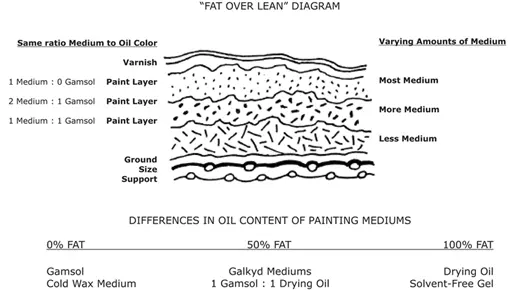
Beyond its role as a thinner, linseed oil acts as a binder that holds pigment particles together. When the oil oxidizes, it creates a tough, flexible film that protects the pigment from environmental degradation. Artists often mix it with solvents like turpentine to adjust the consistency of their paint, following the "fat over lean" rule to ensure that upper layers of paint contain more oil than the base layers, preventing the finished work from cracking as it dries.
How long does it take to cure
The drying process of linseed oil is actually a chemical reaction called polymerization, where the oil absorbs oxygen from the air to form a solid polymer. This is different from evaporation, meaning the substance does not simply dry out; it transforms into a hard, protective layer. In ideal conditions, a thin coat of raw linseed oil may take several days to become dry to the touch.
Factors that influence the curing time include:
- Temperature: Warmer environments accelerate the chemical reaction, while cold temperatures significantly slow it down.
- Humidity: High moisture levels can interfere with oxygen absorption, leading to a tacky surface that remains soft for weeks.
- Application thickness: Applying too much oil prevents oxygen from reaching the lower layers, resulting in a gummy residue.
- Ventilation: Proper airflow is critical to introduce fresh oxygen to the surface, which is necessary for the oil to harden fully.
Common mistakes when using linseed oil
The most dangerous error users make involves the disposal of oil-soaked rags. Linseed oil undergoes an exothermic reaction as it cures, which generates heat. If rags are bunched up in a pile, this heat can build up to the point of spontaneous combustion, potentially starting a fire. Always lay rags flat to dry in a well-ventilated area outdoors or submerge them in a bucket of water before disposal.
Another frequent mistake is using "boiled" linseed oil on surfaces that will come into contact with food. While raw linseed oil is food-safe, the commercial product labeled "boiled" often contains metallic driers like cobalt or manganese to speed up the curing process. These additives are toxic and should never be used on kitchenware. Always check the label to ensure you are using a pure, additive-free product if the item is intended for food preparation or service.
Best alternatives for specific projects
While linseed oil is excellent for many applications, it may not be the best choice for every project. For example, if you require a finish that offers high resistance to water, alcohol, or heat, a polyurethane or varnish might be more appropriate. These synthetic coatings create a harder, more permanent barrier that protects wood from heavy wear and tear, which linseed oil cannot provide on its own.
If you are looking for a finish that does not yellow over time, consider using walnut or tung oil. Linseed oil has a natural tendency to amber or darken as it ages, which can be undesirable for light-colored woods like maple or birch. Tung oil, in particular, offers superior water resistance and a more neutral color profile, making it a popular choice for modern furniture makers. By evaluating the specific needs of your project, you can choose the oil or finish that provides the best balance of aesthetic beauty and functional protection for your wood surfaces.
Key facts
- Linseed oil is derived from the dried, ripened seeds of the flax plant, Linum usitatissimum.
- Raw linseed oil dries very slowly, often taking several days or weeks to fully cure.
- Boiled linseed oil contains metallic driers, such as cobalt or manganese, to significantly speed up the drying process.
- It is a primary ingredient in traditional oil paints, acting as a binder to hold pigment particles together.
- Rags soaked in linseed oil can spontaneously combust if left in a pile, so they must be stored in water or spread flat to dry.
- The oil is frequently used to preserve and protect wooden tool handles, cricket bats, and outdoor furniture from moisture.
The bottom line
Linseed oil remains a versatile, time-tested substance essential for woodworking, fine art, and maintenance. By understanding the distinction between raw and chemically treated varieties, users can effectively protect wood or bind pigments. Always prioritize safety by disposing of oily rags properly to prevent fire hazards. When applied with patience and proper technique, this natural product provides a durable, beautiful finish that enhances the longevity of many household materials.
People also ask
Is linseed oil safe for food preparation surfaces?
Only food-grade or "raw" linseed oil should be used on items like cutting boards or wooden bowls. Many commercial boiled linseed oils contain toxic chemical driers that are not safe for human consumption.
How do you apply linseed oil to wood?
Clean the wood surface thoroughly and sand it lightly to open the pores. Apply the oil with a lint-free cloth, let it soak for 15 to 20 minutes, and wipe off all excess oil to prevent a sticky finish.
Can linseed oil go rancid?
Yes, like most vegetable oils, linseed oil can spoil over time if exposed to air and heat. Store the container in a cool, dark place and tightly seal the lid to extend its shelf life.
What is the difference between polymerized and boiled linseed oil?
Polymerized oil is heated in a vacuum to thicken it, resulting in a faster-drying, more durable finish without chemical additives. Boiled linseed oil relies on chemical catalysts to accelerate drying, which can sometimes yellow over time.
Does linseed oil protect against termites?
While it provides a moisture barrier that discourages some pests, it is not a potent insecticide. It is best used as a wood conditioner rather than a primary treatment for active termite infestations.
How do I remove linseed oil stains from clothing?
Treat the area immediately with a heavy-duty laundry detergent or a grease-cutting dish soap. Work the soap into the fabric before rinsing with hot water, as the oil is difficult to remove once it has oxidized.
This answer was created with the help of AI research tools and reference sources. Spotted an error? Let us know — we correct mistakes quickly. See our editorial policy.