What colors make a sunset?
Short answer
Sunsets are primarily composed of reds, oranges, and pinks caused by Rayleigh scattering. As the sun nears the horizon, its light travels through a thicker layer of Earth’s atmosphere, scattering shorter blue and violet wavelengths away. This leaves longer wavelengths—the warm hues—to reach the observer’s eyes, creating the iconic sunset palette.
On this page
Why sunset colors happen
The vibrant colors of a sunset are a direct result of the physics of light interacting with the atmosphere. Sunlight is composed of a spectrum of colors, each with a different wavelength. When the sun is low in the sky, its light must pass through a much larger volume of air to reach your eyes than when it is directly overhead.
This interaction is known as Rayleigh scattering. As light hits gas molecules and small particles in the atmosphere, the shorter wavelengths—blue and violet—are scattered in all directions. Because these colors are diverted away from your direct line of sight, the remaining light that reaches you is dominated by the longer wavelengths, which include reds, oranges, and yellows. The specific intensity of these colors depends heavily on the amount of dust, pollution, or water vapor currently present in the air.
What determines sunset color intensity
The chemical and physical composition of the atmosphere acts as a filter for sunlight. While scattering is the primary mechanism, aerosols and particulates play a crucial role in enhancing the saturation of the colors you see. These particles can include sea salt, volcanic ash, smoke from wildfires, or urban smog.
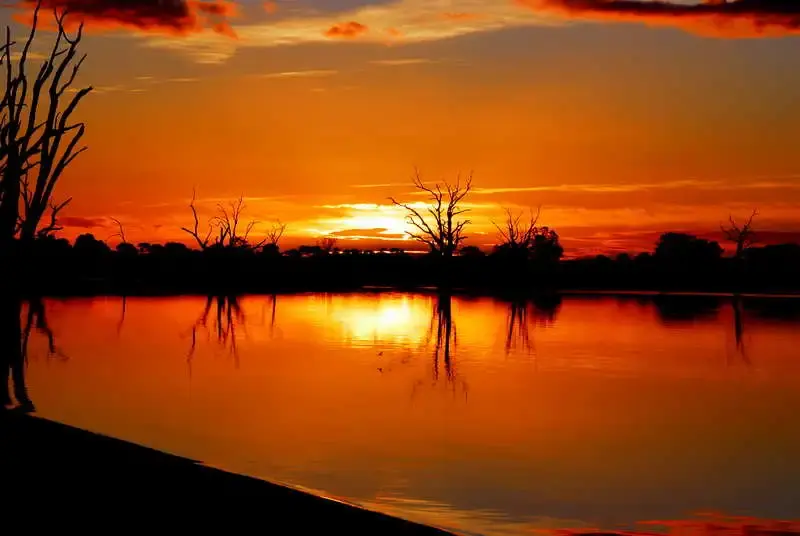
When these particles are present in the upper atmosphere, they scatter the light even more effectively than standard air molecules. This often results in deeper, more dramatic colors. A very clean atmosphere might produce a pale yellow or soft orange sunset, whereas an atmosphere with a high concentration of particles will often produce:
- Deep, blood-red hues near the horizon.
- Vibrant, fiery oranges that span across the clouds.
- Intense purples and magentas when water droplets are present.
- Muted, hazy colors if there is excessive local pollution.
How to predict the best sunsets
Predicting a spectacular sunset involves monitoring local weather patterns and atmospheric conditions. You do not need to be a meteorologist to make an educated guess, as certain environmental indicators consistently point toward better light displays. Look for days where the sky has a moderate amount of high-altitude clouds, as these act as a canvas for the scattered light.
To improve your chances of witnessing a vivid sunset, follow these steps:
- Check the weather forecast for high-level clouds, such as cirrus or altocumulus, which catch the light best.
- Observe the air quality; a slightly hazy day often leads to more intense color saturation than a perfectly clear, dry day.
- Position yourself in an area with a clear, unobstructed view of the western horizon.
- Wait for at least 15 to 20 minutes after the sun has officially dipped below the horizon, as the "afterglow" can be the most colorful period.
Common mistakes when viewing sunsets
Many people miss the best part of a sunset because they pack up their equipment or leave their viewing spot too early. The most intense colors often manifest during the "civil twilight" phase, which occurs after the sun has already disappeared from view. By leaving the moment the sun touches the horizon, you miss the secondary scattering that paints the clouds in deep shades of violet and pink.
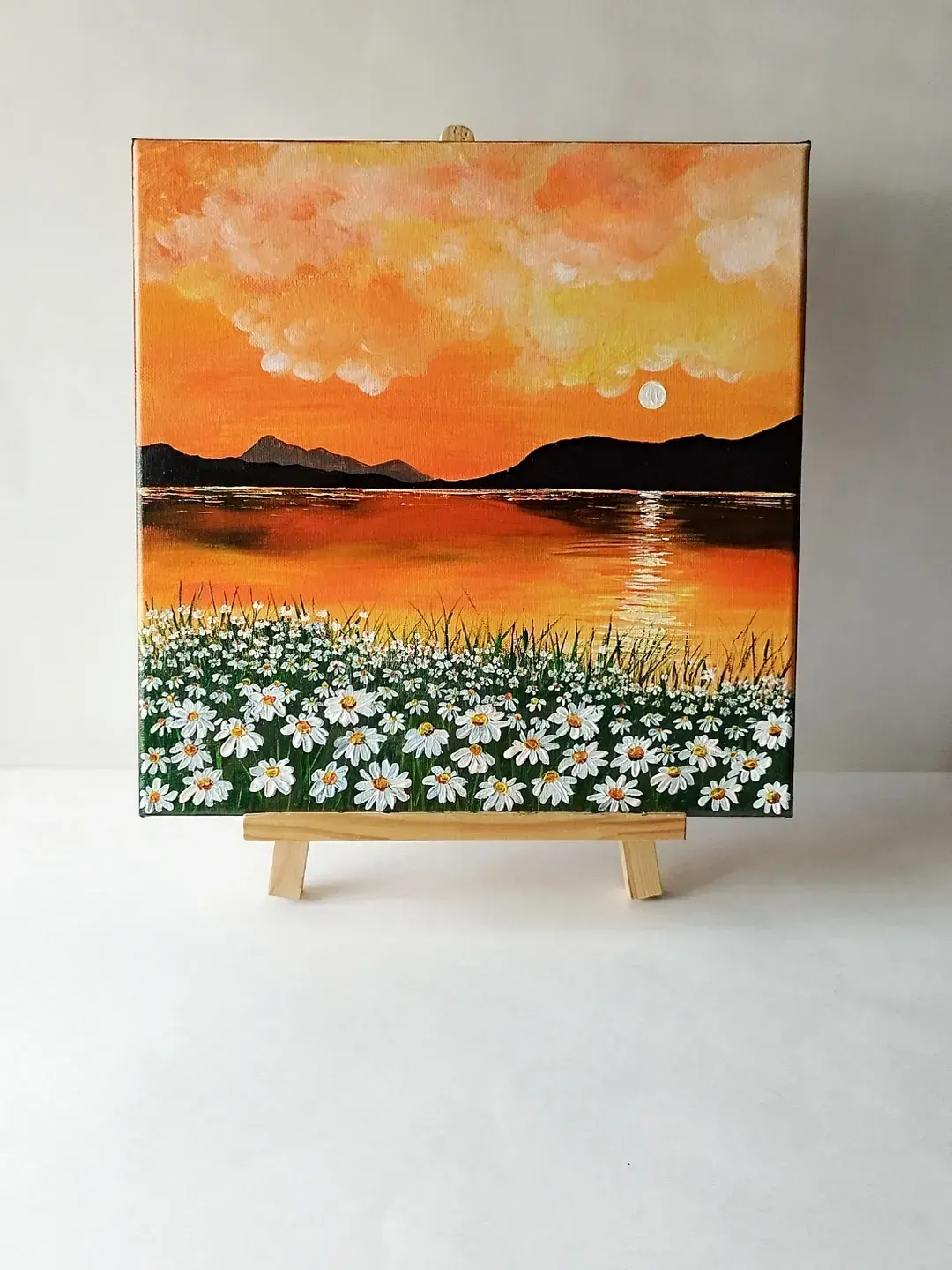
Another frequent mistake is failing to account for the foreground. A sunset viewed over a flat, featureless landscape is rarely as compelling as one viewed over water or mountains. Water acts as a mirror, doubling the visual impact of the colors, while mountains can provide scale and depth. Avoid these common errors to ensure a better experience:
- Leaving the viewing location immediately after the sun sets.
- Ignoring the clouds in the eastern sky, which often catch the reflected light.
- Forgetting to bring a tripod if you are attempting to photograph the scene.
- Overlooking the importance of elevation, as higher vantage points offer a longer duration of color.
How to photograph sunset colors
Capturing the true essence of a sunset requires more than just pointing a camera at the horizon. Because the dynamic range of a sunset—the difference between the bright sun and the shadowed ground—is so high, standard camera settings often fail. To get the best results, you must balance the exposure so that the colors remain vivid without the sky becoming completely blown out.
If you are using a digital camera or a smartphone, consider these practical tips:
- Use manual exposure settings to underexpose the image slightly, which will make the colors appear richer and more saturated.
- Avoid using automatic white balance, as the camera may try to "correct" the warm sunset tones back to a neutral, boring gray.
- Focus on the clouds rather than the sun itself to avoid lens flare and to capture the texture of the sky.
- Use a wide-angle lens to capture the full scope of the horizon, as the colors often spread far beyond the point where the sun actually set.
Key facts
- Sunsets appear red and orange because the sun's light must travel through more of the Earth's atmosphere to reach your eyes.
- Rayleigh scattering is the physical process that scatters shorter blue and violet wavelengths away, leaving the longer red and yellow light to pass through.
- Aerosols, such as dust, pollution, and volcanic ash, can intensify sunset colors by scattering light more effectively than clean air.
- The "Golden Hour" occurs shortly before sunset, providing soft, diffused light that is ideal for photography.
- Clouds act as a canvas; high-altitude clouds like cirrus often catch the final rays of light, turning brilliant shades of pink and purple.
- A common mistake is looking directly at the sun; always protect your eyes, especially when the sun is low on the horizon and its intensity seems reduced.
The bottom line
Sunsets are a result of Rayleigh scattering, where the Earth's atmosphere filters out shorter blue light while allowing longer red and orange wavelengths to reach your eyes. By understanding how atmospheric particles and cloud cover interact with sunlight, you can better predict and appreciate these daily displays. Remember to prioritize eye safety and look for high-altitude clouds to witness the most dramatic and colorful evening transitions.
People also ask
Why are some sunsets more vibrant than others?
The vibrancy depends on the amount of moisture, dust, and pollutants in the atmosphere. A high concentration of aerosols can scatter more light, resulting in deeper, more saturated reds and oranges.
Do sunsets look different in the winter?
Yes, winter air is often drier and contains fewer particles than summer air. This can lead to clearer, crisper sunsets that lack the hazy, deep colors seen during humid summer evenings.
Why do sunsets sometimes look green?
This rare phenomenon, known as the "green flash," occurs for a split second as the sun disappears below the horizon. It happens due to atmospheric refraction, where the atmosphere acts like a prism, briefly separating the green light from the rest of the spectrum.
Does air pollution make sunsets prettier?
While pollution can create vivid, deep red sunsets, it is generally considered an unhealthy atmospheric condition. The particles that scatter the light are the same ones that can impact air quality and human respiratory health.
Can you predict a good sunset?
You can improve your odds by checking for thin, high-altitude clouds like cirrus or altocumulus. These clouds are positioned to catch the sun's light after it has dipped below the horizon, creating a spectacular display.
Why does the sun look larger at sunset?
The sun's size remains constant, but the "moon illusion" and the presence of foreground objects like buildings or trees trick the brain. Your brain compares the sun to these distant objects, making it appear much larger than it does when high in the sky.
This answer was created with the help of AI research tools and reference sources. Spotted an error? Let us know — we correct mistakes quickly. See our editorial policy.