How do you make colors lighter without white?
Short answer
You can lighten colors without white by increasing the amount of medium or solvent used in the mixture, a process known as thinning. By spreading the pigment more thinly across a surface, the underlying light-reflecting substrate becomes visible, effectively raising the color’s value while maintaining its original hue and saturation.
On this page
How to lighten paint using mediums
Adding a clear medium to your paint is the most effective way to lighten a color without introducing the chalky, opaque qualities associated with white pigment. In oil painting, you can use linseed oil or alkyd mediums, while acrylic painters should utilize gloss or matte gels. These substances extend the volume of the paint, allowing you to create translucent glazes that reveal the white canvas underneath.
When you apply a thin, transparent layer of color over a light ground, the light passes through the paint and reflects off the surface. This technique, often called glazing, creates a luminous effect that white pigment cannot replicate. To achieve this, follow these steps:
- Select a high-quality, transparent pigment.
- Mix a small amount of paint with a generous portion of your chosen medium.
- Apply the mixture in thin, even strokes to ensure consistent light reflection.
- Allow the layer to dry completely before adding subsequent glazes to build depth.
Why thinning paint changes its value
The physics of light interaction dictates that color value is determined by how much light is reflected back to the viewer’s eye. When you use a heavy, opaque paint, it absorbs most of the light that hits it, resulting in a darker, more saturated appearance. By thinning the pigment, you reduce the density of the color particles, which allows more light to reach the substrate.
The substrate, typically a white or light-colored canvas, acts as a secondary light source. Because the paint is now a transparent veil rather than a solid barrier, the surface color contributes to the overall perceived brightness. This method preserves the "chroma" or intensity of the color because you are not diluting the hue with a neutral gray or white pigment. It is a fundamental technique used by Renaissance masters to create glowing skin tones and vibrant drapery.
Best techniques for watercolor artists
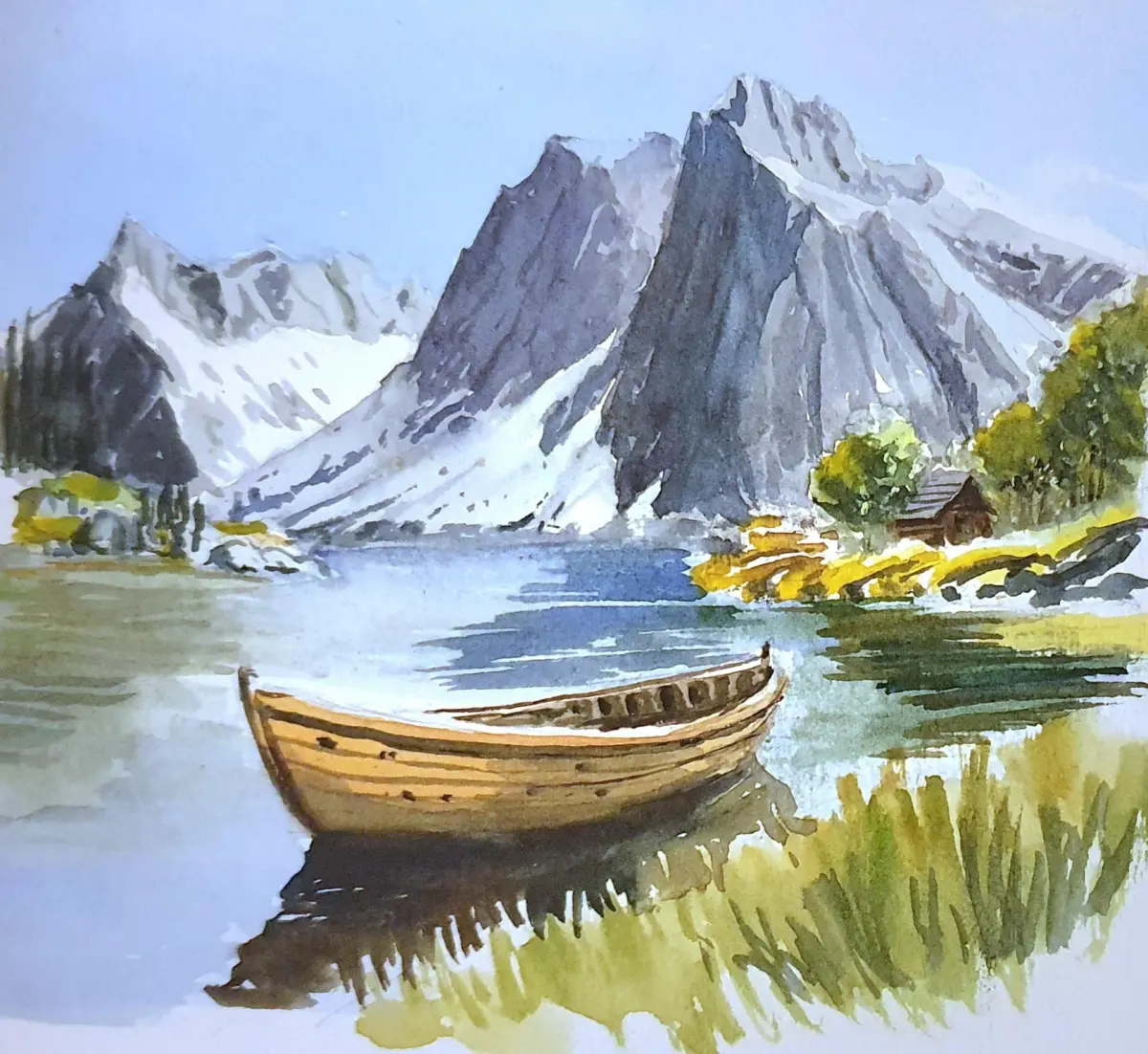
Watercolor painting relies almost exclusively on the use of water to lighten colors. Since watercolor pigments are naturally transparent, the white of the paper is the primary source of light in the composition. The more water you add to your brush, the more the paper shows through, effectively lightening the value of the color without altering its chemical composition.
To manage your light values effectively, consider these professional practices:
- Use a "wet-on-dry" technique to control the edges of your lightened areas.
- Keep a clean water container specifically for diluting pigments to prevent muddying your colors.
- Test your mixtures on a scrap piece of the same paper to ensure the value is correct before applying it to your final piece.
- Avoid overworking the paper, as excessive water can damage the sizing and cause the colors to lose their brilliance.
Common mistakes when lightening colors
A frequent error is adding too much water or medium too quickly, which can cause the paint to lose its structural integrity. In oil painting, adding excessive solvent can lead to a "lean" mixture that may crack or flake off the canvas over time. Always ensure that your medium-to-pigment ratio remains within the manufacturer’s recommended guidelines to maintain the longevity of your work.
Another common mistake is failing to account for the drying shift. Many paints, particularly acrylics, darken slightly as they dry, which can lead to frustration if you are trying to match a specific light value. To avoid this, always mix your paint slightly lighter than your target value. Additionally, avoid using dirty brushes when mixing light tones, as even a microscopic amount of dark residue can significantly shift your desired hue toward a dull, muddy gray.
How to use light grounds for brightness
The color of your background, or "ground," plays a crucial role in how light your colors appear. By starting with a bright white or off-white gesso, you provide an immediate boost to the luminosity of every layer applied on top. If you are working on a dark surface, it is physically impossible to achieve a light value without using opaque white, so selecting the right base is essential for this technique.
Artists often use a technique called "imprimatura," which involves applying a thin, transparent wash of color over a white ground before beginning the painting. This tinted base provides a unified tone that influences all subsequent colors. By carefully choosing the intensity of this base, you can control the overall brightness of the finished work. Remember that the goal is to leverage the reflective properties of the surface, turning the entire canvas into a light-emitting component of your final composition.
Key facts
- Diluting a pigment with a medium, such as water for watercolors or linseed oil for oils, increases transparency and makes the color appear lighter.
- Adding a complementary color—the color directly opposite on the color wheel—desaturates a hue, making it appear softer and lighter in value.
- Applying a thinner layer of paint allows the white surface of the canvas or paper to show through, naturally brightening the tone.
- Using a glazing technique involves layering thin, translucent washes over a dried base coat to shift the perceived lightness without adding opaque white.
- Increasing the amount of solvent in a mixture reduces the pigment density, which lightens the color's intensity and value.
- Lightening a color by adjusting the lighting conditions, such as using a brighter light source, changes the perceived value without altering the physical paint.
The bottom line
To lighten colors without relying on white, you must manipulate transparency and light reflection. By diluting pigments with mediums, applying thin glazes, or utilizing the natural brightness of your substrate, you can adjust the value of your work effectively. These techniques preserve the saturation and depth of your colors, ensuring your artwork remains vibrant and luminous rather than becoming flat, chalky, or overly muted.
People also ask
Does adding water always make paint lighter?
Adding water to watercolors or acrylics reduces pigment density, which makes the color appear lighter because more of the white substrate shows through. However, adding too much water can compromise the structural integrity of the paint film, leading to flaking or poor adhesion.
How does a glazing technique work?
Glazing involves applying a thin, transparent layer of paint over a dried, opaque base layer. This allows light to pass through the top layer, reflect off the base, and return to the eye, creating a luminous effect that appears lighter and more complex.
Can I use yellow to lighten a color?
Adding yellow can increase the brightness of a hue, but it also shifts the color's temperature toward the warm end of the spectrum. This is effective for creating highlights in landscapes or skin tones without the chalky, muted effect often caused by adding white.
What is the difference between tinting and glazing?
Tinting specifically refers to adding white to a color to increase its value. Glazing is a method of layering transparent colors to modify the appearance of the underlying hue, which can make it look lighter or more vibrant without using opaque pigments.
Why does my paint look muddy when I try to lighten it?
Muddy colors often occur when you mix too many complementary colors together or overwork the paint on the canvas. To avoid this, keep your mixtures simple and ensure your brushes are clean between applications to maintain color purity.
Is it better to use a medium or a solvent to lighten colors?
Mediums are generally preferred because they maintain the binder-to-pigment ratio, ensuring the paint remains durable. Solvents thin the paint but can weaken the binder, potentially causing the paint to become brittle or lose its sheen over time.
This answer was created with the help of AI research tools and reference sources. Spotted an error? Let us know — we correct mistakes quickly. See our editorial policy.