What colors make light blue?
Short answer
Light blue is created by mixing a primary blue pigment with white. In subtractive color mixing, such as paint, adding white increases the value of the blue, making it lighter and less saturated. The specific shade depends on the ratio of white to blue and the undertones of the original blue pigment used.
On this page
How to mix light blue paint
To achieve the perfect light blue, start with a base of blue paint and gradually add white. Because white paint is often more opaque and powerful than blue, it is easy to accidentally turn your mixture into a pastel or a chalky gray. Always add the white to the blue, rather than the blue to the white, to maintain better control over the final intensity.
When mixing, consider the following steps to ensure consistency:
- Select a high-quality blue, such as cerulean or phthalocyanine, as your starting point.
- Use a palette knife to blend the colors thoroughly on a mixing surface.
- Add white in small, pea-sized increments until you reach the desired lightness.
- Test the color on a scrap piece of paper or canvas, as wet paint often dries slightly differently than it appears when wet.
Which blue pigments make the best light blue
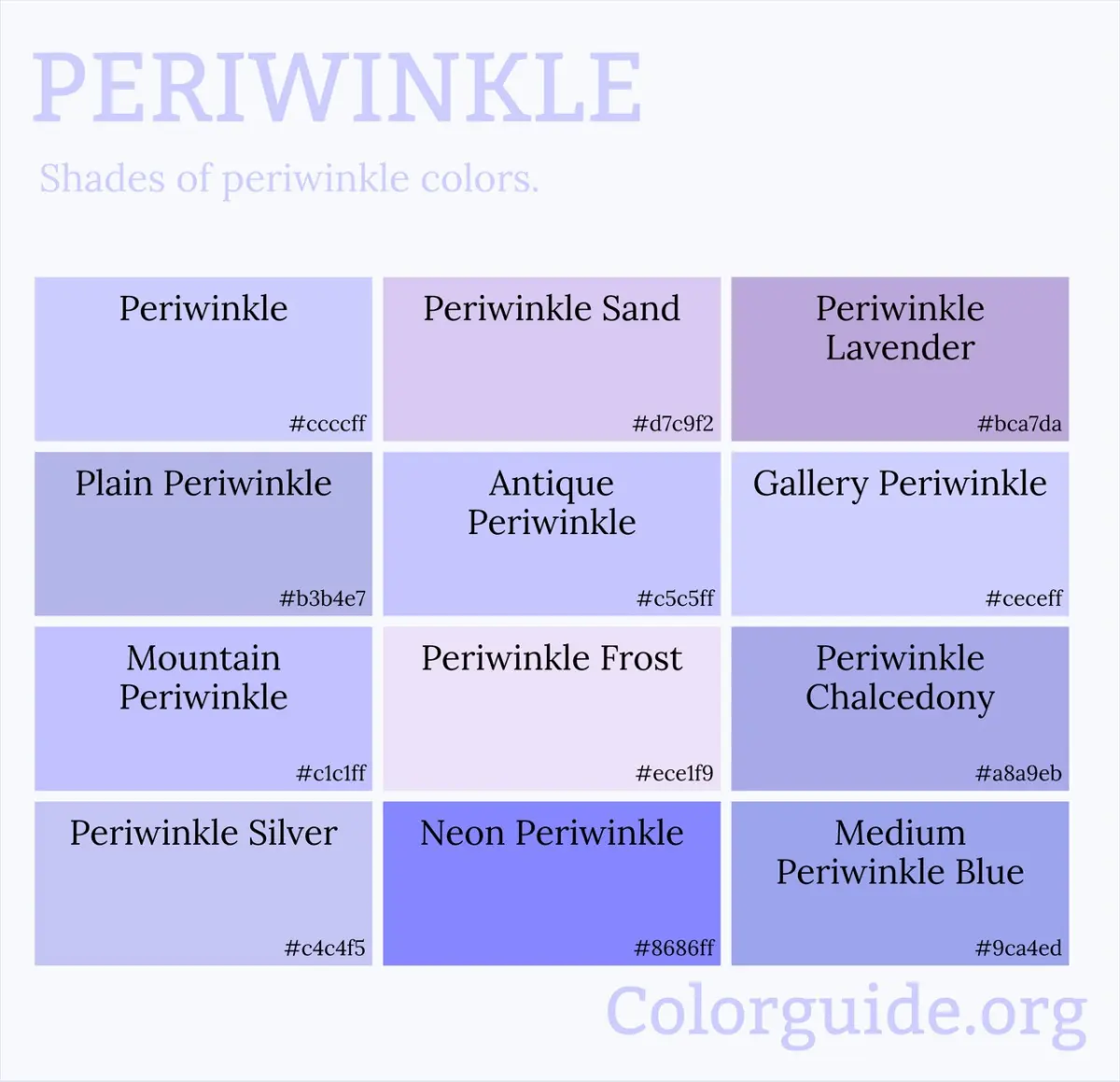
Not all blues are created equal when it comes to lightening. Phthalocyanine blue is a strong, transparent pigment that creates vibrant, clean light blues when mixed with white. Conversely, ultramarine blue has a slight violet undertone, which results in a softer, warmer light blue often described as periwinkle. If you want a sky-blue appearance, cerulean blue is the industry standard because it possesses a natural greenish undertone that mimics the atmosphere.
It is helpful to understand the color bias of your pigments before you begin. A blue with a red bias will produce a muted, dusty light blue, while a blue with a yellow bias will lean toward a bright, cyan-like tint. Experimenting with different base blues allows you to create a spectrum of light blues ranging from cool, icy tones to warm, tropical hues.
Why light blue looks different in light and shadow
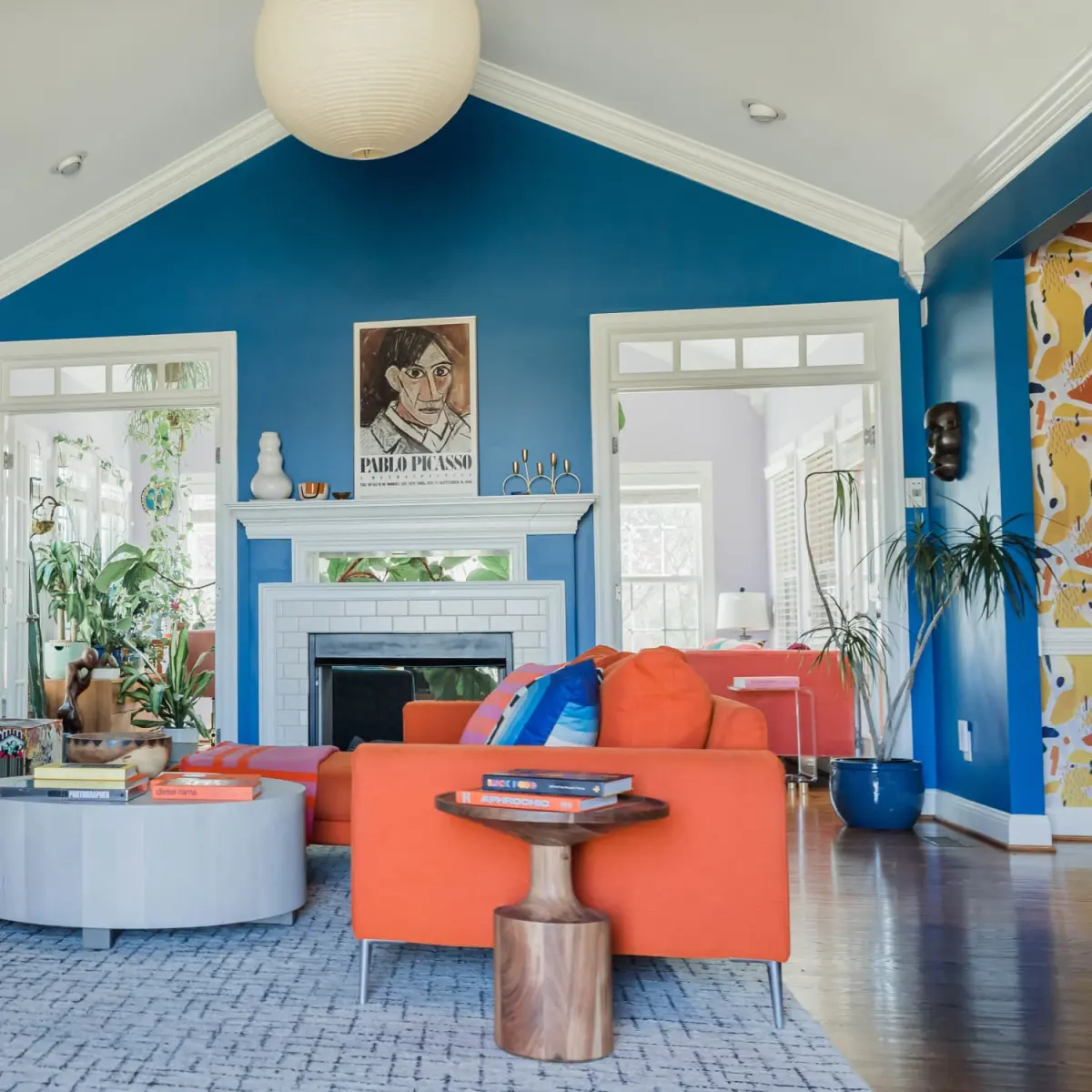
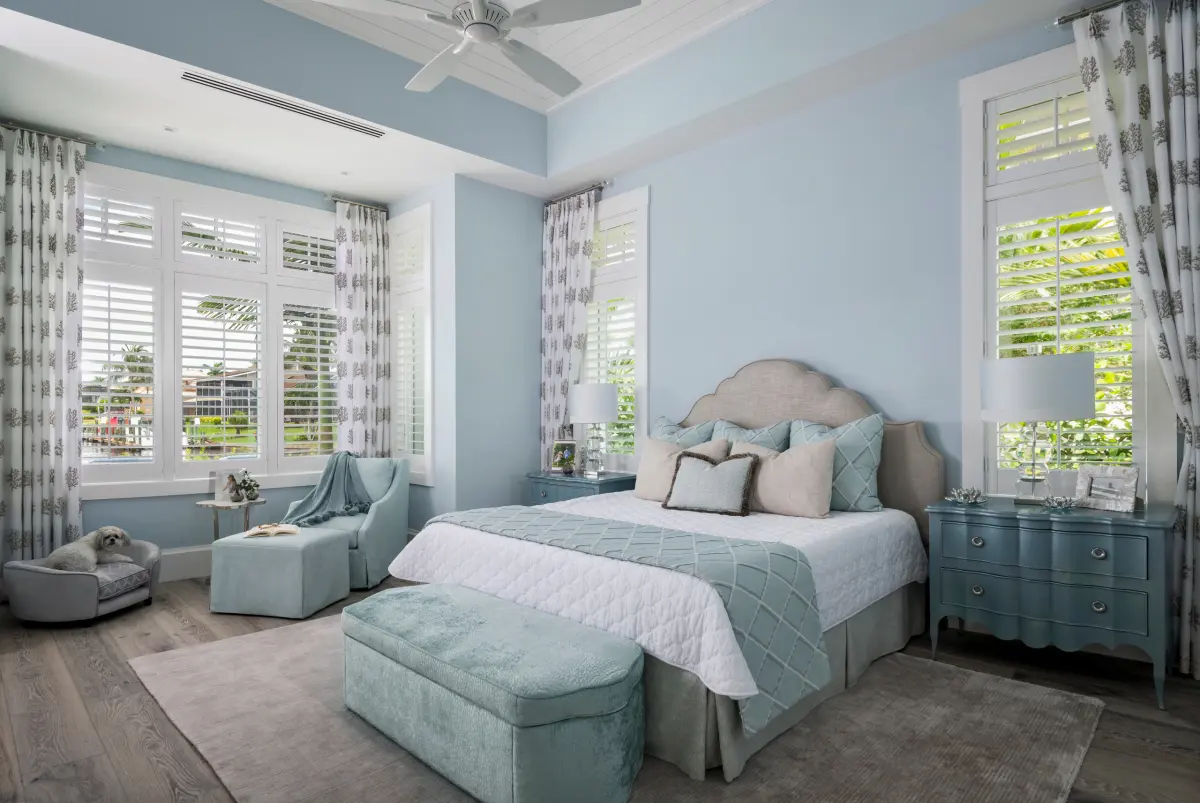
Light blue is highly sensitive to the surrounding environment and the quality of ambient light. In physics, blue light has a shorter wavelength, which causes it to scatter more easily. When you apply light blue to a surface, the color will appear to shift depending on whether it is placed next to a warm color, like orange, or another cool color. Placing light blue next to a complementary color will make it appear much more vivid and intense.
If you are painting a landscape or an interior space, remember that shadows are rarely just black or gray. Artists often add a touch of blue to their shadow mixtures to create a sense of depth and atmospheric perspective. Because light blue is already high in value, it serves as an excellent base for highlights, especially when you want to suggest the reflection of the sky on water or glass.
Common mistakes when mixing light blue
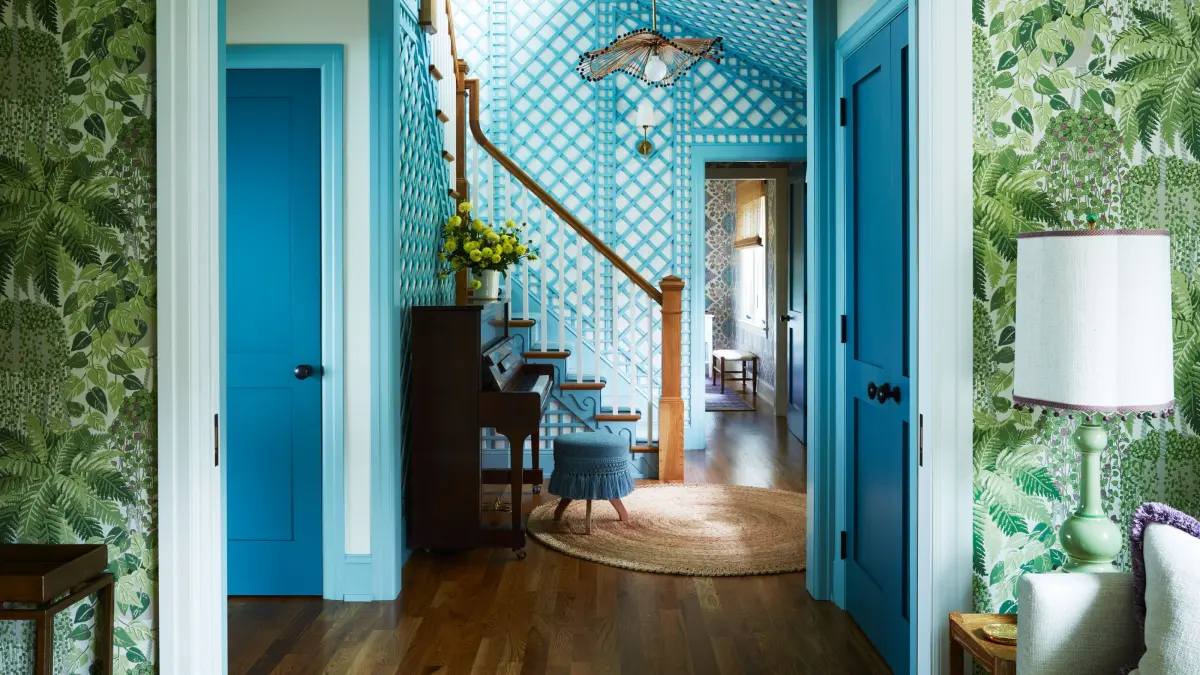
One of the most frequent errors is over-mixing, which can lead to a muddy appearance if your tools are not perfectly clean. Even a tiny amount of residual yellow or brown paint on your brush can turn a crisp light blue into a dull, greenish-gray. Always wipe your palette knife or brush clean between adjustments to ensure the integrity of the color remains bright and clear.
Avoid these common pitfalls to keep your colors clean:
- Adding too much white too quickly, which results in a flat, chalky finish.
- Using a low-quality white paint that lacks the necessary opacity to cover the blue effectively.
- Forgetting to account for the drying shift, as many acrylic paints darken slightly as they cure.
- Mixing directly on the canvas, which can prevent you from achieving a smooth, uniform shade.
How to adjust the temperature of light blue
Once you have created a basic light blue, you can fine-tune its temperature to better suit your project. If the color feels too cold or sterile, add a tiny speck of yellow to shift it toward a turquoise or aquamarine. If you want to make the color feel more sophisticated and muted, add a minuscule amount of orange or burnt sienna. These complementary colors act as neutralizers, effectively lowering the saturation without turning the color into a dark, muddy mess.
Professional artists often use these subtle adjustments to create a sense of harmony within a color palette. By slightly varying the temperature of your light blues across a composition, you create visual interest that draws the viewer's eye. Remember that the goal is to maintain the light value while shifting the hue, so always use the smallest amount of additive possible. With practice, you will be able to mix any specific shade of light blue required for your artistic or decorative needs.
Key facts
- Light blue is created by mixing a primary blue pigment with white to increase its lightness and reduce its saturation.
- Pure cyan, a primary subtractive color, can be lightened with white to create various shades of sky blue.
- Adding a tiny amount of yellow to a blue-white mixture shifts the color toward a warmer, greenish-blue hue.
- To darken a light blue, add a minuscule amount of black or a complementary color like orange to desaturate it.
- When mixing paint, always add the darker color into the white base gradually to maintain better control over the final shade.
- Using high-quality titanium white pigment provides the best opacity and brightness when mixing light blue shades.
The bottom line
Creating light blue is a fundamental exercise in color theory that relies on the process of tinting. By adding white to a base blue, you increase the color's value and soften its intensity. Whether you prefer a cool, crisp cerulean or a warm, greenish turquoise, the key is to add pigments slowly, testing your mixture on a scrap surface to achieve the perfect balance.
People also ask
How do I make light blue look more like the sky?
To achieve a sky blue appearance, mix a standard cerulean or cobalt blue with a significant amount of white. If the result looks too flat, add a very small touch of yellow or a warm red to mimic the natural atmospheric glow of the sky.
Can I make light blue using only primary colors?
Yes, you can create a light blue by mixing blue and white, but since white is not a primary color, you must have it on hand. If you only have red, yellow, and blue, you cannot create a true light blue because you lack the white pigment needed to tint the color.
Why does my light blue look muddy when I mix it?
Muddy colors usually occur when you accidentally introduce a complementary color, such as orange or brown, into your blue mixture. Always ensure your mixing tools and brushes are thoroughly cleaned before starting to avoid cross-contamination of pigments.
What is the difference between cyan and light blue?
Cyan is a specific, bright primary color located between blue and green on the color wheel. Light blue is a broader term that refers to any blue shade with high value, regardless of whether it leans toward green or violet.
How much white paint should I add?
Start with a small dollop of white and add blue to it incrementally until you reach your desired tint. It is much easier to darken a light mixture than it is to lighten a large batch of dark paint by adding more white.
Does the type of blue paint change the result?
Yes, the undertone of your starting blue significantly impacts the final light blue. Phthalo blue has strong green undertones, while ultramarine blue has violet undertones, leading to distinct variations in the resulting light blue shade.
This answer was created with the help of AI research tools and reference sources. Spotted an error? Let us know — we correct mistakes quickly. See our editorial policy.