What colors make indigo?
Short answer
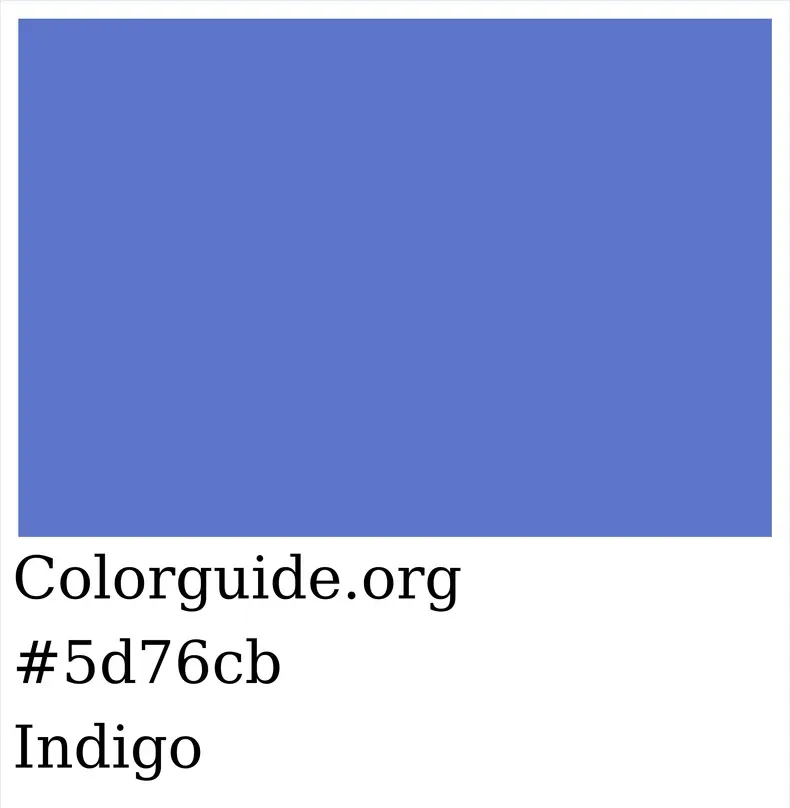
Indigo is created by mixing blue and violet pigments. In traditional color theory, it sits between these two hues on the spectrum. To achieve the shade, combine a primary blue with a smaller amount of red or purple. Adjust the intensity by adding white to lighten the tone or black to darken it.
On this page
How to mix indigo paint
Achieving the perfect indigo hue requires a careful balance of primary colors. Because indigo is a deep, dark blue with a subtle violet undertone, you must start with a strong blue base. Ultramarine blue is the ideal starting point because it already possesses a slight reddish bias, which helps bridge the gap toward the violet spectrum.
To create the color, follow these steps:
- Start with a generous amount of ultramarine blue on your palette.
- Slowly add small amounts of violet or a cool-toned red, such as alizarin crimson, to the blue.
- Mix thoroughly after each addition, as the transition toward indigo happens quickly.
- If the mixture appears too vibrant or "electric," add a tiny touch of black or burnt umber to dull the intensity and achieve a more natural, deep indigo appearance.
Why indigo is considered a spectral color
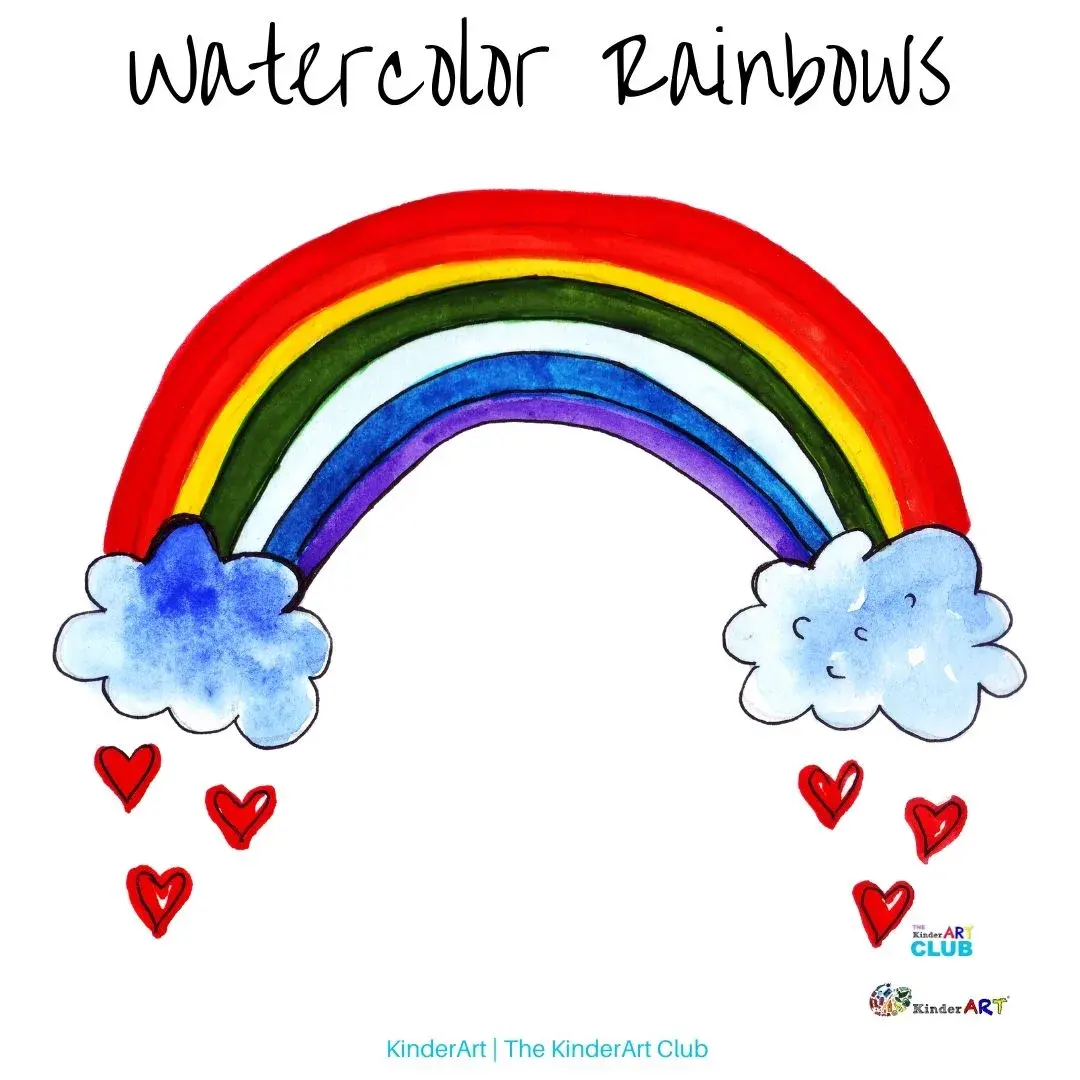
Sir Isaac Newton originally defined indigo as one of the seven colors of the rainbow in 1672. He chose this specific hue to align his color spectrum with the seven notes of a musical scale and the seven days of the week. While modern scientists often debate whether indigo is distinct enough from blue and violet to warrant its own category, it remains a recognized part of the traditional spectrum.
In physics, indigo corresponds to wavelengths between approximately 420 and 450 nanometers. This places it firmly between the shorter wavelengths of violet and the longer wavelengths of blue. When you mix pigments to replicate this color, you are essentially mimicking the way light behaves when it transitions between these two points on the visible light spectrum.

Common mistakes when mixing indigo
One of the most frequent errors artists make when mixing indigo is adding too much red or purple too quickly. Because purple is a very strong pigment, even a small drop can overpower the blue, turning your mixture into a muddy grape color rather than a deep, oceanic indigo. Always add your secondary color in tiny increments to maintain control.
Another common mistake is failing to account for the drying time or the medium being used. Acrylic paints often dry darker than they appear when wet, which can lead to an indigo that looks nearly black once finished. To avoid this, keep a test sheet nearby to see how the color looks once it has fully dried. If the color is too dark, lighten it with a touch of white or a lighter blue, such as cerulean, to bring back the vibrancy.
Best tools for mixing indigo
For a professional result, the quality of your pigments matters significantly. High-quality artist-grade paints contain more pigment and less binder, allowing for cleaner mixes. When mixing indigo, use a palette knife rather than a brush to ensure the colors are fully incorporated without trapping air bubbles or leaving streaks of unmixed pigment.
Consider these essential supplies for your mixing station:
- A flat palette knife for thorough blending.
- A glass or plastic palette that is easy to clean between attempts.
- A white test surface, such as heavy watercolor paper, to check the hue.
- A clean rag or paper towel to wipe your knife between adjustments to avoid contamination.
Using these tools ensures that your indigo remains pure and consistent throughout your project. Avoid mixing too many different brands of paint at once, as the varying chemical compositions can sometimes result in a chalky or inconsistent texture.
How to adjust indigo for different shades
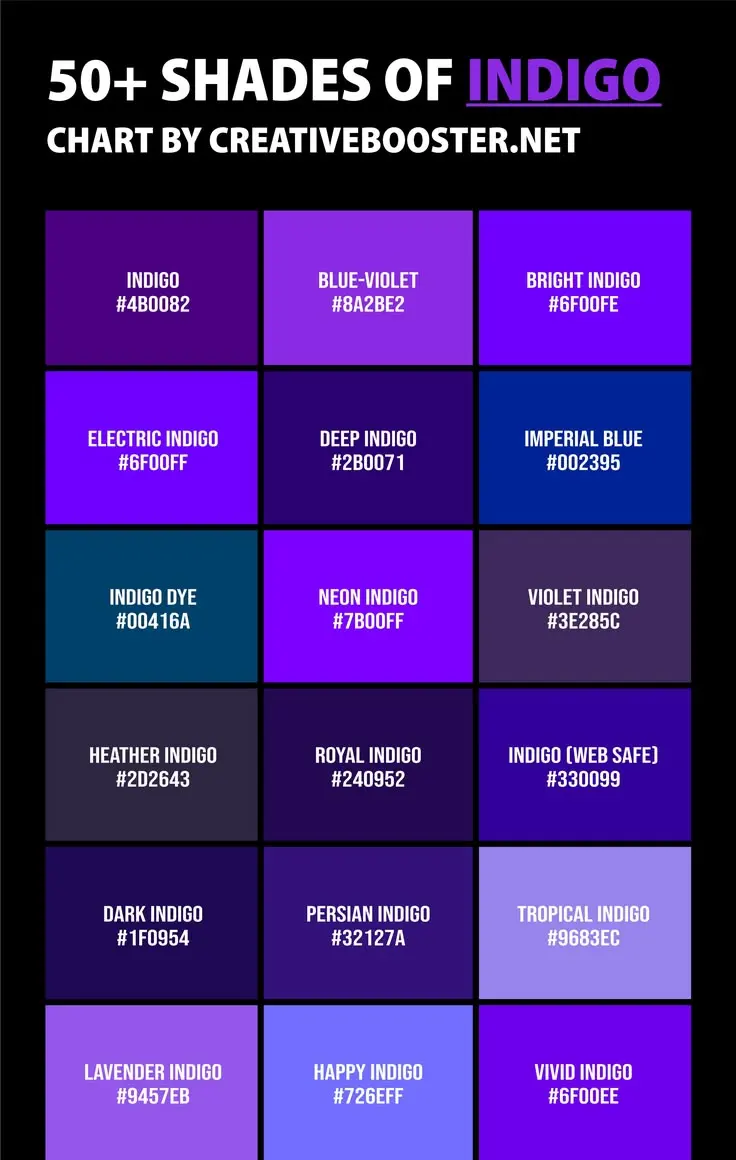
Indigo is a versatile color that can be shifted toward warmer or cooler tones depending on your artistic needs. If you want a "denim" indigo, which appears slightly faded or desaturated, mix your indigo with a small amount of white and a hint of gray. This creates a softer, more atmospheric look that is commonly found in textiles and landscape paintings.
For a "midnight" indigo, which leans toward a darker, more mysterious tone, add a touch of black or a deep, dark brown like Van Dyke brown. This deepens the color without stripping away the blue-violet character. Always remember that you can add more color to a mixture, but you cannot easily remove it. Start with a light touch, evaluate the color under natural lighting, and adjust incrementally until you reach the specific shade of indigo that suits your creative vision.
Key facts
- Indigo is a deep, rich color located between blue and violet on the visible spectrum.
- To create indigo using paint, mix a primary blue with a small amount of red or violet.
- Using a high-quality ultramarine blue provides the best base for achieving a deep indigo hue.
- Avoid adding too much red, as this will shift the color toward a muddy purple or plum.
- Adding a tiny touch of black can deepen the tone, but use it sparingly to prevent the color from looking gray.
- Isaac Newton originally included indigo in the seven-color rainbow spectrum to align with the seven days of the week and musical notes.
The bottom line
Indigo is a sophisticated, deep color that sits at the intersection of blue and violet. To create it, start with a rich blue pigment and gradually incorporate small amounts of red or purple until you reach the desired depth. By avoiding excessive amounts of black or red, you can maintain the color's vibrancy and avoid a muddy finish, resulting in a beautiful, classic hue.
People also ask
Is indigo considered a primary color?
No, indigo is a secondary or tertiary color depending on the color model. In traditional art, it is a mixture, and in the RGB light model, it is not one of the three primary colors.
How does indigo differ from navy blue?
Navy blue is a very dark, desaturated blue that typically lacks the purple undertones found in indigo. Indigo possesses a distinct violet bias that gives it a more vibrant, jewel-toned appearance.
Can I make indigo using markers or colored pencils?
You can achieve an indigo effect by layering a blue marker over a purple one. Apply the blue first, then lightly shade with purple until the desired depth is reached.
Why do some people say indigo is not a real color?
Some scientists argue that indigo is just a shade of blue or violet rather than a distinct spectral color. Newton’s inclusion of indigo was largely symbolic rather than based on a physical distinction.
What is the historical source of indigo dye?
Historically, indigo dye was extracted from the leaves of plants in the Indigofera genus. This natural pigment was highly valued for centuries for its deep, permanent blue color.
Does mixing light create the same indigo as mixing paint?
Mixing light follows the additive color model, where blue and violet light combine to form indigo. Mixing paint follows the subtractive model, which relies on pigments to absorb different wavelengths of light.
This answer was created with the help of AI research tools and reference sources. Spotted an error? Let us know — we correct mistakes quickly. See our editorial policy.