What colors make brown?
Short answer
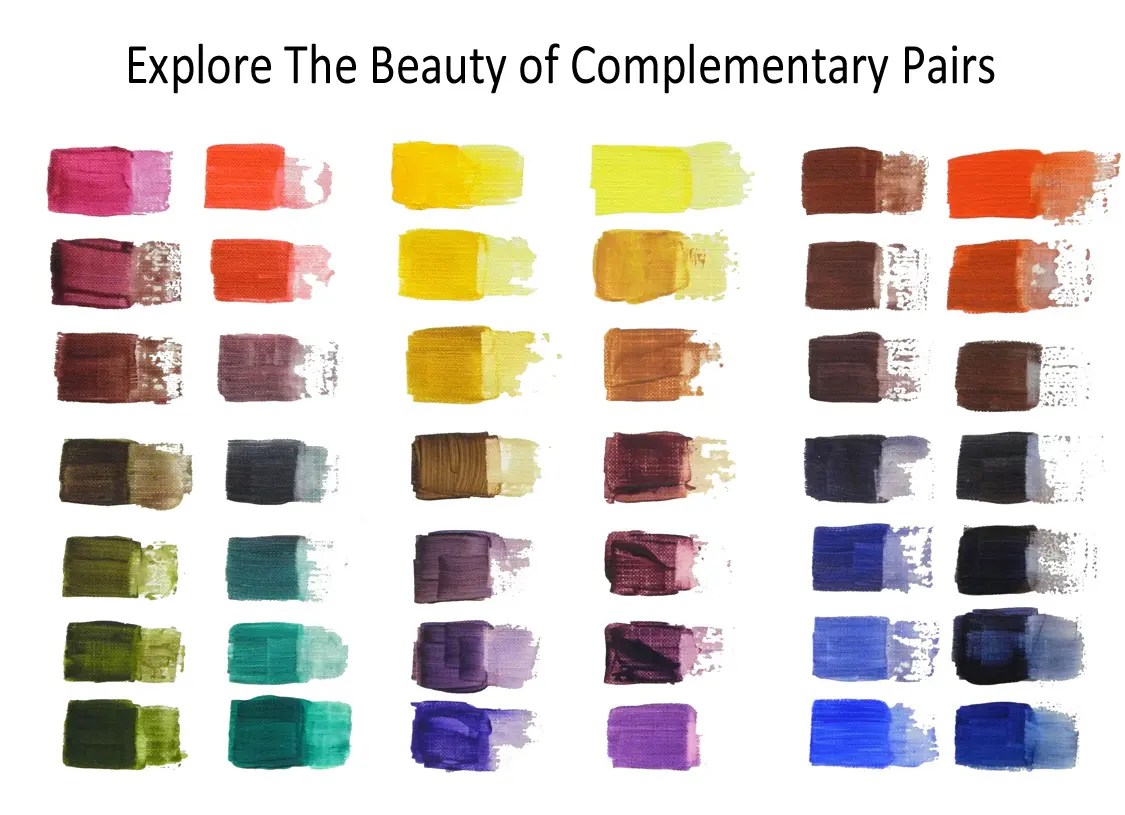
Brown is created by mixing all three primary colors—red, yellow, and blue—together. Because brown is a composite color, its specific shade depends on the proportions used. You can also achieve brown by mixing complementary colors, such as blue and orange, red and green, or yellow and purple, in varying ratios.
On this page
How to mix brown using primary colors
The most fundamental way to create brown is to combine the three primary colors: red, yellow, and blue. When these pigments are mixed, they absorb most of the light that hits them, resulting in a dark, neutral hue that the human eye perceives as brown. The exact shade you produce depends heavily on the specific pigments you choose. For instance, using a cool red like alizarin crimson will result in a different brown than using a warm, orange-leaning cadmium red.
To achieve a balanced, neutral brown, start with equal parts of each color. If the mixture appears too dark, add a small amount of white to lighten it. If it leans too red or blue, adjust the balance by adding a touch of the remaining primary colors. Experimenting with these ratios allows you to create a vast spectrum of browns, ranging from light tans to deep, chocolatey tones.
- Start with a small pile of yellow paint on your palette.
- Add an equal amount of red paint and mix thoroughly to create orange.
- Gradually introduce small amounts of blue paint until the orange shifts into a rich brown.
- Adjust the shade by adding more yellow for warmth or more blue for a cooler, darker tone.
How to mix brown using complementary colors
Mixing complementary colors is often considered the most efficient way to create brown because it relies on the principle of color neutralization. Complementary colors are pairs located directly opposite each other on the color wheel. When mixed, they cancel out each other’s intensity, effectively turning the mixture into a neutral brown. This method is highly favored by professional painters because it allows for more control over the "temperature" of the brown, making it easier to achieve natural-looking shadows and earth tones.
There are three primary color pairs you can use to create brown through this method:
- Blue and orange: This combination typically produces a warm, earthy brown.
- Red and green: This pairing often results in a deep, olive-toned or reddish-brown.
- Yellow and purple: This mixture tends to create a muted, grayish-brown or taupe.
By adjusting the ratio of these pairs, you can shift the brown toward the dominant color. For example, adding more orange to a blue-orange mix will yield a vibrant, golden-brown, while adding more blue will result in a dark, moody espresso color.
Why color temperature matters in mixing
Understanding color temperature is essential for achieving the specific shade of brown you desire. In color theory, colors are categorized as either warm or cool. Warm colors, such as reds, oranges, and yellows, tend to advance visually, while cool colors, such as blues, greens, and purples, tend to recede. When you mix brown, the temperature of your base pigments dictates whether the final result will look like a warm mahogany or a cool, slate-like brown.
If you are painting a landscape, you might need a warm brown for tree trunks or soil, which can be achieved by using warm-toned primaries. Conversely, if you are painting shadows on a cool-toned subject, you may want a brown that leans toward blue or violet. To test the temperature of your brown, try spreading a thin layer of the paint on a white surface. If it looks muddy or flat, you can "warm it up" with a touch of yellow or red, or "cool it down" with a hint of blue.
Common mistakes when mixing brown
One of the most frequent errors beginners make is adding too much black paint to a mixture. While black can darken a color, it often "muddies" the hue, making it look dull, flat, or lifeless. Instead of using black to darken your brown, try using a deep blue, such as ultramarine, or a dark purple. These colors provide depth and complexity without stripping the brown of its chromatic character. Another common mistake is over-mixing the paint, which can cause the pigments to lose their individual vibrancy and result in a flat, uninteresting gray.
- Avoid using pure black to darken your brown, as it kills the luminosity of the mixture.
- Do not over-mix; stop once the colors are blended to maintain slight variations in the pigment.
- Be cautious with the amount of blue added, as it is a strong pigment that can quickly overpower yellow and red.
- Always clean your brush between adding different colors to prevent contamination of your primary paint tubes.
Best practices for consistent results
To achieve consistent, high-quality browns, organization and documentation are key. Keep a small notebook or a color chart where you record the specific brands and ratios of the paints you used to create a particular shade. Since different paint brands use different pigments, a "cadmium red" from one manufacturer may behave differently than one from another. By tracking your successful mixes, you can replicate your favorite earth tones for future projects without having to start from scratch.
Finally, always mix more paint than you think you will need. It is notoriously difficult to recreate the exact same shade of brown once you have run out, as even a tiny variation in the ratio of pigments can lead to a noticeable difference in the final color. If you are working on a large canvas, mix a generous amount in a palette cup to ensure uniformity across the entire work. Following these practices will help you master the art of mixing brown and provide you with a reliable palette for any artistic endeavor.
Key facts
- Brown is a composite color created by mixing all three primary colors: red, yellow, and blue.
- You can create brown by mixing complementary colors, such as blue and orange, red and green, or yellow and purple.
- Adding more blue to a mixture will result in a cooler, darker brown, while adding more red or yellow creates a warmer tone.
- To lighten any brown, add white; to darken it, add a small amount of black or a deep blue.
- A common mistake is adding too much black, which often turns the mixture into a muddy, flat gray.
- Artists often use "earth tones" like burnt sienna or raw umber, which are naturally occurring pigments that simplify the mixing process.
The bottom line
Brown is a versatile, neutral color achieved by combining the three primary colors or any pair of complementary colors. By adjusting the proportions of red, yellow, and blue, you can create a vast spectrum of warm or cool earth tones. Remember to add pigments slowly to maintain control over the hue, and avoid over-mixing to ensure your final color remains rich, vibrant, and professional in appearance.
People also ask
How do I make brown lighter?
To lighten brown, incorporate white paint or a lighter tint like cream or beige. Add the light color gradually to avoid turning the mixture into a washed-out tan.
Why does my brown look like mud?
Muddy brown typically occurs when you mix too many colors together, especially if those colors are not perfectly clean. Stick to two complementary colors or three primary colors to keep the hue vibrant.
Can I make brown using only two colors?
Yes, mixing any pair of complementary colors—red and green, blue and orange, or yellow and purple—will produce brown. These pairs sit directly opposite each other on the color wheel.
What is the best way to darken brown?
Use a tiny amount of black or a dark blue pigment to deepen the shade. Start with a very small dab, as dark pigments can quickly overpower the original brown mixture.
Are there different types of brown?
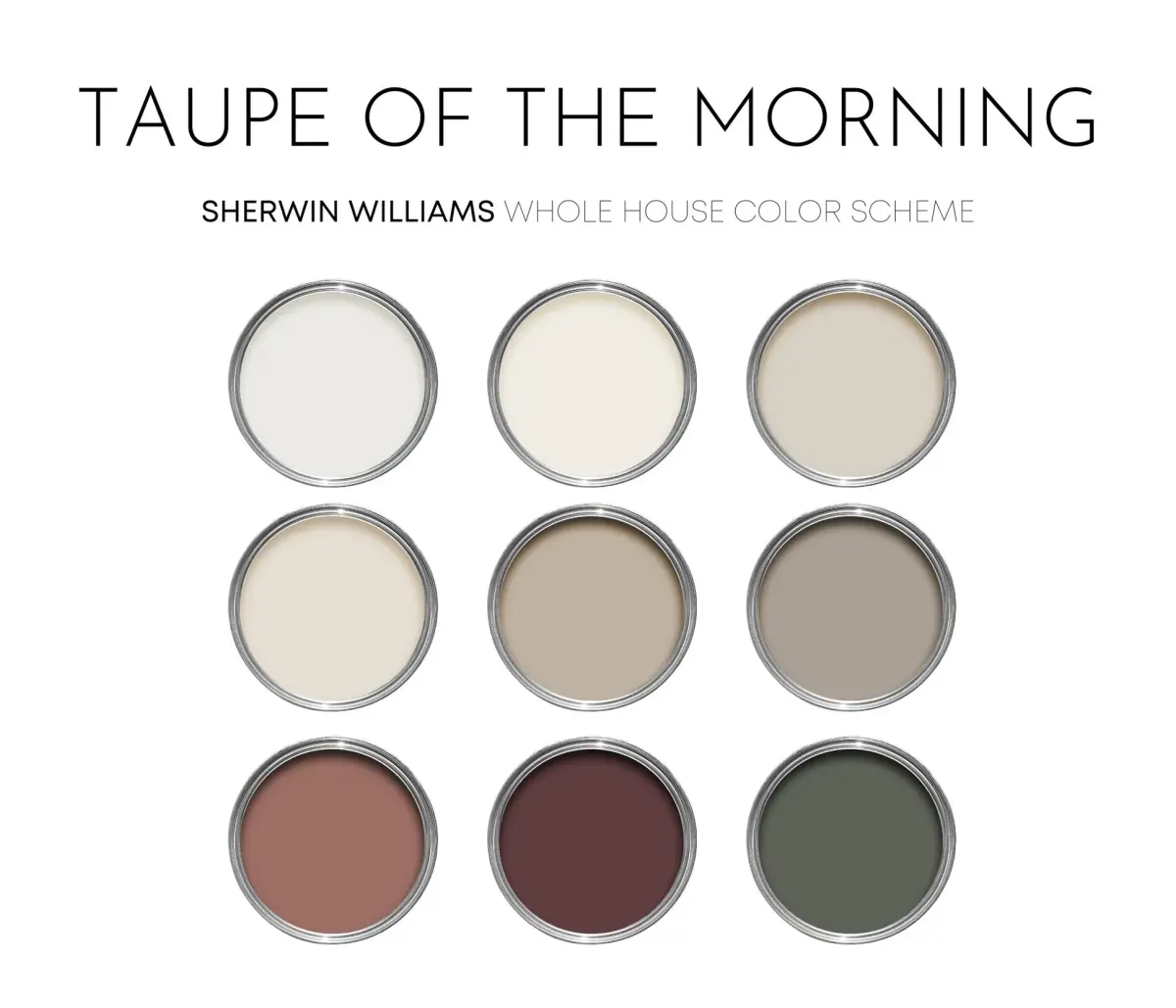
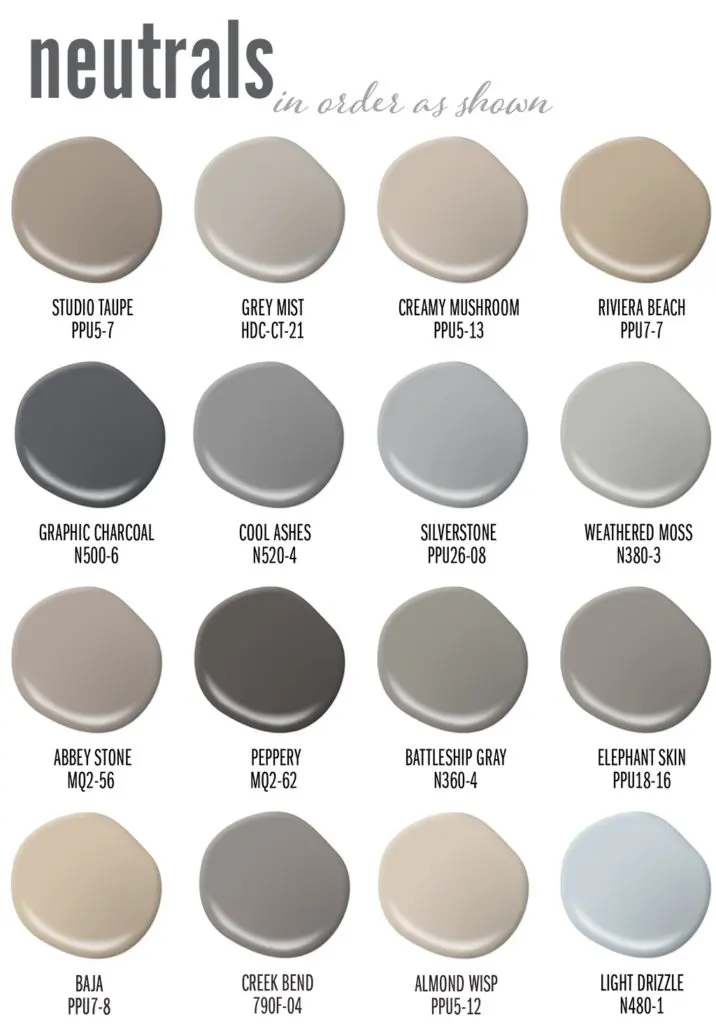
Brown comes in many varieties, including chocolate, mahogany, tan, and taupe. These are achieved by adjusting the ratios of the primary colors used in the initial blend.
Does the type of paint affect the brown I make?
Yes, the transparency and pigment quality of your paints will change the final result. Oil paints, acrylics, and watercolors behave differently when blended, so test your ratios on a scrap surface first.
This answer was created with the help of AI research tools and reference sources. Spotted an error? Let us know — we correct mistakes quickly. See our editorial policy.