What colors make dark brown?
Short answer
Dark brown is created by mixing the three primary colors—red, yellow, and blue—in specific proportions. To achieve a deeper, darker shade, you must increase the ratio of blue or add a touch of black or complementary colors like purple or green to neutralize the vibrancy of the initial mixture.
On this page
How to mix dark brown with primary colors
Creating a dark brown begins with the fundamental principle of color theory: mixing red, yellow, and blue. Because brown is a neutral color, it is technically a desaturated orange. To reach a dark brown, you start by creating a base brown and then adjusting the intensity. A common starting point is a 2:2:1 ratio of yellow, red, and blue, but this usually results in a medium, warm brown.
To darken this mixture, you must shift the balance toward the cooler end of the spectrum. Adding more blue will naturally deepen the tone, as blue is the darkest of the three primary colors. If the mixture appears too muddy or grey, reintroduce small amounts of red or yellow to maintain the warmth of the brown. Experimenting with these ratios allows you to control whether your brown leans toward a chocolate, mahogany, or espresso hue.
Why color temperature matters in mixing
Understanding color temperature is essential when you want to achieve a specific shade of dark brown. Colors are categorized as warm or cool, and the specific pigments you choose will dictate the final outcome. For instance, using a warm "cadmium red" will produce a different brown than a cool "alizarin crimson." Similarly, a cool "ultramarine blue" will yield a vastly different result than a warm "cerulean blue."
If you are aiming for a rich, deep dark brown, it is often best to use cool-toned primaries. Cool blue and cool red tend to create a more neutral, dark base that is easier to manipulate. If your mixture looks too vibrant or orange, you are likely using colors that are too warm. By selecting pigments with a blue bias, you automatically move the mixture closer to a dark, sophisticated brown without needing to add black paint.
How to darken brown using complementary colors
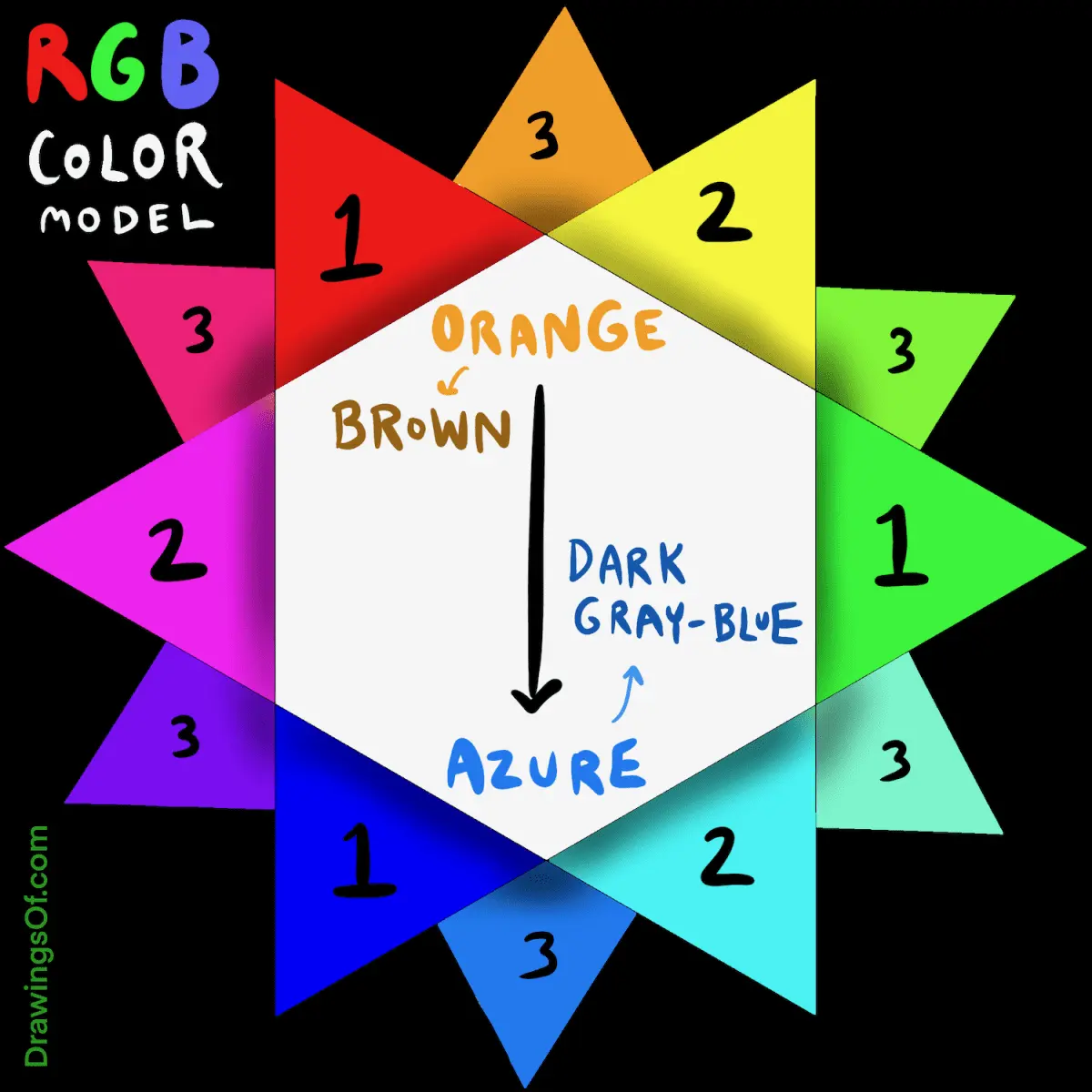
Rather than relying on black paint, which can often make colors look dull or "chalky," professional artists use complementary colors to darken and neutralize their mixtures. A complementary color is one located directly across from another on the color wheel. Since brown is essentially a dark orange, the most effective way to darken it is to add its complement: blue.
- Start by mixing a standard medium brown using red and green or orange and blue.
- Gradually add small amounts of blue or purple to the mixture.
- Stir thoroughly after each addition to ensure the pigment is evenly distributed.
- Test the color on a white surface to see how it looks against the light.
- If the color becomes too cool, add a tiny speck of red to bring back the warmth.
Using this method produces a much more vibrant and "alive" dark brown than simply adding black, as it retains the depth and complexity of the original pigments.
Common mistakes when mixing dark brown
One of the most frequent errors beginners make is adding too much black paint too quickly. Black is an extremely potent pigment that can easily overpower a mixture, turning a beautiful dark brown into a flat, lifeless grey. If you must use black, always introduce it in microscopic amounts using the tip of a palette knife, rather than a brush.
Another common mistake is over-mixing the pigments. When you stir paint for too long, the individual colors can become completely homogenized, losing the subtle variations that make a dark brown look natural. If you leave the paint slightly under-mixed, you create a "marbled" effect that adds visual interest and depth to your work. Finally, avoid using low-quality paints, as they often contain fillers that prevent the colors from blending cleanly, resulting in a muddy, unattractive mess rather than a rich, dark brown.
Best tools for mixing dark brown
To achieve consistent results, the tools you use are just as important as the pigments themselves. A glass or plastic palette is superior to wood, as it does not absorb the oils or binders in the paint. A palette knife is the most effective tool for mixing, as it allows you to scrape the edges of the paint pile and fold the colors together without trapping air bubbles or damaging your brushes.
- Palette knife: Essential for thorough, streak-free mixing.
- White surface: Use a white palette or tile to accurately judge the darkness of your brown.
- High-quality pigments: Professional-grade paints have higher pigment loads, which yield deeper colors.
- Lint-free rags: Keep these nearby to clean your knife between additions to prevent cross-contamination.
- A sketchbook: Record your ratios so you can replicate your favorite dark brown shades in the future.
By maintaining a clean workspace and using the right equipment, you can master the art of color mixing and produce a wide variety of dark brown tones for any project.
Key facts
- Dark brown is a tertiary color created by mixing all three primary colors: red, yellow, and blue.
- To darken a brown mixture, add a small amount of black or a deep purple, such as dioxazine violet.
- Mixing complementary colors, such as orange and blue, is the most reliable way to create a neutral brown base.
- Adding more blue to your brown mixture will shift the tone toward a cool, deep espresso shade.
- If your brown appears too gray or muddy, add a touch of red or orange to restore warmth.
- Always add dark pigments to light pigments gradually, as it is much easier to darken a color than to lighten it.
The bottom line
Creating dark brown is a fundamental skill in color theory that relies on balancing the three primary colors. By starting with a base of orange and blue, you can achieve a neutral brown and then deepen it using black or dark violet. The key is to add pigments slowly, testing your mixture frequently to ensure the final shade matches your desired intensity and temperature.
People also ask
How do I make brown lighter?
To lighten brown, add small amounts of white or yellow paint. White will create a tan or beige shade, while yellow will shift the brown toward a warm, golden ochre.
Can I make brown using only two colors?
You can create a basic brown by mixing orange and blue. Since orange is a secondary color made of red and yellow, this combination effectively incorporates all three primary colors.
Why does my brown paint look green?
Your mixture likely contains too much blue or yellow. To neutralize the green tint, add a tiny amount of red, which is the complementary color to green on the color wheel.
What is the best way to achieve a rich, dark brown?
Start by mixing equal parts red, yellow, and blue to create a base brown. Gradually deepen the shade by adding small amounts of black or a dark complementary color like burnt umber.
Is there a difference between mixing paint and mixing light?
Yes, mixing paint follows the subtractive color model, where colors get darker as you add more pigment. Mixing light follows the additive model, where combining all colors results in white light.
How do I fix a brown that looks too red?
If your brown is too red, add a small amount of green or blue to balance the tone. These colors act as cool-toned opposites that will neutralize the excess warmth.
This answer was created with the help of AI research tools and reference sources. Spotted an error? Let us know — we correct mistakes quickly. See our editorial policy.