What is Color Field painting?
Short answer
Color Field painting is a style of abstract art that emerged in the United States during the late 1940s. It is defined by large, flat expanses of color that fill the canvas, intended to evoke emotional or meditative responses. By prioritizing pure color over gesture or form, artists sought to achieve a sense of sublime transcendence.
On this page
What defines Color Field painting?
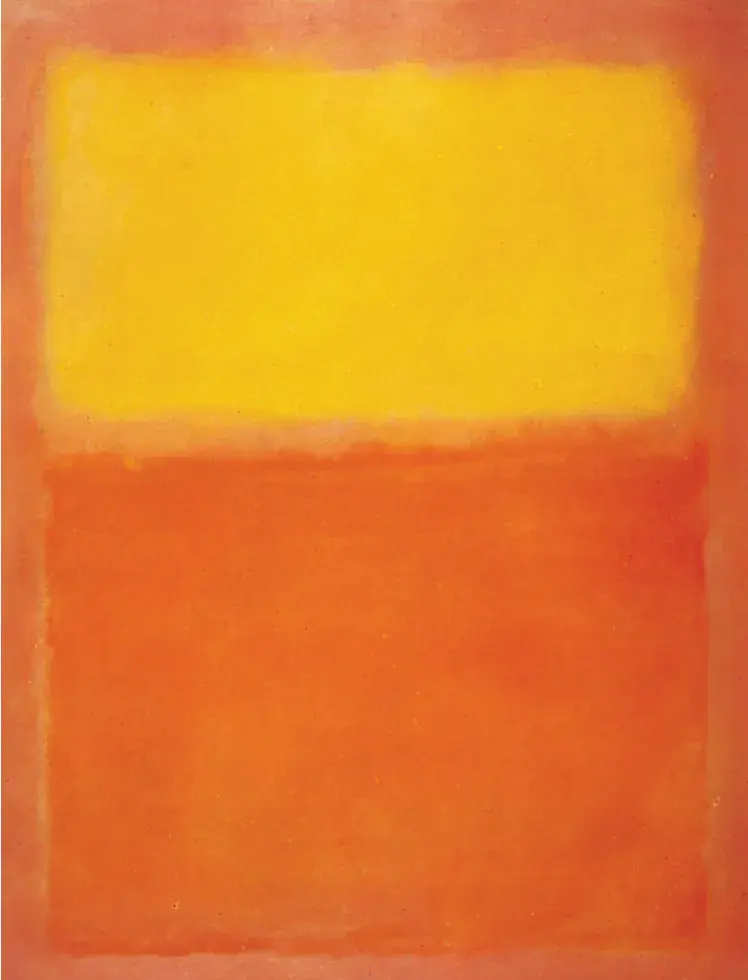
Color Field painting is a branch of Abstract Expressionism that shifted focus away from the aggressive, physical brushwork of action painters. Instead of using paint to record a struggle or a specific narrative, these artists treated the canvas as a unified surface. The primary goal was to eliminate the distinction between the figure and the ground, creating an immersive experience where color functions as the subject itself.
The aesthetic relies on large-scale formats that overwhelm the viewer's peripheral vision. By removing traditional compositional elements like perspective or focal points, the artist forces the audience to engage with the canvas as a singular, atmospheric presence. This approach emphasizes the physical properties of paint, often using thin, translucent washes that soak directly into unprimed canvas to create a stained effect.
Who are the most famous Color Field artists?
The movement was spearheaded by a small group of painters who sought to strip art down to its most essential, spiritual components. Mark Rothko is perhaps the most iconic figure, known for his "multiforms"—stacked, soft-edged rectangles of color that seem to hover in space. His work is frequently cited for its profound emotional resonance and its ability to induce a state of contemplation.
Other key figures include:
- Barnett Newman: Famous for his "zips," vertical lines that divide vast fields of color to create a sense of scale and presence.
- Helen Frankenthaler: A pioneer of the "soak-stain" technique, where she poured thinned paint onto raw canvas to create fluid, organic shapes.
- Morris Louis: Known for his "veils" and "stripes," which utilized gravity to guide paint into complex, overlapping color patterns.
- Kenneth Noland: Focused on geometric precision, often using concentric circles or chevrons to explore the optical relationships between different hues.
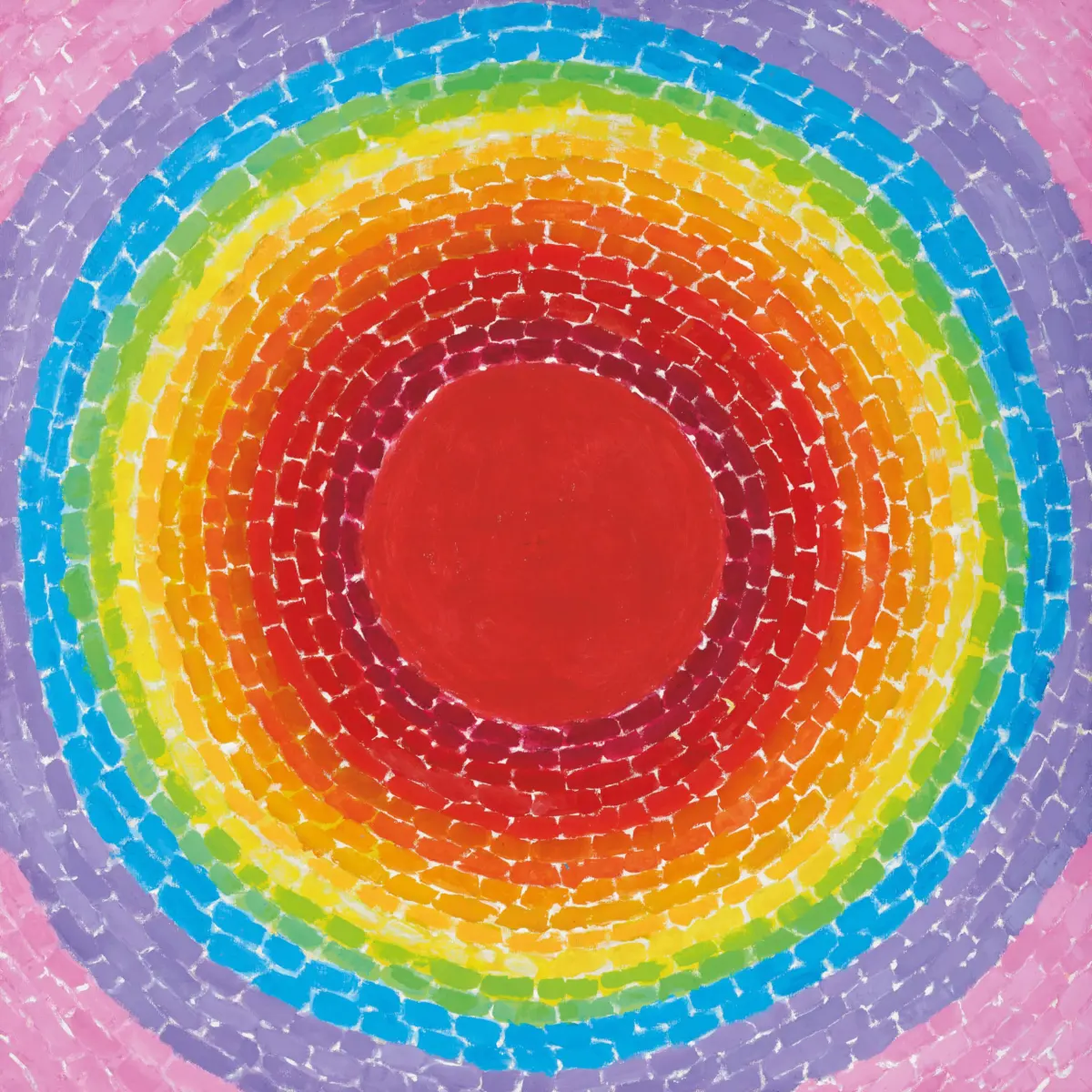
How to identify Color Field works
Identifying a Color Field painting requires looking past the simplicity of the surface to understand the artist's intent. Because these works often look like simple blocks or washes of color, viewers might mistakenly assume they are easy to produce. However, the complexity lies in the subtle variations of tone, the saturation of the pigment, and the way the colors interact with one another across the vast expanse of the canvas.
When examining a work, pay attention to these specific characteristics:
- Scale: The paintings are almost always massive, intended to wrap around the viewer.
- Texture: Look for a lack of traditional brushstrokes; the paint often appears to be part of the fabric itself.
- Edge: Observe whether the edges of the shapes are sharp or blurred, as this dictates how the color "breathes" on the canvas.
- Light: Notice how the color seems to emanate from within the canvas rather than reflecting off the surface.
Common mistakes when analyzing abstract art
A frequent error is searching for a concrete "meaning" or a hidden image within the painting. Color Field artists specifically rejected the idea that a painting should represent an object or a story. When you look for a face, a landscape, or a symbol, you miss the intended experience of the work, which is purely about the physiological and psychological impact of pure color.
Another mistake is viewing these works through a digital screen. Because the impact of Color Field painting is tied to its physical scale and the way light interacts with the texture of the paint, a photograph cannot replicate the experience. The work is designed to be encountered in person, where the size of the canvas forces the viewer to confront the color as a physical environment rather than a static image.
How to appreciate Color Field painting
To truly appreciate this style, you must allow yourself time to sit with the work. The meditative quality of these paintings does not reveal itself in a quick glance. Start by standing at a distance that allows the entire canvas to fill your field of vision, then slowly move closer to observe the nuances of the pigment application and the subtle layering of colors.
If you are looking to explore this movement further, follow these steps:
- Visit a museum with a dedicated Abstract Expressionist collection to see the works in their intended scale.
- Research the "soak-stain" technique to understand how artists manipulated the canvas material.
- Read about the philosophical influences of the time, such as the interest in existentialism and Eastern mysticism.
- Compare the works of different artists to see how they used color to express varying moods, from the somber, dark tones of Rothko to the vibrant, energetic hues of Noland.
By removing the distractions of representational imagery, you can begin to perceive how color alone can shape your mood and perception. This practice of "slow looking" is the most effective way to connect with the profound, quiet power that defined the Color Field movement.
Key facts
- Color Field painting emerged in New York City during the late 1940s as a major branch of Abstract Expressionism.
- Artists focused on large, flat areas of solid color to create a meditative, immersive experience for the viewer.
- Painters often used "soak-stain" techniques, thinning paint with turpentine to let it soak directly into raw, unprimed canvas.
- Key figures include Mark Rothko, Barnett Newman, Helen Frankenthaler, and Morris Louis.
- Avoid using heavy, gestural brushstrokes, as the goal is to eliminate the artist's physical presence and focus solely on the color.
- When viewing these works, stand close to the canvas to allow the expansive fields of color to fill your entire peripheral vision.
The bottom line
Color Field painting redefined modern art by shifting focus from the artist’s gesture to the raw power of pure color. By utilizing expansive canvases and fluid staining techniques, artists like Mark Rothko invited viewers into a contemplative, immersive space. This movement proved that simplicity in form could evoke profound emotional responses, forever changing how we perceive the relationship between color, light, and the human experience.
People also ask
How does Color Field painting differ from Action Painting?
Action Painting, associated with Jackson Pollock, emphasizes the physical act of throwing or dripping paint to record movement. In contrast, Color Field painting prioritizes static, expansive planes of color that emphasize emotional resonance rather than physical energy.
What is the significance of the large scale in these paintings?
The massive size of these canvases is intended to overwhelm the viewer's field of vision. By removing the frame of reference provided by the edges of the canvas, the artist creates an environment that feels infinite.
Why is raw canvas used in many of these works?
Using unprimed canvas allows the paint to become part of the fabric's structure rather than sitting on top of it. This creates a matte, unified surface that enhances the luminosity and depth of the pigments.
Is Color Field painting considered a form of Minimalism?
While they share a focus on simplicity, Color Field painting is generally more concerned with spiritual or emotional expression. Minimalism, which emerged later, tends to be more detached, industrial, and focused on the literal object.
What should I look for when observing a Color Field painting?
Look for subtle variations in hue, the way colors bleed into one another, and how the light interacts with the texture of the canvas. Pay attention to how your own mood shifts as you spend time in front of the color.
Can I create a Color Field painting at home?
Yes, you can experiment by thinning acrylic paint with water or pouring medium and applying it to a stretched, unprimed canvas. Avoid overworking the paint; let the fluid nature of the medium dictate the final form.
This answer was created with the help of AI research tools and reference sources. Spotted an error? Let us know — we correct mistakes quickly. See our editorial policy.