What is Fauvism?
Short answer
Fauvism was a short-lived but revolutionary early 20th-century art movement defined by the use of intense, non-naturalistic colors and bold, expressive brushwork. Emerging in France around 1905, Fauvist painters prioritized emotional impact and subjective experience over realistic depiction, fundamentally altering the trajectory of modern art by liberating color from its descriptive function.
On this page
What defined the Fauvist style?
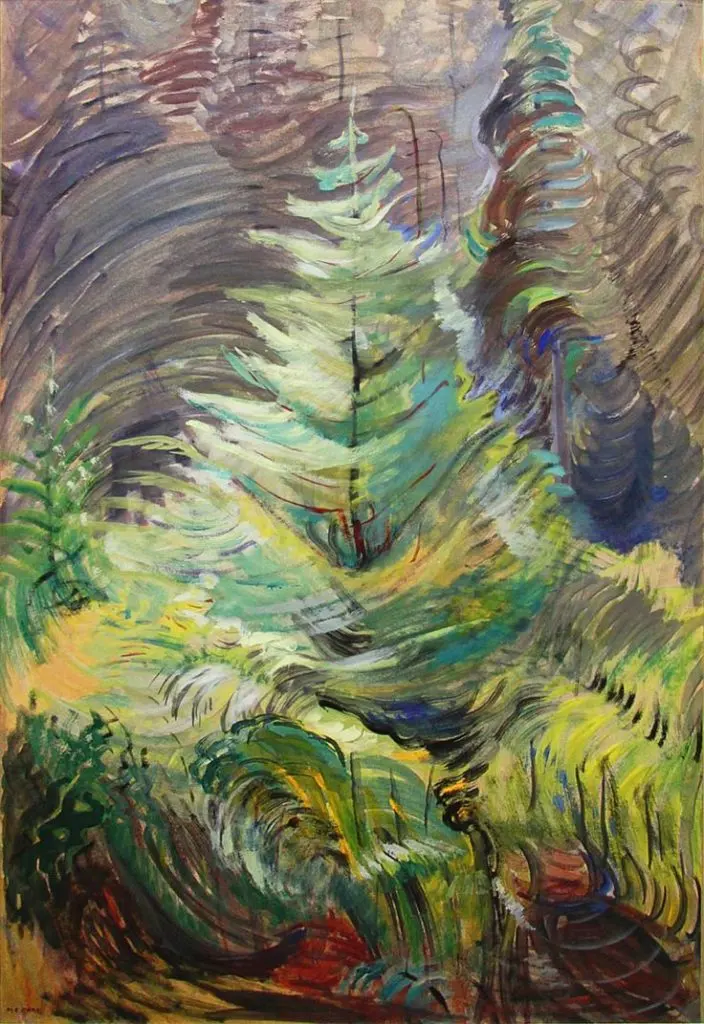
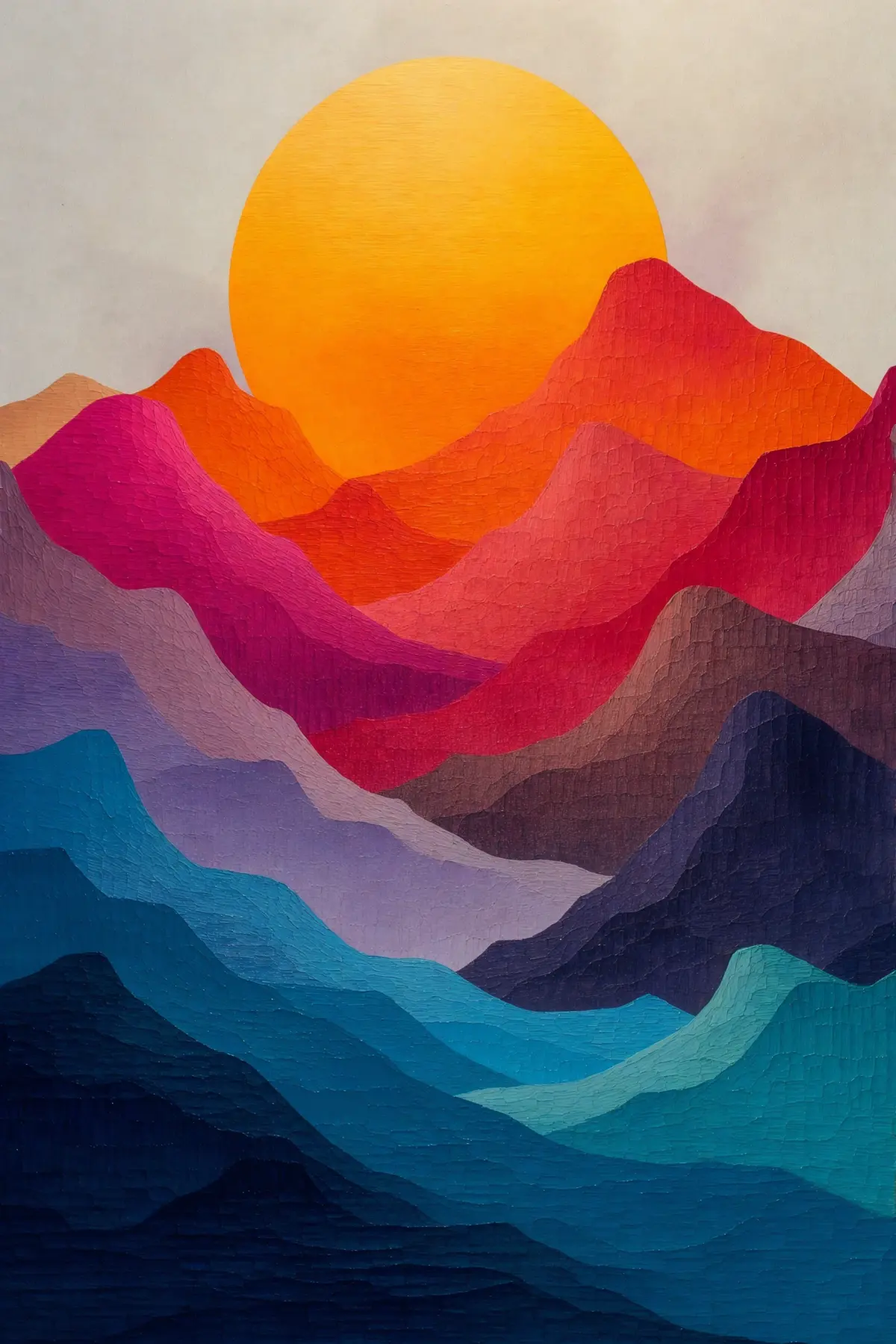
The Fauvist movement, active primarily between 1905 and 1908, centered on the radical application of pure, unmixed color directly from the tube. Artists associated with the group sought to express their personal feelings about a subject rather than recording its literal appearance. By applying vibrant hues—such as emerald green skies or crimson faces—they moved away from the traditional constraints of shading and perspective. This approach prioritized the two-dimensional nature of the canvas, emphasizing the physical presence of paint.
The term "Fauves," meaning "wild beasts," was coined by critic Louis Vauxcelles during the 1905 Salon d'Automne exhibition in Paris. He used the term to describe the shocking, aggressive quality of the works displayed by Henri Matisse and his contemporaries. While the movement was brief, its rejection of academic realism laid the essential groundwork for later developments in Expressionism and abstraction. Key characteristics of the style include:
- High-chroma, arbitrary color palettes that do not match reality.
- Simplified forms and flattened spatial depth.
- Energetic, visible brushstrokes that convey movement and spontaneity.
- A focus on decorative patterns rather than photographic accuracy.
Who were the key Fauvist artists?
Henri Matisse is widely considered the leader and most influential figure of the movement. His work, such as "Woman with a Hat" (1905), epitomizes the Fauvist ethos by using clashing colors to define form. Matisse believed that art should be a source of pleasure and balance, a philosophy he maintained throughout his long career. His experimentation during these years provided the intellectual framework that allowed other artists to break free from the rigid expectations of the French art establishment.
Other notable artists who contributed to the movement include André Derain and Maurice de Vlaminck, who were instrumental in defining the "wild" aesthetic. Derain’s landscapes of London and Collioure demonstrate a rhythmic, mosaic-like application of color, while Vlaminck’s work is characterized by a more turbulent, visceral intensity. Together, these artists transformed the Parisian art scene, proving that color could serve as a primary subject rather than a secondary tool. Their collaborative efforts during the summer of 1905 in the Mediterranean town of Collioure are often cited as the definitive birth of the movement.
How to identify a Fauvist painting
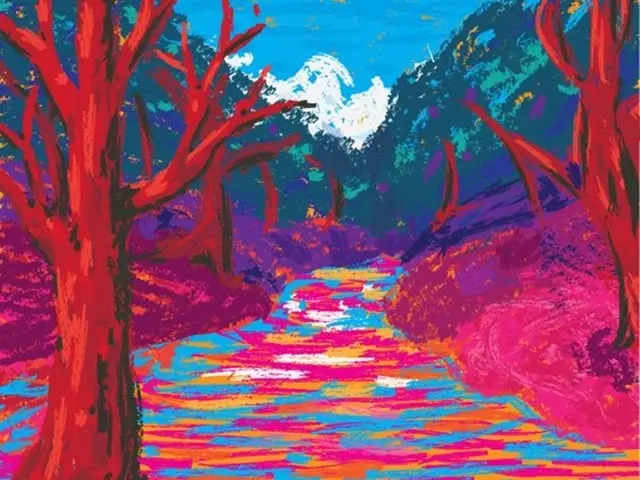
Identifying a Fauvist work requires looking past the subject matter to the way the artist handles pigment. If you see a landscape where the trees are bright blue or a portrait where the shadows are rendered in vivid purple, you are likely looking at a Fauvist-inspired piece. The goal was never to capture a scene accurately, but to capture the "sensation" of the scene. The composition often feels immediate and unrefined, as if the artist painted with great speed and fervor.
To analyze these works effectively, consider these three steps:
- Examine the color palette: Look for intense, non-naturalistic colors that seem to vibrate against one another.
- Evaluate the brushwork: Observe if the strokes are thick, choppy, or clearly visible, indicating a focus on the act of painting itself.
- Assess the perspective: Check if the background and foreground appear flattened, as Fauvists often ignored traditional atmospheric perspective to emphasize the surface of the canvas.
If the painting relies on subtle gradients or realistic lighting to create depth, it is likely not a Fauvist work, as those techniques were intentionally rejected by the group.
Why did Fauvism end so quickly?
Fauvism was never a formal school with a manifesto or a rigid set of rules, which contributed to its rapid dissolution. By 1908, the artists involved began to move in different directions as they explored new intellectual interests. Matisse became increasingly interested in structural balance and decorative harmony, leading him toward his later, more controlled masterpieces. Meanwhile, other artists like Georges Braque began to experiment with the geometric fragmentation that would soon evolve into Cubism.
The movement was essentially a bridge between the Post-Impressionist experiments of Vincent van Gogh and Paul Gauguin and the more structured avant-garde movements that followed. Once the initial shock of the "wild" color palette wore off, the artists felt the need for more discipline and formal rigor. Fauvism succeeded in its primary goal: it permanently destroyed the requirement that art must imitate nature. By the time the movement faded, the concept of "art for art's sake" had been firmly established, allowing subsequent generations to pursue total abstraction without fearing public or critical rejection.
Common mistakes when studying Fauvism
A frequent error is assuming that Fauvists were unskilled or simply "messy" painters. In reality, these artists were highly trained in traditional techniques and made a deliberate, intellectual choice to abandon them. Their work was not the result of a lack of ability, but a sophisticated reaction against the constraints of 19th-century academic art. Misinterpreting their intentional simplification as a lack of talent undermines the profound impact they had on the evolution of modern visual language.
Another common mistake is conflating Fauvism with German Expressionism. While both movements utilized bold colors, they differ significantly in intent. Fauvism was largely concerned with the decorative and sensory properties of color, whereas German Expressionism often used color to express darker, more psychological, or political anxieties. When viewing these works, avoid the following pitfalls:
- Do not assume the colors are meant to represent actual light conditions.
- Do not look for deep, realistic space, as the artists intentionally flattened the image.
- Do not judge the work by its lack of anatomical or architectural precision.
- Do not ignore the influence of non-Western art, particularly African masks, which deeply inspired the simplified, bold forms used by the Fauves.
Key facts
- Fauvism emerged in France around 1905, characterized by the use of intense, non-naturalistic colors.
- The movement earned its name after critic Louis Vauxcelles called the artists "les fauves," or "wild beasts," due to their aggressive brushwork.
- Henri Matisse is considered the leader of the movement, famously stating he wanted his art to be like a "good armchair" for the viewer.
- Fauvist painters prioritized emotional expression over realistic representation, often painting shadows in bright blue or green instead of black.
- To paint in a Fauvist style, apply pure, unmixed pigments directly from the tube to the canvas to maximize vibrancy.
- Avoid blending colors too thoroughly on the palette, as this creates muddy tones that diminish the characteristic "wild" energy of the style.
The bottom line
Fauvism was a brief but transformative movement that forever changed the role of color in modern art. By prioritizing raw, vibrant pigments over realistic detail, artists like Henri Matisse challenged viewers to experience painting as a direct emotional encounter. This bold approach paved the way for abstraction, proving that color could function as an independent language capable of conveying deep meaning without needing to mimic reality.
People also ask
Who were the most prominent artists associated with Fauvism?
Henri Matisse and André Derain were the primary figures of the movement. Other notable contributors included Maurice de Vlaminck, Raoul Dufy, and Georges Braque before he turned to Cubism.
How long did the Fauvist movement last?
Fauvism was a short-lived revolution, primarily active between 1904 and 1908. By 1909, many of its members had moved on to other styles like Cubism or Expressionism.
Did Fauvists paint outdoors or in studios?
Many Fauvists, particularly Derain and Vlaminck, frequently painted en plein air to capture the immediate impact of sunlight on color. This helped them maintain the spontaneous, energetic quality that defined their work.
What was the main goal of a Fauvist painter?
The goal was to liberate color from its descriptive function. Instead of painting an object the color it appeared in nature, they used color to convey personal feeling and structural harmony.
How did the public initially react to Fauvism?
The public and critics were largely shocked and hostile toward the movement. The bright, clashing colors were viewed as an assault on traditional aesthetic standards and refined taste.
What is the difference between Fauvism and Expressionism?
While both value emotion, Fauvism focuses on the decorative and harmonious arrangement of color. Expressionism, particularly the German variety, often uses distorted forms and darker themes to express psychological anxiety.
This answer was created with the help of AI research tools and reference sources. Spotted an error? Let us know — we correct mistakes quickly. See our editorial policy.