What is naive art?
Short answer
Naive art refers to work created by self-taught artists who lack formal training in traditional techniques, perspective, or academic art theory. Characterized by vibrant colors, simplified forms, and a charming, childlike aesthetic, this style prioritizes personal expression and raw intuition over the rigid rules of professional, institutionalized art movements.
On this page
What defines naive art?
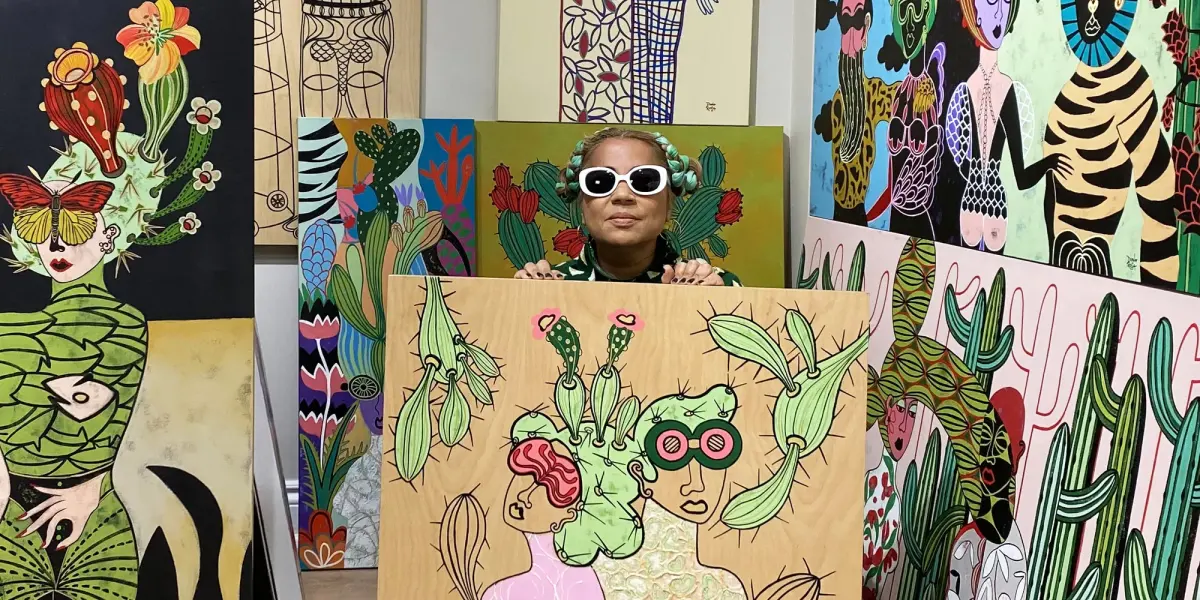
Naive art is defined by the absence of formal artistic education. Unlike artists who attend academies to master anatomy, light, and mathematical perspective, naive artists rely on their own observations and internal vision. This results in works that often appear flat, with non-traditional proportions and a lack of depth. While these pieces might look simplistic, they are frequently complex in their narrative content and emotional honesty.
The movement gained significant recognition in the late 19th and early 20th centuries. Critics began to value the unadulterated perspective of these creators, viewing it as a refreshing departure from the increasingly intellectualized art world. Common traits include:
- A flat, two-dimensional composition.
- Vivid, often unblended, primary colors.
- A focus on domestic, rural, or whimsical subjects.
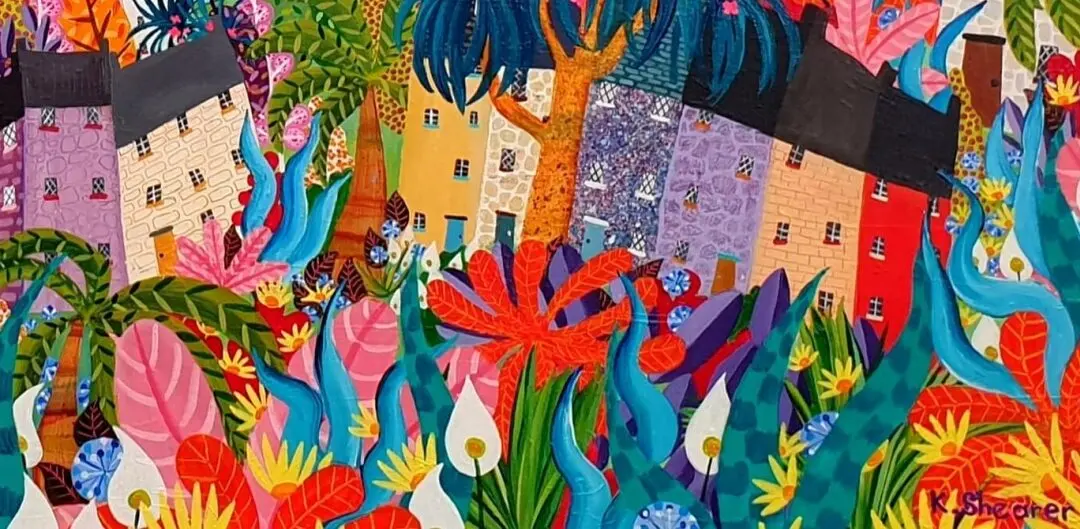
- Intricate, repetitive patterns that fill the entire surface.
- A disregard for traditional atmospheric perspective.
Who are the most famous naive artists?
Henri Rousseau is perhaps the most celebrated figure in the history of naive art. A French customs officer who began painting seriously only in his forties, Rousseau is renowned for his dense, dreamlike jungle scenes. His work was initially mocked by traditional critics, but later championed by avant-garde painters like Pablo Picasso, who recognized the power of his unconventional style.
Other notable figures include Grandma Moses, an American painter who started her career in her late seventies. Her depictions of rural life in the United States became iconic representations of American folk culture. Similarly, the Serbian painter Ivan Generalić brought international attention to the Hlebine school of naive art. These artists shared a common trait: they pursued their craft as a secondary passion or a late-life discovery, unburdened by the pressures of professional art circles.
How to identify naive art in a gallery
Identifying naive art requires looking past the lack of technical polish. When viewing a piece, observe the artist’s approach to space and scale. You will often notice that objects in the background are the same size as those in the foreground, or that the artist has prioritized the importance of a subject over its physical distance. These choices are intentional, reflecting the artist's unique way of seeing the world.
To distinguish naive art from other styles, follow these steps:
- Check for the absence of standard shading or modeling that creates 3D volume.
- Look for "horror vacui," a technique where the artist fills every inch of the canvas with detail.
- Examine the subject matter for themes of daily life, folklore, or personal fantasy.
- Note if the colors are applied in bold, flat blocks rather than subtle gradients.
- Consider the artist's background; most will have had no formal training in fine arts.
Common mistakes when analyzing naive art
A frequent error is assuming that naive art is synonymous with "childish" or "unskilled" work. While the aesthetic may share similarities with children’s drawings, the intent behind naive art is often highly sophisticated. These artists are frequently deliberate in their stylistic choices, using simplification to emphasize a specific narrative or emotional truth. Dismissing these works as merely primitive ignores the intentionality and cultural depth embedded in the compositions.
Another mistake is conflating naive art with "outsider art" or "art brut." While they overlap, outsider art is typically created by individuals who are completely isolated from the mainstream art world, often due to mental health issues or social marginalization. Naive artists, by contrast, are often part of their communities and may even seek recognition within the broader art market. Understanding this distinction helps in appreciating the specific context and motivations behind different types of self-taught creative expression.
Why naive art remains popular today
The enduring appeal of naive art lies in its authenticity. In an era dominated by digital perfection and mass-produced imagery, the handmade, human quality of naive art offers a sense of connection. It reminds viewers that art is a fundamental human activity, accessible to anyone with the desire to observe and create. The lack of academic barriers makes the work feel approachable and deeply personal.
Furthermore, naive art serves as a historical record of cultures that might otherwise go undocumented. Because these artists often focus on their immediate surroundings, their work provides a window into the daily lives, traditions, and environments of specific regions. Whether it is a depiction of a harvest festival or a local legend, the work captures a sense of place that is both specific and universal. By celebrating the individual perspective, naive art continues to inspire new generations of creators to trust their unique, unrefined vision.
Key facts
- Naive art is created by artists who lack formal academic training in art history, theory, or techniques.
- The style is characterized by a deliberate rejection of traditional perspective, resulting in flat, two-dimensional imagery.
- Bright, saturated colors and intricate, repetitive patterns are hallmarks of the genre.
- Henri Rousseau, a French customs officer who began painting in his forties, is the most famous figure in naive art.
- Themes often focus on everyday life, folklore, religious scenes, or idealized, dreamlike landscapes.
- Avoid trying to achieve photorealism, as the charm of naive art lies in its childlike sincerity and lack of technical polish.
The bottom line
Naive art offers a refreshing departure from the rigid rules of academic painting by celebrating pure, uninhibited creativity. By focusing on personal expression rather than technical perfection, these self-taught artists create vibrant, storytelling works that resonate with raw emotional honesty. Whether you are viewing a masterpiece by Henri Rousseau or attempting your own piece, remember that the true value lies in individual perspective and authentic imagination.
People also ask
Is naive art the same as folk art?
While related, folk art typically refers to objects made within a specific cultural tradition or community. Naive art is usually the product of an individual’s unique, personal vision rather than a shared heritage.
Can professional artists create naive art?
A professional artist can adopt a "naive" style, but it is technically considered "primitivism" rather than true naive art. Authentic naive art must originate from a creator who has not been influenced by formal art school training.
What are the most common subjects in naive art?
Artists often depict rural landscapes, bustling city streets, family gatherings, and exotic animals. These subjects are frequently rendered with a sense of wonder and a focus on storytelling rather than accuracy.
Why does naive art often look "incorrect" in terms of scale?
Naive artists prioritize the importance of a subject over its physical size or distance. A person might be painted larger than a house if the artist feels they are the most significant element in the scene.
How can I start creating my own naive art?
Focus on your personal memories or fantasies and paint them exactly as you see them in your mind. Do not worry about shading, vanishing points, or color theory; simply use bold colors and clear, simple shapes.
Why is naive art sometimes called "outsider art"?
The term outsider art is broader and includes work created by people outside the mainstream art world, including those with mental health challenges. Naive art is a specific subset focused on self-taught artists who are often aware of the art world but remain outside its institutions.
This answer was created with the help of AI research tools and reference sources. Spotted an error? Let us know — we correct mistakes quickly. See our editorial policy.