How do you compare yourself less to other artists?
Short answer
Comparing yourself to other artists diminishes your unique creative voice. To stop, shift your focus from external validation to internal progress. Set personal goals, document your own growth, and curate your digital environment. By prioritizing your unique artistic journey over the curated highlights of others, you reclaim your creative autonomy and confidence.
On this page
Why do artists compare themselves to others?
Social comparison is a psychological phenomenon where individuals evaluate their own worth by measuring it against the perceived success of peers. In the arts, this is amplified by platforms that showcase curated portfolios rather than the laborious, messy process of creation. When you view a peer's polished final work, you are seeing a finished product, not the hundreds of hours of failed attempts, sketches, or revisions that preceded it. This creates a "highlight reel" effect, leading to the false assumption that others possess an effortless talent that you lack.
Evolutionary biology also plays a role, as humans are wired to monitor their status within a group to ensure survival. In a professional creative context, this manifests as anxiety about career advancement, gallery representation, or social media engagement metrics. Recognizing that this impulse is a natural, albeit unhelpful, cognitive bias is the first step toward mitigating its impact. Understanding that your creative path is non-linear allows you to detach your self-worth from the external milestones of others.
How to stop comparing your work to others
To break the cycle of comparison, you must cultivate an internal locus of control. This involves shifting your focus from the results others achieve to the specific, measurable goals you set for yourself. By defining success on your own terms, you remove the arbitrary benchmarks set by the broader art market or social media trends.
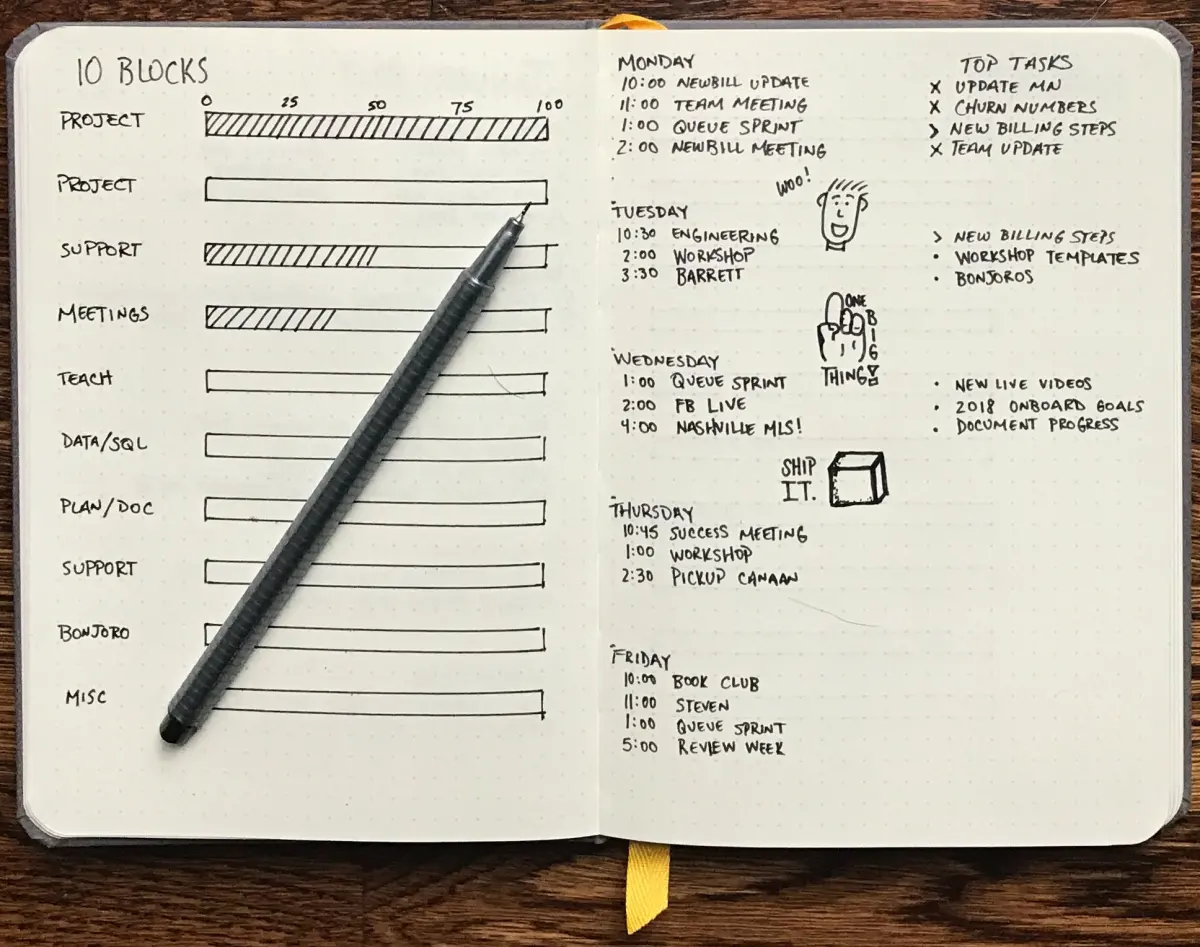
- Keep a private practice journal to document your technical improvements over time.
- Limit your time on social media platforms that trigger feelings of inadequacy.
- Define your own aesthetic goals, such as mastering a specific medium or exploring a new theme.
- Celebrate small, incremental wins that have nothing to do with external recognition.
- Identify your unique "artistic fingerprint" by analyzing what themes or techniques you return to naturally.
When you focus on your own trajectory, you begin to see other artists as peers and potential collaborators rather than competitors. This shift in perspective fosters a sense of community that is far more beneficial to your long-term growth than isolation-driven envy.
Best habits for artistic self-growth
Consistency is the most reliable metric for artistic development. Rather than looking for shortcuts to reach the level of established masters, focus on the daily practice of your craft. Even fifteen minutes of deliberate, focused work can lead to significant breakthroughs over the course of a year. Treat your studio time as a non-negotiable appointment with yourself, ensuring that your creative output remains a priority regardless of external feedback.
- Establish a routine that prioritizes creation over consumption.
- Critique your own work based on your past performance rather than current trends.
- Seek constructive feedback from mentors who understand your specific creative goals.
- Experiment with new tools or styles to keep your practice feeling fresh and vital.
- Accept that periods of stagnation are a normal part of the creative cycle.
By grounding your practice in habit rather than inspiration, you become less reliant on the validation of others. You learn to trust your process, knowing that your skill will inevitably improve through repetition and reflection.

Common mistakes when measuring artistic progress
One major error is using social media metrics—such as likes, shares, or follower counts—as a proxy for artistic quality. These numbers are influenced by algorithms, timing, and marketing strategies, none of which reflect the actual depth or technical proficiency of a piece. Another mistake is comparing your "behind-the-scenes" reality with someone else's public-facing success. You are comparing your internal struggle with their external victory, which is an inherently unfair and inaccurate assessment.
Avoid the trap of "imposter syndrome" by acknowledging that even highly successful artists struggle with self-doubt. Many renowned figures, such as Vincent van Gogh or Georgia O'Keeffe, faced significant periods of obscurity and internal conflict. Believing that you are the only one who feels inadequate is a common misconception that isolates you from the reality of the creative profession. Instead of viewing doubt as a sign of failure, view it as a byproduct of caring deeply about your work and striving for higher standards.
How to build confidence in your own style
Developing a unique style is the ultimate antidote to comparison. When you lean into your personal interests, background, and perspective, your work becomes something that cannot be easily replicated or compared to others. Start by identifying the subjects or techniques that excite you the most, even if they are not currently popular. Authenticity is a powerful differentiator that resonates with audiences more effectively than derivative work that merely mimics successful trends.
Focus on the "why" behind your art. When you have a clear purpose—whether it is to document a specific culture, explore a complex emotion, or push the boundaries of a medium—your work gains a weight that transcends simple aesthetics. As your confidence grows, you will find that you spend less time looking at what others are doing and more time refining your own vision. By dedicating yourself to your own evolution, you transform the act of creating from a competitive race into a lifelong, deeply personal exploration of your own potential.
Key facts
- Focus on your own creative evolution by maintaining a private archive of your work dated from one, three, and five years ago.
- Limit social media consumption to 30 minutes per day to reduce the "highlight reel" effect that skews your perception of others' progress.
- Adopt the "input-to-output" ratio rule, where you spend at least three hours creating for every one hour spent viewing others' work.
- Define success through internal metrics, such as skill mastery or project completion, rather than external metrics like likes or follower counts.
- Utilize the "comparison audit" technique: identify one specific skill an artist you admire has, then create a concrete, 30-day practice plan to improve that skill yourself.
- Recognize that professional artists often have teams, budgets, and years of experience that are not visible in a single finished image.
The bottom line
Comparison is an inevitable byproduct of a creative career, but it becomes destructive when it replaces your own development. By shifting your focus from external validation to internal milestones, you regain agency over your progress. Use the work of others as a roadmap for technical learning rather than a yardstick for your value. Consistency in your personal practice remains the most effective antidote to professional insecurity.
People also ask
Is it normal to feel jealous of other artists' success?
Yes, it is a common psychological response rooted in the human tendency toward social comparison. Acknowledging this feeling without acting on it allows you to channel that energy into your own practice.
How do I stop checking my peers' social media metrics?
Use browser extensions to hide like counts or mute accounts that trigger feelings of inadequacy. Focusing on your own data, such as your total hours practiced, provides a more accurate measure of your growth.
Should I stop looking at other artists' work entirely?
No, studying others is essential for technical growth and inspiration. The key is to shift your mindset from "they are better than me" to "what specific technique can I learn from this piece?"
How long does it take to develop a unique artistic style?
Most professionals spend five to ten years of consistent practice before their work becomes distinctly recognizable. Patience is a technical requirement, not just a personality trait.
What is the biggest mistake artists make when comparing themselves?
Comparing your "behind-the-scenes" process to someone else's polished, final product. You are seeing their best work while you are still navigating the messy middle of your own project.
Can comparison ever be beneficial?
Yes, it can serve as a benchmark for industry standards and technical expectations. Use it as a diagnostic tool to identify gaps in your knowledge rather than as a measure of your worth.
This answer was created with the help of AI research tools and reference sources. Spotted an error? Let us know — we correct mistakes quickly. See our editorial policy.