Where is The Starry Night now?
Short answer
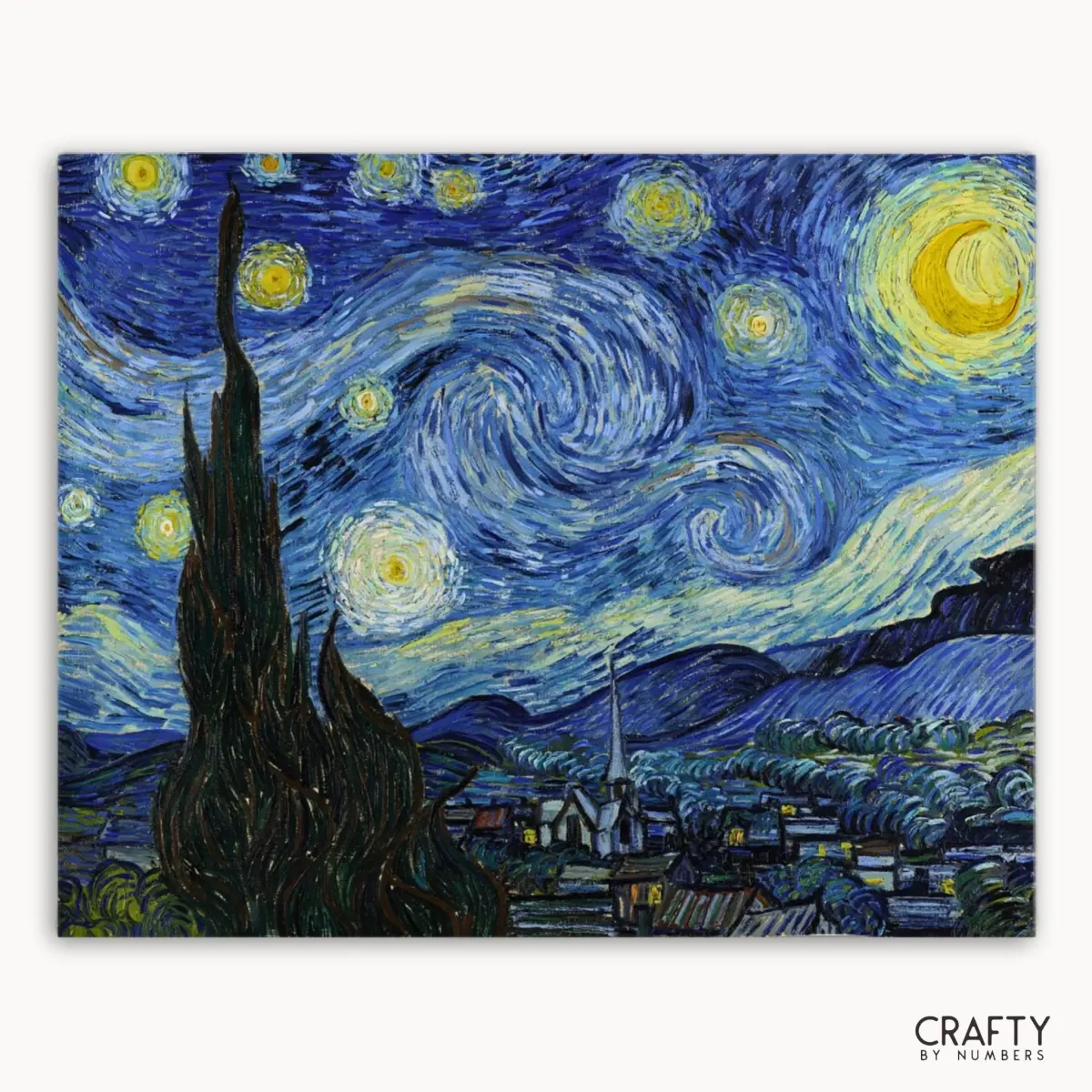
The Starry Night, painted by Vincent van Gogh in 1889, is currently housed at the Museum of Modern Art (MoMA) in Midtown Manhattan, New York City. It has been a permanent part of the museum’s collection since 1941, acquired through the Lillie P. Bliss Bequest, and remains one of its most visited masterpieces.
On this page
Where is The Starry Night located?
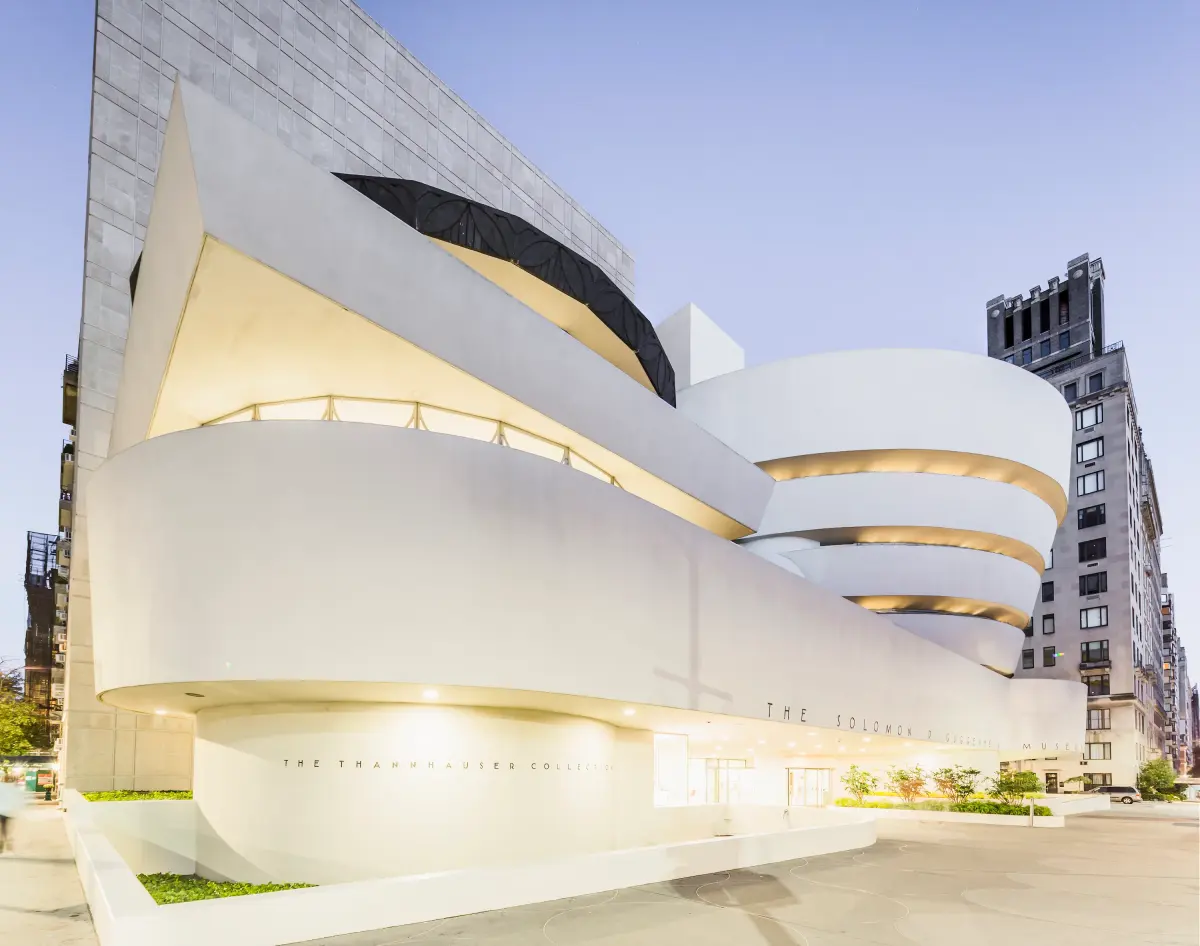
The Starry Night is permanently displayed within the Museum of Modern Art, located at 11 West 53rd Street in New York City. The painting is situated in the museum’s fifth-floor galleries, which are dedicated to the collection of paintings and sculptures from the late 19th through the mid-20th century. Because the museum frequently rotates its collection to preserve delicate works or curate specific thematic exhibitions, the painting is occasionally moved to different rooms within the fifth-floor gallery space.
Visitors should check the museum’s official website or the digital map kiosks located in the lobby before beginning their visit. While the painting is rarely loaned out to other institutions due to its fragility and historical significance, it is almost always on public view. The MoMA provides a clear path through its permanent collection, and The Starry Night is typically highlighted on floor maps as a primary point of interest for patrons.
How to visit The Starry Night at MoMA
Planning a trip to see the painting requires a bit of logistical preparation to ensure a smooth experience. The museum is open daily, but peak hours—typically mid-morning and early afternoons on weekends—can result in significant crowding around the most famous works. To make the most of your visit, consider the following steps:
- Book your timed-entry tickets online in advance to guarantee access to the museum.
- Arrive at the museum at least 15 minutes before your scheduled entry time to clear security.
- Head directly to the fifth floor using the elevators or the main staircase to avoid the initial congestion in the lobby.
- Utilize the museum’s free audio guide, which often includes specific commentary on Van Gogh’s technique and the history of this particular work.
If you are traveling with a group, keep in mind that the gallery space surrounding the painting is relatively compact. Large crowds often gather in front of the canvas, so patience is required to get a clear view of the brushwork and color transitions.
Why is The Starry Night so famous?
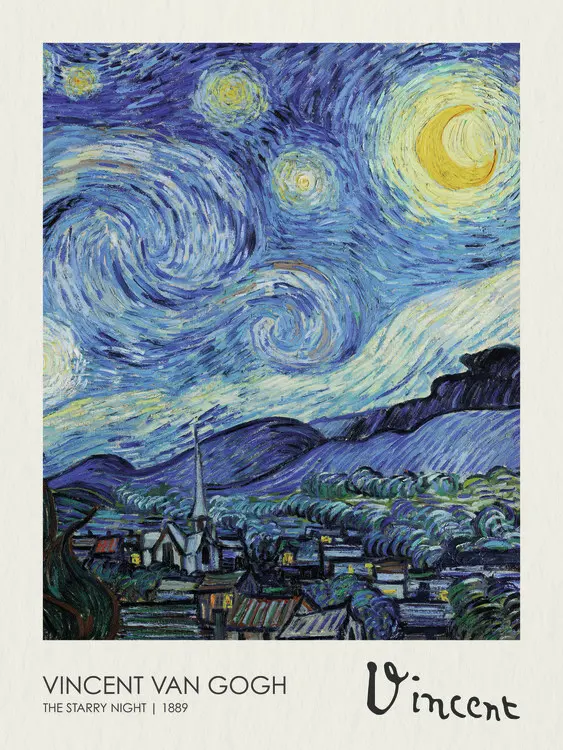
The fame of The Starry Night stems from its unique combination of emotional intensity and technical innovation. Painted during Van Gogh’s stay at the Saint-Paul-de-Mausole asylum in Saint-Rémy-de-Provence, France, the work represents a view from his east-facing window just before sunrise. The swirling, turbulent sky and the glowing, oversized stars demonstrate his departure from traditional impressionism toward the more expressive style of post-impressionism.
The painting’s significance is also tied to its dramatic color palette, particularly the contrast between the deep, rhythmic blues of the night sky and the vibrant, luminous yellows of the moon and stars. This work is widely considered a pinnacle of Van Gogh’s career, reflecting his internal state and his profound connection to nature. Its status as a cultural icon has been bolstered by its frequent reproduction in books, films, and digital media, cementing its place in the global artistic consciousness.
Common mistakes when visiting the museum
Many visitors inadvertently diminish their experience by focusing solely on checking items off a list rather than engaging with the art. One common mistake is rushing through the earlier galleries on the fifth floor. By moving too quickly, visitors miss the context provided by Van Gogh’s contemporaries, such as Gauguin or Cézanne, whose works help frame the artistic environment in which he operated.
Another frequent error involves photography etiquette. While non-flash photography is permitted in most galleries, the use of tripods, selfie sticks, or professional lighting equipment is strictly prohibited. Additionally, visitors should avoid the following behaviors to ensure a pleasant environment for others:
- Touching the frames or the walls, which can trigger sensitive alarm systems.
- Speaking loudly or using mobile devices for phone calls near the artwork.
- Blocking the view for other visitors by lingering in front of the painting for extended periods while taking numerous photos.
How to learn more about the painting
If you cannot visit the museum in person, there are several high-quality resources available to study the work in detail. The MoMA website offers a comprehensive digital archive that allows users to zoom in on the canvas to inspect the thick impasto brushstrokes. This digital access provides a level of detail that is often difficult to perceive in person due to the protective glass and gallery lighting.
To deepen your understanding of the painting, you can explore these resources:
- The MoMA’s online collection database, which provides provenance, dimensions, and historical context.
- Scholarly biographies of Vincent van Gogh, such as those by Steven Naifeh and Gregory White Smith, which detail the specific circumstances of the painting’s creation.
- Educational documentaries that use high-resolution imaging to analyze the physics of the swirling patterns in the sky.
By utilizing these tools, you can appreciate the technical mastery of the piece from anywhere in the world, gaining a deeper appreciation for the artist's vision before you eventually see the original work in person.
Key facts
- The Starry Night is currently part of the permanent collection at The Museum of Modern Art (MoMA) in New York City.
- It is housed in the museum’s Painting and Sculpture galleries, typically located on the fifth floor.
- Vincent van Gogh painted the masterpiece in June 1889 while staying at the Saint-Paul-de-Mausole asylum in Saint-Rémy-de-Provence, France.
- The painting measures 29 inches by 36 ¼ inches (73.7 cm × 92.1 cm).
- MoMA acquired the work in 1941 through the Lillie P. Bliss Bequest, making it the first painting by Van Gogh to enter a New York museum collection.
- Visitors should check the MoMA website for timed entry reservations, as the gallery is frequently crowded and tickets often sell out in advance.
The bottom line
Vincent van Gogh’s iconic 1889 masterpiece, The Starry Night, is permanently housed at The Museum of Modern Art in New York City. As one of the most famous works in Western art history, it remains a centerpiece of the museum’s fifth-floor collection. Visitors planning to see the painting in person should book tickets in advance to ensure entry to this highly popular cultural destination.
People also ask
How much is The Starry Night worth?
Because the painting is held in a public institution and is considered a priceless cultural treasure, it has never been offered for sale. Experts suggest that if it were ever auctioned, its value would likely exceed $1 billion.
What does the painting depict?
The scene shows the view from Van Gogh’s east-facing asylum window just before sunrise, with the addition of an idealized village. The swirling sky and cypress tree are iconic examples of his expressive, post-impressionist style.
Can I take photos of the painting?
Yes, photography is generally permitted in the MoMA galleries for personal, non-commercial use. However, the use of flash, tripods, and selfie sticks is strictly prohibited to protect the artwork and ensure a pleasant experience for other visitors.
Is the painting always on display at MoMA?
The Starry Night is almost always on view, as it is one of the museum's most popular attractions. Occasionally, it may be moved for conservation, specialized exhibitions, or loan agreements, so checking the museum’s website before visiting is recommended.
What medium did Van Gogh use for this piece?
The work is an oil-on-canvas painting. Van Gogh applied the paint in thick, rhythmic brushstrokes known as impasto, which gives the surface a distinct texture and sense of movement.
How long did it take Van Gogh to paint it?
While the painting captures a fleeting moment of inspiration, Van Gogh worked on it over the course of several days in June 1889. He frequently painted from memory and imagination during his time at the asylum.
This answer was created with the help of AI research tools and reference sources. Spotted an error? Let us know — we correct mistakes quickly. See our editorial policy.