What is a flat brush used for?
Short answer
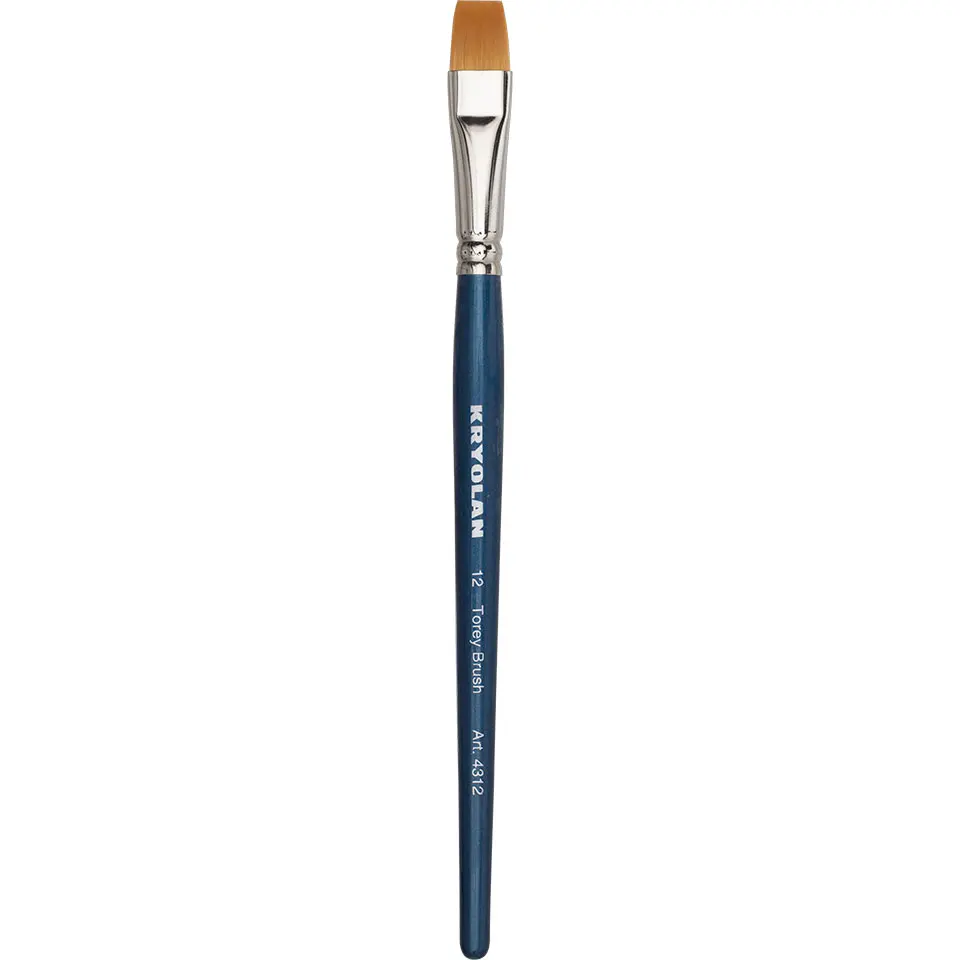
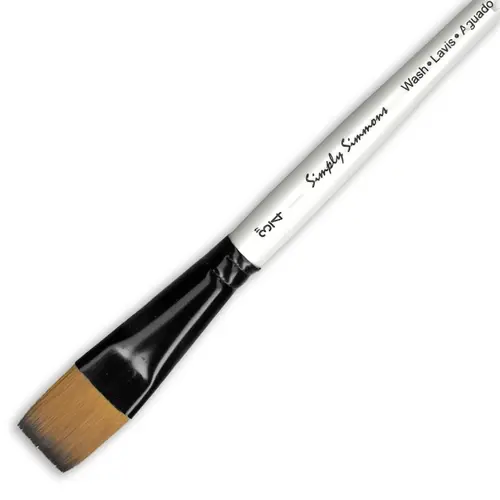
A flat brush features a square-ended ferrule and long, rectangular bristles designed for bold strokes, broad coverage, and sharp edges. It is a versatile tool used in painting, woodworking, and cleaning. Artists utilize it for blocking in large areas, while professionals use it to apply varnish or clear coats smoothly.
On this page
What is a flat brush used for in painting?
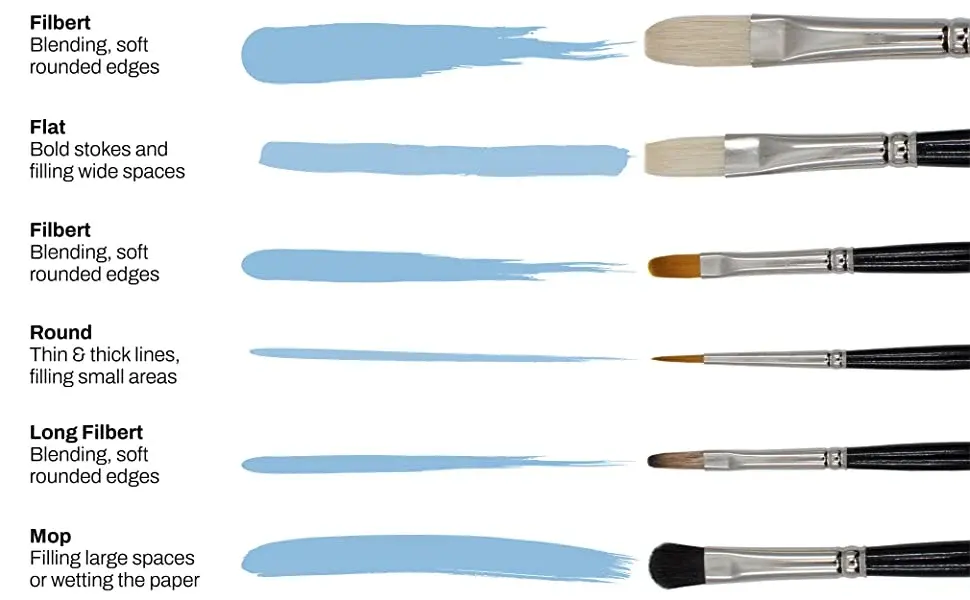
Flat brushes are the workhorses of the painting studio, prized for their ability to hold significant amounts of medium. The rectangular shape allows artists to create wide, uniform strokes, making them ideal for covering large background areas quickly. When held vertically, the thin edge of the brush can be used to paint precise, crisp lines, providing a dual-purpose utility that few other shapes offer.
In oil and acrylic painting, these brushes are essential for "blocking in" the initial layers of a composition. Because the bristles are typically stiffer than those of a round brush, they can manipulate heavy-bodied paints with ease. They are also frequently used for blending or smoothing transitions between colors. To achieve professional results, consider these primary applications:
- Applying base coats over large canvases.
- Creating sharp, geometric shapes and architectural details.
- Blending large areas of color to create soft gradients.
- Varnishing finished paintings to provide a protective, even layer.
How to choose the right flat brush size?
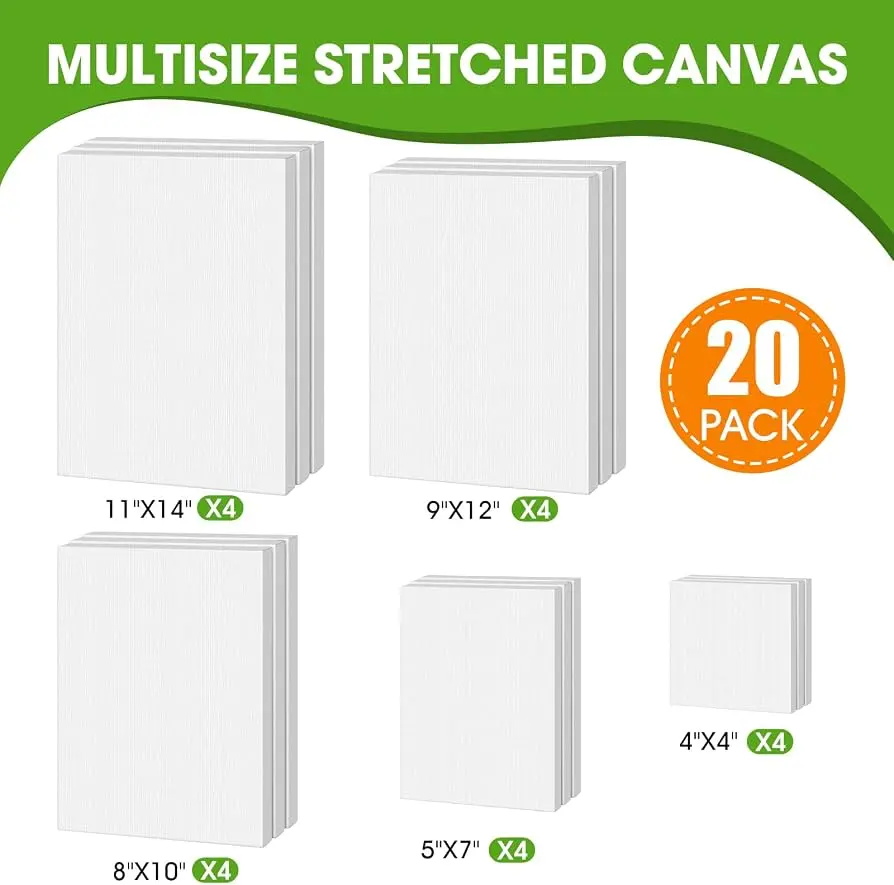
Selecting the correct size depends entirely on the scale of your project and the desired texture. Brushes are typically measured in millimeters or by a numbering system that varies by manufacturer. For small-scale detail work, a brush between 2mm and 6mm is appropriate, while large-scale murals or furniture refinishing may require brushes up to 50mm or wider.
When choosing, also consider the bristle material, as it dictates the brush's performance with different mediums. Natural hog hair is excellent for heavy oils due to its durability and "snap," while synthetic nylon or polyester blends are superior for water-based acrylics and varnishes.
- Determine the surface area you intend to cover.
- Select a width that allows for 3-5 strokes across the widest point.
- Test the "spring" of the bristles; they should return to their original shape immediately after being pressed.
- Check the ferrule for a secure crimp to ensure bristles do not shed during use.
Why use a flat brush for furniture refinishing?
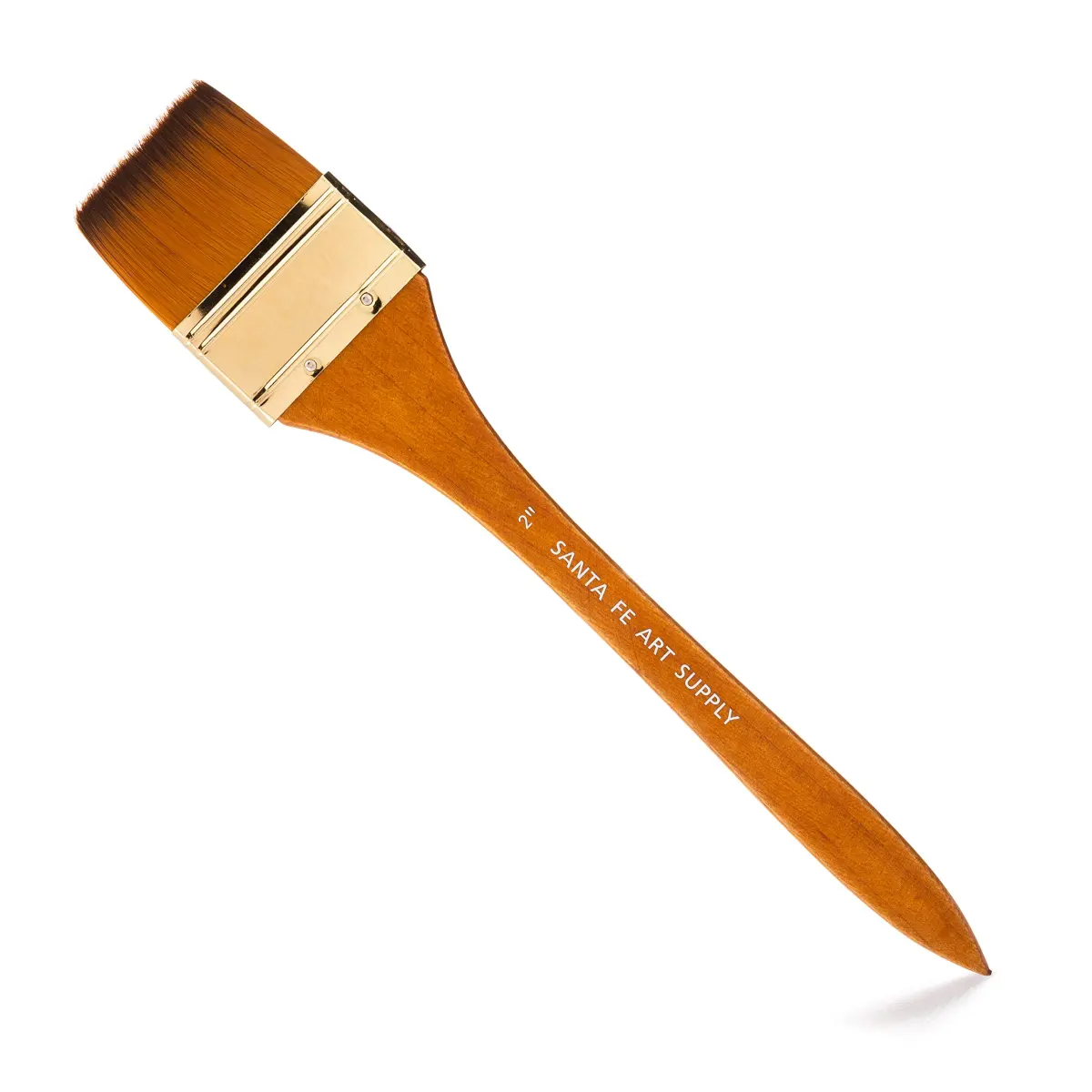
In the realm of woodworking and home improvement, the flat brush is the standard tool for applying stains, paints, and protective topcoats. Its flat profile ensures that the liquid medium is distributed evenly, minimizing the risk of unsightly drips or uneven patches. When applying polyurethane or lacquer, the flat brush allows for long, continuous strokes that follow the grain of the wood.
Using a high-quality flat brush significantly impacts the final finish of a piece of furniture. A cheap brush with loose bristles will leave streaks and debris in your finish, which are difficult to sand out later. By using a brush specifically designed for the type of finish—such as a soft-tipped synthetic brush for water-based topcoats—you ensure a glass-like appearance. Always work in a well-ventilated area and maintain a "wet edge" to prevent lap marks where two strokes overlap.
Common mistakes when using flat brushes
Many beginners struggle with flat brushes because they overload the bristles with too much paint. When the ferrule becomes saturated with medium, the brush loses its shape and becomes difficult to control, often leading to drips. Another frequent error is failing to clean the brush thoroughly, which causes paint to dry near the base of the bristles, permanently splaying them and ruining the brush's edge.
Avoid these common pitfalls to extend the life of your tools:
- Dipping the brush too deep into the paint container, which clogs the ferrule.
- Pressing too hard against the surface, which causes the bristles to splay and prevents a clean stroke.
- Leaving brushes sitting in water for extended periods, as this warps the wooden handle and degrades the adhesive.
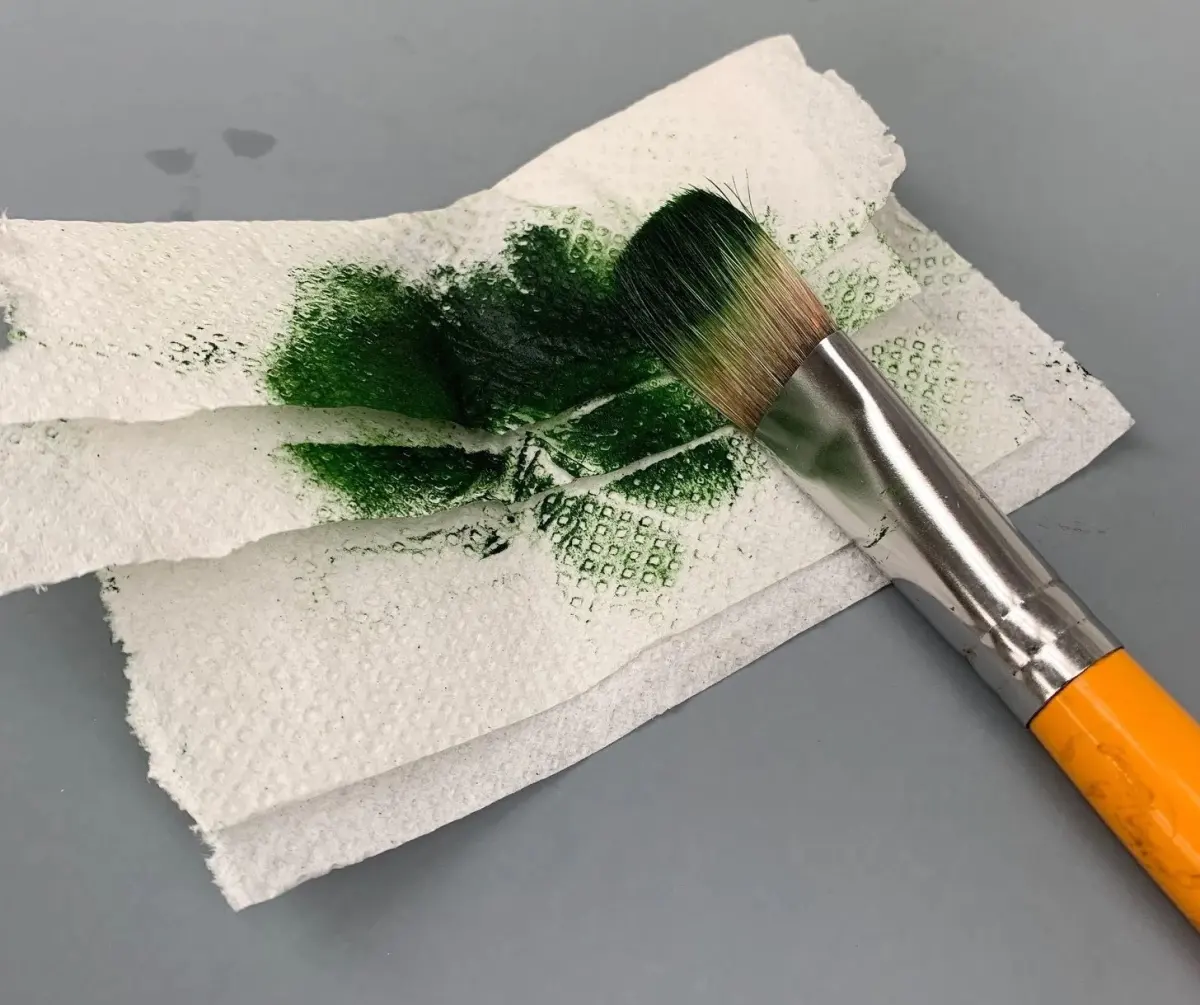
- Failing to "load" the brush properly by wiping excess medium against the rim of your container.
How to clean and store flat brushes properly
Proper maintenance is the most effective way to ensure your flat brushes remain functional for years. Immediately after use, rinse the brush in the appropriate solvent—water for acrylics or latex paint, and mineral spirits or turpentine for oil-based products. Gently massage the bristles to release trapped pigment, ensuring you reach the base near the ferrule where paint tends to accumulate.
Once the brush is clean, reshape the bristles with your fingers and lay them flat or hang them vertically to dry. Never store a brush resting on its bristles, as this will cause them to bend permanently and lose their precision. Proper storage keeps the bristles aligned and ready for your next creative project. By following these simple steps, you maintain the integrity of the brush's edge, ensuring that every stroke remains as sharp and effective as the first one you made.
Key facts
- Flat brushes feature a rectangular ferrule that creates a straight, sharp edge for precise cutting in.
- The long, dense bristles hold a significant amount of paint, making them ideal for covering large surface areas quickly.
- Use the wide side of the brush for broad strokes and the thin edge for fine lines or detailing.
- Synthetic bristles are best for water-based paints, while natural hair brushes are preferred for oil-based mediums.
- Always hold the brush near the ferrule for better control or further down the handle for a looser, more expressive stroke.
- Clean flat brushes immediately after use to prevent paint from drying at the base of the bristles, which causes the brush to splay.
The bottom line
The flat brush is an essential tool for any painter, prized for its versatility in handling both broad coverage and sharp, architectural lines. By selecting the appropriate bristle type and maintaining the brush through proper cleaning and storage, you ensure a consistent flow of paint. Mastering the pressure applied to the brush allows you to transition seamlessly between bold, expressive strokes and delicate, precise detailing.
People also ask
Can I use a flat brush for blending colors on a canvas?
While flat brushes are primarily designed for bold strokes, they can be used for blending by using a dry-brush technique. Gently feather the edges of your paint layers using the side of the brush to soften transitions between colors.
How do I choose the right size flat brush for my project?
Choose the width based on the scale of your work; use wide brushes (one inch or larger) for backgrounds and smaller sizes (quarter-inch) for structural details. A good rule of thumb is to pick a brush that covers the area you are painting in two or three strokes.
Why are my brush bristles shedding onto the painting surface?
Shedding often occurs if the brush is of low quality or if it has been left soaking in water for too long. To minimize this, gently tug on the bristles before your first use to remove any loose hairs and never store your brushes resting on their tips.
What is the difference between a flat brush and a bright brush?
A flat brush has long bristles that offer flexibility and soft, fluid strokes. A bright brush is similar in shape but has much shorter, stiffer bristles, which are designed for short, controlled marks and heavy paint application.
Should I use a flat brush for varnishing?
Yes, a large, high-quality flat brush is the industry standard for applying varnish. Its wide, flat shape allows for an even, streak-free application across the entire surface of a finished painting.
How do I store my flat brushes correctly?
Always store brushes flat or with the bristles pointing upward in a container to prevent the hair from bending. Never leave a brush resting on its bristles in a jar of water, as this will permanently deform the shape of the brush head.
This answer was created with the help of AI research tools and reference sources. Spotted an error? Let us know — we correct mistakes quickly. See our editorial policy.