What techniques did Gustav Klimt use?
Short answer
Gustav Klimt utilized a sophisticated blend of academic realism, Byzantine-inspired mosaics, and decorative Art Nouveau patterns. His primary techniques involved applying genuine gold leaf to canvas, layering oil paints with impasto textures, and integrating intricate, symbolic ornamentation. These methods transformed flat, two-dimensional surfaces into luminous, jewel-like compositions of profound psychological depth.
On this page
How did Gustav Klimt apply gold leaf?
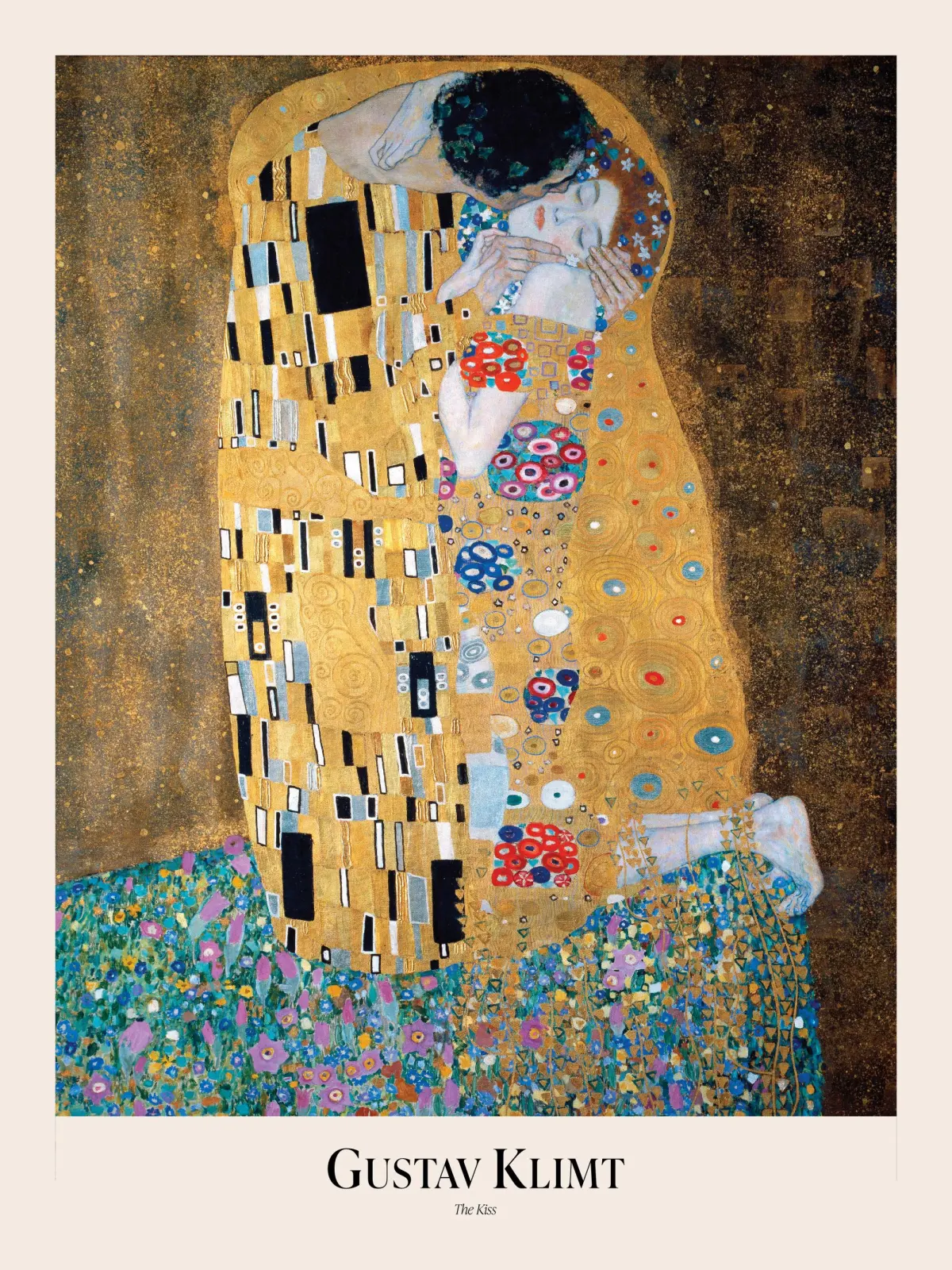
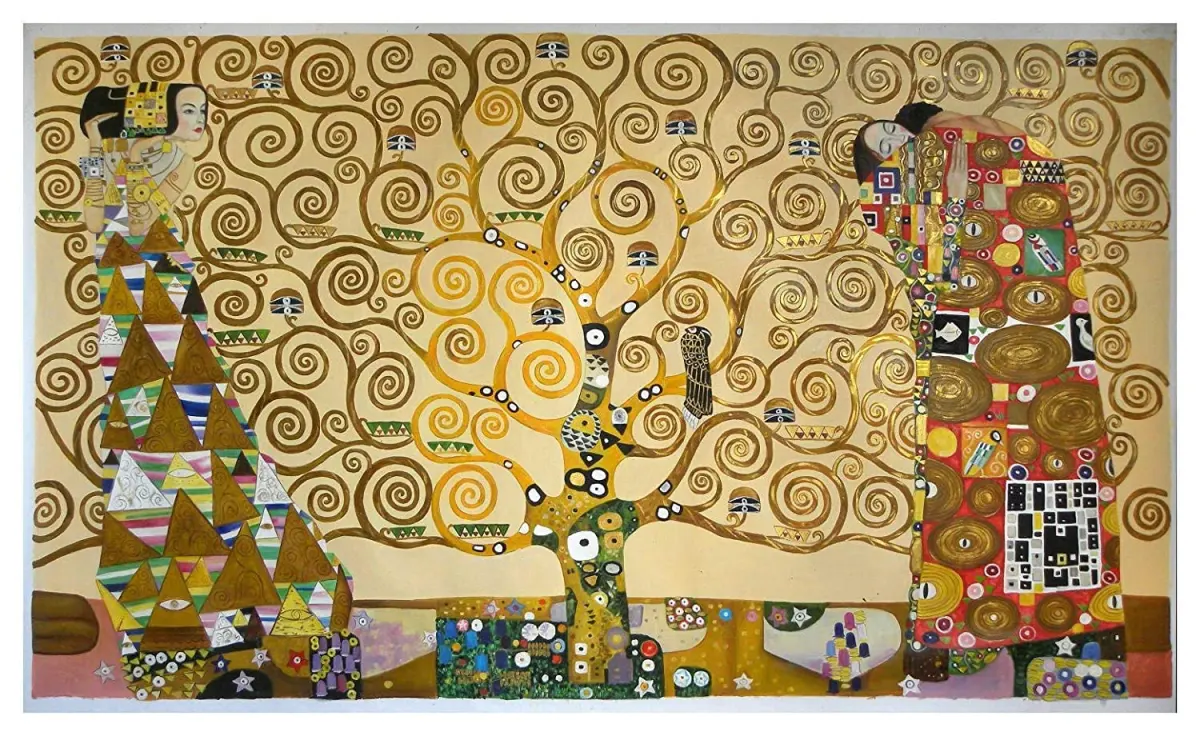
Klimt’s most iconic technique, developed during his "Golden Phase" between 1899 and 1910, involved the meticulous application of gold and silver leaf. Inspired by the Byzantine mosaics he observed in Ravenna, Italy, he treated the canvas as a decorative surface rather than a window into depth. He used a specialized adhesive, known as size, to bond thin sheets of metal to specific areas of the painting, often over a base of gesso or oil paint.
To achieve his signature look, follow these steps:
- Prepare the surface with a smooth, non-porous primer to ensure the gold adheres evenly.
- Apply a thin, consistent layer of adhesive size to the designated areas, waiting until it reaches a "tacky" state.
- Carefully lay the gold leaf using a gilder's tip, then burnish it gently with a soft brush to remove excess material.
- Seal the gold with a light varnish to prevent tarnishing or oxidation over time.
What materials did Klimt use for texture?
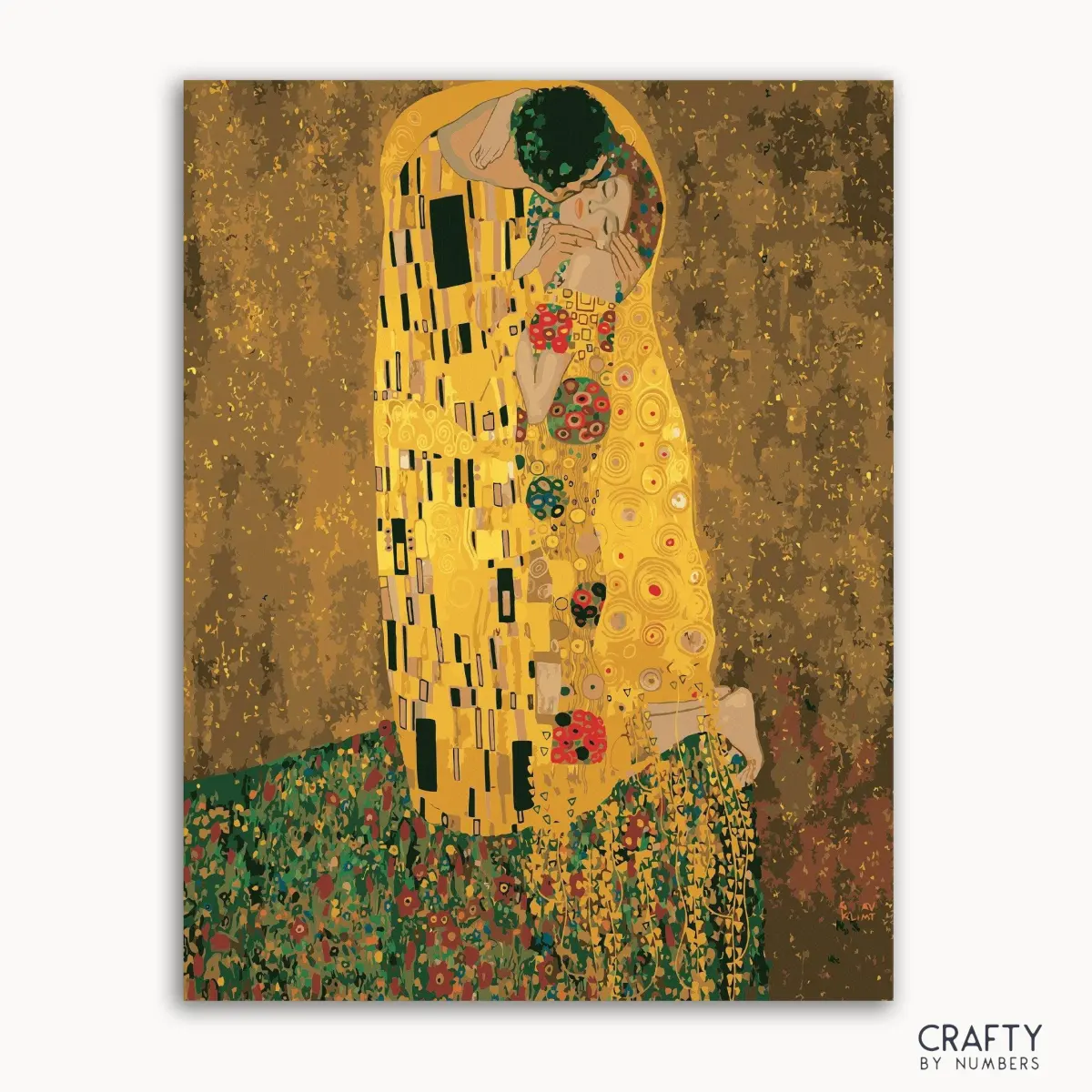
Klimt frequently combined traditional oil painting with heavy impasto to create tactile, sculptural surfaces. He often mixed pigments with various mediums to alter the viscosity of his paint, allowing him to build up raised patterns that catch the light. This contrast between smooth, realistic flesh tones and heavily textured, decorative backgrounds is a hallmark of works like The Kiss.
He also incorporated unconventional elements into his compositions to enhance their materiality. By layering glazes over textured underpaintings, he created a sense of depth that made the figures appear to float within a sea of ornament. When attempting this, consider these common materials:
- High-viscosity oil paints for building physical relief.
- Palette knives for creating sharp, geometric edges in patterns.
- Glazing mediums to maintain transparency while adding volume.
- Fine-grain sand or marble dust mixed into paint for added grit.
How to create patterns like Klimt?
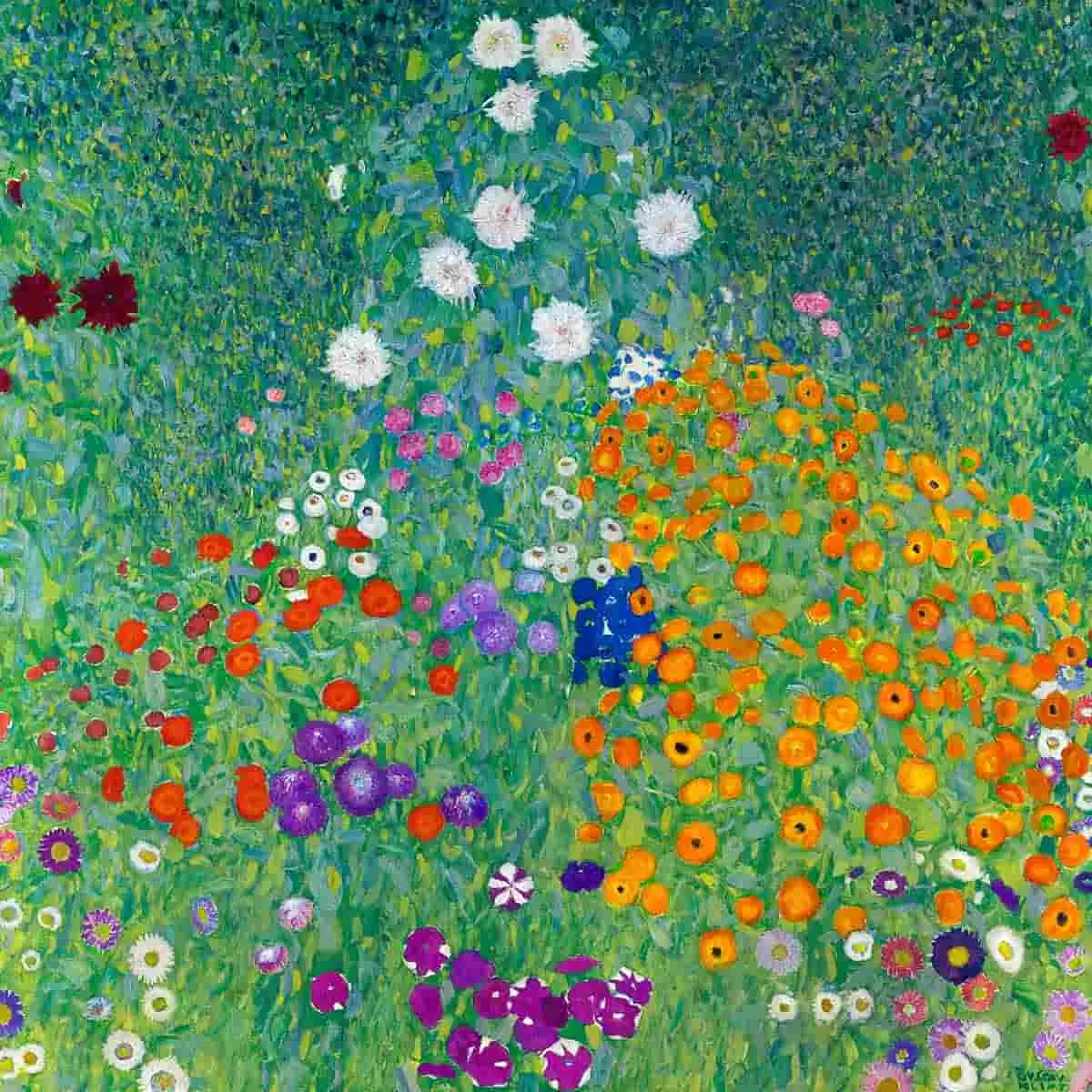
Klimt’s approach to pattern was deeply influenced by the Arts and Crafts movement and Japanese printmaking. He did not merely decorate his backgrounds; he used patterns to flatten the pictorial space and emphasize the two-dimensional nature of the canvas. His motifs—ranging from spirals and triangles to organic floral shapes—served as a symbolic language that framed his subjects.
When designing your own patterns, avoid the mistake of making them too uniform or repetitive. Klimt’s genius lay in his ability to vary the scale and density of his designs to guide the viewer’s eye. Try these techniques to emulate his style:
- Use stencils to establish a repeating geometric grid across the background.
- Hand-paint intricate details over the stenciled base to add organic variation.
- Use a limited color palette within the patterns to ensure they complement, rather than overwhelm, the central figure.
- Vary the stroke width to mimic the hand-drawn quality of his sketches.
What are common mistakes when painting like Klimt?
One frequent error is over-saturating the canvas with too many competing patterns, which can cause the focal point to disappear. Klimt maintained balance by keeping the faces and hands of his subjects rendered in a soft, academic, and highly realistic style. This contrast provides a necessary "breathing room" that prevents the viewer from becoming overwhelmed by the surrounding decorative chaos.
Another mistake is failing to account for the drying times of different materials. Because Klimt layered oil, gold size, and sometimes metallic paints, he had to be patient to avoid cracking or lifting. If you are experimenting with these techniques, remember:
- Never apply gold leaf over wet oil paint, as the solvents will destroy the metal finish.
- Avoid using low-quality adhesives, which can yellow or lose their tackiness prematurely.
- Ensure that the transition between realistic skin tones and decorative clothing is deliberate, not accidental.
- Do not ignore the importance of negative space, even in highly ornate compositions.
How to balance realism and abstraction?
The final challenge in mastering Klimt’s style is the synthesis of representational portraiture with abstract ornamentation. He began his process with detailed life drawings, ensuring the anatomy was perfectly proportioned before adding the decorative layers. By grounding his work in solid draftsmanship, he allowed himself the freedom to dissolve the edges of clothing into abstract, shimmering shapes without losing the subject's identity.
To achieve this balance, focus on the silhouette of your subject first. Build the realistic elements to a high degree of finish before introducing the decorative motifs that will "consume" the costume or background. This sequential approach ensures that the abstraction serves the portrait rather than obscuring it. By treating the canvas as a field of tension between the physical reality of the human form and the ethereal nature of light, you can capture the essence of Klimt’s unique artistic vision.
Key facts
- Klimt frequently applied genuine gold and silver leaf to his canvases, a technique inspired by Byzantine mosaics.
- He utilized a method called "sgraffito," where he scratched designs into layers of wet paint or plaster to reveal underlying colors.
- His "Golden Phase" (1899–1910) is defined by the heavy use of metallic pigments and intricate geometric patterns.
- He often painted on square canvases, a deliberate choice that shifted the focus away from traditional landscape or portrait framing.
- Klimt practiced rigorous preparatory sketching, often producing hundreds of charcoal drawings before committing to a final composition.
- He applied oil paint in thin, layered glazes to achieve a luminous, jewel-like depth in his figures' skin tones.
The bottom line
Gustav Klimt’s artistic legacy rests on his masterful integration of decorative elements with classical figurative painting. By blending traditional oil techniques with the application of precious metals and complex geometric motifs, he created a distinct visual language that challenged the conventions of his era. His process, rooted in disciplined sketching and experimental material use, remains a hallmark of the Vienna Secession’s commitment to total art.
People also ask
Did Gustav Klimt use assistants to apply the gold leaf?
While Klimt was the primary designer, he often collaborated with his brother, Ernst Klimt, and other craftsmen to execute the complex metalwork. This division of labor allowed him to focus on the intricate patterns and figure work.
What was the primary purpose of the geometric patterns in his work?
The patterns served to flatten the pictorial space, creating a decorative tension between the realistic human figures and the abstract background. This technique helped define the unique aesthetic of the Vienna Secession movement.
How did Klimt achieve the texture in his paintings?
He mixed traditional oil paints with unconventional materials, including gold, silver, and occasionally mother-of-pearl or glass. These additions created a tactile, three-dimensional surface that changed appearance depending on the light.
Was Klimt's style influenced by photography?
Yes, Klimt was an avid photographer and used snapshots of his models to study poses and compositions. These photographs allowed him to experiment with framing and lighting before transferring the images to canvas.
What are the common mistakes when trying to emulate Klimt’s style?
A common error is over-cluttering the composition with patterns that overwhelm the subject. Effective emulation requires balancing the negative space of the figure against the dense, decorative ornamentation of the background.
How did he prepare his canvases before painting?
Klimt typically primed his canvases with a fine gesso layer to ensure a smooth surface for his detailed brushwork. He often sketched the outline of his figures directly onto the primer before building up the layers of paint and gold.
This answer was created with the help of AI research tools and reference sources. Spotted an error? Let us know — we correct mistakes quickly. See our editorial policy.