What colors make green?
Short answer
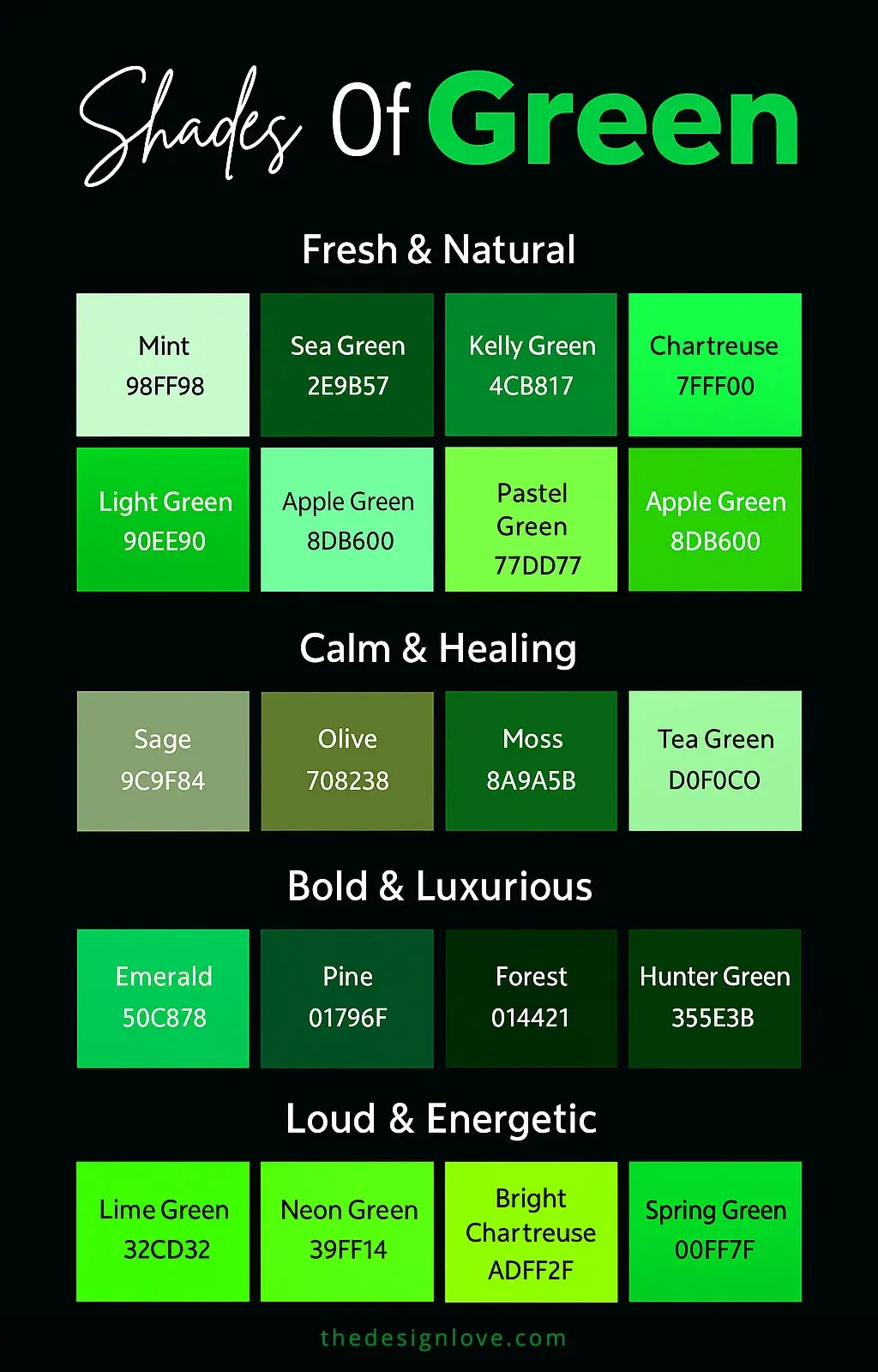
Green is a secondary color created by mixing blue and yellow pigments. In the subtractive color model used for painting, these two primary colors combine to form various shades of green. The specific hue depends on the ratio of blue to yellow and the presence of any undertones within the pigments used.
On this page
How to mix green paint
To create green, you must combine blue and yellow pigments. Start by placing a small amount of yellow on your palette, as it is a lighter color and easier to darken than it is to lighten blue. Gradually add blue paint in small increments, mixing thoroughly after each addition until you achieve the desired shade.
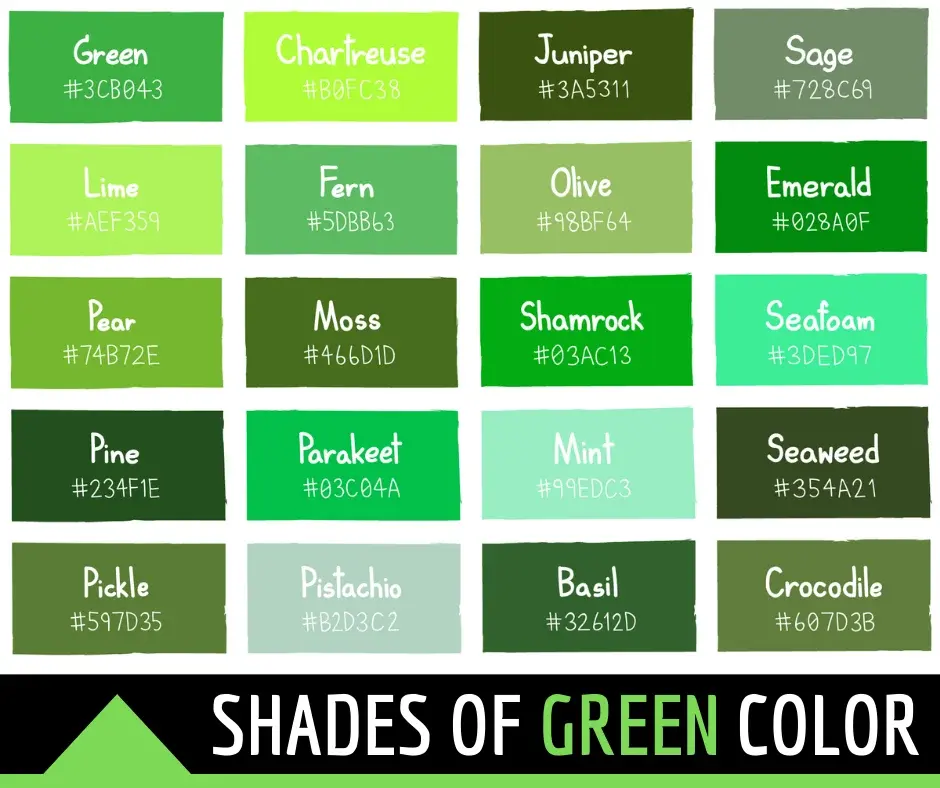
The specific type of blue and yellow you select significantly alters the final result. For example, using a cool, lemon-yellow mixed with a cool, cyan-like blue will produce a bright, vibrant, and grassy green. Conversely, combining a warm, golden-yellow with a deep, reddish-blue like ultramarine will result in a more muted, olive, or earthy green. Understanding these temperature differences is essential for color mixing.
- Begin with a clean palette and palette knife.
- Add a dollop of yellow paint to the surface.
- Introduce a tiny amount of blue paint to the yellow.
- Blend the colors until the streaks disappear.
- Adjust the shade by adding more blue for depth or more yellow for brightness.
Why color mixing works
Color mixing relies on the principles of the subtractive color model. When you apply paint to a surface, the pigments absorb specific wavelengths of light and reflect others back to your eyes. Yellow pigment absorbs blue and violet light, while blue pigment absorbs red and orange light. When mixed, they reflect the wavelengths that correspond to green.
This process is different from how light behaves in digital screens, which uses an additive model. In additive systems, red, green, and blue light combine to create white. In the physical world of art and printing, mixing pigments always results in a darker color because each pigment added subtracts more light from the spectrum. This is why mixing too many colors together often results in a muddy, dark gray or brown.
Best tools for mixing colors
Achieving the perfect green requires high-quality pigments and the right mixing surface. Artists typically prefer a non-porous palette made of wood, glass, or plastic, which allows for easy blending without absorbing the paint. A palette knife is superior to a brush for mixing because it prevents paint from getting trapped in the bristles and ensures a more consistent blend.
When choosing your primary colors, consider the following options to expand your palette:
- Cadmium Yellow: A bold, opaque, warm yellow.
- Hansa Yellow: A transparent, cool, lemon-toned yellow.
- Ultramarine Blue: A deep, warm blue with red undertones.
- Phthalo Blue: A very intense, cool, green-leaning blue.
- Cerulean Blue: A light, sky-toned blue useful for soft greens.
Always clean your tools between mixing sessions to prevent cross-contamination. Even a small amount of leftover red or black pigment on your brush can turn a vibrant green into a dull, brownish hue.
Common mistakes when mixing green
One of the most frequent errors is adding too much blue too quickly. Because blue is a strong, dominant pigment, it can easily overpower the yellow, forcing you to use vast amounts of yellow paint to correct the balance. Always add the darker color to the lighter one in small, controlled amounts to maintain better control over the final outcome.
Another common mistake is neglecting the importance of color temperature. Beginners often assume all blues and yellows are identical, leading to frustration when their green looks "off" or muddy. If your green looks too gray, you may have accidentally introduced a third primary color, such as red, which is the complement of green. Mixing all three primary colors—red, yellow, and blue—will always neutralize the intensity of the green, turning it into a brownish or neutral tone.
How to adjust green shades
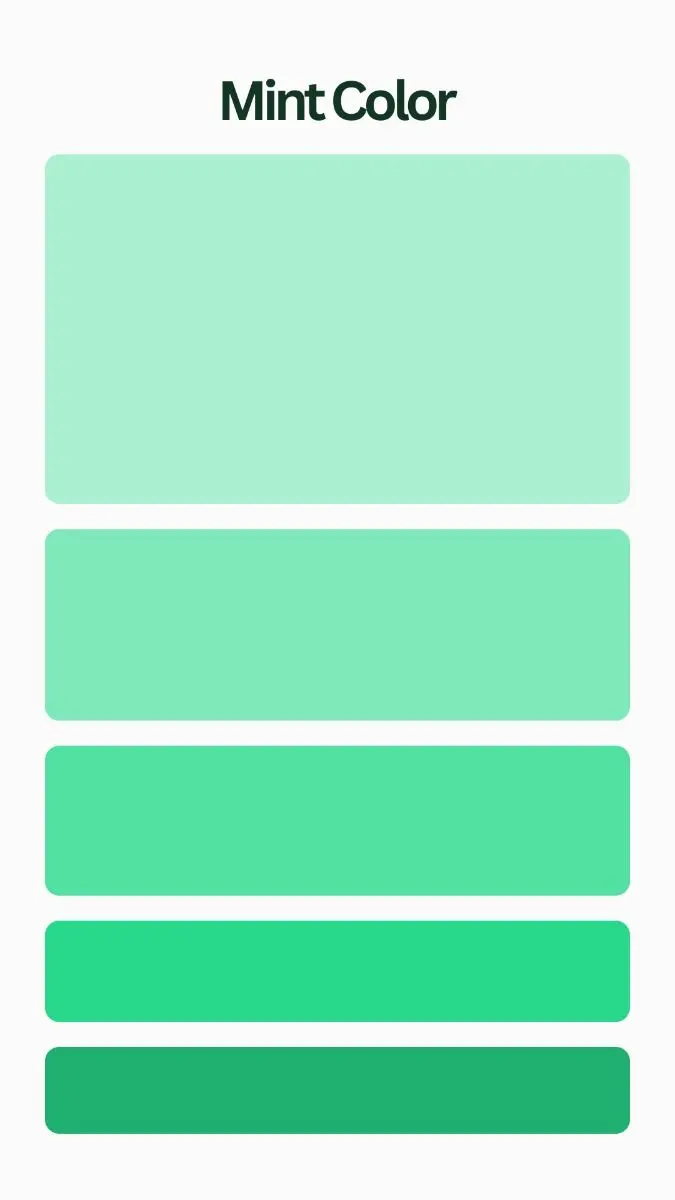
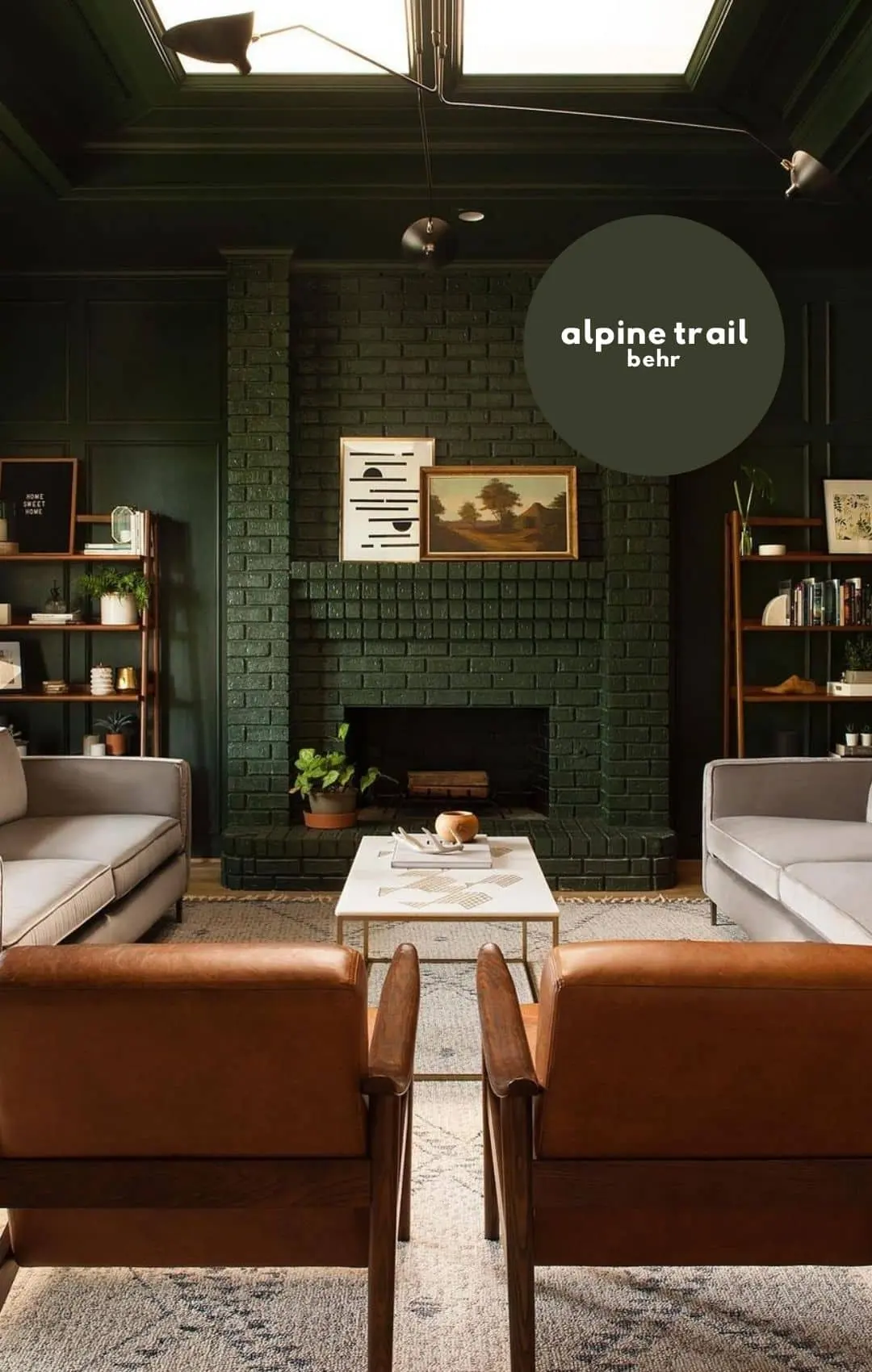
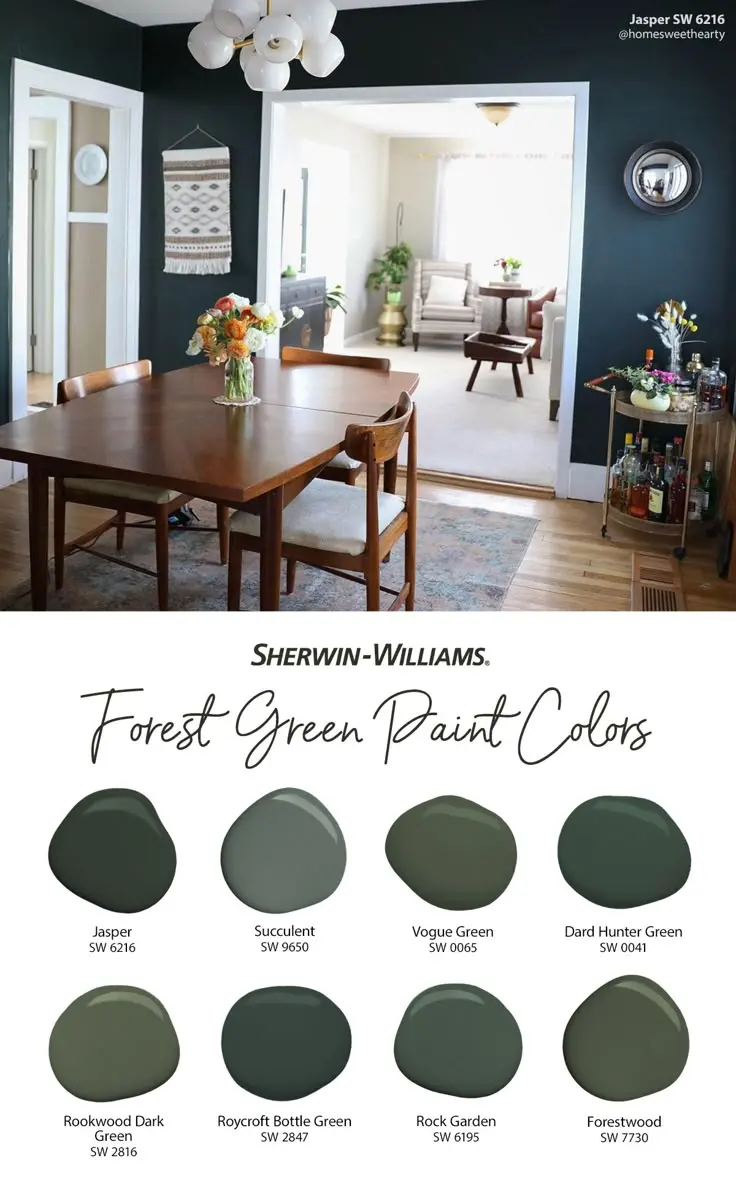
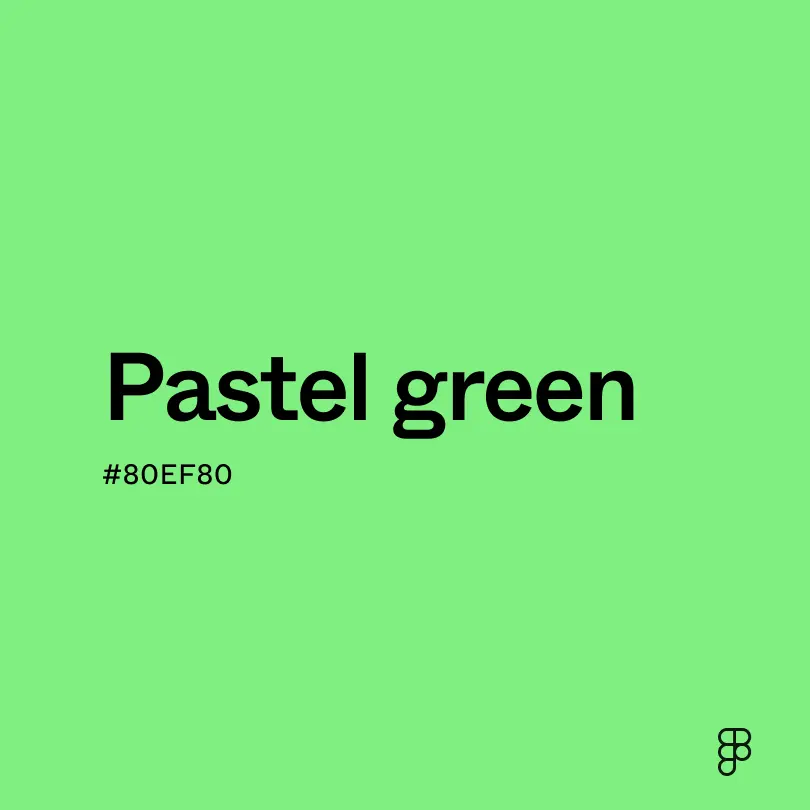
Once you have achieved a base green, you can modify it to suit your specific needs. To create a lighter, pastel green, add small amounts of white paint to your mixture. To create a darker, forest-like green, add a touch of black or a dark brown, such as burnt umber, to deepen the tone without losing the vibrancy of the green base.
If you want to create a more natural, muted green, you can add a small amount of red to your mixture. Because red is the complement of green on the color wheel, it acts as a desaturating agent. This technique is highly effective for painting landscapes, where natural greens are rarely pure or neon. Experimenting with these ratios allows you to replicate the subtle variations found in nature, such as the difference between a lime leaf and a deep pine needle.
Key facts
- Green is a secondary color created by mixing the primary colors blue and yellow.
- In the RYB color model used in painting, blue and yellow are the essential components for green.
- The specific shade of green depends on the ratio of blue to yellow and the undertones of the pigments used.
- Adding more yellow creates a warm, lime-like green, while adding more blue results in a cool, forest green.
- Artists often add a tiny amount of black or brown to darken a green, but this can easily turn the color muddy.
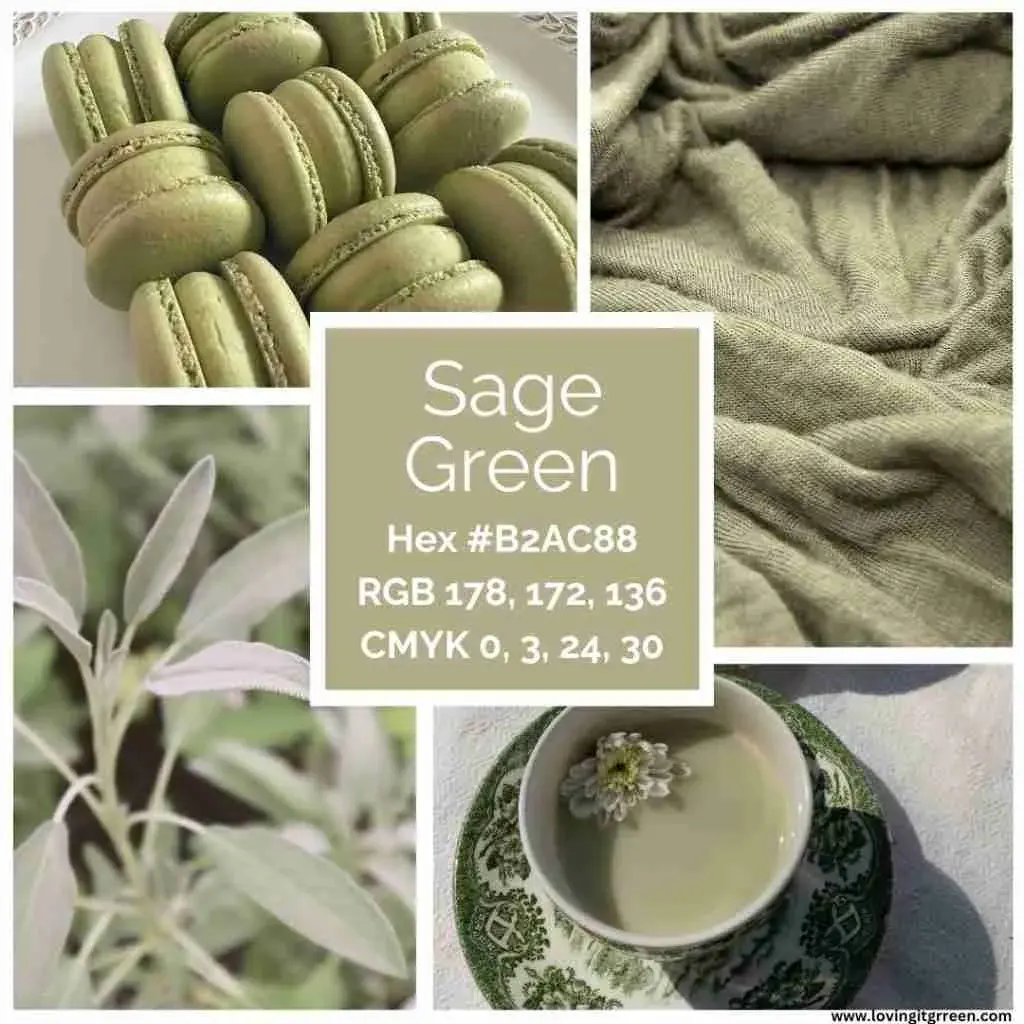
- Complementary colors, such as red, can be mixed into green to neutralize its vibrancy and create muted olive or sage tones.
The bottom line
To create green, simply combine blue and yellow pigments. By adjusting the proportions, you can control the final hue, shifting from bright lime to deep forest green. Always start with small amounts of color, as it is easier to darken a light mix than to brighten a dark one. Avoid adding complementary colors like red unless you intentionally want to create a muted, earthy tone.
People also ask
How do I make a bright, vibrant green?
Use a high-quality, transparent yellow and a cool-toned blue, such as a phthalocyanine blue. Avoid adding any red or brown, as these colors will dull the vibrancy and shift the green toward a brownish tone.
Why does my green paint look muddy or grey?
Muddy green usually occurs when you mix too many colors together or use pigments that contain red undertones. Since red is the complementary color to green, it naturally cancels out the green, resulting in a dull, greyish-brown color.
Can I make green using light instead of paint?
Yes, in the RGB color model used for screens and digital displays, green is a primary color itself. You cannot create it by mixing other lights, but you can combine green light with red and blue light to produce white light.
What is the best way to lighten a dark green?
The most effective way to lighten green is to add white paint. If you add only yellow, the color will become more vibrant and shift in hue, but it will not necessarily become a lighter tint.
Are there different types of yellow and blue that change the outcome?
Absolutely, because pigments have specific chemical properties and undertones. A lemon yellow mixed with a cool blue will produce a crisp, bright green, whereas a warm, golden yellow mixed with a warm blue will create a more muted, earthy olive green.
How do I create a sage green color?
To achieve sage, start with a basic green mixture and slowly add a small amount of white and a touch of red or grey. This desaturates the color, giving it that characteristic soft, dusty appearance found in nature.
This answer was created with the help of AI research tools and reference sources. Spotted an error? Let us know — we correct mistakes quickly. See our editorial policy.