What is Akira Toriyama known for?
Short answer
Akira Toriyama was a legendary Japanese manga artist and character designer, globally renowned for creating the Dragon Ball franchise. His work revolutionized the shonen manga genre, blending kinetic action with humor and distinct, stylized character designs. Beyond manga, he served as a foundational character designer for the iconic Dragon Quest video game series.

On this page
Why is Dragon Ball so influential?
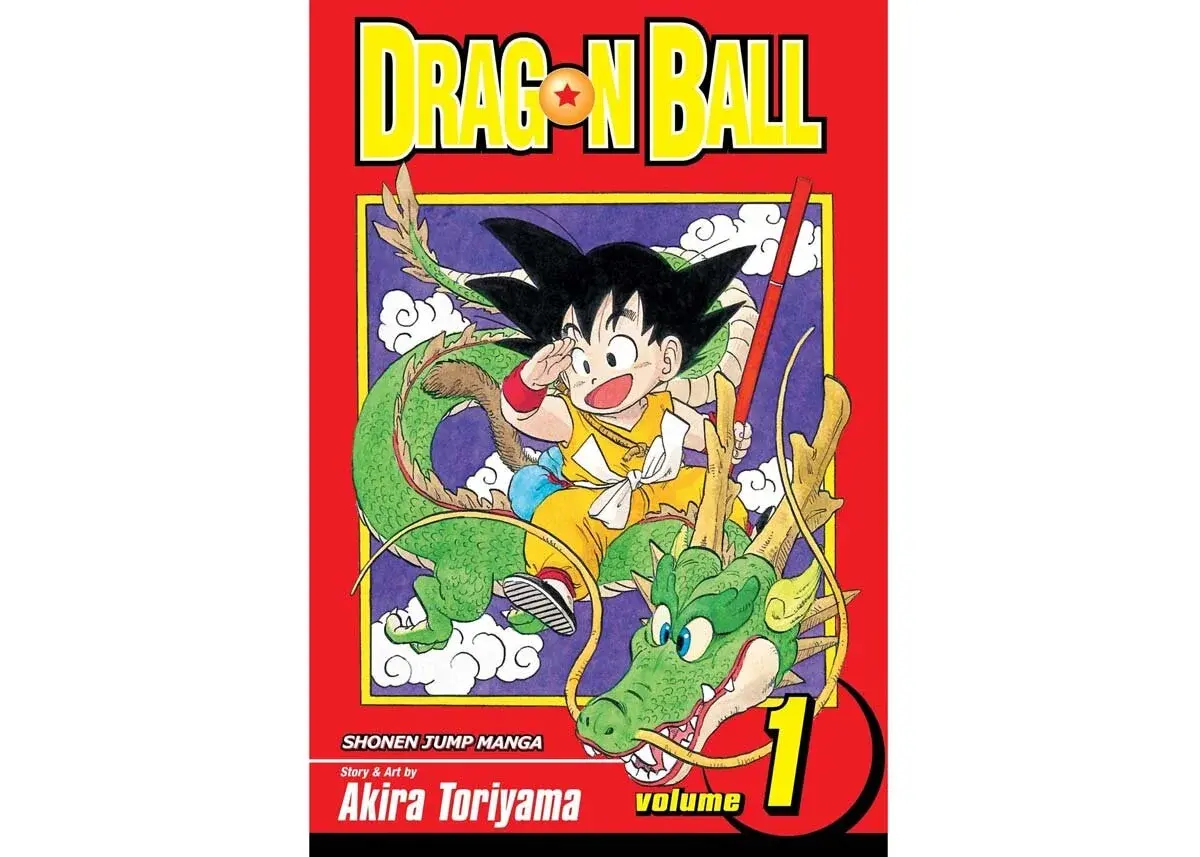
Dragon Ball stands as one of the most successful and influential manga series in history. Debuting in 1984, the story follows Son Goku on his quest to find the mystical Dragon Balls, drawing inspiration from the classic Chinese novel Journey to the West. Toriyama’s ability to evolve the series from a lighthearted adventure into a high-stakes martial arts epic set the template for decades of future shonen stories.
The series is credited with popularizing manga and anime on a global scale. Its impact is visible in the structural DNA of modern hits like One Piece, Naruto, and Bleach. Key elements that defined his legacy include:
- The introduction of power levels and transformation sequences.
- High-intensity, fluid battle choreography that emphasized speed and impact.
- A unique blend of slapstick comedy and dramatic, high-stakes storytelling.
- Iconic character silhouettes that remain instantly recognizable worldwide.
How did he impact video game design?
Toriyama’s artistic influence extended far beyond the printed page, most notably through his long-standing partnership with the Dragon Quest series. Starting in 1986, he served as the primary character and monster designer for the franchise, working alongside creator Yuji Horii. His distinct, expressive art style helped define the visual language of Japanese role-playing games (JRPGs) for generations of players.
His contributions to gaming were not limited to Dragon Quest. He also provided character designs for other landmark titles, including the time-traveling classic Chrono Trigger and the fighting game Tobal No. 1. His approach to design focused on:
- Creating monsters that felt both threatening and charmingly eccentric.
- Designing protagonists with simple, iconic outfits that are easy to animate.
- Ensuring character expressions conveyed personality even within limited pixel counts.
- Maintaining a cohesive visual identity across vast, sprawling game worlds.
What defines his artistic style?
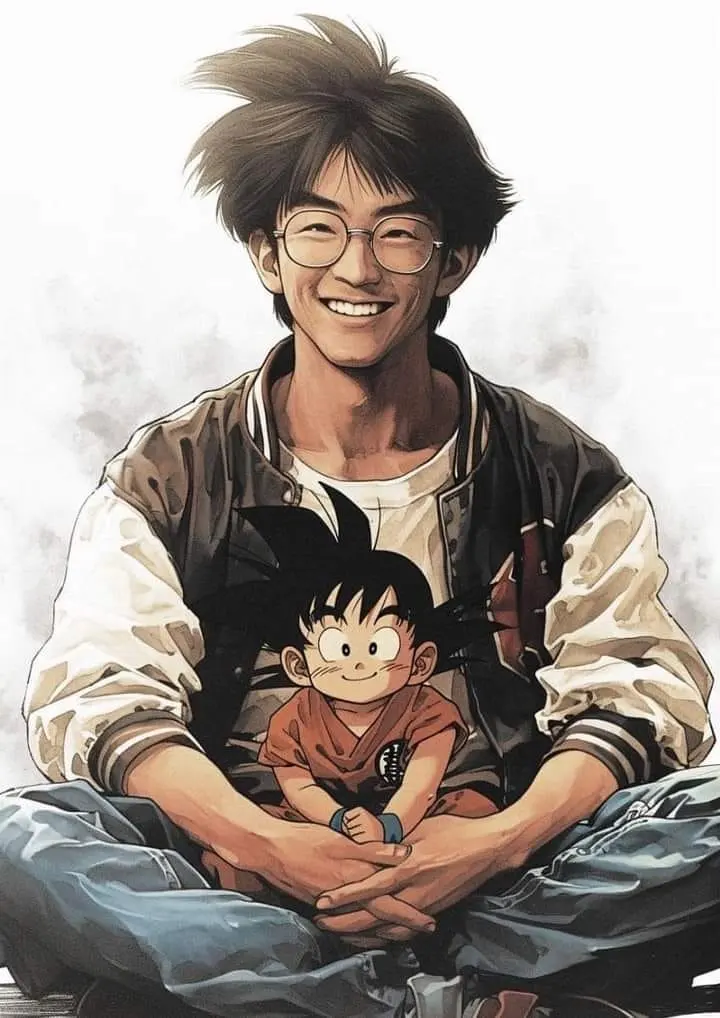
Toriyama’s visual style is characterized by a clean, bold line weight and a masterful understanding of perspective. Unlike many of his contemporaries who favored overly busy panels, Toriyama prioritized clarity, ensuring that readers could easily follow the motion of a fight scene. His background in graphic design before entering the manga industry gave him a keen eye for composition and mechanical detail.
He was particularly famous for his fascination with vehicles and machinery. Whether drawing futuristic hover-cars or complex robotic armor, he rendered mechanical objects with a level of precision that felt grounded, even in a fantasy setting. His characters often featured rounded, soft features that contrasted sharply with the jagged, sharp-edged designs of his antagonists, creating a clear visual dichotomy that helped readers immediately identify the hero's struggle against evil.
Common mistakes when analyzing his work
A frequent error is assuming that Toriyama’s success was immediate or that he worked in isolation. In reality, he faced significant early struggles as a manga artist, with many of his initial submissions being rejected by editors. His eventual breakthrough came only after years of refining his pacing and character dynamics. It is also a mistake to overlook the collaborative nature of his work; he often relied on the guidance of his long-time editor, Kazuhiko Torishima, to sharpen his narratives.
Another common misconception is viewing his work solely through the lens of Dragon Ball. While it is his most famous creation, his earlier work, such as Dr. Slump, showcased his comedic genius and absurdist humor. To truly understand his versatility, one must look at his shorter, self-contained stories like Sand Land or Cowa!. These works highlight his ability to craft compelling, heartfelt narratives that do not rely on the epic scope of his more famous action-oriented franchises.
How to appreciate his legacy today
For those looking to explore Toriyama’s vast body of work, the best approach is to start with a mix of his major hits and his smaller, experimental pieces. Reading the original Dragon Ball manga provides the most authentic experience of his storytelling rhythm, as the pacing is often tighter and more deliberate than the anime adaptations. Comparing his early character sketches to his later, more refined designs offers a fascinating look at his growth as an illustrator.
To deepen your appreciation of his contributions, consider these steps:
- Read Dr. Slump to understand his roots in gag manga and character-driven humor.
- Play Chrono Trigger to see how his character designs integrated into interactive storytelling.
- Examine his "Toriyama World" art collections to appreciate his mastery of color and mechanical design.
- Watch interviews or read retrospective essays to understand how his humble personality influenced his creative choices.
By engaging with these diverse mediums, one gains a comprehensive view of a creator who fundamentally altered the landscape of global popular culture through his unique imagination and dedication to his craft.
Key facts
- Akira Toriyama was a Japanese manga artist and character designer born in 1955 who passed away in 2024.
- He is best known for creating Dragon Ball, which began serialization in 1984 and became one of the best-selling manga series of all time.
- Beyond manga, he served as the primary character and monster designer for the iconic Dragon Quest video game series starting in 1986.
- His early success came with the gag manga Dr. Slump, which won the Shogakukan Manga Award in 1981.
- Toriyama’s distinct art style is characterized by expressive, rounded character designs and dynamic, high-energy action sequences.
- When studying his work, focus on his mastery of "visual storytelling," where he conveys complex movement and intensity without relying heavily on dialogue.
The bottom line
Akira Toriyama transformed the landscape of global entertainment through his innovative approach to manga and character design. By blending humor, high-stakes action, and iconic character aesthetics, he created a visual language that defined generations of storytelling. His work on Dragon Ball and Dragon Quest remains a cornerstone of pop culture, proving that a unique creative vision can bridge cultural gaps and inspire millions of fans worldwide.
People also ask
What was Akira Toriyama's first major professional success?
His first major hit was Dr. Slump, a comedic manga series about an android girl named Arale that debuted in 1980. It established his reputation for blending slapstick humor with creative character designs.
Did Akira Toriyama work on video games?
Yes, he was the lead character designer for the Dragon Quest series, one of the most influential role-playing game franchises in history. His work on these games helped define the visual aesthetic of the genre for decades.
What is the significance of Dragon Ball in pop culture?
Dragon Ball is credited with popularizing the modern "battle manga" genre globally. Its influence can be seen in countless subsequent series, including One Piece, Naruto, and Bleach.
How did Toriyama’s art style evolve over time?
His style shifted from the caricature-heavy, rounded designs seen in Dr. Slump to the more muscular, angular, and detailed aesthetic that defined the later Dragon Ball Z arcs. He consistently prioritized clarity in his action panels.
What were some of his lesser-known works?
Toriyama produced several one-shot stories and short series like Sand Land, Cowa!, and Kajika. These works often showcased his ability to build imaginative worlds within a limited page count.
How did Toriyama influence modern manga artists?
He revolutionized the way action scenes were choreographed, using "speed lines" and panel composition to create a sense of kinetic energy. Many contemporary mangaka cite his ability to maintain narrative momentum as a primary inspiration.
This answer was created with the help of AI research tools and reference sources. Spotted an error? Let us know — we correct mistakes quickly. See our editorial policy.