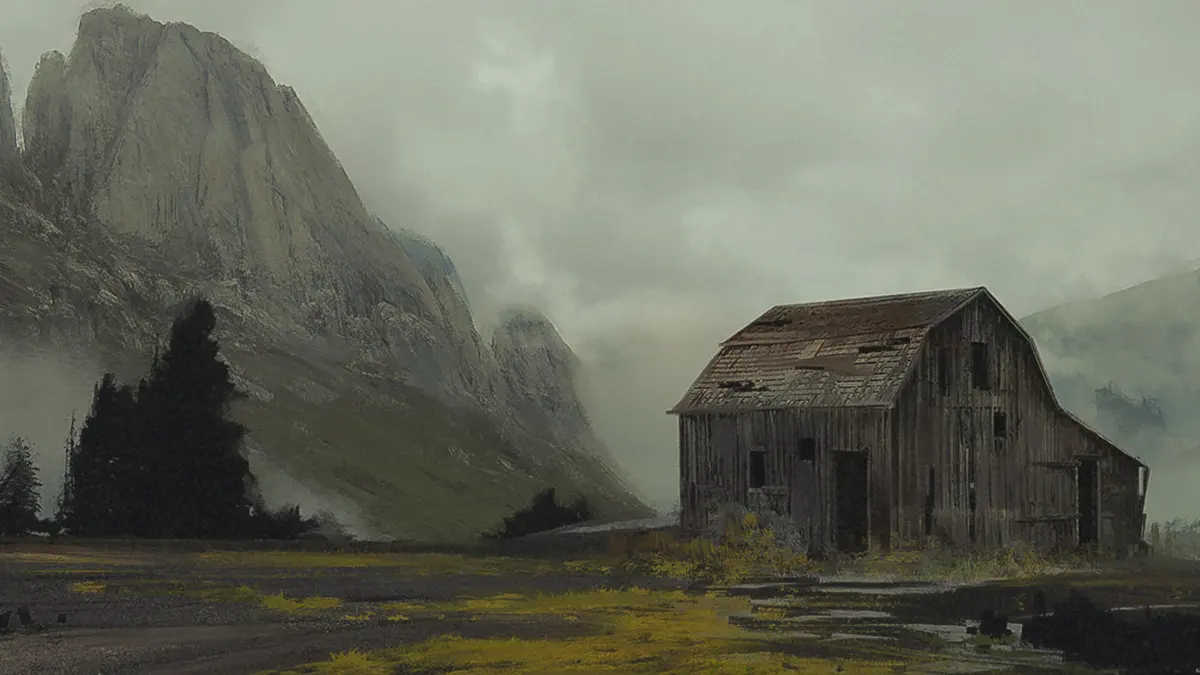
What does a concept artist do?
Short answer
A concept artist translates abstract ideas into visual designs for films, video games, and animation. They create the foundational blueprints—including characters, environments, and props—that guide production teams throughout development. By establishing a project’s aesthetic identity, these artists ensure that every creative department remains aligned on the intended look and feel.
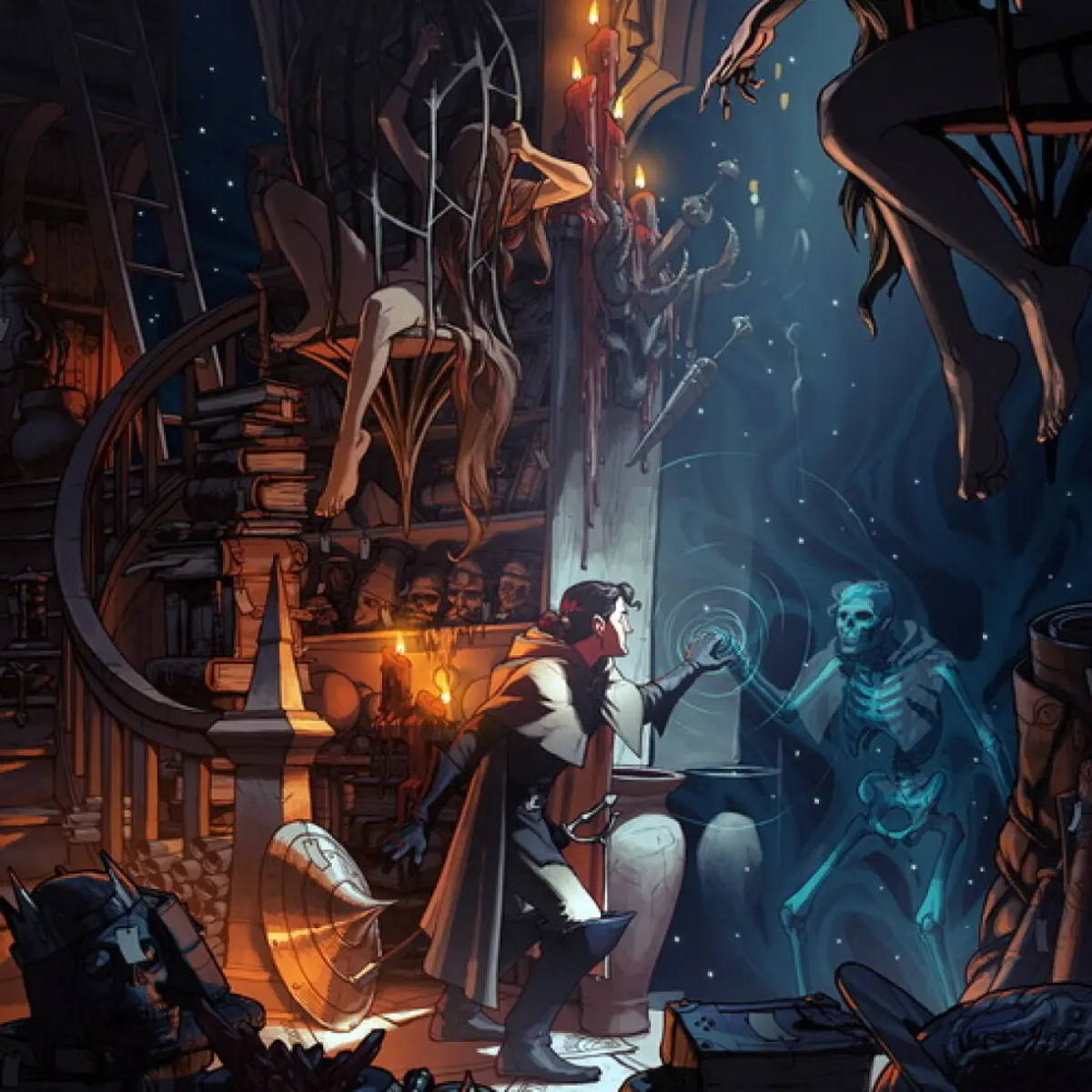
On this page
What does a concept artist actually do?
Concept artists act as the visual bridge between a script or narrative concept and the final production assets. They do not typically create the final, polished images seen by audiences, such as finished movie frames or game textures. Instead, they produce "concept art," which serves as a reference for 3D modelers, animators, and lighting artists. This work involves rapid iteration to explore various possibilities for a character’s silhouette, a building’s architecture, or the overall mood of a scene.
The role requires a deep understanding of design principles, perspective, and lighting. Artists must be able to communicate complex ideas quickly, often producing several variations of a design in a single day. Their work is functional rather than purely aesthetic; it must solve problems regarding how a character moves, how a structure is built, or how a specific environment supports the story.
How to become a concept artist
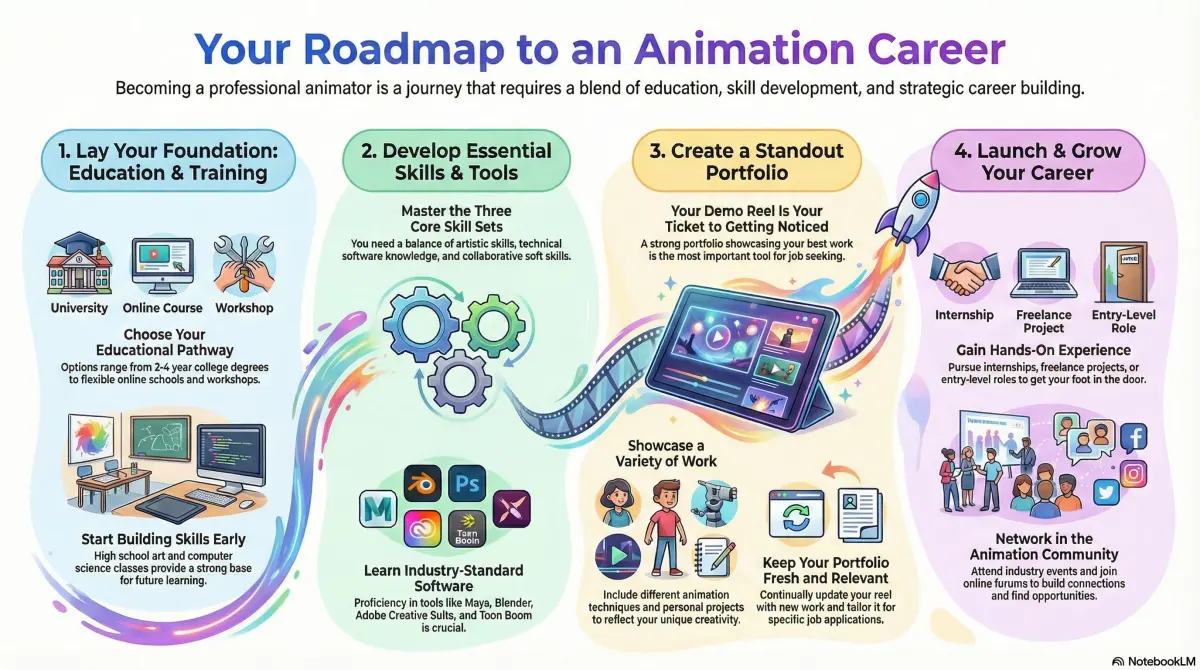
Building a professional career in concept art requires a balance of artistic skill and technical proficiency. Most professionals begin by building a strong foundation in traditional art, such as anatomy, color theory, and composition. Once these fundamentals are mastered, they transition to digital tools to increase their speed and efficiency. A strong portfolio is the most critical requirement for landing a job, as studios prioritize demonstrated ability over formal degrees.
- Master the fundamentals of drawing, including perspective, anatomy, and lighting.
- Develop proficiency in industry-standard software like Adobe Photoshop or Procreate.
- Build a targeted portfolio that showcases your ability to solve design problems.
- Network with other artists through online communities and industry events.
- Apply for entry-level positions or internships at game studios or production houses.
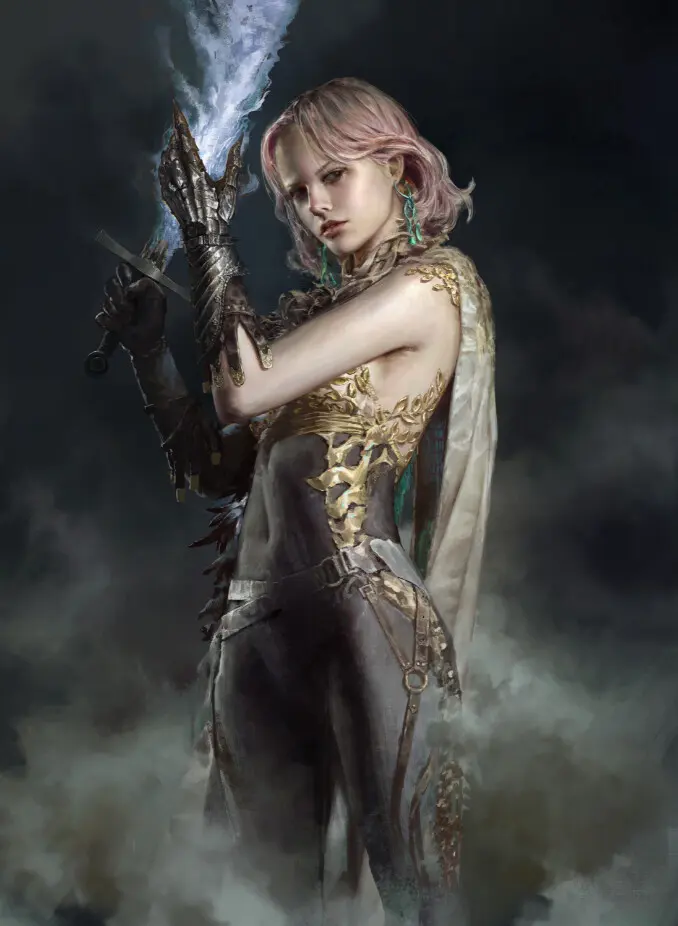
What tools do concept artists use?
The modern concept artist relies on a specific set of digital tools to remain competitive in a fast-paced production environment. While traditional sketching remains useful for initial brainstorming, digital painting software is the industry standard. These programs allow artists to make rapid changes, use layers to organize complex designs, and integrate 3D elements into their workflow to ensure accurate perspective and lighting.
- Adobe Photoshop: The primary industry standard for digital painting and photo-bashing.
- Blender or ZBrush: Essential for creating 3D base models to speed up environment design.
- Procreate: Popular for portable, quick sketching and ideation on tablets.
- PureRef: A vital tool for organizing reference images to maintain visual consistency.
- Wacom or Huion tablets: Necessary hardware for precise pen-to-screen input.
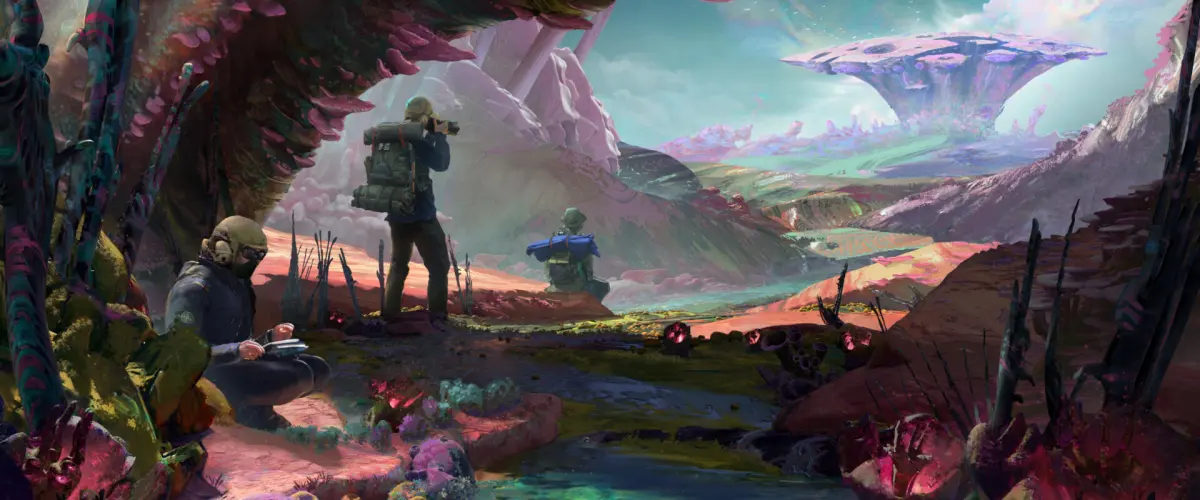
How to build a professional portfolio
A successful portfolio should not just show off your best drawings; it must demonstrate your capability to work within a production pipeline. Studios look for "design thinking," which means showing the process behind the final image. Include sketches, rough thumbnails, and iterations that show how you arrived at your final concept. This proves to employers that you can take feedback and adapt your designs to meet specific requirements.
Focus on a specific niche, such as character design, environment design, or prop design, rather than trying to be a generalist. If you want to work in games, include examples of how your designs would look from multiple angles. If you are targeting the film industry, focus on cinematic lighting and mood. Ensure your portfolio is hosted on a professional website and is easy to navigate, as art directors often spend less than a minute reviewing each submission.
Common mistakes when starting out
One of the most frequent errors beginners make is focusing too much on "pretty" art rather than functional design. A beautiful painting that is impossible to animate or build in 3D is not useful to a production team. Always ask yourself if your design serves the story and if it can be realistically executed by the technical artists who will follow your lead. Avoid spending weeks on a single illustration, as speed is a highly valued trait in professional settings.
Another common mistake is failing to use references. Even the most experienced professionals use real-world photos of architecture, clothing, and nature to ground their work in reality. Relying solely on your imagination often leads to designs that feel generic or lack structural integrity. Additionally, neglecting to learn basic 3D software is a significant hurdle today, as many studios now require artists to incorporate 3D blocking into their workflow to ensure perfect perspective and lighting accuracy in every frame.
Key facts
- Concept artists visualize ideas for films, video games, and animation before production begins.
- They primarily use digital painting software like Adobe Photoshop, Procreate, or Blender to create assets.
- A single project may require hundreds of sketches to explore different visual directions for a character or environment.
- Professional portfolios should focus on storytelling and clarity rather than just technical rendering skills.
- Concept art is a bridge between a writer’s script and the final 3D models or live-action sets.
- Most artists specialize in specific niches, such as character design, prop design, or environmental world-building.
The bottom line
Concept artists serve as the visual architects of the entertainment industry, transforming abstract scripts into tangible designs. By balancing creative imagination with technical precision, they provide the necessary roadmap for modelers and animators. Success in this field requires constant iteration, a deep understanding of design principles, and the ability to collaborate effectively within a team to bring a unified vision to life on screen.
People also ask
Do concept artists need a traditional art degree?
While a degree can provide structure, the industry prioritizes a strong portfolio over formal education. Hiring managers look for evidence of your ability to solve design problems and communicate ideas visually.
How much does a concept artist earn?
Salaries vary significantly based on location, experience, and the size of the studio. In the United States, entry-level artists often start around $50,000, while senior leads at major studios can earn over $120,000 annually.
What is the difference between an illustrator and a concept artist?
An illustrator creates a final image meant to be the end product, such as a book cover. A concept artist creates a functional design meant to be used as a blueprint for other departments.
How do I build a portfolio for this career?
Focus on creating "design packages" that show a subject from multiple angles, such as front, side, and back views. Include sketches that demonstrate your thought process rather than just polished final paintings.
What software is industry standard?
Adobe Photoshop remains the most common tool for 2D painting and sketching. Many professionals also integrate 3D software like ZBrush or Blender to speed up their workflow and improve perspective accuracy.
What is the hardest part of being a concept artist?
The most challenging aspect is frequently having your work rejected or heavily revised by directors. You must learn to detach your ego from your designs to meet the specific needs of the project.
This answer was created with the help of AI research tools and reference sources. Spotted an error? Let us know — we correct mistakes quickly. See our editorial policy.