How do art galleries make money?
Short answer
Art galleries primarily generate revenue through sales commissions, typically retaining 40% to 50% of the price of each artwork sold. Beyond direct sales, galleries earn income through art fair participation fees, advisory services, secondary market resales, and occasionally by charging artists for promotional support or exhibition space rental in smaller commercial models.
On this page
How do art galleries make money from sales?
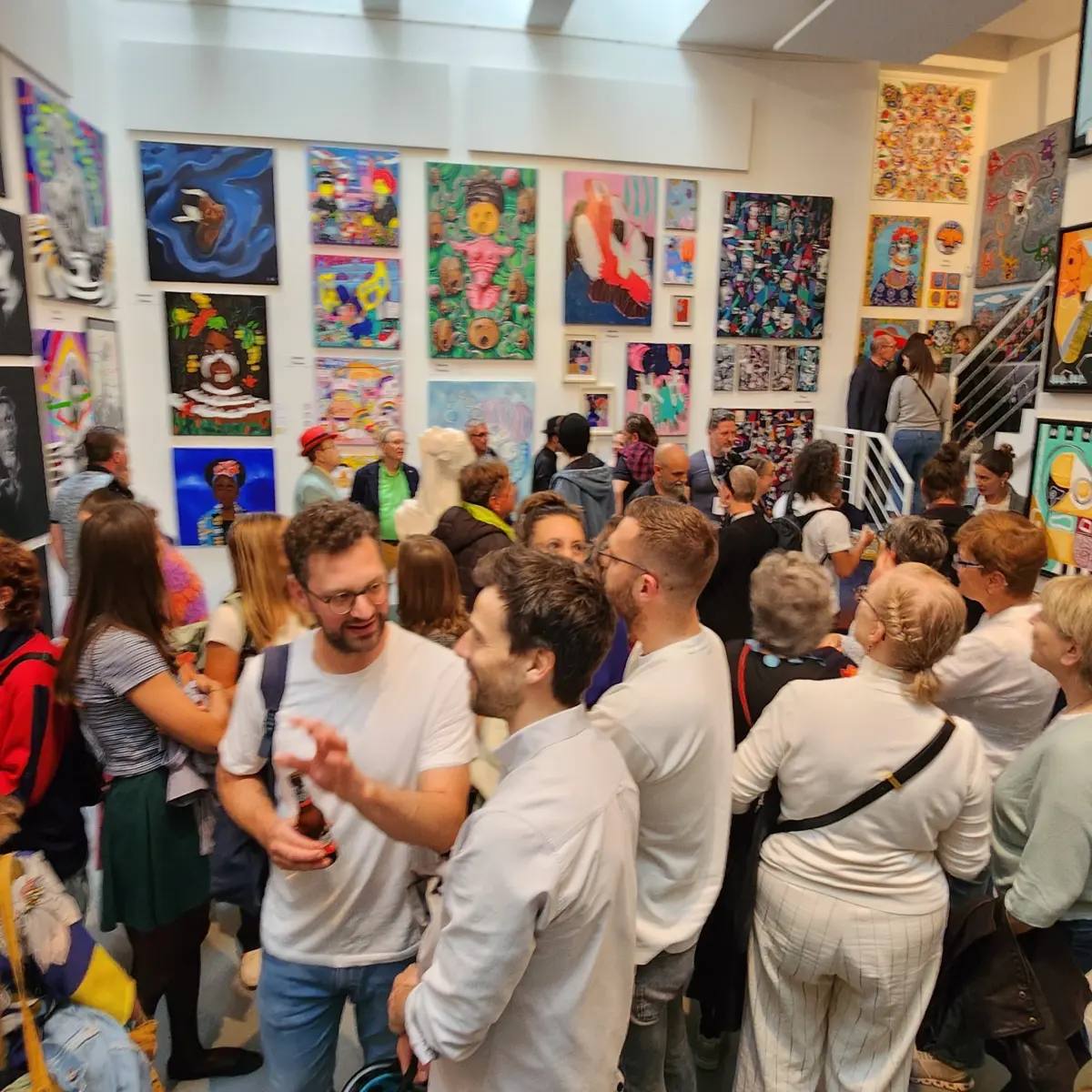
The core business model for most commercial art galleries revolves around the commission-based sale of original works. When a gallery represents an artist, they act as an intermediary between the creator and collectors, museums, or corporate buyers. For every piece sold, the gallery takes a percentage, known as the commission, which usually ranges from 40% to 50% of the retail price. This margin is intended to cover the gallery's overhead, including rent, staff salaries, insurance, and the costs associated with marketing and shipping.
The primary market, where new works are sold for the first time, provides the most consistent revenue stream for established galleries. High-end galleries, such as Gagosian or David Zwirner, maintain exclusive contracts with blue-chip artists whose works command prices from thousands to millions of dollars. In these cases, even a single sale can sustain the gallery's operations for months. Smaller galleries often rely on a higher volume of sales from emerging artists, where the price points are more accessible but the margins remain consistent.
How do art galleries use art fairs to generate revenue?
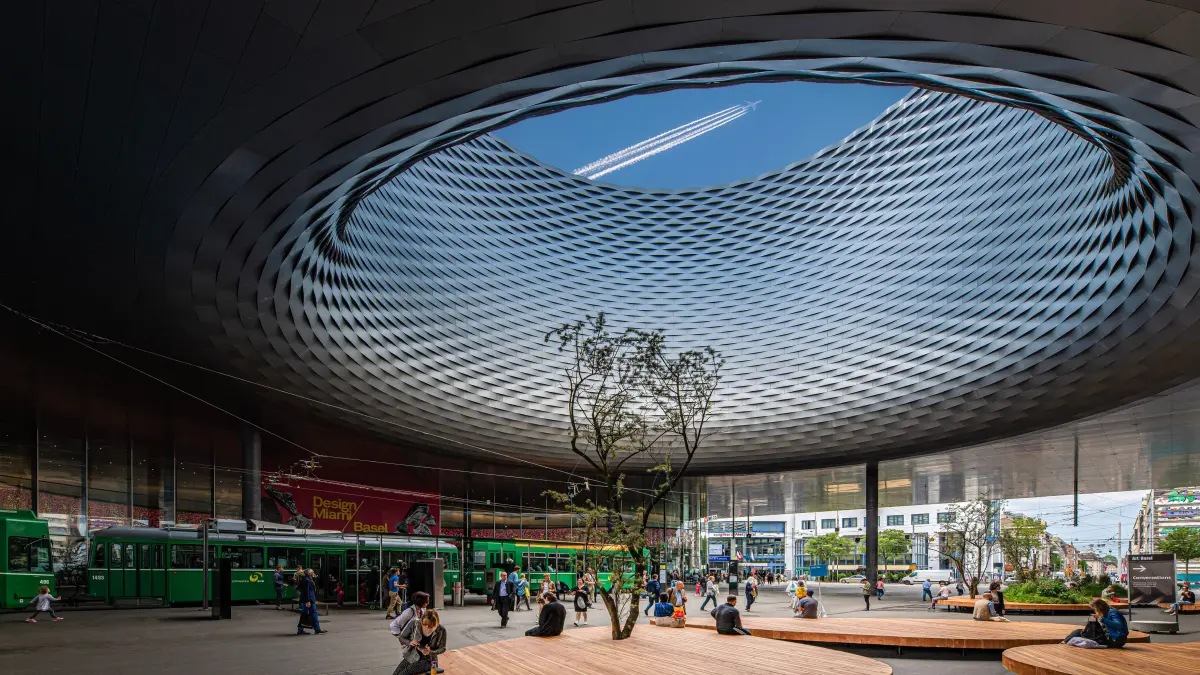
Art fairs, such as Art Basel, Frieze, and The Armory Show, serve as critical revenue hubs for the international art market. While these events require significant capital investment—often costing tens of thousands of dollars for booth rental, logistics, and travel—they provide access to a global pool of wealthy collectors. Galleries view these fairs as essential marketing platforms where they can maximize exposure and close high-value sales in a concentrated environment.
To succeed at these fairs, galleries must carefully curate their booths to appeal to specific demographics. Revenue is generated not just through immediate sales during the fair, but through the long-term relationships established with new clients. Many galleries report that over 50% of their annual revenue is generated during these intense, week-long events. To manage the financial risks associated with fair participation, galleries often follow these steps:
- Analyze the collector base of the specific fair to ensure the artist's work aligns with local demand.
- Negotiate booth placement to ensure high foot traffic near major institutional buyers.
- Coordinate private previews for top-tier clients to secure sales before the public opening.
What are the secondary market and advisory services?
Beyond the primary market, many galleries operate in the secondary market, which involves the resale of works that have previously been owned. This is often more lucrative than primary sales because the gallery does not have to split the profits with the artist. When a gallery facilitates a private sale of a secondary market piece, they may charge a "finder’s fee" or a commission on the transaction price, which can range from 10% to 20%.
Art advisory services represent another growing income stream. Galleries leverage their expertise to help private collectors build, manage, and diversify their portfolios. They charge retainer fees or hourly consulting rates, and sometimes earn a percentage of the total acquisition cost when they source specific works for a client. This diversification helps galleries maintain cash flow during periods when exhibition sales might be slower. By positioning themselves as experts, galleries transform their deep industry knowledge into a billable service that is independent of physical inventory sales.
Common mistakes when running an art gallery
Operating a gallery is a high-risk business, and financial failure often stems from poor inventory management or over-extension. One of the most common mistakes is "over-stocking" works by artists who do not have a proven track record of sales. When a gallery ties up its limited capital in inventory that does not move, it quickly faces liquidity issues. Another frequent error is failing to maintain a robust database of client preferences, which prevents the gallery from effectively matching new works with potential buyers.
Other critical pitfalls include:
- Underestimating the true cost of shipping, insurance, and professional photography for exhibitions.
- Ignoring the importance of digital presence, which is now mandatory for reaching international collectors.
- Relying on a single artist for the majority of the gallery's revenue, leaving the business vulnerable if that artist leaves or their market value fluctuates.
- Failing to conduct proper due diligence on the provenance of secondary market works, which can lead to legal complications and reputation damage.
How do galleries manage long-term financial growth?
Sustainable growth for an art gallery requires a balance between artistic vision and fiscal discipline. Successful galleries invest heavily in building a brand, which includes hosting high-profile openings, producing scholarly catalogs, and securing placement for their artists in museum collections. While these activities do not always yield immediate cash, they increase the "prestige" of the gallery, which in turn allows the gallery to command higher prices for the works it sells.
To ensure long-term viability, galleries also focus on diversifying their artist roster. By representing a mix of established artists who provide steady, predictable income and emerging artists who offer high-growth potential, galleries can hedge against market volatility. They also prioritize building a loyal client base through personalized service and transparency. Ultimately, the most successful galleries are those that treat art as both a cultural asset and a serious financial commodity, ensuring that their business model remains resilient regardless of broader economic shifts.
Key facts
- Galleries typically charge a 50 percent commission on the sale price of artworks.
- Primary market galleries represent living artists and sell their work for the first time.
- Secondary market galleries trade in works that have been previously owned or sold at auction.
- Many galleries generate additional revenue through art fair booth fees, consulting services, and framing or storage fees.
- High-end galleries often operate on a "retainer" model, paying artists a monthly stipend against future sales.
- Successful gallery owners prioritize building long-term relationships with private collectors and institutional curators.
The bottom line
Art galleries function as essential intermediaries in the art market, balancing the creative needs of artists with the financial goals of collectors. By taking a commission on sales, galleries provide the infrastructure, marketing, and professional reputation necessary to sustain an artist's career. While the business model is high-risk due to fluctuating market trends, success relies on cultivating a loyal network of buyers and maintaining long-term institutional support.
People also ask
Do art galleries pay artists a salary?
Most galleries do not pay a salary; instead, they operate on a commission-based partnership. The artist receives a percentage of the sale price, usually 50 percent, only after the work is sold to a collector.
How do galleries determine the price of an artwork?
Prices are set based on the artist’s exhibition history, past auction results, and the size or medium of the piece. Galleries carefully increase prices over time to ensure market stability and avoid devaluing the artist's previous sales.
What is the difference between a commercial gallery and a non-profit space?
Commercial galleries exist to generate profit through sales, while non-profit spaces often rely on grants, donations, and memberships. Non-profits focus on community education and experimental art rather than the financial investment potential of the works.
Why do galleries participate in expensive art fairs like Art Basel?
Art fairs provide a centralized location to reach international collectors who might not visit the gallery’s physical location. Despite the high cost of booth rentals and logistics, a single successful fair can account for a significant portion of a gallery's annual revenue.
Can an artist sell their work directly if they have a gallery?
Most gallery contracts include an exclusivity clause that prevents artists from selling work independently within a specific geographic region. Bypassing the gallery can damage the professional relationship and lead to the termination of the representation agreement.
What are the biggest overhead costs for an art gallery?
Rent in high-traffic urban areas, staff salaries, and shipping logistics are the primary expenses. Marketing costs, including printing catalogs and hosting opening receptions, also contribute significantly to the gallery’s monthly operating budget.
This answer was created with the help of AI research tools and reference sources. Spotted an error? Let us know — we correct mistakes quickly. See our editorial policy.