What is the difference between abstract and non-objective art?
Short answer
Abstract art simplifies or distorts real-world subjects, retaining a recognizable connection to the physical world. In contrast, non-objective art contains no reference to external reality, focusing entirely on the formal elements of color, line, and shape. While abstract art interprets the visible world, non-objective art creates an entirely new, independent visual language.
On this page
What defines abstract art?
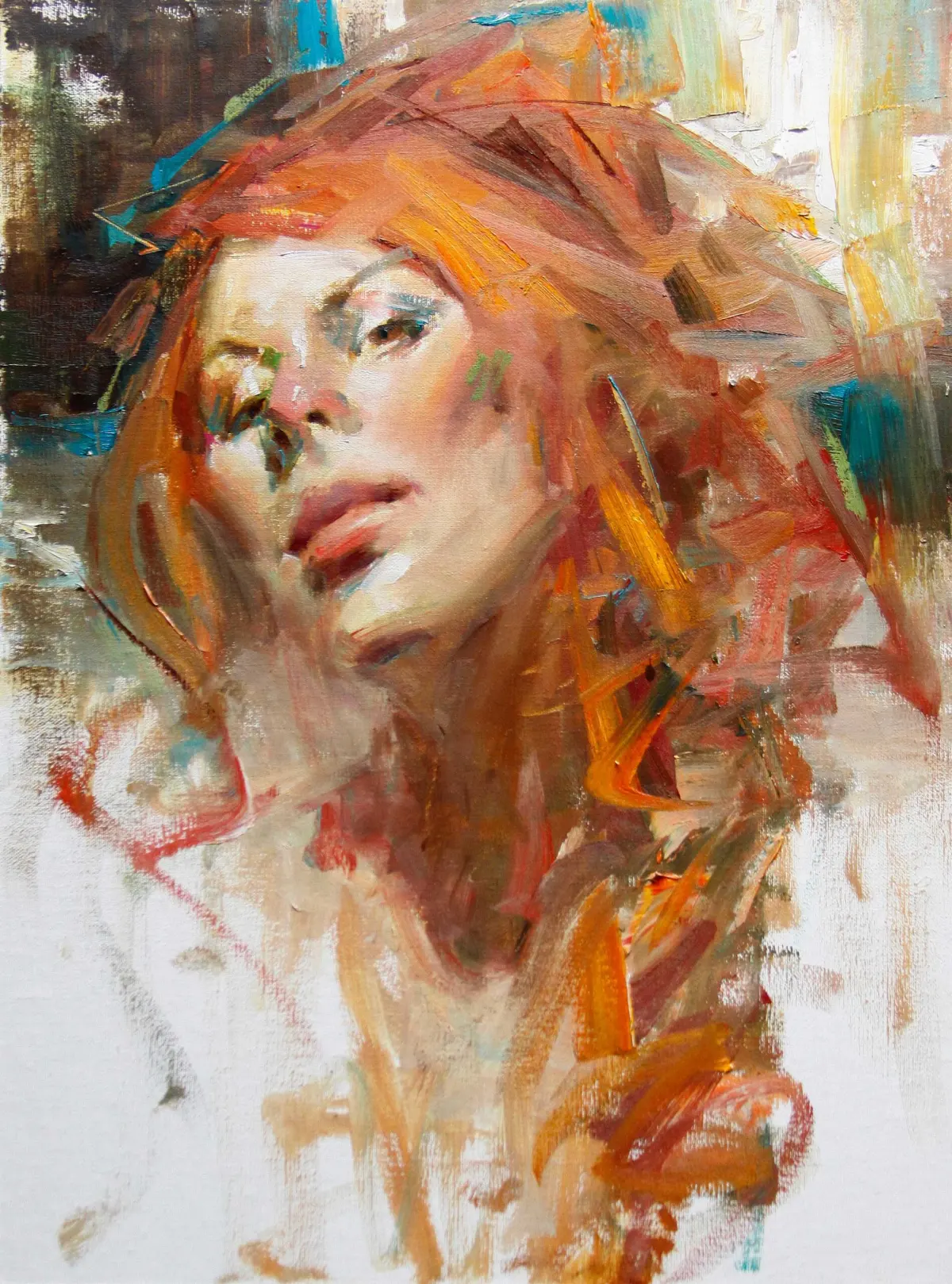
Abstract art is a broad category that involves taking a subject from the visible world and altering it through simplification, exaggeration, or rearrangement. The artist begins with a concrete reference point—such as a landscape, a person, or an object—and strips away detail to emphasize mood or essence. Because the original subject remains identifiable, the viewer can still perceive the artist's intended inspiration.
Famous movements like Cubism, pioneered by Pablo Picasso and Georges Braque in the early 20th century, exemplify this approach. In a Cubist painting, a guitar or a human face is broken into geometric planes, yet the underlying structure of the object is preserved. The goal is to represent the subject from multiple viewpoints simultaneously rather than capturing a realistic snapshot. By moving away from strict representation, abstract artists gain the freedom to express complex emotions and concepts that a literal depiction might fail to convey.
What is non-objective art?
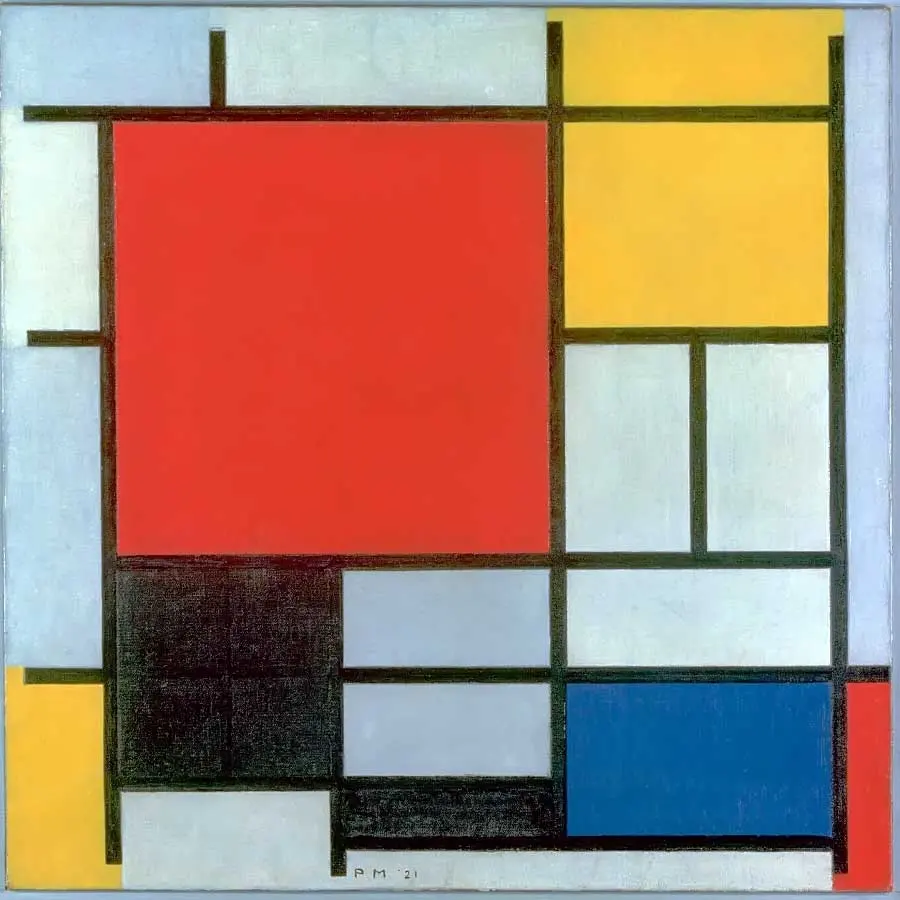
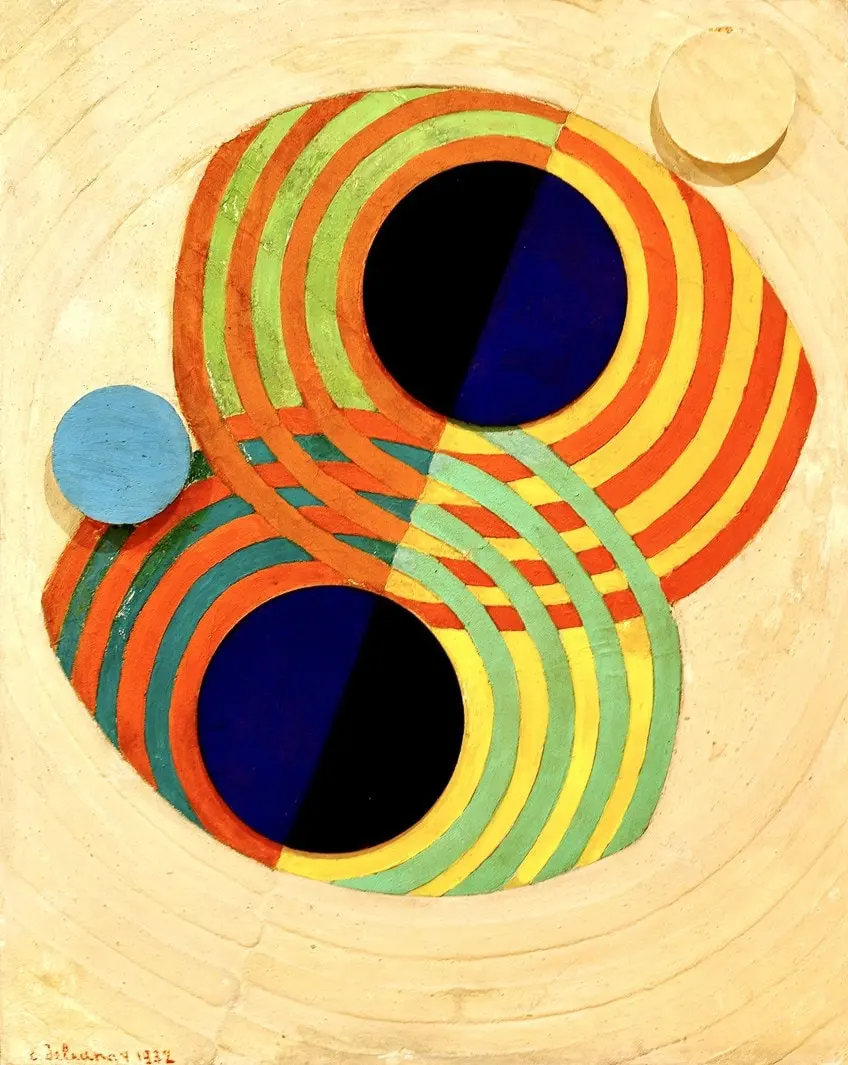
Non-objective art, often called geometric abstraction or concrete art, avoids all references to the physical world. Instead of depicting an object, the artist focuses on the fundamental components of art: color, line, shape, and texture. The work does not represent anything other than itself, meaning the viewer does not need to search for a hidden subject or a recognizable narrative.
Pioneers like Kazimir Malevich and Piet Mondrian were instrumental in defining this style. Malevich’s 1915 work, Black Square, is a quintessential example, consisting solely of a black square on a white background. Similarly, Mondrian’s grid paintings utilize primary colors and straight lines to create a sense of universal harmony. These works are intended to be experienced as pure visual phenomena. When viewing non-objective art, the "subject" is the interaction between the elements on the canvas and the viewer's immediate sensory response.
How to distinguish between the two styles
Distinguishing between these styles requires looking for a tether to reality. If you can identify a tree, a person, or a building—even if it is stylized or distorted—the work is abstract. If the painting consists entirely of shapes, colors, and lines that do not represent a specific object, it is non-objective.
To categorize a piece of art, follow these steps:
- Scan the entire canvas for any recognizable shapes or silhouettes.
- Consider if the title suggests a subject, such as "Portrait of a Lady" or "Sunset at Sea."
- Evaluate whether the artist is trying to capture the "essence" of a real thing or if they are purely exploring composition.
- If you find no connection to the physical world, classify the work as non-objective art.
Common mistakes when identifying these styles include:
- Assuming all modern art is abstract.
- Confusing "expressionist" brushwork with a lack of subject matter.
- Mislabeling non-objective art as "abstract" simply because it lacks realism.
Why artists choose these different paths
Artists choose between abstraction and non-objective art based on their creative goals and philosophies. Those who pursue abstraction often want to challenge the viewer's perception of reality by showing how a subject can be interpreted through different lenses. By maintaining a link to the real world, they provide a bridge that helps the audience connect their own experiences to the artwork. This approach is ideal for artists who want to communicate specific themes, such as political commentary or personal memories, using familiar imagery as a foundation.
Conversely, artists who gravitate toward non-objective art seek to liberate the viewer from the constraints of representation. They believe that art should be a spiritual or intellectual experience that exists independently of external objects. By removing the distraction of a subject, they force the viewer to engage directly with the interplay of color and form. This style is often used to explore concepts of balance, rhythm, and spatial relationships, creating a meditative experience that relies entirely on the viewer's aesthetic intuition.
Best ways to appreciate non-objective art
Appreciating non-objective art requires a shift in mindset. Instead of asking "What is this a picture of?", you should focus on how the work makes you feel. Pay attention to the scale of the shapes, the intensity of the colors, and the rhythm created by the lines. These works are designed to function like music; just as a symphony does not need to represent a specific event to be moving, a non-objective painting creates an emotional atmosphere through pure composition.
When engaging with this art, consider the following:
- Observe how colors interact: Do they clash or harmonize?
- Look for movement: Do the lines lead your eye across the canvas in a specific direction?
- Notice the texture: Does the paint feel thick and heavy, or is the surface smooth and precise?
- Reflect on your reaction: Does the work feel chaotic, calm, or energetic?
By focusing on these formal elements, you can move past the need for a literal subject and enjoy the work as a direct, unfiltered experience. This practice allows you to appreciate the artist's technical mastery and the inherent beauty of the composition itself, regardless of whether the work represents anything from the physical world.
Key facts
- Abstract art begins with a recognizable subject from the real world, such as a person or landscape, and distorts it.
- Non-objective art contains no recognizable reference to the physical world and relies entirely on shapes, colors, and textures.
- Wassily Kandinsky is widely considered the pioneer of non-objective art, having created his first purely abstract watercolor around 1910.
- Pablo Picasso’s Cubist works are prime examples of abstract art, as they deconstruct physical objects into geometric forms.
- To distinguish the two, ask if you can identify the original subject; if the answer is "yes," the work is abstract.
- Avoid the common mistake of using the terms interchangeably, as "abstract" implies a derivation from reality while "non-objective" implies total autonomy.
The bottom line
The primary distinction lies in the origin of the imagery. Abstract art acts as a filter, taking a real-world subject and simplifying or distorting its features. Non-objective art, conversely, rejects the physical world entirely, existing solely as an arrangement of formal elements. Recognizing this difference allows viewers to better appreciate whether an artist is reinterpreting reality or creating an entirely new, independent visual language.
People also ask
Is all modern art considered abstract?
No, modern art is a broad historical period spanning roughly from the 1860s to the 1970s. While it includes many abstract movements, it also encompasses representational styles like Surrealism and Social Realism.
Why do artists choose to create non-objective art?
Artists often use non-objective art to explore the emotional or spiritual power of color and form without the distraction of a subject. By removing narrative, they invite the viewer to experience the painting as a pure sensory object.
Can abstract art become non-objective?
Yes, many artists moved along a spectrum during their careers. For example, Piet Mondrian began by painting recognizable trees and gradually simplified them until they became the non-objective grid patterns he is famous for today.
Does non-objective art require a specific technique?
There is no single technique, but artists often focus on composition, balance, and rhythm. They may use geometric precision, as seen in Suprematism, or spontaneous, gestural brushwork, as seen in Abstract Expressionism.
How should I interpret a piece of non-objective art?
Focus on your visceral reaction to the elements rather than searching for a hidden message. Observe how the colors interact, how the lines move across the canvas, and how the scale affects your mood.
Is minimalism the same as non-objective art?
Minimalism is a specific movement that often utilizes non-objective forms, but not all non-objective art is minimalist. Minimalism emphasizes extreme simplicity and industrial materials, whereas other non-objective styles may be highly complex or expressive.
This answer was created with the help of AI research tools and reference sources. Spotted an error? Let us know — we correct mistakes quickly. See our editorial policy.