What is street art?
Short answer
Street art is visual art created in public locations, typically outside the context of traditional art venues. It encompasses various techniques, including graffiti, stencils, wheatpasting, and murals. While often unauthorized, it serves as a powerful medium for social commentary, urban beautification, and personal expression, transforming shared spaces into accessible, open-air galleries.
On this page
What defines street art?
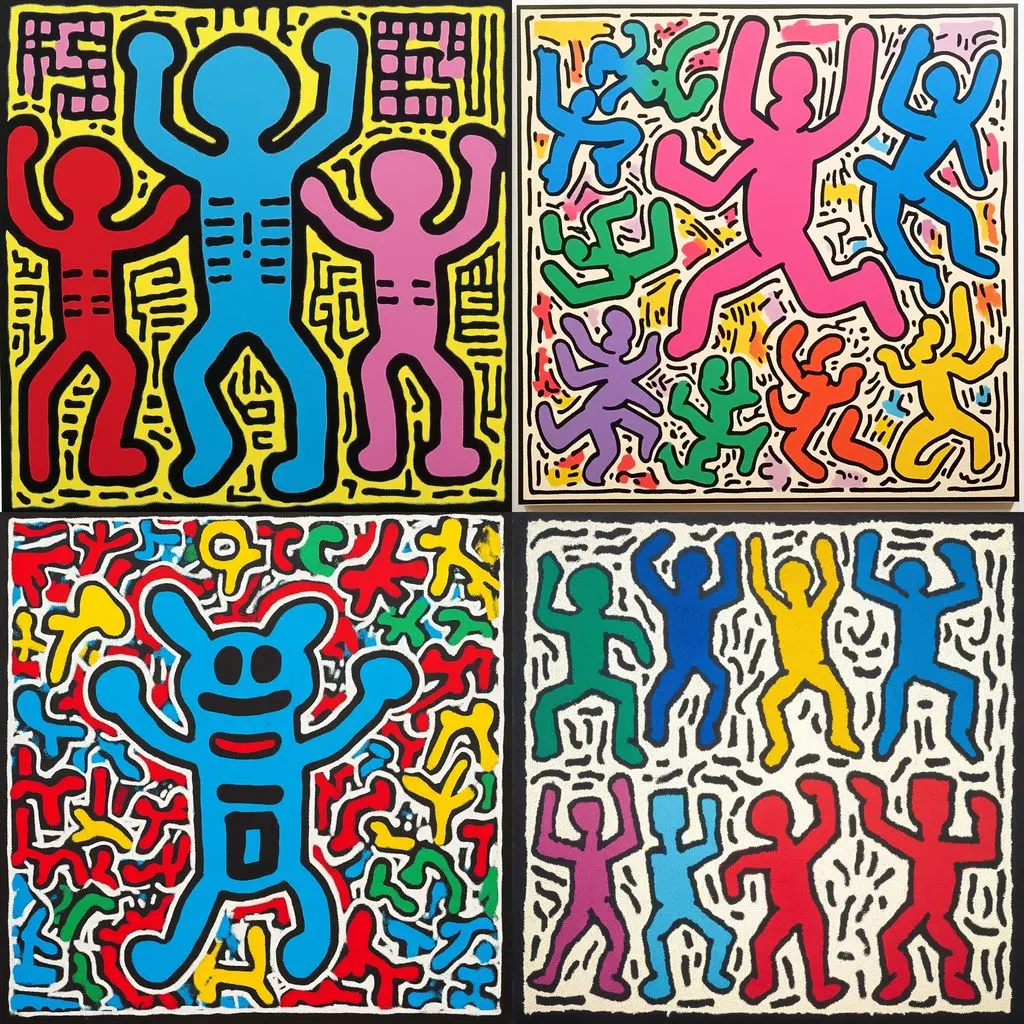
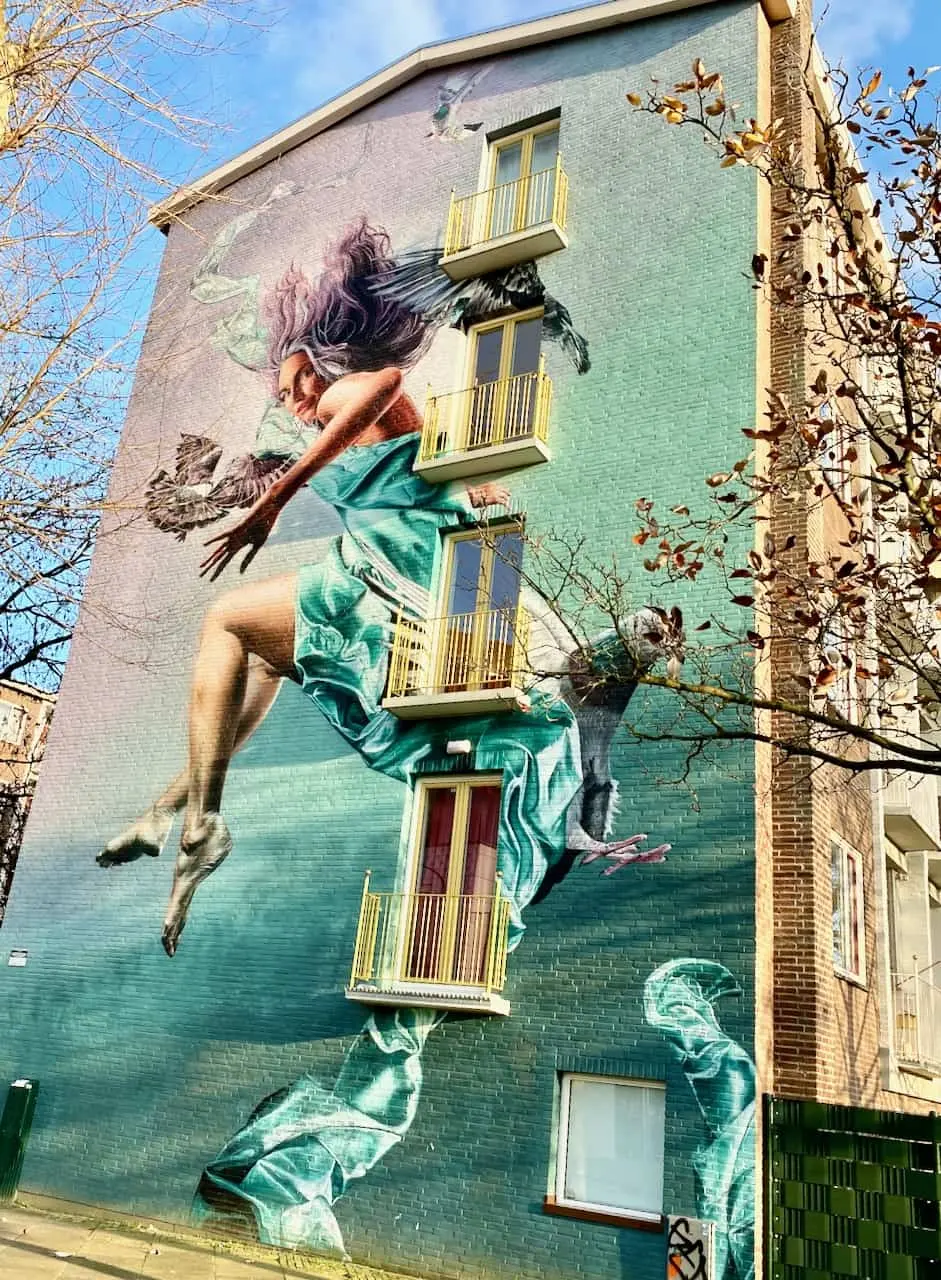
Street art is defined by its location in the public sphere, often appearing on walls, bridges, and sidewalks. Unlike traditional gallery art, it is accessible to everyone regardless of socioeconomic background. The movement gained significant momentum in the late 1970s and 1980s, evolving from early graffiti subcultures in New York City into a global phenomenon that influences contemporary design, fashion, and politics.
Distinguishing between graffiti and street art is a common point of discussion. While graffiti often focuses on stylized lettering and personal signatures known as "tags," street art frequently incorporates imagery, characters, and social messages. Both practices share a rebellious spirit and a desire to reclaim urban environments. Today, many street artists are commissioned by cities to create large-scale murals that revitalize neighborhoods, bridging the gap between illicit activity and institutionalized art.
How do artists create street art?
Street artists utilize a wide array of tools to execute their visions quickly and effectively. The choice of medium often depends on the artist's style, the intended duration of the piece, and the texture of the surface. Common techniques include:
- Aerosol spray paint: The standard tool for murals and tags, offering versatility in color and line weight.
- Stencils: Pre-cut designs that allow for rapid application and high detail, popularized by artists like Banksy.
- Wheatpasting: Applying paper posters to walls using a mixture of flour and water, which is fast and leaves no permanent damage.
- Stickers and mosaics: Small-scale additions that can be placed discreetly in high-traffic areas.
Artists must consider the surface material, such as brick, concrete, or metal, as each reacts differently to paint. Proper preparation, such as priming a wall or ensuring a surface is dry, significantly improves the longevity of the work.
Why do people create street art?
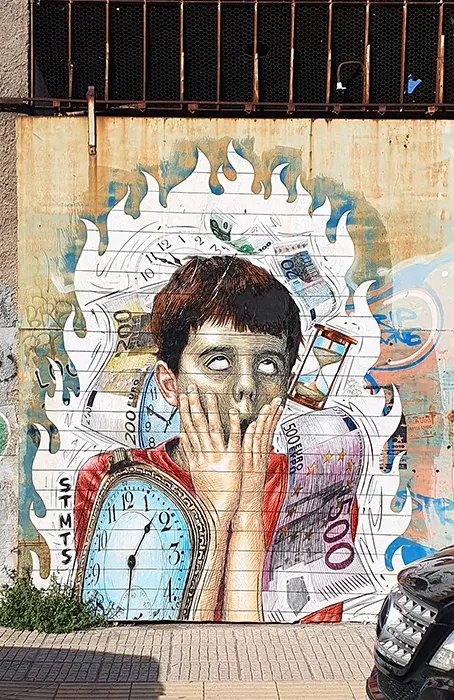
The motivations behind street art are as diverse as the artists themselves. For many, it is a form of visual protest, used to highlight systemic inequality, environmental issues, or political corruption. By placing these messages in high-traffic public areas, artists force passersby to engage with topics they might otherwise ignore. This democratization of art ensures that the conversation is not limited to those who visit museums.
Beyond activism, street art serves as a tool for urban transformation. A neglected, decaying wall can be turned into a landmark that fosters community pride. Artists often aim to brighten gray, industrial landscapes, creating a sense of wonder and playfulness in the daily commute. This artistic intervention can shift the perception of a neighborhood, turning a "no-go" zone into a vibrant cultural destination that attracts tourism and local engagement.
How to get started with street art?
If you are interested in creating your own street art, it is essential to prioritize safety and legality. Start by practicing your techniques in controlled environments before moving to public spaces. Follow these steps to begin your journey:
- Sketch your ideas on paper first to refine your composition and color palette.
- Experiment with different spray paint caps to understand how they affect line thickness and flow.
- Research local laws and identify "legal walls" where artists are permitted to paint without fear of prosecution.
- Always carry your supplies in a way that is organized and easy to transport quickly.
- Respect the work of other artists by not painting over pieces that are clearly well-executed or significant to the community.
Building a portfolio of sketches and small-scale works will help you develop your unique style and confidence before you attempt larger projects.
Common mistakes when creating street art?
The most significant error beginners make is failing to account for local regulations. Painting on private property without explicit permission is illegal and can lead to criminal charges, fines, or community service. Another frequent mistake is ignoring the environment; painting during peak hours or in highly visible, sensitive areas increases the likelihood of being caught. Always scout your location thoroughly during the day to understand foot traffic patterns.
Technical errors are also common, such as using low-quality paint that drips or fades quickly under sunlight. Beginners often underestimate the time required to complete a piece, leading to rushed, messy work. To avoid this, always plan for a "quick exit" and ensure your design can be executed within your time constraints. Finally, never leave trash or empty cans behind; professional artists take pride in leaving their site cleaner than they found it, which helps maintain respect for the craft.
Key facts
- Street art is visual art created in public spaces, typically unsanctioned, and intended for public viewing.
- Unlike traditional graffiti, which focuses on stylized lettering and tags, street art often incorporates imagery, characters, and social commentary.
- Common mediums include spray paint, wheatpaste posters, stencils, stickers, and large-scale murals.
- The movement gained global prominence in the 1990s and 2000s, moving from underground subcultures into mainstream art galleries.
- Banksy, a pseudonymous British artist, is the most recognizable figure in street art, known for his politically charged, satirical stencil works.
- To create a stencil, cut your design into durable material like Mylar or heavy cardstock, then apply spray paint in thin, even layers to avoid drips.
The bottom line
Street art serves as a vibrant, democratic form of expression that transforms urban environments into open-air galleries. By utilizing diverse techniques like stencils and posters, artists engage directly with the public, often challenging social norms or highlighting local issues. While it exists in a complex legal gray area, its influence on contemporary culture is undeniable, bridging the gap between underground subcultures and the global art market.
People also ask
Is street art the same thing as graffiti?
While they overlap, graffiti is primarily focused on the writer's name or "tag" and emphasizes typography and speed. Street art is generally more illustrative and aims to communicate a visual message or narrative to a broad audience.
Is street art legal?
Most street art is created without permission on private or public property, which is technically vandalism. However, many cities now commission legal murals to beautify neighborhoods and discourage unauthorized tagging.
What is a wheatpaste?
Wheatpaste is a mixture of flour, water, and sometimes glue used to adhere paper posters to outdoor surfaces. It is a popular, non-permanent method that allows artists to display intricate illustrations without needing the time required for a spray-painted mural.
How do artists protect their work from being painted over?
Artists often choose high-traffic or abandoned locations, though there is no guarantee of longevity. Some artists apply a clear protective varnish or anti-graffiti coating, but the ephemeral nature of the work is considered a core characteristic of the medium.
What is a "throw-up" in the context of street art?
A throw-up is a simple, quick piece of graffiti usually consisting of two colors and rounded, bubbly letters. It is designed to be painted rapidly to minimize the artist's exposure to law enforcement or property owners.
Why do some street artists use pseudonyms?
Many artists use aliases to maintain anonymity, as much of their work is created in legally ambiguous or prohibited spaces. This anonymity helps them avoid prosecution while allowing the focus to remain on the art rather than their personal identity.
This answer was created with the help of AI research tools and reference sources. Spotted an error? Let us know — we correct mistakes quickly. See our editorial policy.