What is a genre painting?
Short answer
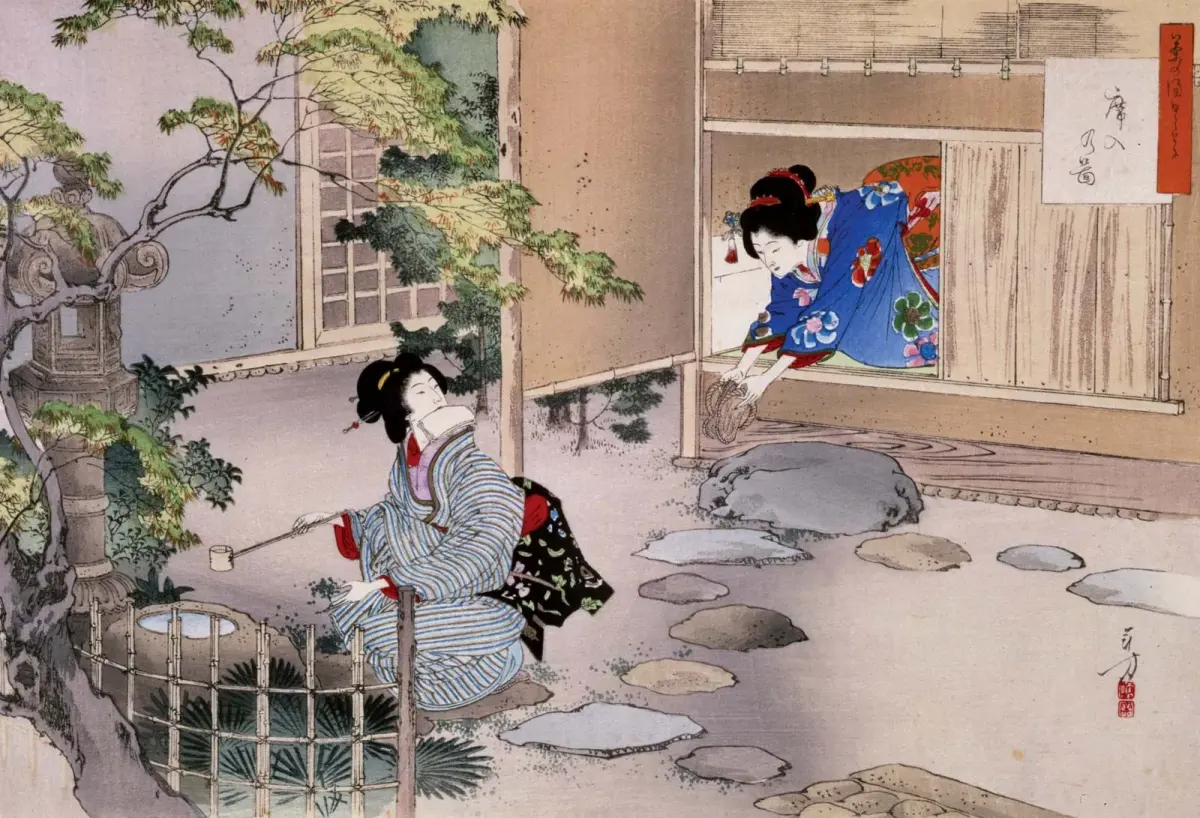
Genre painting is a style of art that depicts scenes from everyday life, such as markets, domestic interiors, taverns, or street activities. Unlike historical, religious, or mythological art, it focuses on ordinary people and common human experiences. These works provide valuable insights into the social customs, clothing, and daily habits of past eras.
On this page
What defines a genre painting?
Genre painting is characterized by its focus on the mundane rather than the monumental. While traditional art history once prioritized grand narratives involving kings or gods, genre painting elevates the common person to the status of a subject. These paintings often capture fleeting moments, such as a woman pouring milk, a group of peasants dancing, or children playing in a courtyard.
The primary goal of the genre painter is to document reality as it exists in the present moment. By removing the need for symbolic or allegorical interpretation, the artist invites the viewer to relate to the scene through shared human experience. These works are frequently small in scale, intended for private homes rather than large cathedrals or royal palaces. They serve as a mirror to society, reflecting both the hardships and the simple joys of the working class and the bourgeoisie.
How did genre painting evolve?
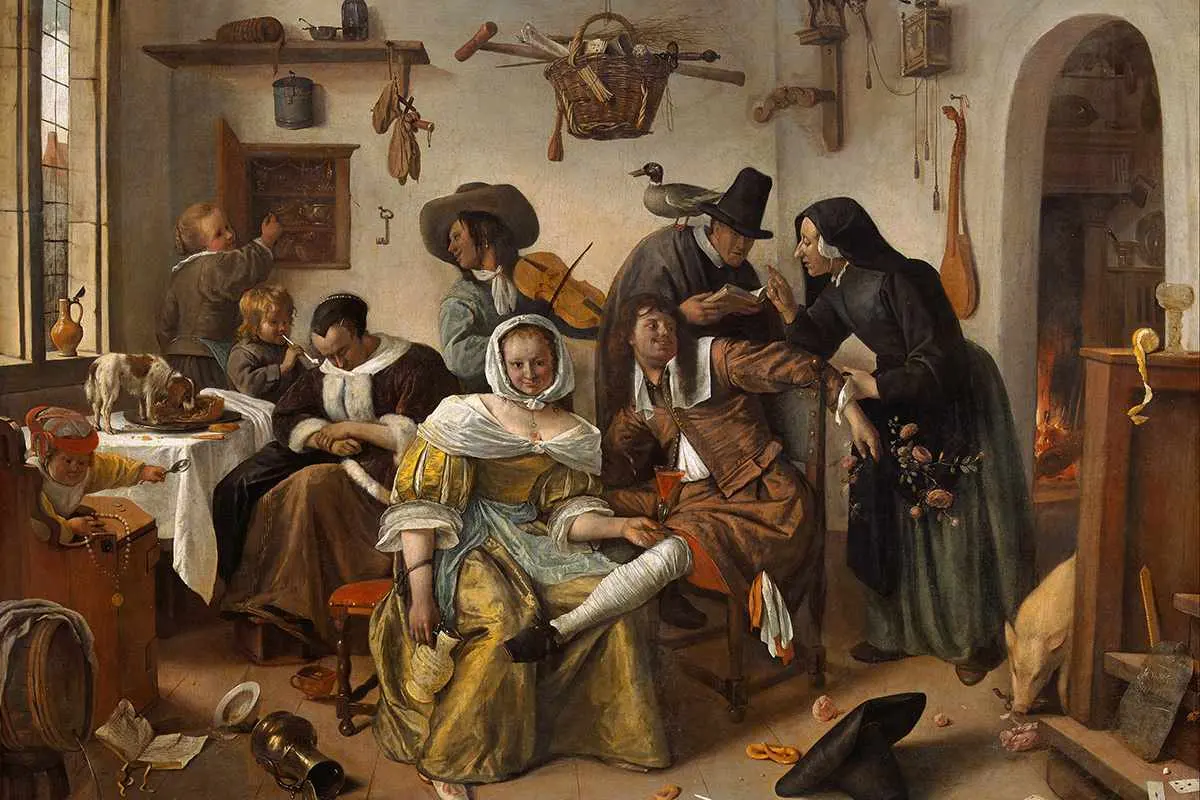
The genre tradition flourished most notably during the Dutch Golden Age in the 17th century. Artists such as Johannes Vermeer and Jan Steen became masters of the craft, creating intimate scenes that emphasized light, texture, and domestic life. This period marked a shift in patronage, as a rising merchant class sought art that reflected their own lifestyle rather than religious dogma.
Before this peak, genre elements appeared in the backgrounds of religious works, but they were rarely the primary focus. By the 19th century, the style evolved to include social commentary, with artists like Gustave Courbet using genre scenes to highlight the plight of the poor. The movement eventually influenced Impressionists, who sought to capture the "modern life" of Parisian boulevards and cafes.
- 15th-century: Emergence of genre elements in Northern European religious works.
- 17th-century: Peak of Dutch Golden Age genre painting.
- 18th-century: Rise of French Rococo scenes portraying aristocratic leisure.
- 19th-century: Shift toward social realism and depictions of urban life.
How to identify genre paintings
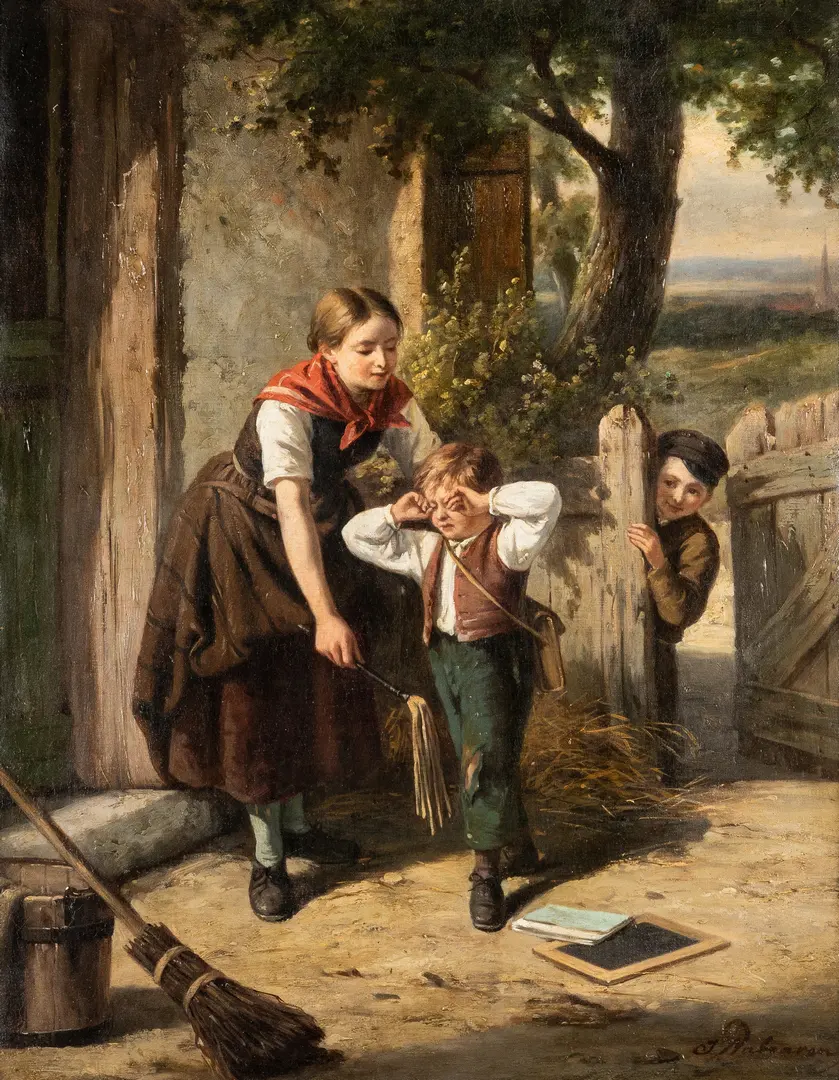
To identify a genre painting, look for the absence of specific religious, historical, or mythological markers. If the figures are not recognizable as saints, heroes, or royalty, you are likely looking at a genre scene. The setting is usually a recognizable place, such as a kitchen, a village square, or a workshop, rather than an idealized landscape or a celestial realm.
Pay close attention to the activity taking place within the frame. Genre paintings often feature characters engaged in repetitive, mundane tasks or social interactions. These scenes are designed to feel accessible and grounded in the physical world. If the painting captures a sense of "everydayness," it is almost certainly a genre piece.
- Check for the absence of halos, crowns, or classical armor.
- Observe the setting to see if it represents a common domestic or public space.
- Analyze the activity to determine if it depicts a routine task or social custom.
- Note the scale, as genre paintings are often intimate and smaller than history paintings.
Why genre painting matters today
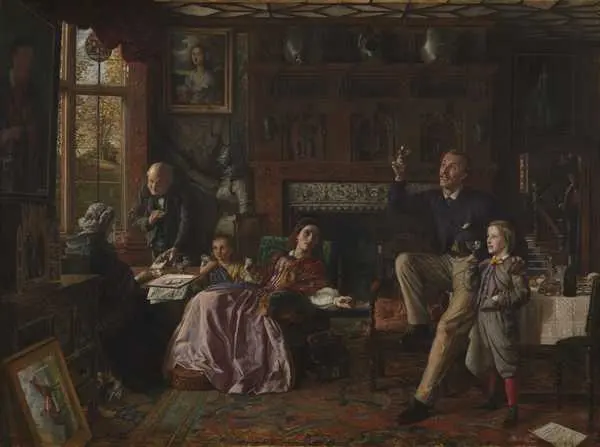
Genre painting serves as a visual archive of human history. Because these artists focused on the details of daily life, their works provide historians with accurate records of period-specific furniture, tools, and fashion. We learn how people lived, what they ate, and how they interacted with their neighbors through these carefully preserved snapshots.
Beyond historical documentation, these paintings remind us of the dignity found in ordinary existence. They bridge the gap between the past and the present by showing that human emotions—joy, exhaustion, curiosity, and love—remain constant across centuries. By celebrating the common man, genre painting democratized the art world and paved the way for modern artistic movements that prioritize personal expression and social observation over formal, rigid hierarchies.
Common mistakes when viewing genre paintings
One common mistake is assuming that every genre painting is a literal, objective photograph of life. While they depict everyday scenes, artists often staged these compositions to convey moral lessons or social satire. For instance, a messy room in a Dutch painting might not represent the artist's actual home, but rather a warning against laziness or lack of discipline.
Another error is overlooking the symbolism hidden within the mundane. Even in a simple scene of a woman sewing, an artist might include objects like a broken egg or a wilted flower to represent fragility or lost innocence. Viewers should look past the surface-level simplicity to find the deeper narrative the artist intended to communicate. Always consider the cultural context of the era, as what seems like a simple domestic scene today may have carried significant metaphorical weight for the original audience.
Key facts
- Genre painting depicts scenes of everyday life, such as markets, domestic interiors, or tavern gatherings.
- The term comes from the French word "genre," meaning "kind" or "type," distinguishing it from historical or religious art.
- Dutch Golden Age artists like Johannes Vermeer and Jan Steen defined the genre in the 17th century.
- These paintings often contain hidden symbols or moral lessons, such as a messy room representing a chaotic life.
- To identify a genre painting, look for ordinary people performing mundane tasks rather than mythological figures or royalty.
- Avoid confusing genre painting with "genre fiction"; in art, it specifically refers to the subject matter of daily life.
The bottom line
Genre painting serves as a visual record of humanity’s daily existence, moving away from idealized religious or royal subjects. By focusing on the common person in mundane settings, these works provide invaluable insights into historical social structures and cultural values. Whether capturing a quiet domestic moment or a lively public celebration, genre art remains a timeless bridge connecting viewers to the lived experiences of the past.
People also ask
How is genre painting different from portraiture?
Portraiture focuses on capturing the specific likeness and identity of a particular individual or group. Genre painting prioritizes the activity or scene itself, where the people are usually anonymous representations of a social class or type.
Did genre painting become more popular during a specific time period?
While it existed in antiquity, it flourished during the 17th-century Dutch Golden Age. Middle-class patrons preferred these accessible, relatable scenes over the grand religious themes favored by the church.
Are landscapes considered genre paintings?
Landscapes are generally categorized as a separate genre of art. However, if a painting features people working or living within that landscape, it may be classified as a genre painting with landscape elements.
What is the purpose of the moralizing elements in these paintings?
Many genre painters used their work to comment on societal values or human folly. A spilled pitcher or a broken egg often served as a subtle warning against gluttony, laziness, or moral corruption.
Can I find genre paintings in modern art?
Yes, the tradition continues in various forms, including social realism and contemporary photography. Artists still frequently document the daily struggles and habits of ordinary people to reflect the current human condition.
What is the biggest mistake to avoid when viewing these works?
Do not assume that every detail is purely decorative. Many artists included specific objects, such as a candle or a mirror, to convey deeper meanings or allegories about the brevity of life.
This answer was created with the help of AI research tools and reference sources. Spotted an error? Let us know — we correct mistakes quickly. See our editorial policy.