What is Ukiyo-e?
Short answer
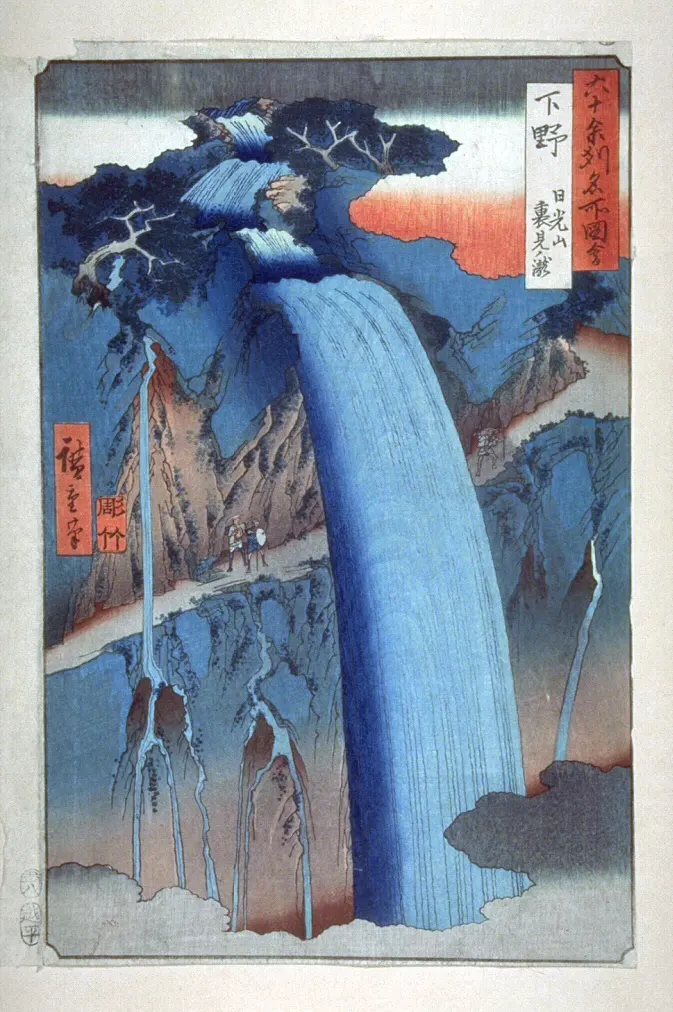
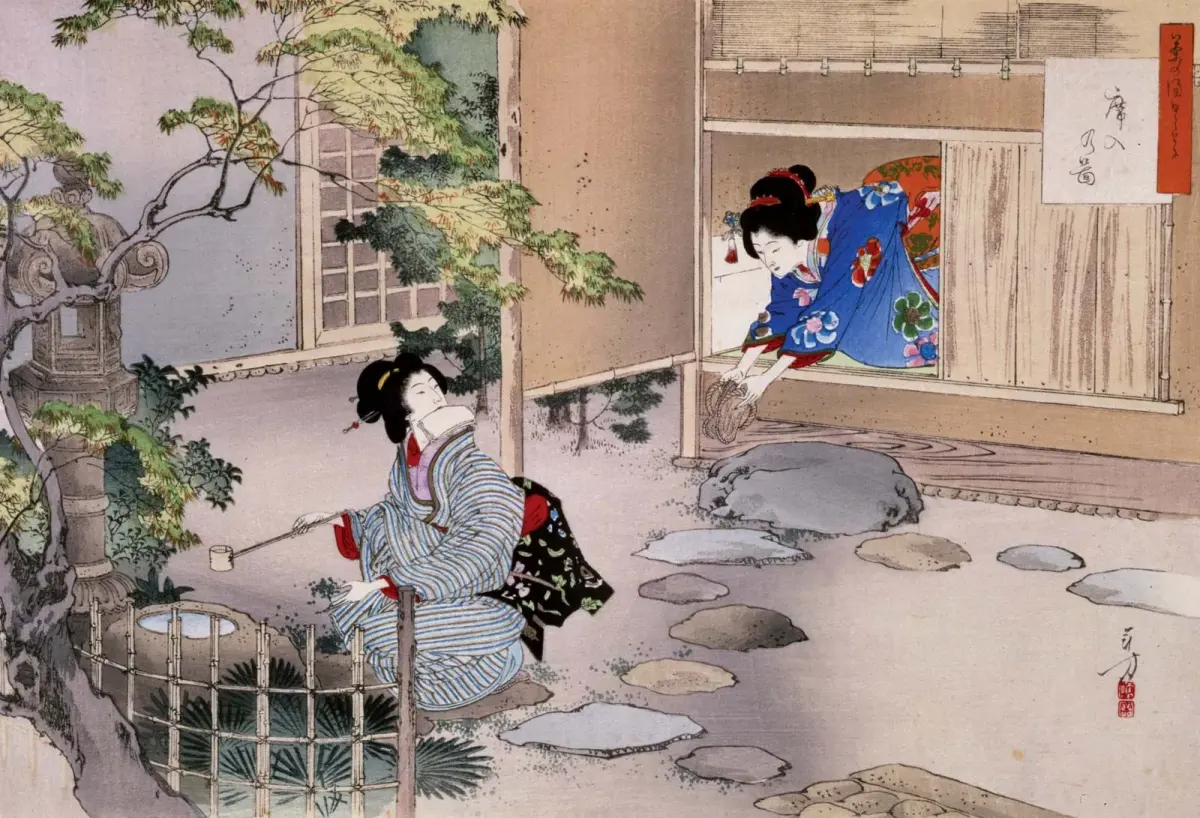
Ukiyo-e is a genre of Japanese woodblock prints and paintings that flourished from the 17th to the 19th century. Translating to "pictures of the floating world," the art form depicts urban life, including landscapes, theater actors, and beautiful women. It became iconic for its bold colors, flat compositions, and influence on modern art.
On this page
What is the history of Ukiyo-e?
Ukiyo-e emerged during the Edo period (1603–1867), a time of relative peace and economic growth in Japan. The term "floating world" originally had Buddhist connotations of life's transience, but in Edo, it came to represent the hedonistic lifestyle of the rising merchant class. These citizens frequented the pleasure districts, kabuki theaters, and teahouses, seeking entertainment that the art form captured with vivid detail.
The production process was a collaborative effort involving four distinct roles: the publisher, the artist, the carver, and the printer. The artist created the initial drawing, which the carver transferred onto cherry wood blocks. Each color required a separate block, and the printer carefully applied ink and pressed paper onto these blocks. This division of labor allowed for mass production, making art accessible to the general public rather than just the wealthy elite.
What are the key themes and subjects?
The subject matter of Ukiyo-e was deeply rooted in the popular culture of the time. Artists focused on themes that resonated with everyday citizens, often highlighting the glamour of urban life. While early works were monochrome, the introduction of full-color printing, known as nishiki-e or "brocade prints," in the 1760s revolutionized the genre.
Common subjects included:
- Bijin-ga: Portraits of beautiful women, often courtesans or geisha.
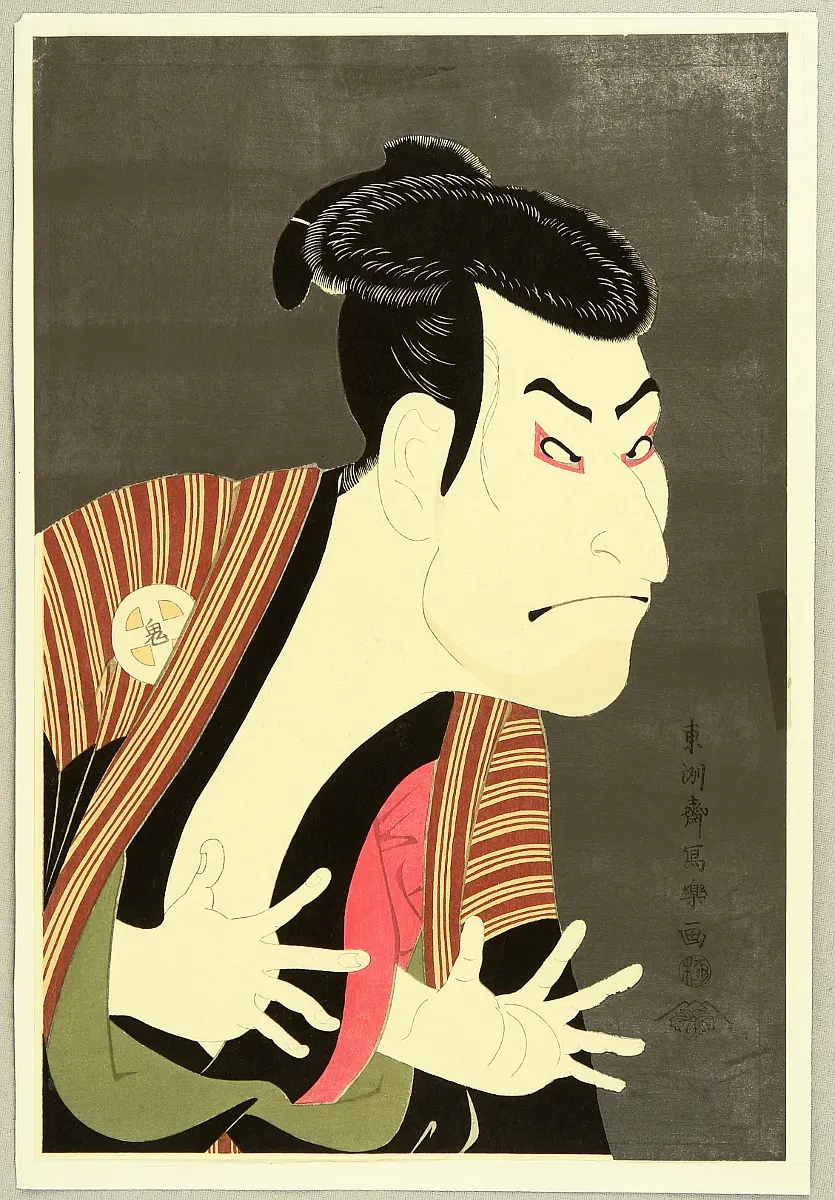
- Yakusha-e: Depictions of famous kabuki actors in dramatic poses.
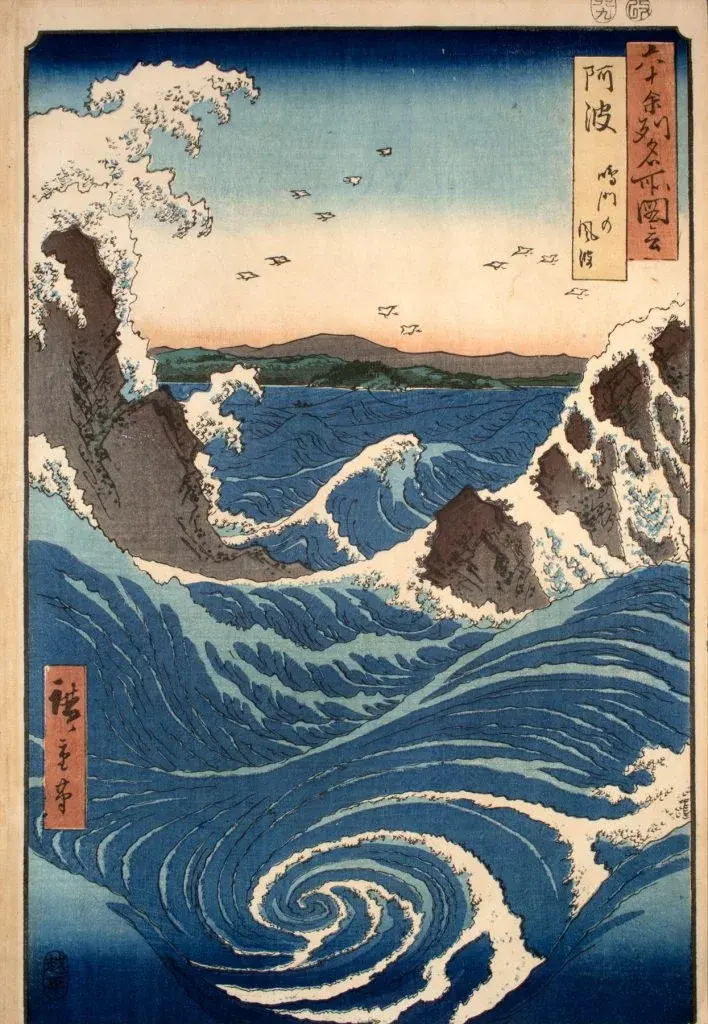
- Meisho-e: Famous landscapes and historical sites, such as Mount Fuji.
- Shunga: Erotic prints intended for private viewing.
- Musha-e: Illustrations of legendary warriors and historical battles.
These prints served as both art and media, acting as posters for theater performances or travel guides for tourists visiting famous scenic spots. By documenting the trends and fashions of the era, Ukiyo-e functioned as a visual diary of Edo society.
How do you identify authentic Ukiyo-e?
Distinguishing genuine antique prints from modern reproductions requires a keen eye for detail and material quality. Authentic prints were typically produced on washi, a traditional Japanese paper made from mulberry fibers, which has a distinct texture and durability. Modern reproductions often use mass-produced wood pulp paper that feels smoother and lacks the organic irregularities of handmade sheets.
When examining a print, look for these indicators:
- The presence of a publisher's seal, which identifies the business responsible for the print.
- The artist’s signature and seal, though these were sometimes carved into the block and are present on many high-quality facsimiles.
- Fading or slight color shifts, as natural vegetable dyes used in the 18th and 19th centuries react differently to light than modern synthetic inks.
- The "registration marks" or kento in the corners, which were used to align the paper during the printing process.
If a print appears perfectly crisp with no signs of oxidation or paper aging, it is likely a later reproduction or a modern print.
Why did Ukiyo-e influence Western art?
In the mid-19th century, Japan ended its isolationist policy, leading to a flood of Japanese goods into Europe. Ukiyo-e prints were often used as wrapping paper for porcelain, catching the eyes of artists like Vincent van Gogh, Claude Monet, and Edgar Degas. These painters were fascinated by the unique aesthetic choices that defied traditional European perspective.
The influence of Ukiyo-e on Impressionism and Post-Impressionism was profound:
- Asymmetrical compositions that cropped subjects at the edges of the frame.
- The use of flat, bold areas of color without traditional shading or modeling.
- A high horizon line and unconventional viewpoints that emphasized pattern over depth.
- The portrayal of everyday life, or "slices of life," which mirrored the Impressionist interest in contemporary reality.
This cross-cultural exchange, known as Japonisme, fundamentally altered the trajectory of Western art, pushing it toward abstraction and the simplification of form.
Common mistakes when collecting Ukiyo-e
Collecting Ukiyo-e can be a rewarding hobby, but beginners often fall into traps that compromise the value and longevity of their acquisitions. The most frequent error is improper storage, which exposes delicate paper to environmental hazards. Light, humidity, and acidity are the primary enemies of woodblock prints; direct sunlight will cause colors to bleach rapidly, while damp conditions encourage mold and foxing.
To preserve your collection, follow these guidelines:
- Avoid hanging prints in direct sunlight or near heat sources like radiators.
- Use acid-free, archival-quality mats and backing boards for framing.
- Never use adhesive tape directly on the print; use archival photo corners instead.
- Keep prints in a climate-controlled room with stable humidity levels, ideally between 40 and 50 percent.
- Handle prints with clean, dry hands or white cotton gloves to prevent oils from damaging the paper surface.
By adhering to these preservation standards, you ensure that these historical artifacts remain in excellent condition for future generations to study and enjoy.
Key facts
- Ukiyo-e translates to "pictures of the floating world," referring to the transient, pleasure-seeking lifestyle of Edo-period Japan.
- The art form flourished between the 17th and 19th centuries, primarily in the city of Edo, now known as Tokyo.
- Production was a collaborative process involving an artist, a woodblock carver, a paper maker, and a printer.
- Artists typically used cherry wood blocks, which were durable enough to withstand the pressure of printing thousands of impressions.
- Common subjects included kabuki actors, beautiful women, famous landscapes, and scenes from Japanese folklore.
- To identify authentic prints, look for the "kento" registration marks in the corners, which ensured colors aligned perfectly during printing.
The bottom line
Ukiyo-e represents a pivotal intersection of Japanese craftsmanship and urban culture, capturing the fleeting joys of the Edo period through vibrant woodblock prints. By democratizing art, it transformed from cheap mass-produced entertainment into a globally recognized aesthetic movement. Today, these works remain essential for understanding Japanese history and continue to influence modern graphic design, animation, and fine art through their distinctive, bold compositions and vivid palettes.
People also ask
How were ukiyo-e prints made?
An artist first drew the design on thin paper, which was then pasted onto a woodblock and carved away to create a relief. Each color required a separate carved block, and the printer carefully aligned the paper to apply each pigment layer sequentially.
Who were the most famous ukiyo-e artists?
Katsushika Hokusai, best known for "The Great Wave off Kanagawa," and Utagawa Hiroshige, famous for his "Fifty-three Stations of the Tōkaidō," are the most celebrated masters. Kitagawa Utamaro is also highly regarded for his elegant portraits of women.
Did ukiyo-e influence Western art?
Yes, when Japan opened its borders in the mid-19th century, ukiyo-e prints flooded Europe and sparked "Japonisme." Artists like Vincent van Gogh, Claude Monet, and Edgar Degas were deeply inspired by the bold colors and unconventional cropping of these prints.
Are all ukiyo-e prints considered rare antiques?
Not necessarily, as many prints were mass-produced for the general public and sold for the price of a bowl of noodles. However, early editions or prints in pristine condition with vibrant, unfaded colors are now highly valuable collector's items.
What are the main themes found in these prints?
The art captured the urban culture of the Edo period, focusing on entertainment districts, theater stars, and leisure activities. Later, landscape prints became popular as travel within Japan became more accessible to the common people.
How should one preserve an antique ukiyo-e print?
Prints are highly sensitive to light, which causes the organic vegetable dyes to fade rapidly. They should be stored in acid-free folders in a cool, dark environment and never displayed in direct sunlight or high humidity.
This answer was created with the help of AI research tools and reference sources. Spotted an error? Let us know — we correct mistakes quickly. See our editorial policy.