What is De Stijl?
Short answer
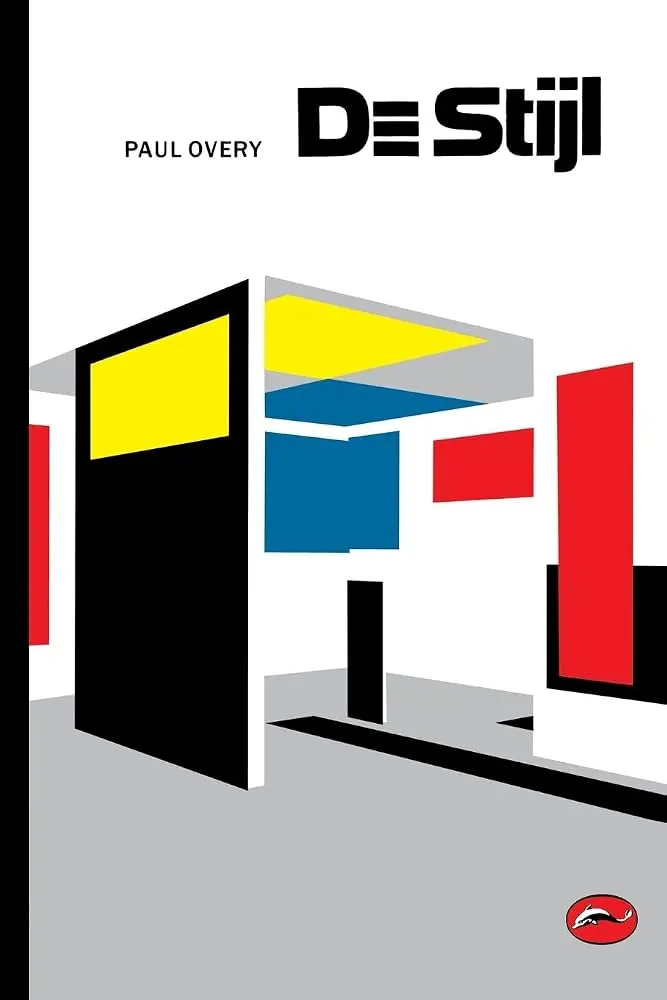
De Stijl, meaning "The Style" in Dutch, was an influential early 20th-century art movement founded in the Netherlands in 1917. It championed pure abstraction and universality by using only primary colors, non-colors, and a grid of horizontal and vertical lines to create a harmonious, balanced visual language in art and architecture.
On this page
What is De Stijl art?
De Stijl emerged as a response to the chaos of World War I, seeking a new aesthetic of order and clarity. Led by painter Piet Mondrian and architect Theo van Doesburg, the movement aimed to strip art down to its most essential elements. By removing representational imagery, the artists believed they could reach a universal truth that transcended individual perspectives and cultural boundaries.
The movement’s visual vocabulary was strictly limited to ensure total objectivity. Artists utilized a specific set of rules to govern their compositions:
- Use only primary colors: red, blue, and yellow.
- Employ non-colors: black, white, and gray.
- Limit lines to horizontal and vertical orientations.
- Avoid symmetry to achieve dynamic equilibrium.
- Use rectangular shapes exclusively.
These constraints were not meant to be limiting, but rather liberating. By removing the distraction of decorative elements, the movement sought to create a "neoplasticism" that represented the fundamental structure of the universe. This philosophy influenced everything from canvas paintings to furniture design and urban planning.
How did De Stijl influence modern design?
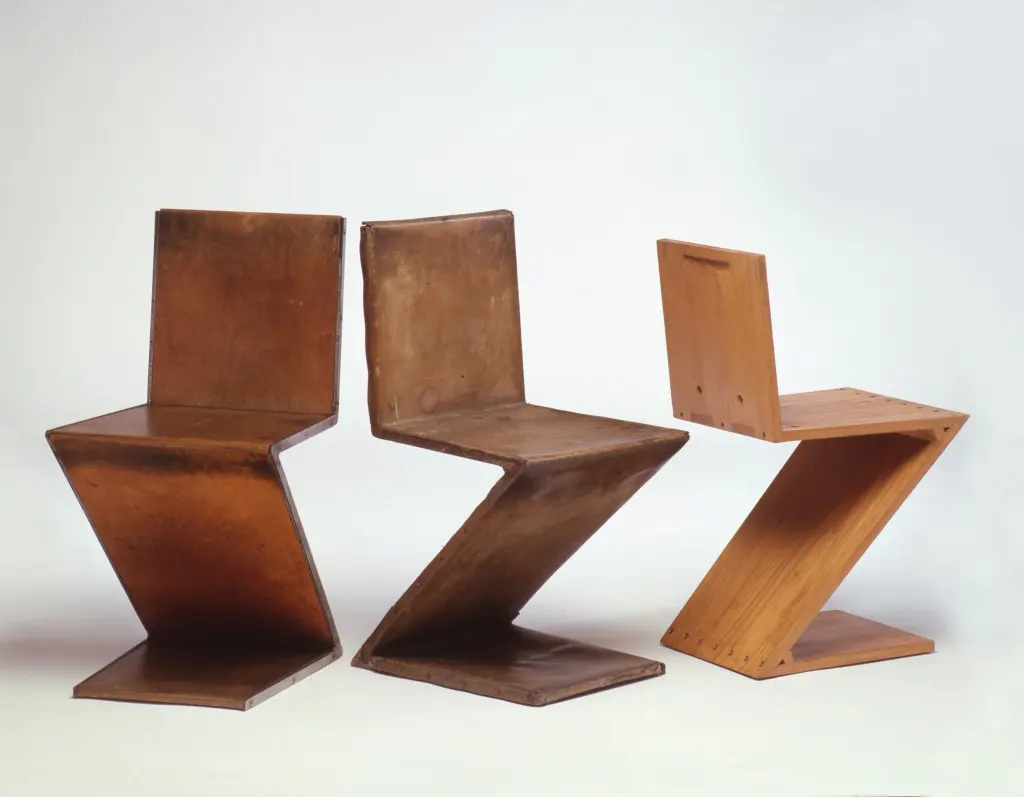
The influence of De Stijl extends far beyond the canvas, fundamentally shaping the trajectory of modern architecture and industrial design. The movement’s emphasis on functionalism and geometric precision provided a blueprint for the Bauhaus school and the International Style. Architects like Gerrit Rietveld applied these principles to three-dimensional space, most notably in the iconic Schröder House in Utrecht.
Rietveld’s work demonstrated how De Stijl could be translated into living environments. By using sliding walls and open floor plans, he created a flexible space that mirrored the movement’s interest in shifting planes and primary colors. This approach to architecture prioritized:
- Open, modular floor plans that maximized light and air.
- The integration of furniture as an extension of the building's architecture.
- A rejection of ornamentation in favor of structural honesty.
This legacy remains visible today in contemporary minimalist interiors and graphic design. The movement proved that beauty could be found in the rhythm of lines and the balance of color fields, rather than through complex decoration.
Who were the key figures of De Stijl?
The movement was driven by a small but highly collaborative group of Dutch artists and architects. While Piet Mondrian is the most famous figure associated with the movement, Theo van Doesburg served as its primary spokesperson and theorist. Van Doesburg founded the journal De Stijl in 1917, which acted as the central platform for disseminating their radical ideas across Europe.
Other significant contributors included:
- Gerrit Rietveld, a master of furniture design and architecture.
- Bart van der Leck, whose use of primary colors heavily influenced Mondrian.
- J.J.P. Oud, an architect who applied these principles to social housing projects.
- Vilmos Huszár, a painter and designer who helped define the movement’s graphic identity.
These individuals maintained a rigorous dialogue about the nature of art. They frequently debated the limits of their style, eventually leading to internal conflicts. For example, when Van Doesburg introduced diagonal lines in his later "Elementarism" works, Mondrian famously resigned from the group, as he believed diagonals violated the movement's core commitment to horizontal and vertical harmony.
How to identify De Stijl in art and architecture?
Recognizing a De Stijl work is straightforward if you know what to look for. The most common indicators are the stark, grid-based compositions that appear to extend beyond the frame. If a piece of furniture or a building appears to be composed of floating planes of color held together by thin black lines, it is likely inspired by this movement.
When analyzing a work, keep these visual cues in mind:
- Look for the absence of curves or diagonal lines.
- Check for the use of flat, unmodulated color fields.
- Observe how the white space acts as an active component of the composition rather than a background.
- Notice the lack of texture or brushwork, which the artists intentionally obscured to maintain a "mechanical" purity.
By focusing on these elements, you can easily distinguish De Stijl from other abstract movements like Expressionism or Surrealism, which rely heavily on emotion, distortion, and organic shapes. The movement is defined by its refusal to be subjective or messy.
Common mistakes when interpreting De Stijl
A frequent error is assuming that De Stijl was purely decorative or merely a color palette choice. Many people view it as a simple aesthetic trend, ignoring the deep spiritual and philosophical motivations behind the work. The artists were not just painting squares; they were attempting to create a visual language for a new, peaceful world order.
Avoid these common pitfalls when studying the movement:
- Mistaking "minimalism" for De Stijl: While they share visual similarities, modern minimalism often lacks the rigid, rule-based spiritual intent of the original movement.
- Ignoring the architecture: Viewing the movement only through paintings limits your understanding of its impact on how we live and build today.
- Assuming all grid art is De Stijl: Many artists use grids, but only those adhering to the specific primary color and orientation rules qualify as true Neoplasticist works.
By understanding that De Stijl was a rigorous, disciplined pursuit of balance, you can better appreciate its lasting contribution to the visual culture of the modern era. It remains a testament to the power of simplicity and the enduring quest for universal harmony in art.
Key facts
- De Stijl, meaning "The Style" in Dutch, was an artistic movement founded in the Netherlands in 1917.
- The movement strictly limited its visual vocabulary to primary colors (red, blue, yellow) and non-colors (black, white, gray).
- Designs relied exclusively on straight horizontal and vertical lines to create grid-based compositions.
- Piet Mondrian and Theo van Doesburg were the movement's most prominent founding members.
- To apply De Stijl principles, use a rigid grid system and avoid all diagonal lines, curves, or textures.
- A common mistake is using secondary colors like green or purple, which violates the movement's core aesthetic philosophy.
The bottom line
De Stijl represents a radical pursuit of universal harmony through extreme simplification. By restricting art to a grid of horizontal and vertical lines paired with primary colors, its founders sought to transcend individual emotion and reach a state of objective clarity. Today, the movement serves as a vital blueprint for modern design, teaching us that balance and order are often achieved by removing the unnecessary.
People also ask
Did De Stijl influence modern architecture?
Yes, the movement heavily influenced modern architecture, most notably through the Rietveld Schröder House in Utrecht. This building features sliding walls and open floor plans that mirror the movement's emphasis on geometric purity.
How did De Stijl influence graphic design?
Its rigid grid systems and focus on negative space became a foundational influence for the Swiss Style of typography. Designers today often use these principles to create balanced, clean, and highly readable layouts.
Was De Stijl limited to painting?
No, the movement aimed to create a "total art" that integrated painting, furniture design, architecture, and typography. Its proponents believed that these aesthetic principles could harmonize all aspects of human life.
Why did the movement use only primary colors?
The founders believed that primary colors represented the most basic, universal elements of visual reality. By stripping away complexity, they sought to achieve a sense of spiritual harmony and objective order.
Is De Stijl the same as Minimalism?
While both value simplicity, De Stijl is a specific historical movement with strict rules regarding color and geometry. Minimalism is a broader, later aesthetic movement that allows for more variety in materials and forms.
Can I use De Stijl in interior design today?
You can incorporate the style by using white walls, black-framed furniture, and singular accents of primary-colored decor. Avoid clutter and ensure that all furniture placement aligns with a strict rectangular grid.
This answer was created with the help of AI research tools and reference sources. Spotted an error? Let us know — we correct mistakes quickly. See our editorial policy.