What is Vincent van Gogh known for?
Short answer
Vincent van Gogh is celebrated as a pivotal figure in Post-Impressionist art, renowned for his emotionally charged canvases, bold color palettes, and expressive, swirling brushwork. Though he struggled with mental illness and poverty during his lifetime, his prolific output of over 2,000 artworks profoundly influenced the trajectory of modern Western painting.
On this page
Why is Vincent van Gogh famous?
Vincent van Gogh is primarily recognized for his revolutionary approach to color and texture, which moved beyond the realistic observations of his contemporaries. By utilizing vibrant, non-naturalistic hues and thick, rhythmic paint application—a technique known as impasto—he captured his internal emotional state rather than just external reality. His work serves as a bridge between Impressionism and the later Expressionist movement, fundamentally changing how artists perceive subjectivity.
His fame is also inextricably linked to his tumultuous life story, which has become a central part of art history lore. During his brief ten-year career, he produced approximately 860 oil paintings, most of which were created in the final two years of his life. His dedication to his craft, despite profound personal isolation and mental health struggles, has solidified his status as the archetypal "tortured genius." Today, his works are among the most recognizable and valuable pieces in the global art market.
What are his most famous paintings?
Van Gogh’s body of work includes several iconic images that have achieved near-universal recognition. These paintings demonstrate his evolution from the dark, earthy tones of his early Dutch period to the brilliant, sun-drenched palettes of his time in southern France.
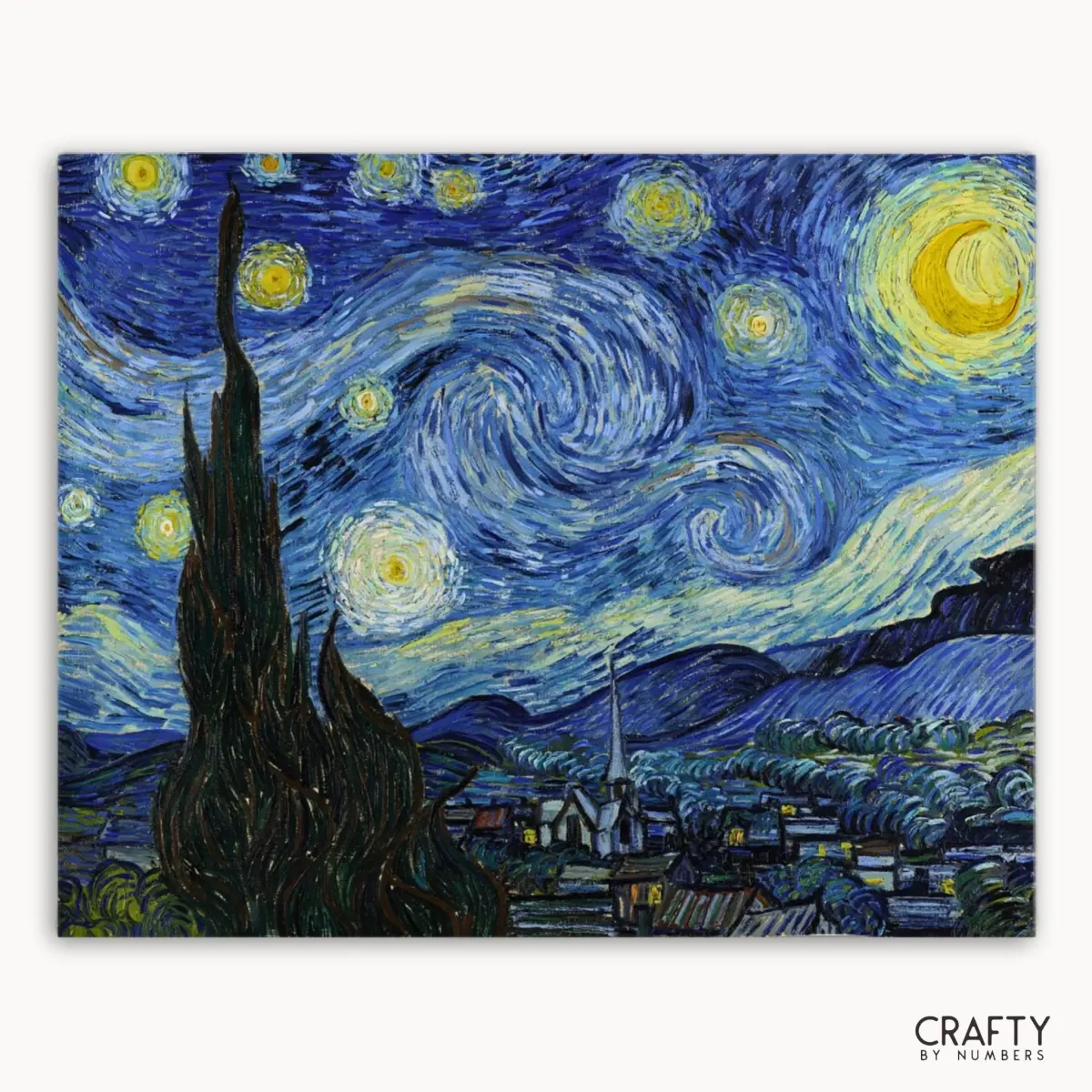
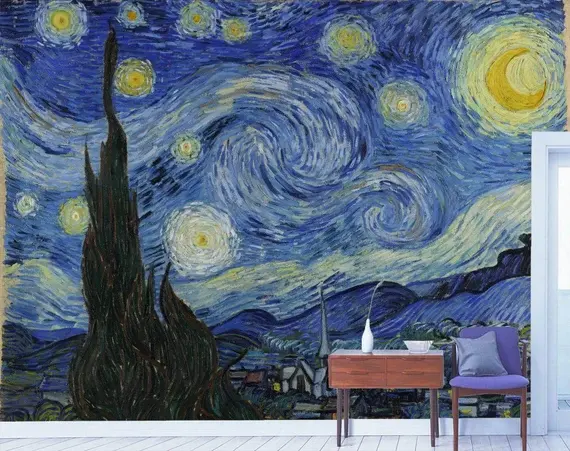
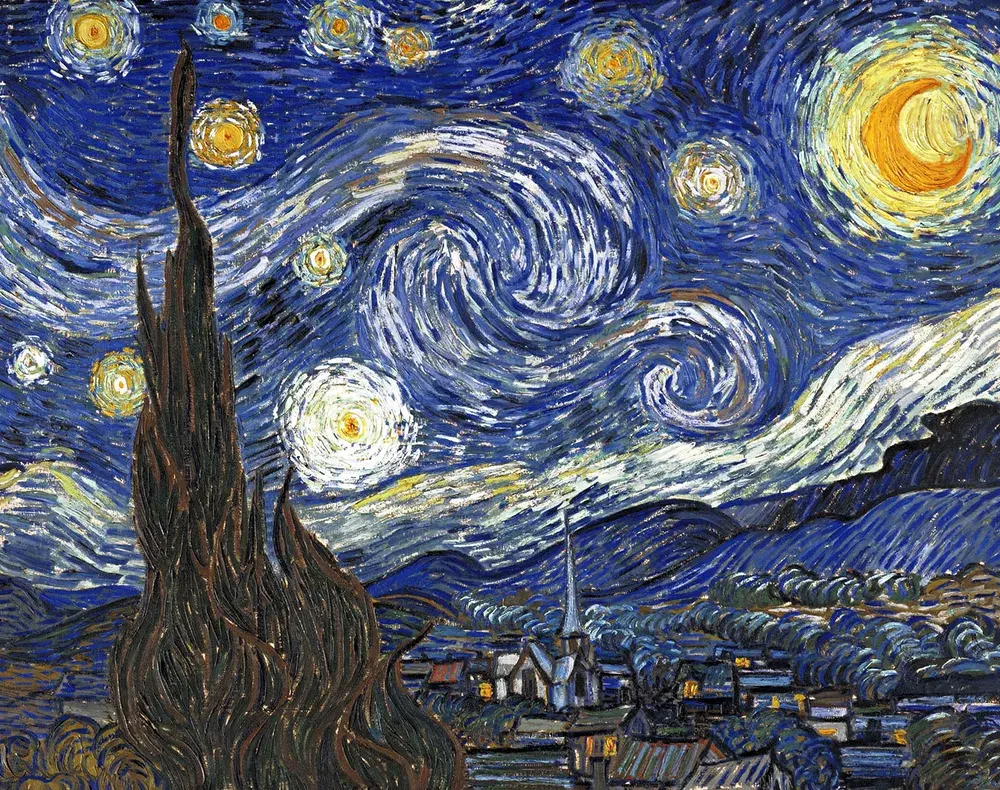
- The Starry Night (1889): Painted from his asylum room in Saint-Rémy, this work features swirling skies and a towering cypress tree.
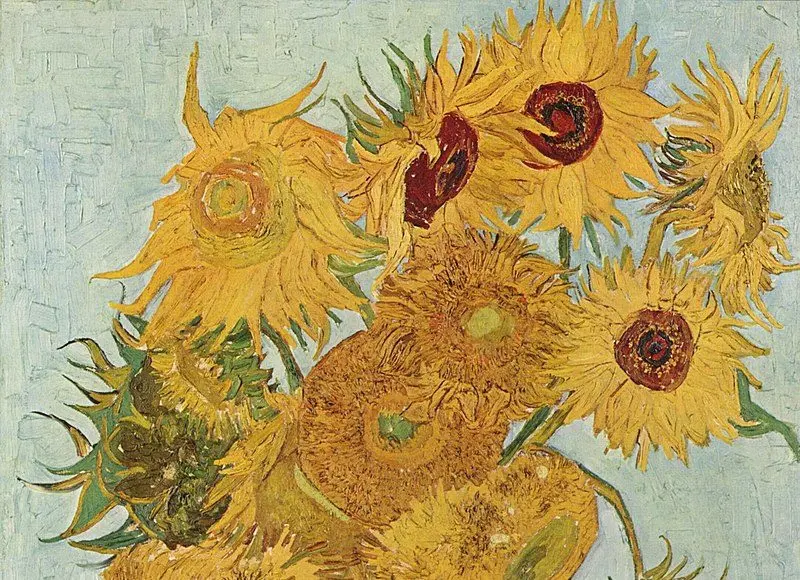
- Sunflowers (1888): A series of still lifes showcasing his mastery of yellow pigments and texture.
- The Potato Eaters (1885): A somber, realistic depiction of peasant life from his early career.
- Self-Portrait with Bandaged Ear (1889): A poignant reflection of his personal crisis following a mental breakdown.
- Cafe Terrace at Night (1888): A vibrant scene demonstrating his innovative use of contrasting warm and cool colors.
These works are housed in prestigious institutions like the Van Gogh Museum in Amsterdam and the Musée d’Orsay in Paris. They remain the primary benchmarks for understanding his stylistic development and artistic intent.
How to appreciate Van Gogh’s art style
Appreciating Van Gogh’s work requires looking past the subject matter to examine how the paint itself is applied to the canvas. His brushstrokes are not merely functional; they act as a record of his physical movement and emotional intensity. When viewing his paintings, consider the following steps to better understand his technique:
- Stand at a distance to observe the overall composition and the balance of color.
- Move closer to inspect the thickness of the paint, noting how he layered colors to create physical depth.
- Observe the direction of his brushstrokes, which often follow the contours of the objects he painted, creating a sense of motion.
- Identify the use of complementary colors, such as orange against blue, which he used to make his subjects vibrate with energy.
By focusing on these technical elements, you can see how he transformed mundane scenes into powerful, dynamic experiences. This analytical approach helps reveal the intentionality behind his seemingly spontaneous style.
Common mistakes when studying Van Gogh
Many people approach Van Gogh’s work with misconceptions that can obscure his actual artistic achievements. One common error is focusing exclusively on his mental health as the sole driver of his creativity. While his struggles were real, his art was the result of rigorous study, technical experimentation, and a deep knowledge of art history. He was a highly intellectual artist who studied color theory and Japanese woodblock prints extensively.
Another mistake is assuming his work was always intended to be abstract or expressionistic. In reality, he spent years mastering drawing and traditional composition before adopting his signature style. Ignoring his early, dark-hued works leads to an incomplete understanding of his growth. To avoid these pitfalls, ensure you:
- Research his correspondence with his brother, Theo, which provides context for his artistic goals.
- Avoid romanticizing his mental health issues as the primary source of his talent.
- Examine his influences, including Dutch masters like Rembrandt and the Impressionist painters he met in Paris.
Where to see his work today
If you are planning to view Van Gogh’s paintings in person, preparation is essential due to the high volume of visitors at major museums. The largest collection of his work is held at the Van Gogh Museum in Amsterdam, which offers a comprehensive chronological journey through his life. Other significant collections are found at the Kröller-Müller Museum in the Netherlands and the Musée d’Orsay in France.
When visiting, check the museum website in advance to see if specific masterpieces are currently on loan or undergoing restoration. Many museums also offer audio guides that explain the history of specific paintings, which can provide necessary context for a more enriching experience. Remember that these works are sensitive to light and temperature, so they are often displayed in controlled environments. By planning your visit during off-peak hours or weekdays, you can enjoy a more intimate view of these masterpieces without the distraction of large crowds, allowing you to fully appreciate the intricate details of his brushwork.
Key facts
- Vincent van Gogh produced approximately 2,100 artworks, including 860 oil paintings, during his decade-long career.
- He is most famous for his innovative use of impasto, a technique where paint is applied thickly to create texture.
- His masterpiece, The Starry Night, was painted in 1889 from the window of an asylum in Saint-Rémy-de-Provence.
- Van Gogh sold only one painting during his lifetime, The Red Vineyard, though he became a posthumous icon of Post-Impressionism.
- When studying his work, look for his signature "swirling" brushstrokes, which represent his unique emotional response to landscapes.
- Avoid the common mistake of assuming he cut off his entire ear; historical evidence suggests he removed only a portion of his left earlobe.
The bottom line
Vincent van Gogh remains one of history’s most influential artists, celebrated for his intense emotional expression and revolutionary brushwork. Despite his tragic life and lack of commercial success, his prolific output defined the Post-Impressionist movement. By prioritizing subjective experience over realistic representation, he transformed modern art. Today, his legacy serves as a testament to the enduring power of creative vision and the profound impact of artistic perseverance.
People also ask
Why did Van Gogh paint sunflowers so often?
Van Gogh painted sunflowers in 1888 to decorate his studio in Arles for the arrival of his friend, Paul Gauguin. He used the flowers to experiment with various shades of yellow, demonstrating his mastery of color theory.
Did Van Gogh suffer from a specific mental illness?
While historians have debated his diagnosis for decades, experts often suggest he suffered from conditions such as bipolar disorder, temporal lobe epilepsy, or borderline personality disorder. His struggles were heavily exacerbated by malnutrition, overwork, and excessive consumption of absinthe.
What was Van Gogh’s relationship with his brother Theo?
Theo van Gogh was an art dealer who provided Vincent with both financial support and emotional stability throughout his life. Their relationship is documented in over 650 letters that provide deep insight into Vincent’s creative process and personal hardships.
How did Van Gogh die?
Van Gogh died in 1890 at the age of 37 from a self-inflicted gunshot wound to the chest. He passed away two days later in the presence of his brother, Theo, in Auvers-sur-Oise, France.
What is the significance of the "Post-Impressionist" movement?
Post-Impressionism emerged in the late 19th century as a reaction against the naturalistic depiction of light in Impressionism. Artists like Van Gogh prioritized symbolic content, formal order, and expressive, non-naturalistic color to convey deeper emotional truths.
Where can I see Van Gogh's paintings today?
The largest collections of his work are housed at the Van Gogh Museum in Amsterdam and the Kröller-Müller Museum in Otterlo. Many other major institutions, such as the Museum of Modern Art in New York, hold significant individual pieces.
This answer was created with the help of AI research tools and reference sources. Spotted an error? Let us know — we correct mistakes quickly. See our editorial policy.