What is Neoclassicism in art?
Short answer
Neoclassicism was an influential movement in Western art and architecture that emerged in the mid-18th century. It sought to revive the ideals of classical antiquity, emphasizing logic, restraint, and moral seriousness. By rejecting the ornate excesses of the Rococo style, Neoclassical artists promoted clarity of line, anatomical precision, and stoic themes.
On this page
What defines Neoclassical art?
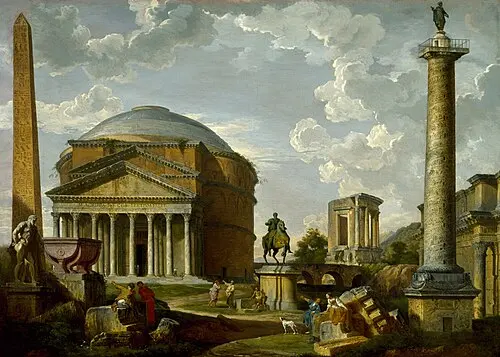
Neoclassicism emerged around 1750 as a reaction against the decorative, asymmetrical, and often frivolous nature of the Rococo style. Inspired by the archaeological discoveries at Pompeii and Herculaneum, artists and thinkers turned their attention to the aesthetic principles of ancient Greece and Rome. This movement was not merely a stylistic choice but a philosophical shift toward the Enlightenment values of reason, order, and civic duty.
The visual language of the movement is characterized by several distinct features that prioritize structure over emotion. Artists favored clean lines, balanced compositions, and a muted color palette that allowed the subject matter to remain the primary focus. Themes were frequently drawn from classical mythology or historical events that depicted heroic sacrifice and virtuous behavior. This focus on "noble simplicity" was intended to educate the viewer and inspire a sense of moral integrity, aligning art with the broader social and political goals of the era.
How to identify Neoclassical paintings
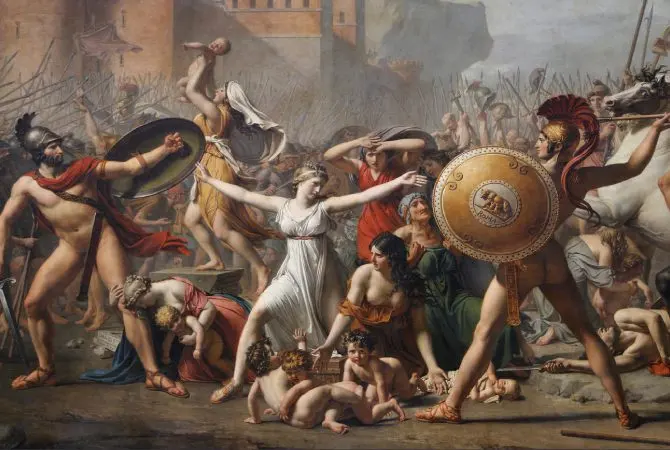
Identifying a Neoclassical painting requires looking for specific technical choices that separate it from the eras that preceded and followed it. The brushwork is typically smooth and invisible, creating a polished surface that emphasizes the clarity of the figures. Unlike the dramatic, swirling energy of the Baroque period, Neoclassical paintings often feel like staged theatrical scenes where every element serves a precise narrative purpose.
To accurately identify these works, consider the following visual markers:
- A clear, rational composition often arranged in a horizontal or frieze-like manner.
- The use of strong, sculptural lighting that highlights the physical form of the figures.
- A focus on historical or mythological narratives that emphasize heroism, duty, or self-sacrifice.
- Figures depicted with idealized proportions based on classical statues rather than realistic, everyday flaws.
- A sense of stillness or "pregnant moment" that captures the climax of an action without chaotic movement.
Who are the most famous Neoclassical artists?
The movement was spearheaded by influential figures who defined the aesthetic standards of the 18th and early 19th centuries. Jacques-Louis David is widely considered the quintessential Neoclassical painter; his work, such as The Oath of the Horatii (1784), perfectly encapsulates the movement’s dedication to patriotism and stoicism. His influence was so profound that he became the dominant artistic voice during the French Revolution, using his brush to promote the ideals of the new republic.
Other significant figures expanded the reach of the style across Europe and into the United States. Jean-Auguste-Dominique Ingres, a student of David, maintained the emphasis on line and form well into the 19th century, even as Romanticism began to emerge. In the realm of sculpture, Antonio Canova became famous for his ability to carve marble into soft, lifelike forms that echoed the grace of ancient Greek masterpieces. These artists ensured that the Neoclassical aesthetic remained the gold standard for institutional and state-sponsored art for decades.
Why did Neoclassicism become so popular?
The rise of Neoclassicism was deeply linked to the political and social upheavals of the 18th century. As monarchies faced scrutiny, the public and the emerging middle class sought art that reflected stability and timeless truths rather than the fleeting pleasures of the aristocracy. The movement provided a visual vocabulary for democracy and republicanism, as the democratic ideals of Athens and the republican virtues of Rome were seen as the perfect models for modern governance.
The popularity of the style was further solidified by the Grand Tour, a rite of passage for wealthy young Europeans. During these travels, they encountered the ruins of antiquity firsthand, fueling a demand for art and architecture that mimicked these ancient sites. This cultural obsession led to the integration of Neoclassical elements into daily life, including:
- The adoption of Doric, Ionic, and Corinthian columns in government buildings and banks.
- Furniture designs that featured straight legs, geometric shapes, and motifs like laurel wreaths.
- Interior design trends that favored symmetry and the use of marble or plaster reliefs.
- Fashion shifts that saw women wearing high-waisted, flowing dresses reminiscent of Greek tunics.
Common mistakes when analyzing Neoclassical art
One common error is confusing Neoclassicism with the later Academic style or the earlier Renaissance. While both the Renaissance and Neoclassicism looked back to antiquity, the Renaissance was a revival of humanism and individual expression, whereas Neoclassicism was a more rigid, intellectual, and moralizing movement. Another frequent mistake is assuming that all Neoclassical art is cold or unfeeling. While the style avoids the emotional outbursts of Romanticism, it often contains deep, underlying political passion and intense psychological tension.
To avoid misinterpreting these works, keep these tips in mind:
- Do not ignore the political context; most Neoclassical works were commissioned to serve a specific ideological agenda.
- Avoid judging the art solely by modern standards of realism; the focus was on the "ideal" rather than the "actual."
- Remember that the movement spanned decades, meaning styles evolved from the early, strict interpretations to more decorative, late-stage versions.
- Look for the influence of the Enlightenment; if the painting feels like a moral lesson, you are likely looking at a core Neoclassical piece.
Key facts
- Neoclassicism emerged in the mid-18th century as a reaction against the ornate, frivolous Rococo style.
- It draws direct inspiration from the art, architecture, and philosophy of ancient Greece and Rome.
- Key visual characteristics include clean lines, minimal color palettes, and a focus on moral or heroic themes.
- Jacques-Louis David is considered the movement's most influential painter, famous for works like The Oath of the Horatii.
- To identify Neoclassical art, look for balanced, symmetrical compositions and figures that resemble classical marble statues.
- Avoid confusing Neoclassicism with Romanticism; while Neoclassicism prioritizes logic and order, Romanticism emphasizes raw emotion and individualism.
The bottom line
Neoclassicism serves as a testament to the enduring power of classical antiquity in shaping Western aesthetics. By prioritizing order, symmetry, and moral clarity, the movement rejected the decadence of its predecessors to embrace a more disciplined, intellectual approach. Whether through monumental architecture or stoic paintings, Neoclassicism remains a foundational style that continues to define our modern perception of dignity, civic duty, and timeless beauty.
People also ask
Why did Neoclassicism become popular in the 1700s?
The movement gained momentum following the rediscovery of the ancient Roman cities of Pompeii and Herculaneum. These archaeological findings sparked a fascination with classical antiquity, which intellectuals viewed as a model of virtue and democratic order.
How can I recognize Neoclassical architecture?
Look for massive columns, triangular pediments, and domed roofs that mimic ancient temples. Buildings like the United States Capitol and the Panthéon in Paris are prime examples of this style's enduring influence.
Did Neoclassicism influence the French Revolution?
Yes, Neoclassical art was used to promote revolutionary ideals of sacrifice, patriotism, and duty. Artists like Jacques-Louis David painted scenes that encouraged citizens to prioritize the state over personal interests.
What are the main differences between Rococo and Neoclassicism?
Rococo art is known for pastel colors, asymmetrical curves, and themes of leisure and romance. In contrast, Neoclassicism uses rigid structure, somber tones, and serious, often political or historical subject matter.
Is Neoclassicism still used in modern design?
Elements of the style remain common in government buildings, banks, and museums to convey stability and authority. You can spot these influences in the use of marble, tall columns, and balanced, symmetrical floor plans.
What is the biggest mistake when studying Neoclassicism?
The most common error is assuming all art from the 18th century is Neoclassical. It is important to distinguish between the transitional periods and the specific shift toward classical restraint that defined the movement's peak.
This answer was created with the help of AI research tools and reference sources. Spotted an error? Let us know — we correct mistakes quickly. See our editorial policy.