What is Social Realism?
Short answer
Social Realism is an artistic movement that depicts the everyday struggles of the working class and the poor to critique social and political structures. Emerging in the early 20th century, it uses realistic imagery to highlight inequality, labor conditions, and systemic injustice, aiming to inspire social change through visual storytelling and empathy.
On this page
What is the history of Social Realism?
Social Realism emerged as a distinct movement during the early 20th century, gaining significant momentum during the Great Depression of the 1930s. Artists sought to move away from the abstract or purely aesthetic concerns of modernism, focusing instead on the harsh realities faced by ordinary people. In the United States, the movement was heavily supported by the Works Progress Administration (WPA), which commissioned artists to document the American experience.
This period saw a shift toward art as a tool for political advocacy. By portraying breadlines, labor strikes, and the plight of displaced farmers, artists sought to hold a mirror to society’s failures. The movement was not confined to painting; it influenced photography, literature, and film, creating a cohesive visual language that prioritized human dignity over decorative appeal.
- The Ashcan School in the early 1900s paved the way by painting gritty urban scenes.
- The 1930s WPA Federal Art Project institutionalized the movement through government funding.
- Post-World War II, the movement evolved into more localized expressions of political dissent globally.
Who are the most famous Social Realist artists?
The movement featured several iconic figures who utilized their craft to expose systemic inequality. Ben Shahn is perhaps the most recognizable name, known for his stark, graphic style that emphasized the isolation and suffering of the working class. His work often focused on labor disputes and the human cost of industrialization, using bold lines and muted colors to convey a sense of urgency.
Another pivotal figure was Dorothea Lange, whose photography redefined the movement. Her image "Migrant Mother" remains the quintessential example of Social Realism, capturing the exhaustion and resilience of a woman during the Dust Bowl. Other influential artists included:
- Reginald Marsh, who documented the chaotic energy of New York City subways and crowds.
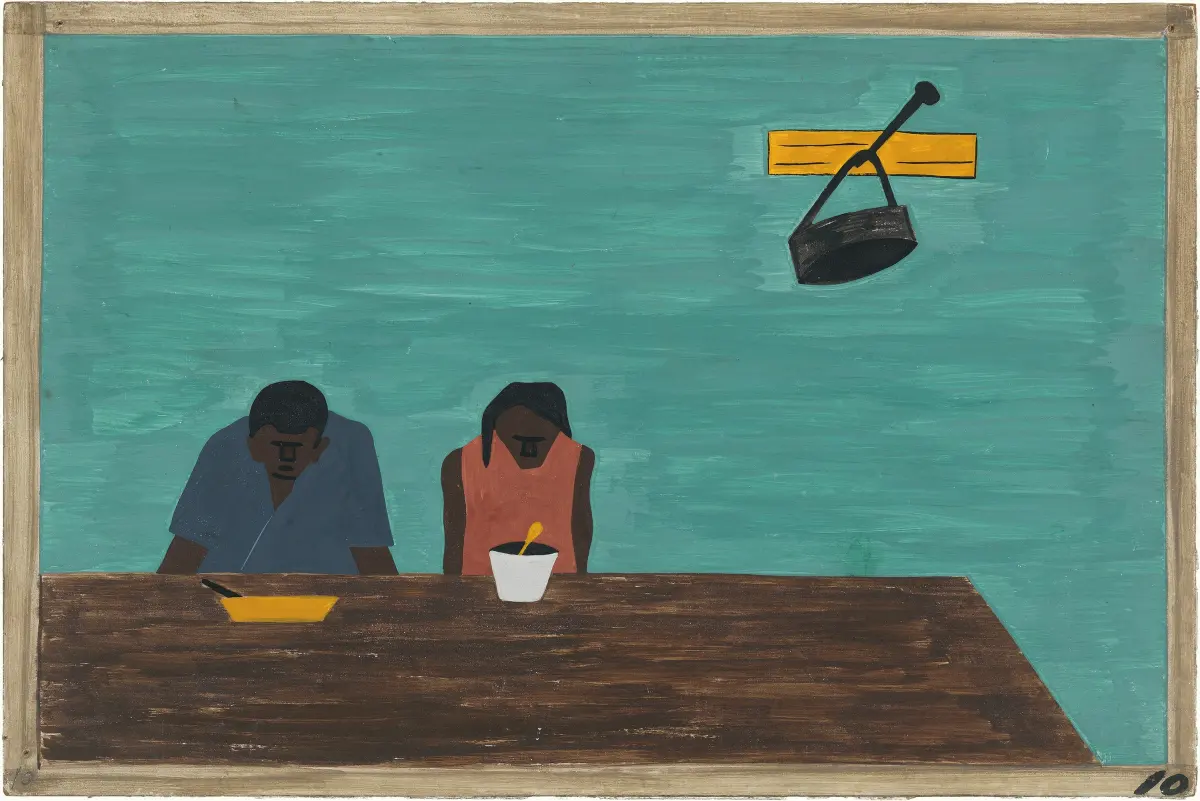
- Jacob Lawrence, who used vibrant, rhythmic panels to depict the struggles of the Great Migration.
- Käthe Kollwitz, whose prints focused on the devastating effects of war and poverty in Germany.
How to identify Social Realist art?
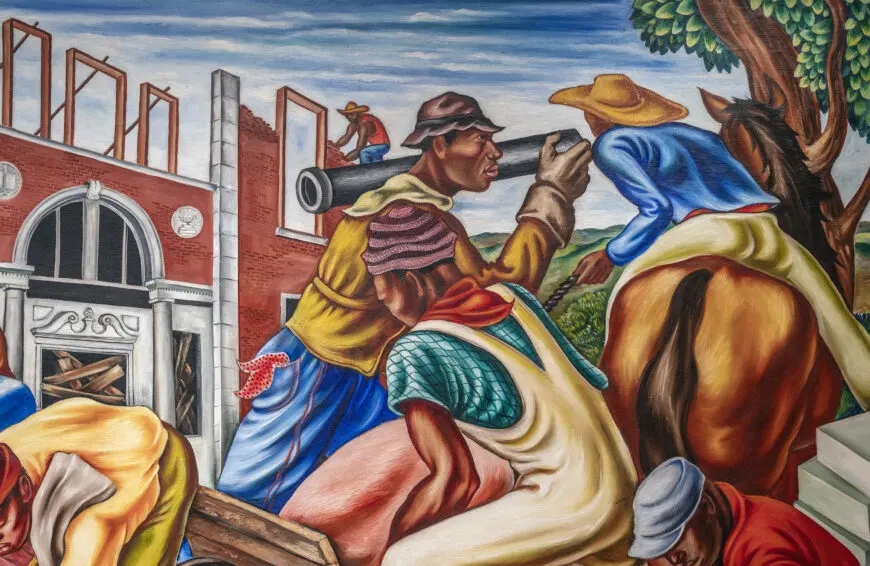
Identifying Social Realism requires looking beyond the subject matter to the artist's underlying intent. These works typically feature people in labor environments, such as factories, mines, or rural fields, rather than idealized portraits of the wealthy. The lighting is often dramatic but naturalistic, and the compositions frequently emphasize the physical toll of manual labor on the human body.
When analyzing a piece, look for these specific visual indicators:
- A focus on the "common man" or marginalized groups in society.
- Settings that reflect urban decay, industrial environments, or rural hardship.
- A lack of romanticization; the art does not attempt to make the subject look beautiful or heroic in a traditional sense.
- A narrative quality that suggests a specific political or social complaint, such as low wages or unsafe working conditions.

Why is Social Realism still relevant today?
Social Realism remains a vital framework for contemporary artists who use their work to address modern crises. While the specific issues have shifted from the breadlines of the 1930s to contemporary challenges like housing instability, climate change, and gig-economy exploitation, the core objective remains identical. Art is used as a vehicle to make the invisible visible, forcing viewers to confront realities they might otherwise ignore in their daily lives.
The movement’s legacy is evident in modern documentary photography and investigative journalism. By prioritizing truth over comfort, Social Realism encourages a critical engagement with power structures. It serves as a reminder that art has the capacity to function as a public record, documenting histories that official narratives might choose to omit or obscure. This enduring commitment to truth-telling ensures that the movement continues to influence how we perceive social justice.
Common mistakes when analyzing Social Realism
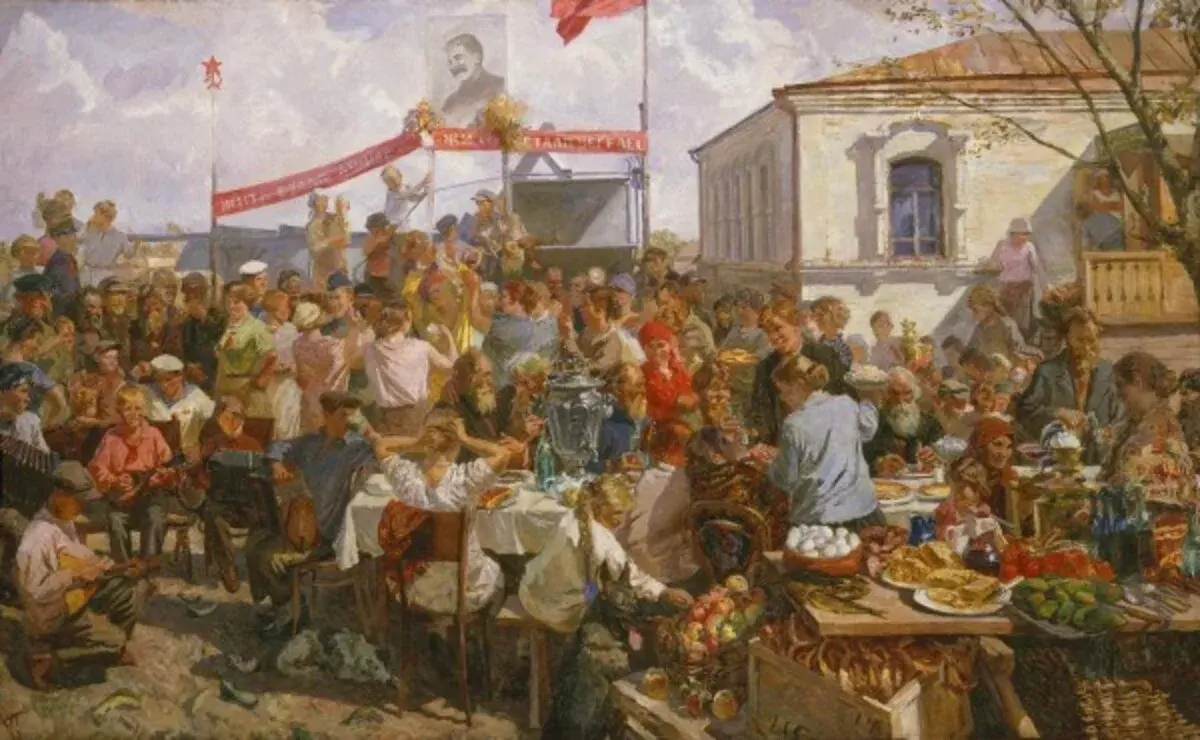
A frequent error is confusing Social Realism with Socialist Realism. While they share similar goals of depicting the working class, Socialist Realism was an officially sanctioned style in the Soviet Union that required art to be optimistic and supportive of the state. In contrast, Social Realism is typically independent, critical, and often antagonistic toward established power structures, focusing on the genuine hardships of the individual.
Another mistake is assuming that all realistic art is Social Realist. Realism is a broad technique, whereas Social Realism is a specific ideological stance. To avoid misinterpretation, follow these steps:
- Examine the artist's biography and political context to understand their motivation.
- Distinguish between art that depicts poverty for aesthetic shock and art that critiques the systems causing that poverty.
- Assess whether the work invites the viewer to sympathize with the subject or merely observe them as a curiosity.
- Check if the work was created during a period of social unrest, which often acts as a primary catalyst for the movement's development.
Key facts
- Social Realism emerged in the 1920s and 1930s as a response to the economic hardships of the Great Depression.
- Artists used their work to critique social structures, highlight poverty, and advocate for the working class.
- Key practitioners include painters like Ben Shahn and photographers such as Dorothea Lange.
- The movement emphasizes representational, figurative art rather than abstract or non-objective styles.
- To practice Social Realism, focus on documenting the daily struggles of marginalized communities with raw, unvarnished honesty.
- Avoid romanticizing suffering; the goal is to provoke social awareness rather than create decorative or idealized images.
The bottom line
Social Realism serves as a powerful bridge between artistic expression and political advocacy. By documenting the realities of the working class and the systemic failures of society, it transforms art into a tool for empathy and reform. Whether through a lens or a brush, the movement demands that viewers confront uncomfortable truths, ultimately proving that art can be a catalyst for meaningful, real-world change.
People also ask
How does Social Realism differ from Socialist Realism?
Social Realism is an international artistic movement focused on critiquing social conditions in democratic societies. Socialist Realism was the official, state-mandated art style of the Soviet Union designed to glorify the communist regime and its leaders.
Is Social Realism still relevant in contemporary art?
Yes, many modern artists continue to use documentary-style photography and figurative painting to address issues like income inequality and human rights. While the aesthetic has evolved, the core mission of using art as a vehicle for social change remains a vital practice.
Can Social Realism be abstract?
Generally, no, because the movement relies on clear, recognizable imagery to communicate its message to a broad audience. Abstract forms can be ambiguous, whereas Social Realism aims for direct, undeniable visual evidence of social injustice.
Did the movement only exist in the United States?
While it gained significant momentum in the U.S. during the 1930s, it was a global phenomenon. Similar movements flourished in Mexico through the muralists, as well as in various parts of Europe and Asia during the early 20th century.
What is the biggest mistake a beginner makes when creating Social Realist art?
The most common error is focusing on the aesthetic quality of the image at the expense of the narrative. Social Realism prioritizes the truth of the situation, so if the work feels too polished or staged, it loses its power to advocate for reform.
What mediums are most common in this style?
Photography, oil painting, and printmaking are the most prevalent mediums used by Social Realists. These allowed artists to mass-produce their work or capture candid moments, making their messages accessible to the general public.
This answer was created with the help of AI research tools and reference sources. Spotted an error? Let us know — we correct mistakes quickly. See our editorial policy.