What is cursive handwriting?
Short answer
Cursive handwriting is a style of penmanship where characters are joined in a flowing, continuous manner to facilitate faster writing. By connecting letters within a word, the writer minimizes the need to lift the pen from the paper, theoretically increasing speed and maintaining a rhythmic, aesthetic consistency throughout the text.
On this page
What is the history of cursive writing?
Cursive writing evolved from the necessity of efficiency in bureaucratic and academic settings. Before the invention of the typewriter, long-form documents were exclusively handwritten, and lifting a quill or fountain pen between every letter was physically taxing and time-consuming. The term originates from the Latin word "currere," meaning "to run," reflecting the fluid, rapid nature of the script.
Throughout the 18th and 19th centuries, various standardized styles emerged to ensure legibility in formal correspondence. The most famous of these in the United States was the Spencerian script, developed by Platt Rogers Spencer in the 1840s. It was characterized by elegant, sweeping ovals and was the standard for business communication for decades. Later, the Palmer Method replaced it in schools, focusing on muscular movement and simplified forms to make it easier for children to learn.
How to learn cursive handwriting?
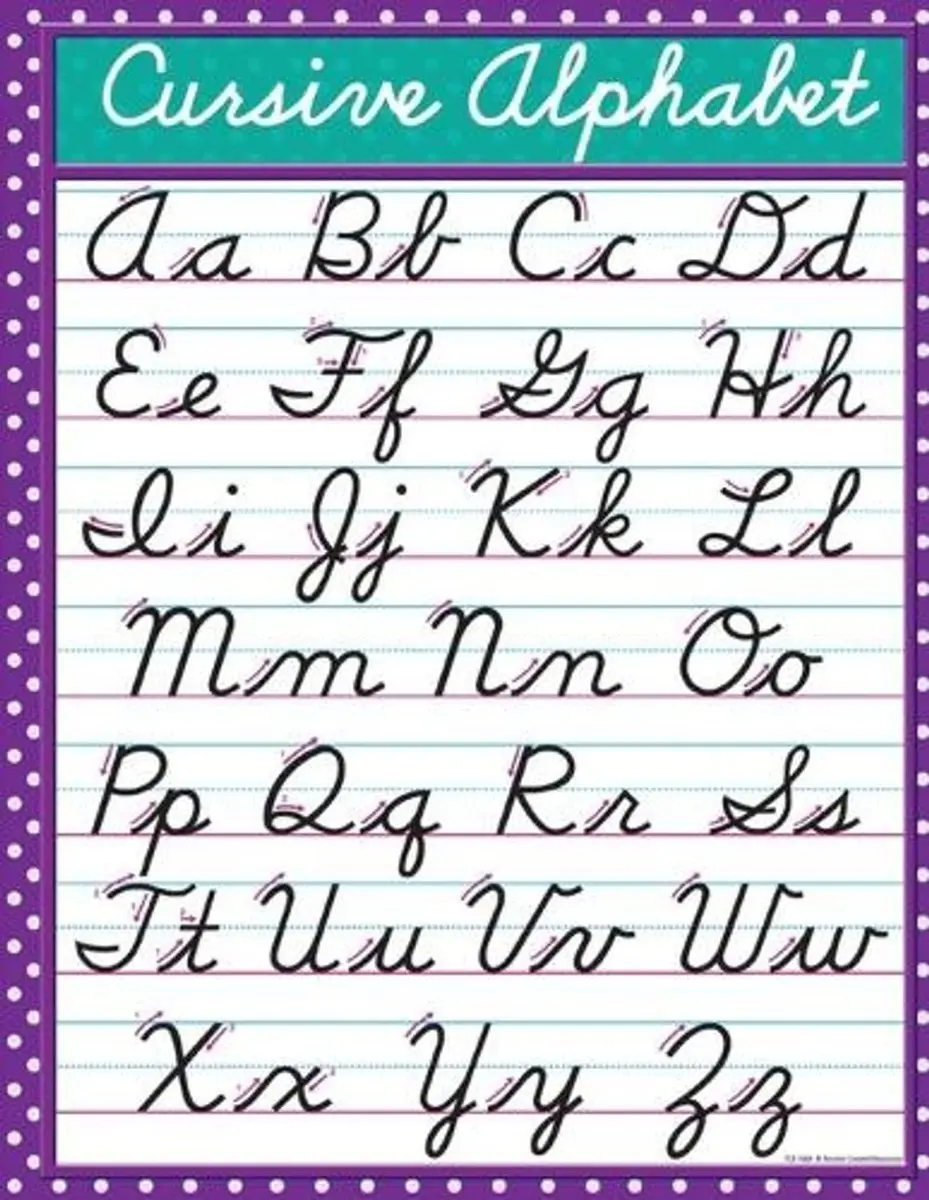
Learning cursive requires a focus on muscle memory and consistent letter formation. Unlike printing, where each letter is an isolated unit, cursive relies on the "connector" stroke that links the end of one letter to the beginning of the next. Beginners should start by mastering the basic shapes—loops, humps, and swings—before attempting full words or sentences.
To begin your practice, follow these steps to build a solid foundation:
- Acquire a high-quality pen or pencil that allows for smooth movement without excessive pressure.
- Use lined paper with a midline, which helps maintain consistent height for lowercase letters.
- Practice "warm-up" drills by drawing continuous loops and waves across the page to loosen your wrist.
- Focus on the "exit stroke," which is the small tail at the end of each letter that leads into the next character.
- Write slowly, prioritizing the shape of the letters over the speed of your hand.
Why is cursive still relevant today?
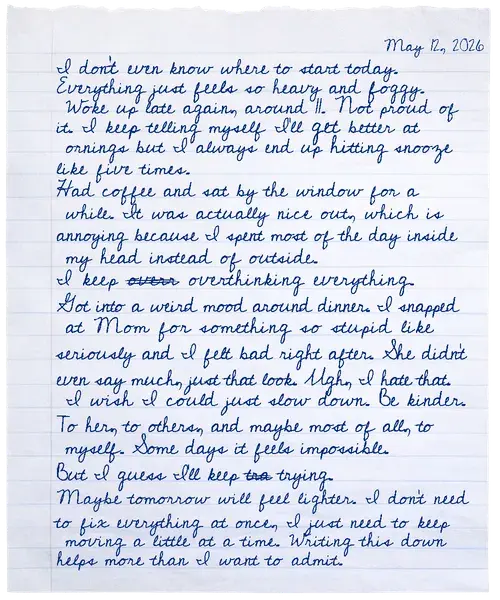
While digital typing has largely replaced handwriting for professional documentation, cursive remains a vital cognitive and practical skill. Studies suggest that the physical act of writing in cursive engages different areas of the brain compared to typing, potentially improving memory retention and information synthesis. Because it requires more complex motor skills than printing, it also serves as an excellent exercise for fine motor development in children and neurological maintenance in adults.
Beyond the cognitive benefits, cursive provides a unique form of personal expression. Many legal documents, such as contracts and wills, still require a handwritten signature, which is historically rooted in the unique flow of cursive script. Furthermore, the ability to read cursive is necessary for historical research, as millions of primary source documents, letters, and records from the pre-digital era are written exclusively in various cursive styles.
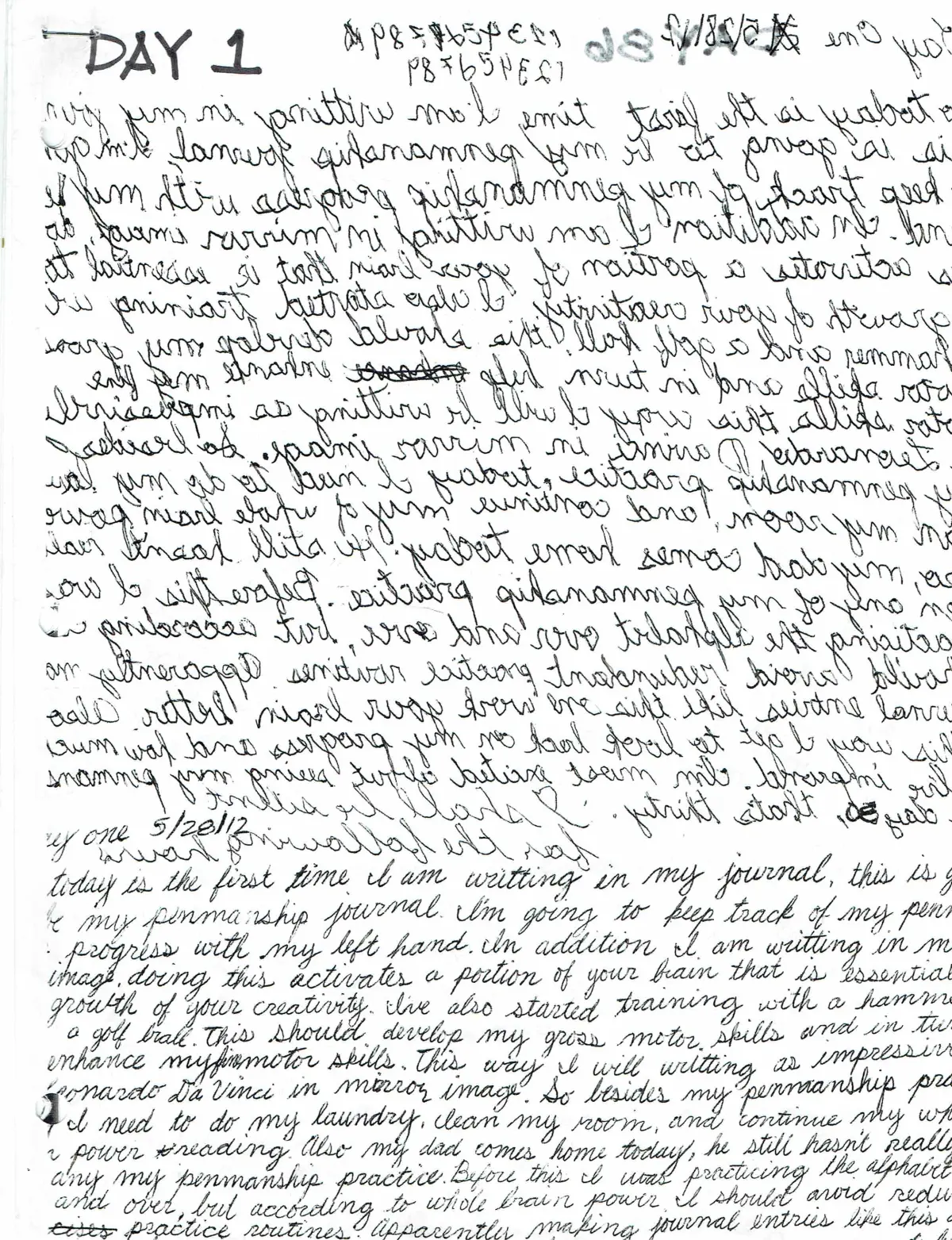
Common mistakes when writing cursive
Even experienced writers often fall into habits that reduce the legibility or beauty of their script. One of the most frequent errors is "cramping," where the writer grips the pen too tightly, leading to fatigue and jagged lines. Proper cursive should feel like a dance of the hand, requiring a relaxed grip and a fluid motion that originates from the shoulder and forearm rather than just the fingers.
Other common pitfalls include:
- Inconsistent slant: Letters should lean in the same direction, usually slightly to the right, to maintain a cohesive look.
- Uneven spacing: Words should be clearly separated, while letters within a word should be tightly connected without overlapping.
- Neglecting the baseline: Letters should rest firmly on the bottom line, with ascenders and descenders extending to the appropriate heights.
- Over-complicating loops: Adding unnecessary flourishes can make the text difficult to read; simplicity is often the key to elegance.
Best tools for cursive practice
The quality of your writing is significantly influenced by the tools you choose. For beginners, a fountain pen or a high-quality gel pen is ideal because it requires minimal pressure to produce a dark, consistent line. Ballpoint pens often require a harder press, which can cause the hand to tire quickly and lead to inconsistent line thickness. Paper choice also matters; a smooth, high-quality paper prevents the ink from "feathering" or spreading, ensuring that your connections remain crisp and clean.
When selecting your supplies, consider the following recommendations:
- Pens: Look for pens with a medium or fine nib to ensure that loops do not become clogged with excess ink.
- Paper: Use "Rhodia" or similar fountain-pen-friendly paper to reduce friction and improve the glide of the nib.
- Workbooks: Utilize structured cursive workbooks that provide tracing exercises, which are effective for establishing the correct stroke order.
- Ergonomics: Ensure your desk height allows your elbow to rest comfortably, as a strained posture will inevitably manifest in the quality of your writing.
Key facts
- Cursive is a style of penmanship where letters are joined together in a flowing manner to allow for faster writing.
- The term originates from the Latin word "currere," which means "to run."
- Historically, cursive was developed to minimize the frequency of lifting the pen from the paper, which prevented ink blots from quill pens.
- In the United States, the Palmer Method, introduced in 1894, became the standard style taught in schools for decades.
- Modern cursive often emphasizes a slant to the right, usually between 30 and 50 degrees, to improve ergonomic flow.
- When learning, avoid "death grip" on the pen; keep your hand relaxed to prevent fatigue and allow for smoother letter connections.
The bottom line
Cursive is a practical writing system designed to increase efficiency by connecting letters into a continuous, flowing script. While digital tools have reduced the daily requirement for handwriting, learning cursive remains a valuable skill that enhances fine motor coordination and cognitive engagement. By mastering the rhythmic motions of joined letters, you can develop a personal, professional, and efficient way to record your thoughts by hand.
People also ask
Is cursive faster than printing?
Cursive is generally faster because the writer does not have to lift the pen between every letter. This continuous motion allows for a rhythmic flow that increases speed during long-form writing tasks.
Why are schools teaching cursive less frequently?
Many school districts have replaced cursive instruction with keyboarding and digital literacy to prepare students for modern technology. Some states have recently passed legislation to mandate cursive instruction again, citing benefits for fine motor skills.
Does writing in cursive improve brain development?
Research suggests that cursive writing engages different areas of the brain compared to typing. It helps improve neural pathways related to memory, focus, and the ability to process complex information.
What is the difference between cursive and calligraphy?
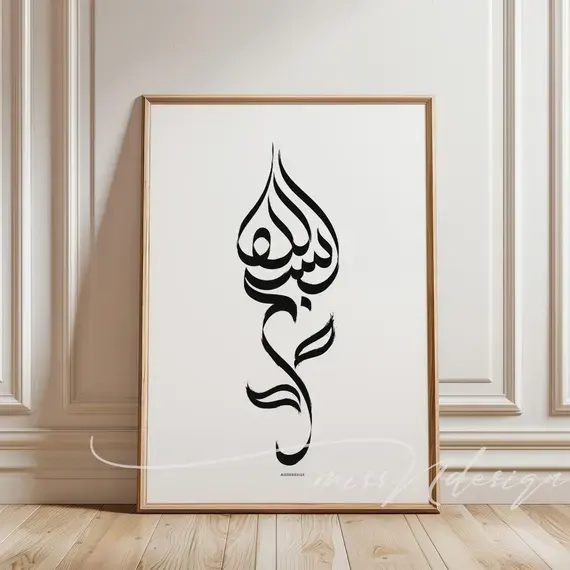
Cursive is a functional, everyday script designed for speed and efficiency. Calligraphy is a decorative art form focused on the aesthetic beauty of letters and often requires specialized tools like broad-edged pens.
How can I improve my cursive handwriting?
Consistent practice of basic loops and connecting strokes is the best way to improve. Focus on maintaining a uniform slant and consistent spacing between letters rather than worrying about speed initially.
Is it still necessary to learn how to sign a document in cursive?
While many legal documents now accept printed names or digital signatures, a cursive signature remains a traditional standard. Having a unique, fluid signature can be useful for verifying identity on physical documents.
This answer was created with the help of AI research tools and reference sources. Spotted an error? Let us know — we correct mistakes quickly. See our editorial policy.