What is a creative hobby?
Short answer
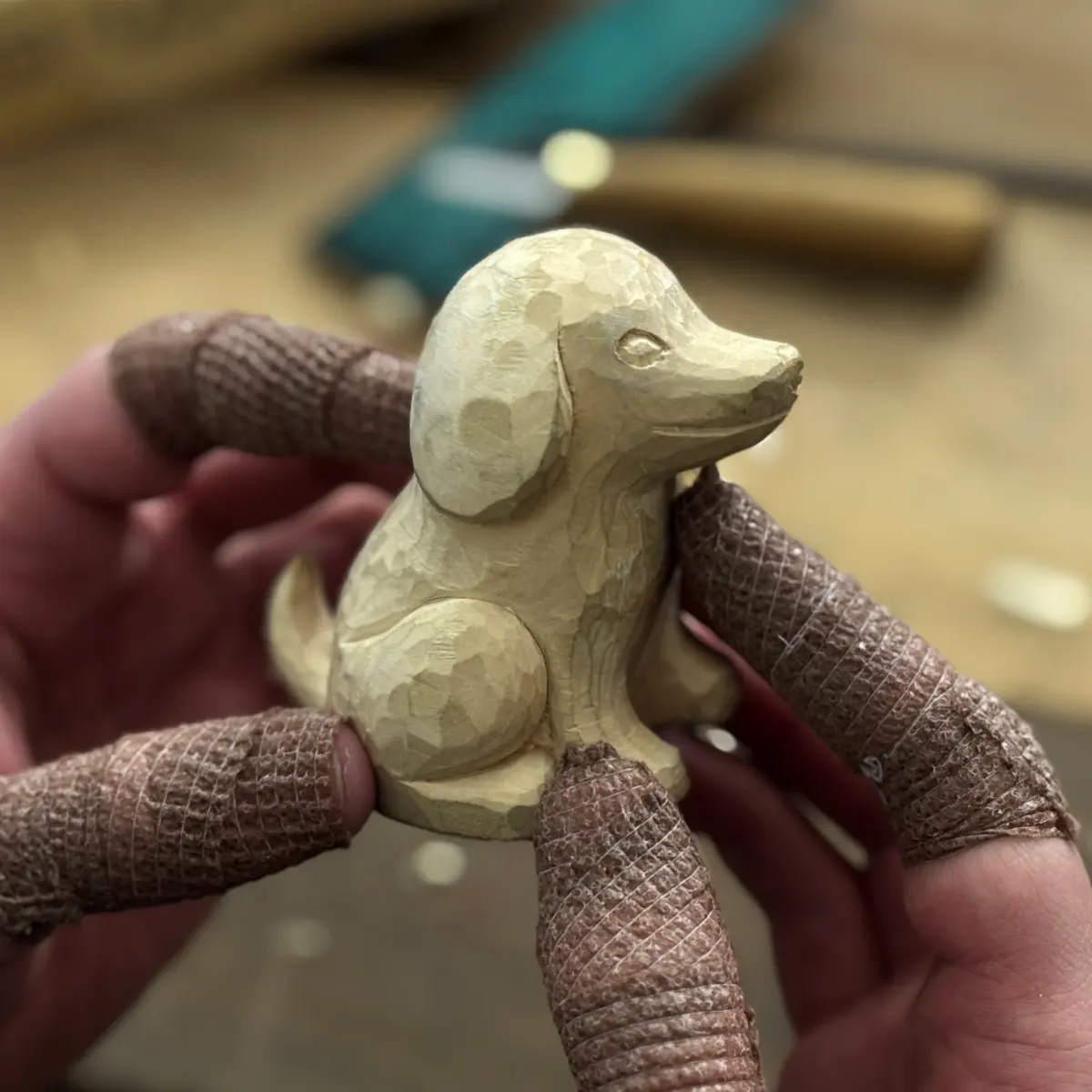
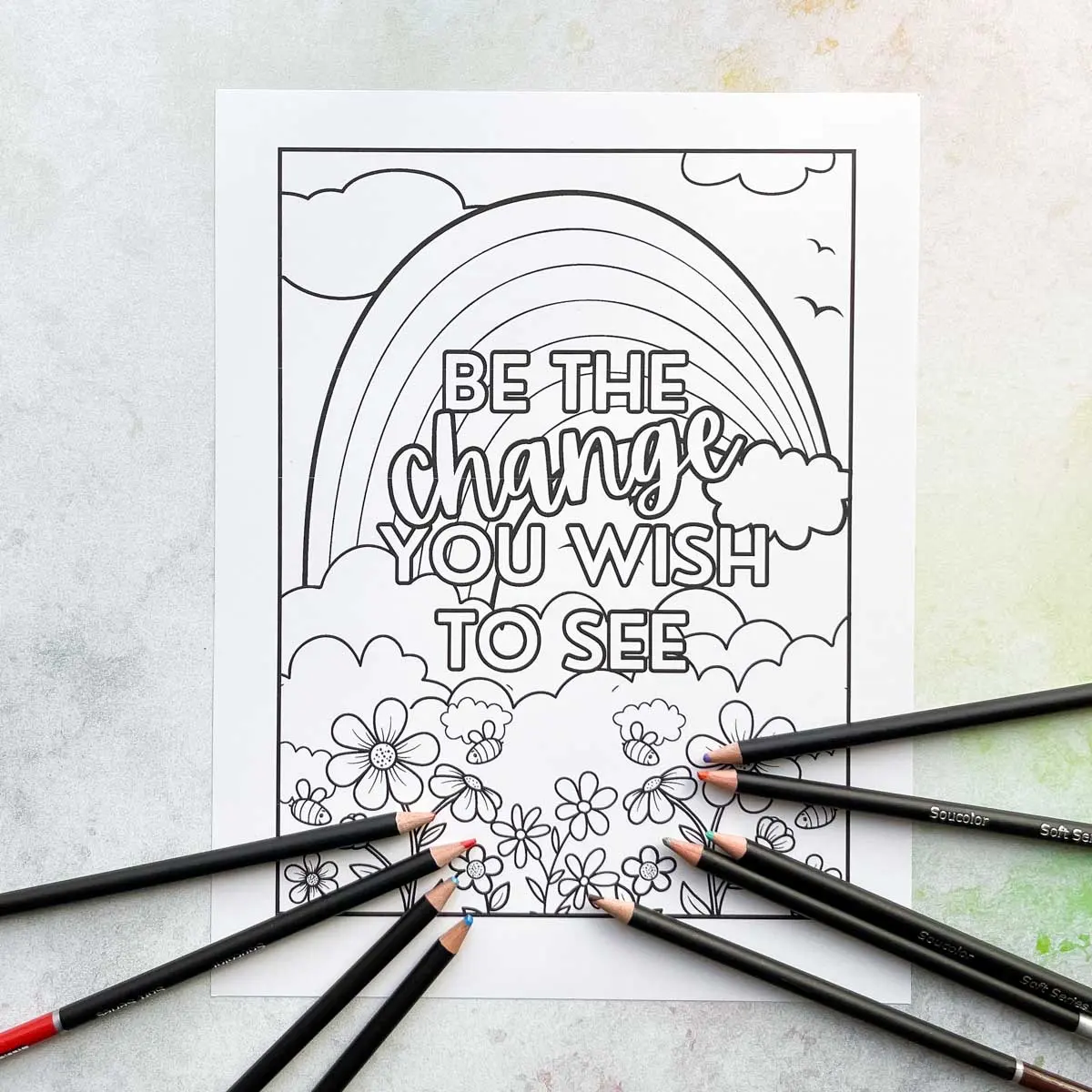
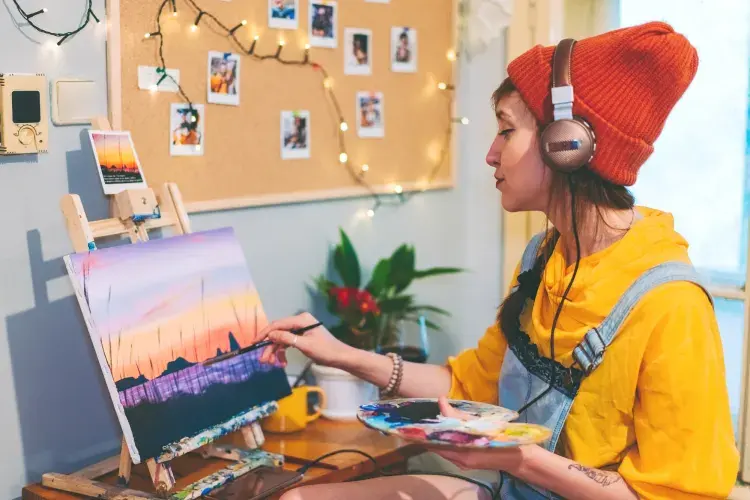
A creative hobby is any leisure activity that involves producing something original or expressing personal ideas through a specific medium. These pursuits, ranging from painting and writing to coding and gardening, allow individuals to engage in self-expression, problem-solving, and skill development outside of their professional or academic obligations.
On this page
What are the benefits of creative hobbies?
Engaging in creative activities provides significant psychological and physiological advantages. Research indicates that creative expression reduces cortisol levels, effectively lowering stress and anxiety. By focusing on a task that requires concentration and imagination, individuals often enter a state of "flow," a psychological concept popularized by psychologist Mihaly Csikszentmihalyi. This state of deep immersion increases life satisfaction and cognitive flexibility.
Beyond mental health, creative hobbies foster neuroplasticity, the brain's ability to reorganize itself by forming new neural connections. Whether you are learning a new musical instrument or experimenting with digital photography, you are challenging your brain to process information in novel ways. This consistent mental stimulation can improve memory retention and executive function over time. Consistent practice also builds resilience, as creators learn to navigate the trial-and-error process inherent in any artistic endeavor.
Best creative hobbies for beginners
If you are looking to start a new pursuit, consider activities that offer a low barrier to entry while allowing for long-term mastery. Many people find success by choosing mediums that provide immediate, tangible results or clear developmental paths.
- Drawing or sketching: Requires only a pencil and paper to begin learning basic shapes and shading.
- Creative writing: Utilizes journals or simple word processing software to explore storytelling or poetry.
- Container gardening: Allows for the study of botany and aesthetics in a small, manageable space.
- Digital photography: Uses smartphone cameras to teach composition, lighting, and visual narrative.
- Cooking or baking: Combines chemistry and sensory art to create edible products.
Choosing a hobby often depends on your personal temperament and available resources. If you prefer quiet, solitary work, writing or drawing may be ideal. If you enjoy social interaction, consider joining a community pottery class or a local choir to share the experience with others.
How to get started with a new hobby
Starting a creative project can feel daunting, but breaking the process into manageable steps ensures sustained progress. The key is to prioritize consistency over intensity, aiming for small, frequent sessions rather than sporadic, lengthy ones.
- Identify your interest: Choose one activity that genuinely excites you rather than one that feels like a chore.
- Gather essential tools: Purchase basic, high-quality equipment rather than professional-grade gear to avoid unnecessary expense.
- Set a schedule: Dedicate 15 to 30 minutes at least three times a week to practice your chosen skill.
- Seek instruction: Utilize online tutorials, local workshops, or library books to learn fundamental techniques.
- Create a dedicated space: Even a small corner of a desk can serve as a designated area for your work.
Establishing a routine helps overcome the initial inertia that often prevents beginners from continuing. By keeping your workspace organized and your materials accessible, you reduce the friction involved in starting each session.
Common mistakes when starting a creative hobby
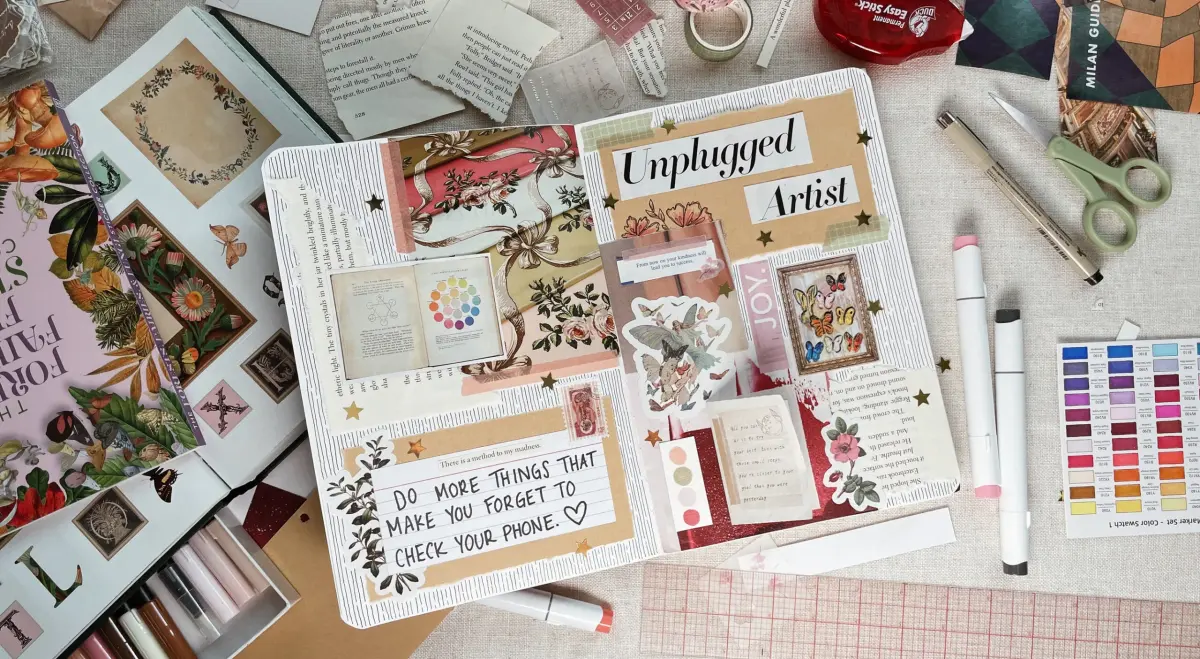
Many beginners abandon their new interests due to preventable pitfalls that stem from unrealistic expectations. Recognizing these traps early allows you to adjust your mindset and maintain motivation during the challenging initial learning phase.
- Comparing your work to experts: Measuring your progress against professionals with decades of experience is counterproductive and discouraging.
- Over-investing in expensive equipment: Buying top-tier gear before mastering the basics often leads to frustration and wasted financial resources.
- Focusing on the final product: Prioritizing the outcome over the process prevents you from enjoying the learning experience.
- Neglecting the fundamentals: Skipping basic techniques in favor of complex projects often results in poor execution and a lack of foundational knowledge.
- Giving up during the "plateau": Most learners hit a point where progress seems to stall; this is a normal part of skill acquisition, not a sign of failure.
Focusing on the joy of discovery rather than the quality of the output is essential. Remember that every master was once a beginner who persisted despite early imperfections.
How long does it take to learn a creative skill?
The time required to achieve proficiency in a creative hobby varies based on the complexity of the medium and the frequency of practice. While the "10,000-hour rule" is often cited as the requirement for mastery, most people can reach a functional level of competence in much less time.
For example, learning the basics of watercolor painting or basic guitar chords might take only a few months of consistent weekly practice. However, reaching a level of sophisticated, nuanced expression typically requires years of dedicated study. The learning curve is rarely linear; you will likely experience periods of rapid growth followed by plateaus. During these slower phases, it is helpful to experiment with new techniques or seek feedback from peers to gain fresh perspectives. Ultimately, the purpose of a creative hobby is not to reach an end point, but to enjoy the lifelong process of growth, exploration, and personal refinement.
Key facts
- A creative hobby is any leisure activity that involves producing something original, whether physical, digital, or performance-based.
- Engaging in creative pursuits for as little as 45 minutes can significantly lower cortisol levels, the body's primary stress hormone.
- Studies in positive psychology suggest that "flow state"—a period of deep immersion—is most easily achieved through rhythmic, repetitive creative tasks.
- Creative hobbies are categorized into four main domains: visual arts, performing arts, literary arts, and craft-based making.
- To start, follow the "15-minute rule": dedicate just 15 minutes daily to a new skill to build consistency without feeling overwhelmed by perfectionism.
- Common mistakes include buying expensive equipment before mastering basics and focusing on the final product rather than the therapeutic process.
The bottom line
A creative hobby serves as a vital outlet for self-expression and stress reduction, transforming idle time into a productive, restorative practice. By prioritizing the process over the final result, you can cultivate a sustainable habit that boosts cognitive function and emotional well-being. Whether you choose painting, coding, or gardening, the act of creating provides a unique sense of agency and accomplishment in your daily life.
People also ask
Can anyone learn to be creative?
Yes, creativity is a skill developed through practice rather than an innate talent. Like a muscle, your creative capacity grows stronger with regular exercise and experimentation.
What is the cheapest creative hobby to start?
Creative writing or sketching are the most accessible options. Both require only minimal tools, such as a pen and paper, which cost less than five dollars.
How do I choose the right hobby for me?
Reflect on what you enjoyed as a child or identify a problem you want to solve. Try three different activities for one week each to see which one keeps your interest.
Is it necessary to share my work publicly?
Not at all; the primary value of a hobby is personal fulfillment. Keeping your work private can actually reduce performance anxiety and foster more authentic experimentation.
How much time should I dedicate to a hobby?
Consistency is more important than duration. Aiming for two to three hours per week is sufficient to see measurable progress and enjoy mental health benefits.
What if I feel frustrated when I am not good at it?
Frustration is a natural part of the learning curve. Embrace the "ugly phase" of creation, where you focus on quantity and exploration rather than achieving immediate professional-level quality.
This answer was created with the help of AI research tools and reference sources. Spotted an error? Let us know — we correct mistakes quickly. See our editorial policy.