What are relaxing hobbies?
Short answer
Relaxing hobbies are activities that lower cortisol levels, reduce heart rate, and promote mindfulness. Effective options include creative arts, nature-based pursuits, and rhythmic physical movements. By engaging the brain in low-pressure tasks, these hobbies help shift the nervous system from a state of stress to a state of restorative calm.
On this page
Why hobbies help reduce stress
Engaging in a hobby provides a necessary psychological "detachment" from daily stressors. When you focus on a specific, non-work-related task, your brain enters a state of flow, which is a psychological concept introduced by Mihaly Csikszentmihalyi in the 1970s. During flow, the prefrontal cortex—the area responsible for self-monitoring and planning—temporarily quiets down, allowing for a deep sense of immersion and satisfaction. This shift reduces the production of stress hormones like cortisol and adrenaline.
Scientific research suggests that even short periods of engagement can have measurable impacts on mental well-being. A 2016 study published in the journal Art Therapy found that just 45 minutes of creative activity significantly lowered cortisol levels in participants, regardless of their artistic experience. By providing a structured environment where you control the outcome, hobbies offer a sense of agency that is often missing in high-pressure work environments. This internal locus of control is a critical component of stress management and long-term emotional resilience.
Best relaxing hobbies for beginners
If you are looking for activities that require minimal equipment and offer immediate gratification, several options stand out. These activities are designed to be forgiving, meaning they do not require years of training to produce a sense of accomplishment.
- Adult coloring: Uses repetitive motions to induce a meditative state.
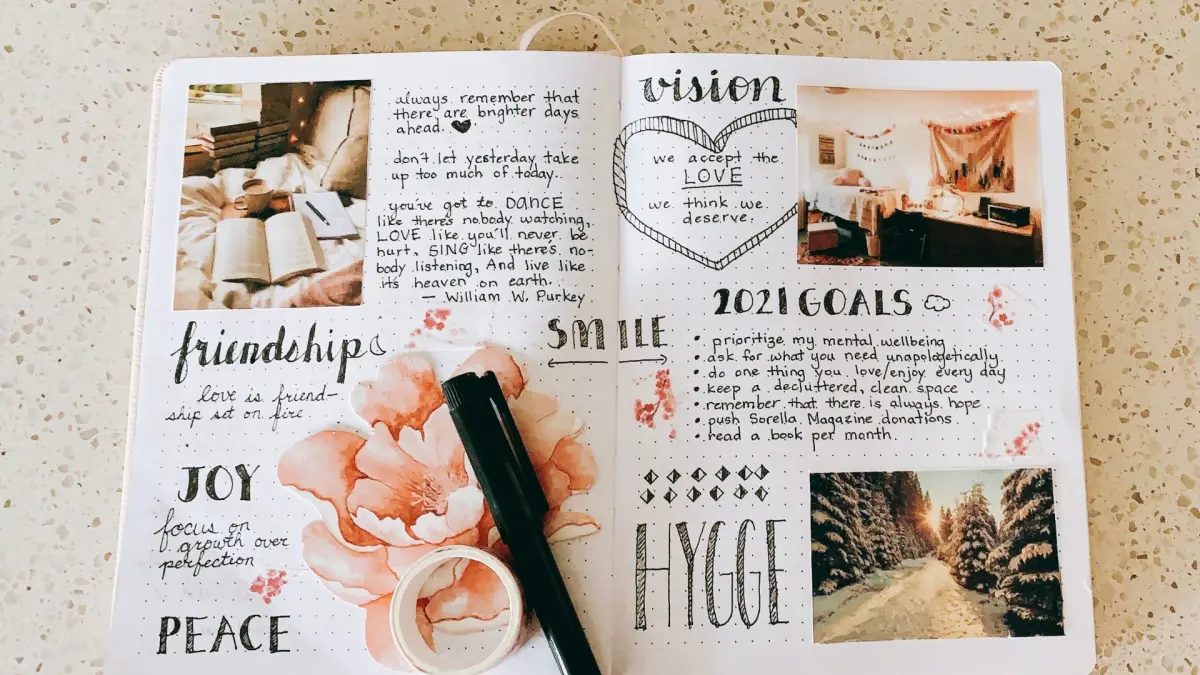
- Journaling: Helps externalize thoughts and clear mental clutter.
- Indoor gardening: Connects you with nature and provides a nurturing routine.
- Knitting or crochet: The rhythmic, repetitive nature of the stitches is physically soothing.
- Birdwatching: Encourages mindfulness and observation of the natural environment.
Starting a new hobby can be intimidating, but the goal is process over performance. Avoid the trap of trying to monetize your hobby or turn it into a side hustle. When you introduce the pressure of profit or social media validation, you effectively transform a relaxing activity into another form of labor. Keep your hobby as a private sanctuary where the only metric of success is your personal enjoyment.
How to start a new hobby
- Identify a time block: Dedicate at least 20 minutes, three times a week, to your chosen activity.
- Gather essential supplies: Purchase entry-level kits rather than professional-grade equipment to minimize financial risk.
- Prepare your environment: Clear a dedicated space free from digital distractions like smartphones or television.
- Set a low bar: Focus on completing one small task, such as one row of knitting or one paragraph of writing.
- Reflect: After the session, note how your mood has shifted compared to before you started.
Consistency is more important than duration. It is better to practice for 15 minutes daily than to spend four hours once a month. By integrating these small windows into your routine, you signal to your brain that it is time to transition into a recovery phase. If you find yourself feeling frustrated, step away and return to the activity when you are not feeling pressured to achieve a specific result.
Common mistakes when choosing hobbies
A frequent mistake is choosing a hobby that mimics the stressors of your professional life. For example, if you work in an office using complex software, choosing a hobby that requires intense digital troubleshooting may prevent true relaxation. Instead, look for tactile, analog experiences that engage the senses in a different way. Another error is over-investing in equipment before you know if you enjoy the activity. It is common to buy expensive gear, only to feel guilty when the hobby does not provide the expected relief.
Furthermore, many people fall into the trap of "productive leisure," where they feel they must be learning a new skill or improving their fitness to justify the time spent. While learning is beneficial, the primary purpose of a relaxing hobby is to provide a mental break. If you find yourself constantly checking progress or comparing your work to experts online, you are likely missing the restorative benefits. Focus on the sensory experience—the feel of the yarn, the smell of the soil, or the sound of the pen on paper.
How long does it take to feel relaxed
The time it takes to feel the effects of a hobby varies, but most people experience a shift within 15 to 30 minutes. This is often referred to as the "relaxation response," a term coined by Dr. Herbert Benson of Harvard Medical School. By focusing on a single, repetitive task, you trigger a physiological response that counteracts the fight-or-flight mechanism. Over time, your brain begins to associate the specific hobby with this state of calm, making it easier to reach a relaxed state more quickly in future sessions.
To maximize these benefits, try to maintain a consistent environment. If you practice your hobby in the same chair or at the same time of day, you create a psychological trigger that signals your brain to let go of daily worries. Do not be discouraged if you do not feel immediate relief during your first attempt. Like any other skill, the ability to mentally disengage through a hobby is a practice that strengthens with repetition and patience.
Key facts
- Reading for just six minutes can reduce stress levels by up to 68 percent, according to research from the University of Sussex.
- Gardening provides physical activity that lowers cortisol, the body’s primary stress hormone, while promoting exposure to beneficial soil microbes.
- Adult coloring books utilize repetitive, low-stakes creative focus to induce a meditative state similar to mindfulness practice.
- Journaling for 15 to 20 minutes daily helps externalize intrusive thoughts, which improves emotional regulation and sleep quality.
- Knitting and crochet involve rhythmic, repetitive motions that lower heart rate and blood pressure through a process called bilateral stimulation.
- Birdwatching encourages "soft fascination," a psychological state where the mind rests while remaining engaged with nature.
The bottom line
Relaxing hobbies are essential tools for maintaining mental well-being in a high-stress world. By engaging in activities that prioritize rhythmic movement, creative expression, or nature immersion, you can effectively lower your physiological stress markers. The key is to choose pursuits that focus on the process rather than the outcome. Consistency is more important than duration, so find a simple activity you genuinely enjoy and practice it regularly.
People also ask
How do I start a meditation practice?
Find a quiet space and sit comfortably for five minutes, focusing entirely on the sensation of your breath entering and leaving your body. When your mind wanders, gently acknowledge the thought and return your focus to your breathing without judgment.
Can physical exercise be considered a relaxing hobby?
Yes, low-intensity activities like yoga, tai chi, or walking in nature are highly effective for relaxation. These practices combine physical movement with rhythmic breathing to help transition the nervous system from a "fight or flight" state to a "rest and digest" mode.
What is the best time of day to engage in relaxing hobbies?
The best time is whenever you can consistently dedicate 20 to 30 minutes without interruption. Many people prefer the evening to decompress from work, but morning sessions can set a calm, proactive tone for the entire day.
How can I avoid turning a hobby into a source of stress?
Avoid setting rigid goals, strict deadlines, or focusing on performance metrics. If you find yourself worrying about the quality of your output, shift your focus back to the sensory experience of the activity rather than the final result.
Are digital hobbies like gaming relaxing?
Casual, non-competitive games that involve puzzle-solving or creative building can be relaxing. However, avoid fast-paced, high-stakes, or competitive multiplayer games, as these often increase adrenaline and cortisol levels rather than reducing them.
What should I do if I feel restless while trying to relax?
Restlessness is common when first starting a hobby, so try a tactile activity that occupies your hands, such as kneading dough or playing with a stress ball. Engaging your motor skills often helps quiet a busy mind more effectively than passive activities.
This answer was created with the help of AI research tools and reference sources. Spotted an error? Let us know — we correct mistakes quickly. See our editorial policy.