What are easy crafts for adults?
Short answer
Easy crafts for adults include accessible projects like macramé, watercolor painting, soy candle making, embroidery, and clay modeling. These activities require minimal specialized equipment and offer immediate, tangible results. By focusing on fundamental techniques, beginners can develop creative skills while enjoying a relaxing, productive hobby that fits easily into a busy schedule.
On this page
Best easy crafts for beginners
Starting a new hobby can feel overwhelming, but several crafts require only basic tools and minimal financial investment. Macramé, the art of knotting cord into decorative patterns, is an excellent entry point because it requires only cotton rope and a pair of scissors. Similarly, watercolor painting is highly accessible; you only need a small set of paints, a few brushes, and heavy-duty paper to begin experimenting with color blending and wash techniques.
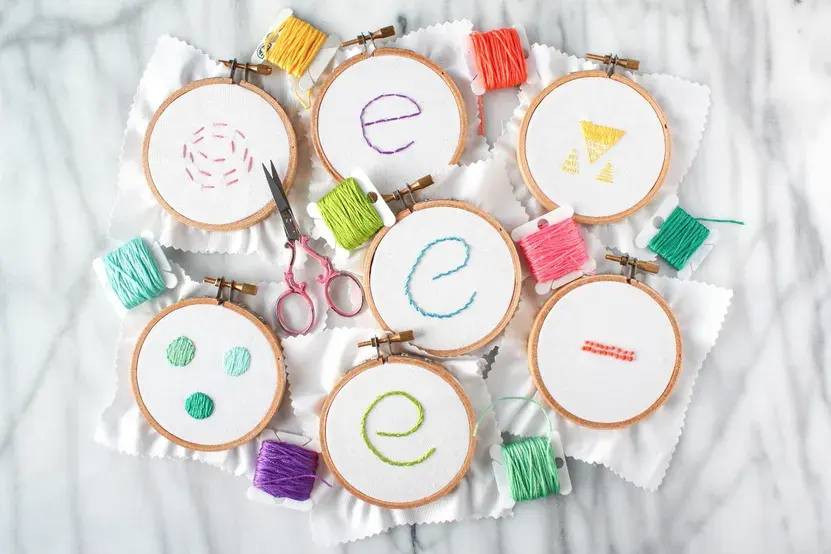
Embroidery is another beginner-friendly craft that allows for intricate designs using only a needle, thread, and a fabric hoop. Many enthusiasts start with simple cross-stitch patterns before advancing to freehand embroidery. These crafts are popular because they are portable and do not require a dedicated studio space. You can easily store your supplies in a small box or basket, making them ideal for apartment living or completing projects during short breaks throughout the day.
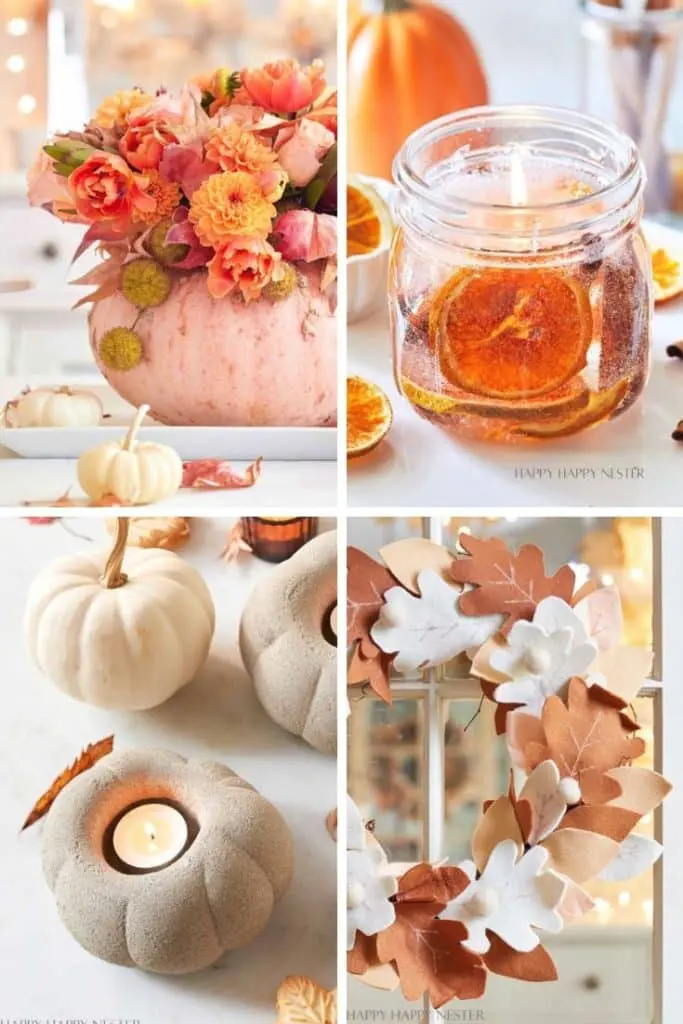
How to start soy candle making
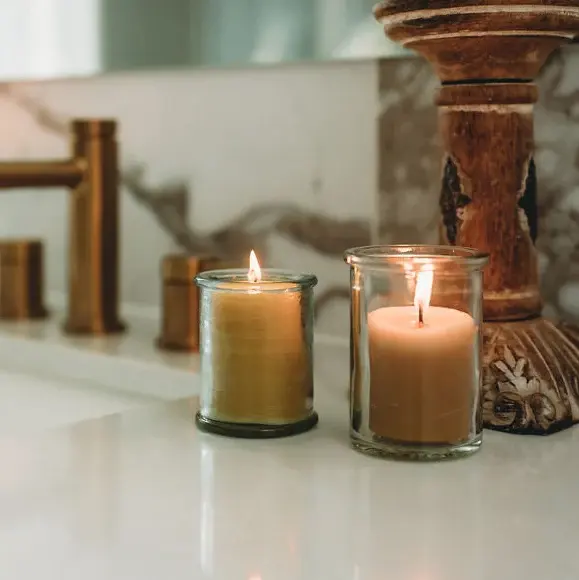
Soy candle making is a rewarding craft that combines chemistry with artistic expression. Unlike traditional paraffin candles, soy wax is biodegradable and burns cleaner, making it a popular choice for home decor enthusiasts. To begin, you will need a heat-safe container, soy wax flakes, a wick, and optional essential oils for fragrance. The process is straightforward and relies on precise temperature control to ensure a smooth finish.
- Melt the soy wax in a double boiler until it reaches approximately 185 degrees Fahrenheit.
- Stir in your chosen fragrance oil gently to ensure it binds with the wax.
- Secure the wick to the center of your container using a wick sticker or a dab of hot glue.
- Carefully pour the wax into the container and allow it to cool undisturbed for at least 24 hours.
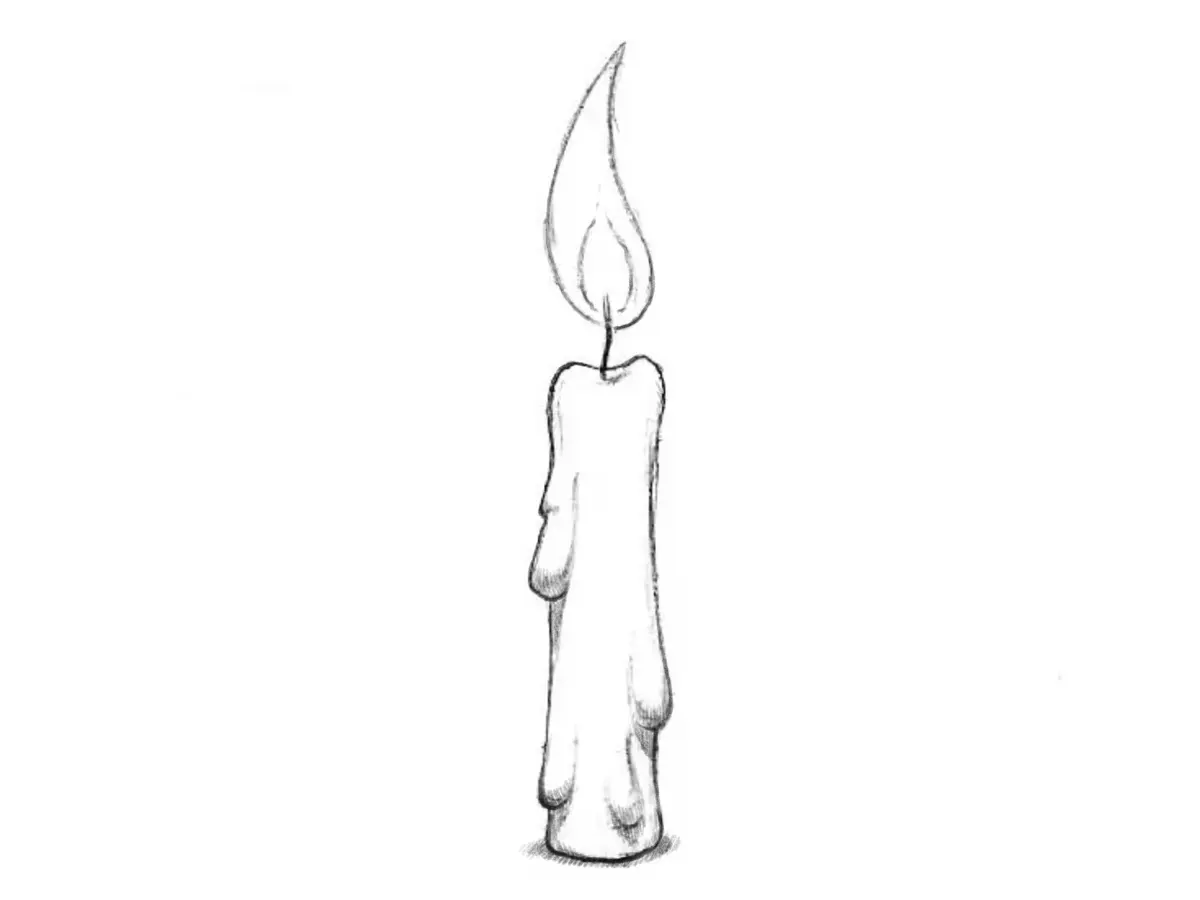
Avoid the common mistake of pouring the wax too quickly, which can cause air bubbles and uneven surfaces. Additionally, always trim your wick to one-quarter inch before the first burn to ensure a steady, soot-free flame.
Common mistakes when starting embroidery
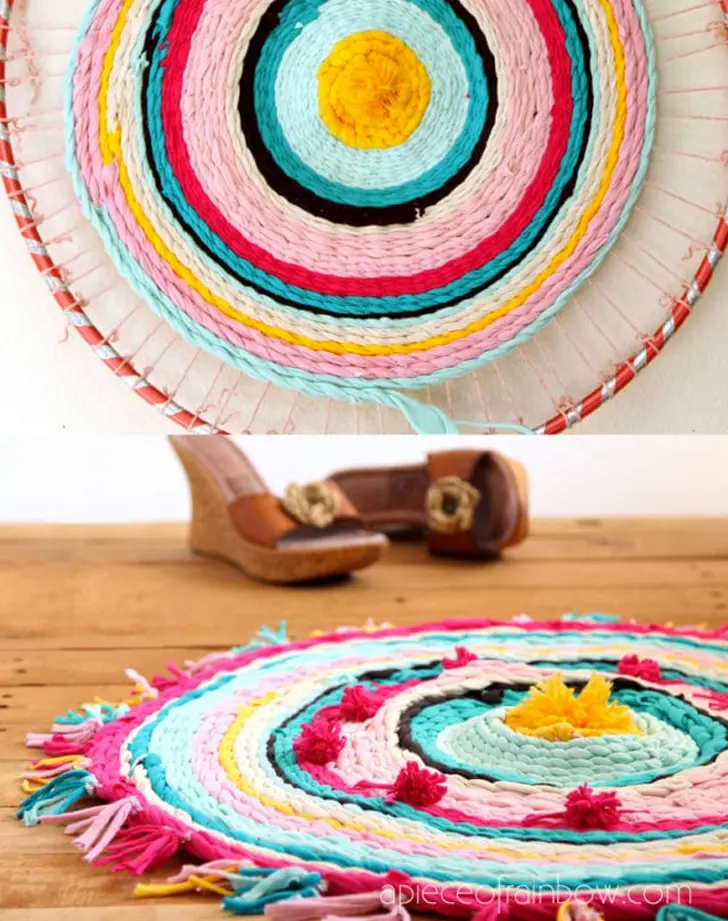
Embroidery is deceptively simple, but beginners often struggle with tension and fabric preparation. One of the most frequent errors is failing to pull the fabric taut enough within the embroidery hoop. If the fabric is loose, your stitches will appear puckered or uneven once you remove the hoop. Always ensure your fabric is drum-tight before you begin stitching to maintain consistent results throughout your design.
Another common mistake involves using too many strands of embroidery floss at once. Standard floss consists of six individual strands twisted together, but most patterns require only one or two strands for fine detail. If you use the entire thickness of the thread, your work may look bulky and lack the delicate texture characteristic of professional embroidery. Always separate the strands carefully before threading your needle to achieve a smoother, more refined finish on your fabric.
Why macramé knots look uneven
Macramé relies on the consistency of your knotting technique to create a balanced aesthetic. If your knots appear uneven or lopsided, it is often due to inconsistent tension applied to the working cords. Beginners frequently pull one side of the knot tighter than the other, causing the pattern to twist or slant unintentionally. To correct this, practice your basic square knots on a spare piece of rope until you can maintain a uniform pull on both sides of the cord.
- Use a sturdy dowel or rod to anchor your work, which helps keep the cords aligned.
- Measure your cords accurately before starting to ensure you do not run out of material mid-project.
- Keep your hands relaxed; excessive tension can lead to hand fatigue and distorted knot patterns.
- Use a comb or brush to smooth out the fringe at the end of your project for a clean, professional look.
How long does it take to learn clay modeling
Clay modeling is a tactile craft that offers a wide range of difficulty levels, from simple pinch pots to complex sculpted figures. For most adults, learning the basics of hand-building with air-dry clay takes only a few hours of practice. Air-dry clay is particularly beginner-friendly because it does not require a kiln; it hardens naturally when exposed to air over 24 to 48 hours. You can start by creating small trinket dishes or decorative ornaments to understand how the material behaves.
As you gain confidence, you can move on to more advanced techniques like coil building or slab construction. The time required to master these skills depends on your patience and attention to detail. Most beginners find that after three or four small projects, they develop a natural sense of how to join pieces of clay using the "score and slip" method. This technique involves scratching the surface of the clay and adding a small amount of water to create a strong bond between two sections, preventing cracks as the piece dries.
Key facts
- Decoupage involves decorating objects by gluing paper cutouts onto surfaces and sealing them with a clear varnish like Mod Podge.
- Watercolor painting requires only a basic set of paints, a few brushes, and cold-press watercolor paper to begin.
- Embroidery kits for beginners typically include a pre-printed fabric pattern, a needle, and a embroidery hoop to keep the cloth taut.
- Macramé uses simple knotting techniques, specifically the square knot and the lark's head knot, to create wall hangings or plant holders.
- Air-dry clay allows for sculpting small trinket dishes or ornaments without the need for a high-temperature kiln or oven.
- Essential crafting tools for any beginner include a sharp pair of fabric scissors, a self-healing cutting mat, and a reliable hot glue gun.
The bottom line
Engaging in crafts provides a productive outlet for stress and allows for the creation of personalized home decor or gifts. By starting with simple, low-cost projects and focusing on mastering fundamental techniques, beginners can build confidence without feeling overwhelmed. Whether you choose textile arts or sculptural mediums, the key is to prioritize the process of learning over achieving perfection in your very first attempt.
People also ask
How much money should I expect to spend on my first craft project?
Most beginner craft kits range from $15 to $30, providing all necessary materials in one package. Starting with individual supplies is often cheaper, but kits offer the convenience of pre-measured items.
Is it necessary to have a dedicated workspace for crafting?
A dedicated space is helpful but not mandatory. Many adults successfully craft at a kitchen table using a portable storage bin to keep tools organized and easily stowable.
How can I improve my fine motor skills for intricate crafts?
Consistent, short practice sessions of 15 to 20 minutes help build muscle memory. Engaging in repetitive tasks like knitting or bead stringing is particularly effective for improving dexterity over time.
What are the most common mistakes beginners make?
The most frequent error is buying low-quality tools that break or frustrate the user. Another common mistake is attempting complex, multi-day projects before mastering basic techniques, which often leads to abandonment.
Where can I find patterns or tutorials for new projects?
Public libraries offer extensive collections of craft books, while platforms like YouTube provide free, step-by-step video demonstrations. Local community centers also frequently host workshops for hands-on learning.
How do I choose a craft that suits my personality?
Consider whether you prefer structured tasks like cross-stitch or free-form creative work like painting. If you enjoy functional items, focus on crafts like pottery or candle making; if you prefer decor, try wreath making.
This answer was created with the help of AI research tools and reference sources. Spotted an error? Let us know — we correct mistakes quickly. See our editorial policy.