What are easy crafts for preschoolers?
Short answer
Preschoolers thrive on crafts that prioritize sensory exploration and process over a polished final product. Ideal activities include paper plate animals, finger painting, nature collages, and simple clay modeling. These projects utilize basic household materials, require minimal adult intervention, and help children develop essential fine motor skills and creative confidence.
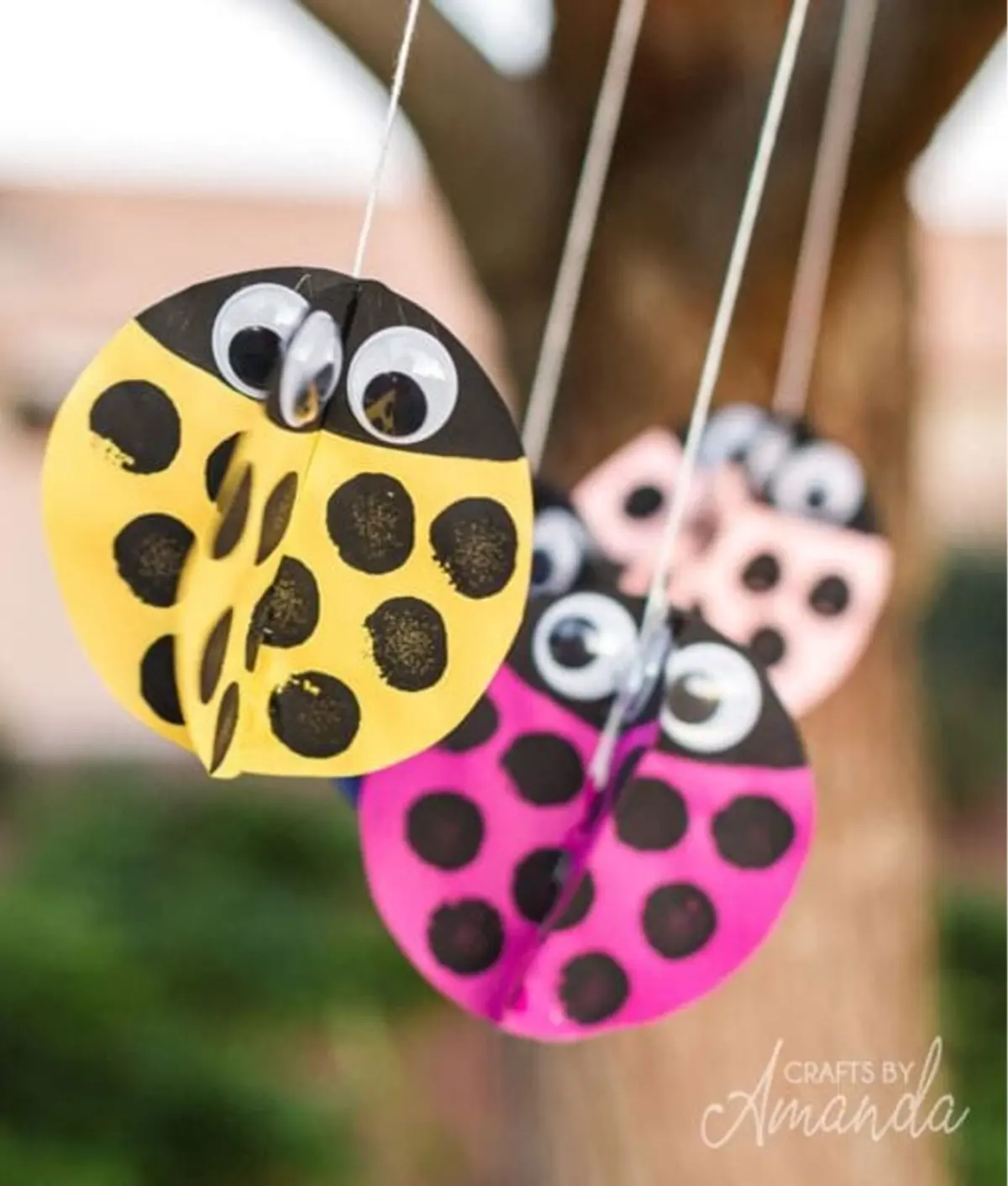
On this page
Best easy crafts for preschoolers
The most successful preschool crafts focus on open-ended creativity rather than strict adherence to a template. Projects that allow children to manipulate textures, colors, and shapes are developmentally appropriate for ages three to five. These activities foster independence and provide a sense of accomplishment without the frustration of complex assembly.
Popular choices include:
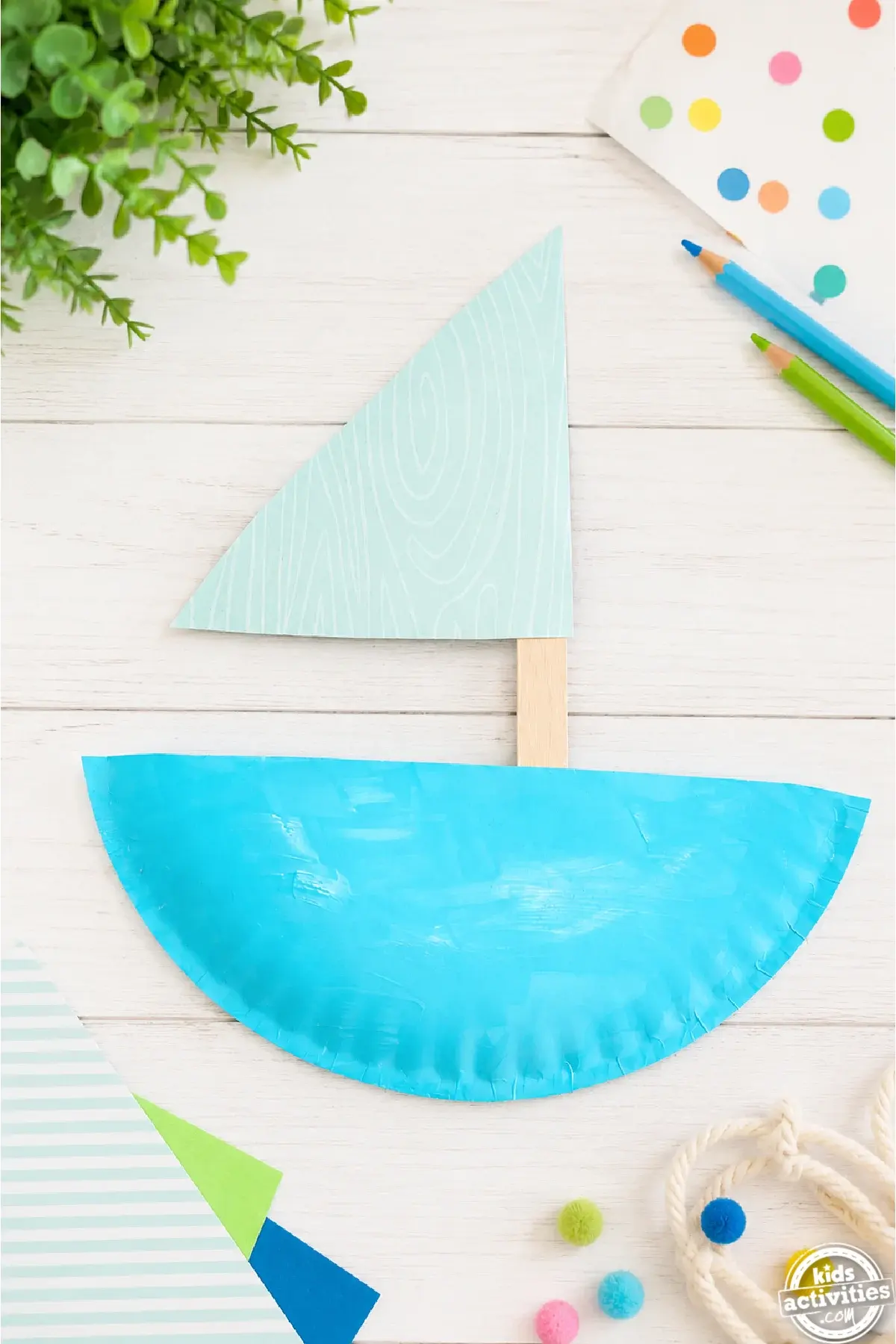
- Paper plate masks or animals using glue sticks and construction paper.
- Finger painting with non-toxic, washable tempera paints on thick cardstock.
- Nature collages created by gluing leaves, twigs, and flower petals onto cardboard.
- Modeling with homemade salt dough or soft, air-dry clay.
- Sorting and stringing large wooden beads or dry pasta onto thick yarn.
By keeping the materials simple, you ensure that the child remains the primary creator. Avoid projects that require precision, such as intricate cutting or measuring, as these often lead to early childhood frustration and a loss of interest.
How to prepare materials for crafts
Preparation is the key to a stress-free crafting session. Before introducing the activity, gather all necessary supplies and organize them in shallow trays or bowls to prevent clutter. Using a dedicated workspace, such as a plastic tablecloth or a wipeable mat, makes cleanup significantly faster and protects your furniture from accidental spills.
Follow these steps to set up a productive environment:
- Clear a low table or floor space that provides enough room for movement.
- Pre-cut shapes or prepare adhesive strips to minimize the need for scissors.
- Dress the child in an old oversized shirt or a designated apron.
- Keep a damp cloth or baby wipes within arm's reach for immediate cleanup.
- Set a timer if you want to help the child transition to the next activity.
When materials are accessible, children can focus entirely on the creative process. This preparation minimizes interruptions and helps maintain a calm, focused atmosphere throughout the project.
Why crafts are important for development
Engaging in arts and crafts provides significant cognitive and physical benefits for preschoolers. Manipulating small objects like beads or glue caps strengthens the small muscles in the hands and fingers, which is vital for later writing skills. Furthermore, choosing colors and deciding how to arrange items allows children to practice decision-making and spatial reasoning in a low-stakes environment.
Beyond physical growth, these activities serve as an emotional outlet. Art allows children to express feelings that they may not yet have the vocabulary to articulate. When a child completes a project, they experience a surge of pride and self-efficacy. This positive reinforcement encourages them to attempt new challenges and fosters a lifelong appreciation for creative expression.
Common mistakes when crafting with kids
The most frequent error adults make is focusing too heavily on the final aesthetic of the craft. Preschoolers are in the "process" stage of development, meaning they are more interested in how the glue feels or how the paint smears than in creating a recognizable image. Correcting their work or trying to "fix" their mistakes can discourage them and stifle their natural desire to experiment.
Another common mistake involves using materials that are too advanced for the child's current ability level. Avoid using hot glue guns, permanent markers, or sharp tools that require constant supervision. Instead, opt for child-safe alternatives like glue sticks, water-based markers, and safety scissors. Remember that the goal is to provide a safe space for exploration, not to produce a display-worthy masterpiece. Keeping expectations realistic will ensure both the adult and the child enjoy the time spent together.
How to store and display preschool art
Managing the influx of artwork can be a challenge for parents. To avoid clutter, designate a specific "gallery" wall or a bulletin board where the child can display their current favorites. Rotating these pieces every few weeks keeps the space fresh and allows the child to see their progress over time. For projects that are too bulky to hang, take a high-quality photograph and store the image in a digital folder.
If you choose to keep physical copies, use a large, labeled portfolio or a plastic bin to store works chronologically. This creates a meaningful archive of the child's developmental journey. When the child is ready to part with older projects, involve them in the process of recycling or discarding items. This teaches them that while the creative process is valuable, it is also healthy to let go of physical clutter to make room for new ideas and future artistic endeavors.
Key facts
- Preschoolers develop fine motor skills by practicing pincer grasps through picking up small beads or buttons.
- Use non-toxic, washable materials like tempera paint and glue sticks to ensure safety and easy cleanup.
- Focus on the process of creating rather than the final aesthetic outcome to encourage creative confidence.
- Limit craft sessions to 15–20 minutes, as this matches the average attention span of a three-to-five-year-old.
- Pre-cut complex shapes before starting the project to prevent frustration and keep the child engaged.
- Incorporate sensory elements like textured paper, dried pasta, or cotton balls to enhance the learning experience.
The bottom line
Engaging preschoolers in crafts is an excellent way to foster creativity and build essential fine motor coordination. By selecting simple, age-appropriate materials and focusing on the joy of exploration, you create a positive environment for learning. Remember to prioritize the process over the product, keep sessions short, and provide consistent supervision to ensure that crafting remains a fun, safe, and rewarding experience for your child.
People also ask
What are the best adhesives for young children?
Glue sticks are the most manageable option for preschoolers because they are less messy than liquid glue. If a project requires liquid adhesive, use a small brush to help the child apply a thin, controlled layer.
How can I manage the mess during craft time?
Cover the workspace with a plastic tablecloth or old newspaper before starting. Keep a damp cloth or baby wipes nearby to address spills immediately as they happen.
Are there crafts that don't require expensive supplies?
Many excellent crafts utilize recycled household items like cardboard tubes, cereal boxes, and egg cartons. These materials are free and provide a blank canvas for paint, markers, or collage materials.
How do I choose age-appropriate scissors?
Look for blunt-tipped, plastic-coated safety scissors specifically designed for small hands. Ensure the child is supervised at all times and practices cutting on play dough before moving to paper.
Should I help my child with their craft?
Provide guidance by modeling the task, but allow the child to perform the actions independently. Stepping in to "fix" their work can discourage their sense of accomplishment and creative exploration.
What if my child loses interest halfway through?
It is perfectly normal for a preschooler to abandon a project before it is finished. Allow them to move on to a different activity without pressure, as forced participation often leads to negative associations with crafting.
This answer was created with the help of AI research tools and reference sources. Spotted an error? Let us know — we correct mistakes quickly. See our editorial policy.