What is a zine?
Short answer
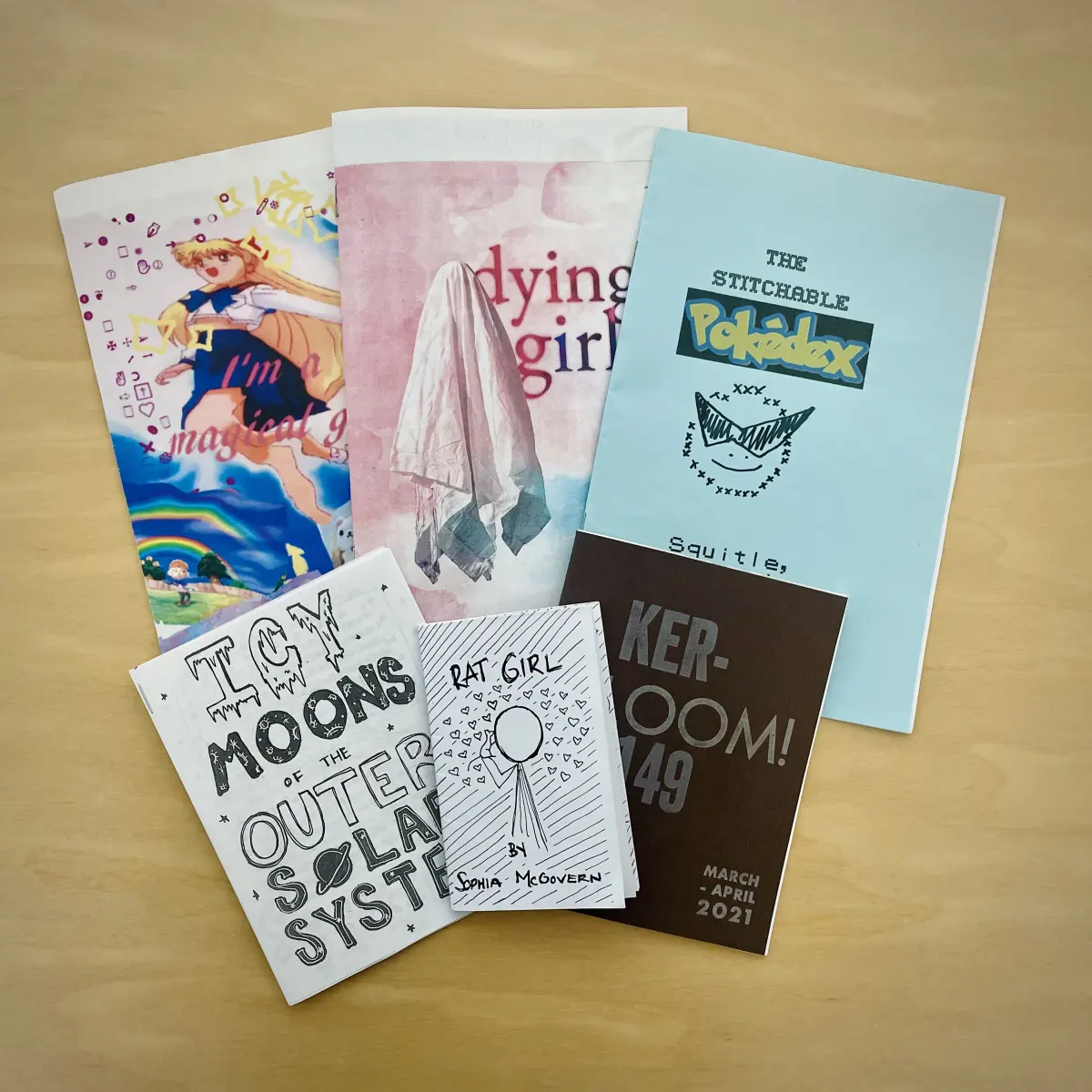
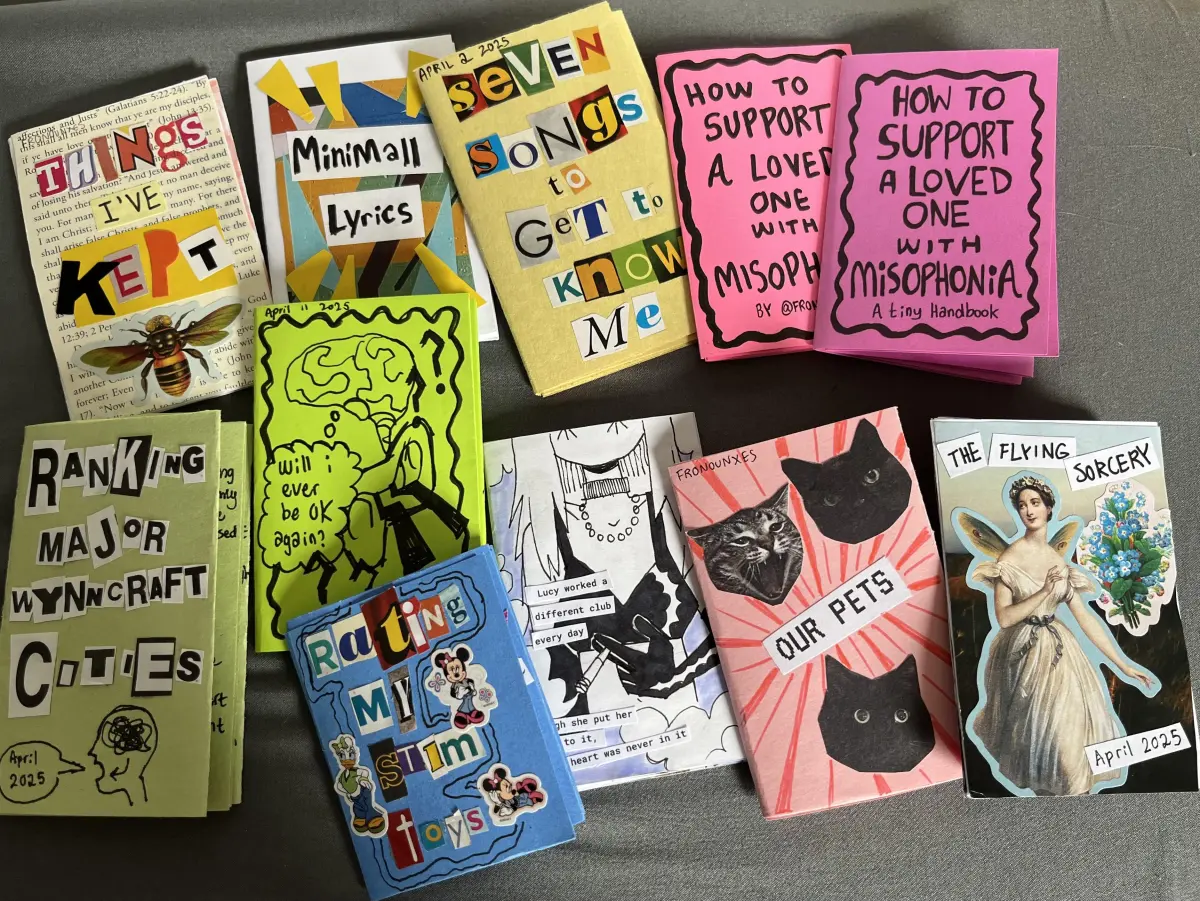
A zine is a small-circulation, self-published work of original or appropriated texts and images, typically produced via photocopier. Usually created by a single person or a small group, zines operate outside of mainstream media channels. They cover niche topics, personal narratives, or political manifestos, emphasizing grassroots expression over commercial profit motives.
On this page
What is the history of zines?
The term "zine" is a shortened version of "fanzine," which emerged in the 1930s among science fiction enthusiasts. These early publications were mimeographed booklets where fans discussed literature and shared stories. The medium evolved significantly in the 1970s with the rise of the punk rock movement, which utilized the low cost of photocopying to spread music subculture and anti-establishment ideologies.
By the 1990s, the "riot grrrl" movement used zines as a primary tool for feminist activism and community building. These creators bypassed traditional gatekeepers, using scissors, glue, and typewriters to create "cut-and-paste" layouts. Today, zines remain a vital medium for marginalized voices and independent artists. They serve as a historical record of subcultures that are often ignored by mainstream publishing houses and commercial media outlets.
How do you make a zine?
Creating a zine is a straightforward process that requires minimal equipment. The most common format is the "mini-zine," which is made from a single sheet of 8.5 by 11-inch paper folded into eight pages. This format is accessible, inexpensive, and easy to distribute.
- Fold your paper in half horizontally, then vertically, and finally into a small rectangle.
- Unfold the paper and make a single cut along the center crease.
- Push the edges toward the center to form a cross shape, then fold the pages into a booklet.
- Arrange your content, including text, drawings, or collages, on each panel.
- Photocopy your master copy to create as many duplicates as you need.
Focus on your message rather than technical perfection. The charm of a zine often lies in its handmade aesthetic and the personal touch of the creator.
What are the common types of zines?
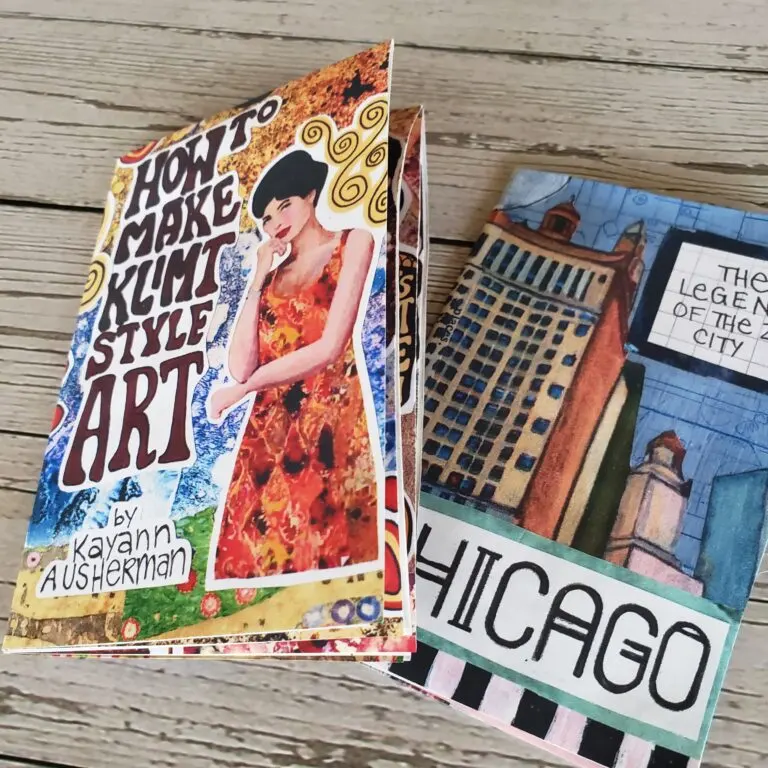
Zines are categorized by their content and purpose, reflecting the diverse interests of their creators. While there are no strict rules for classification, most zines fall into a few recognizable categories.
- Perzines: Personal journals or essays detailing the author’s life, struggles, or observations.
- Art zines: Collections of drawings, photography, or collage work meant to showcase visual style.
- Political zines: Manifestos or educational materials regarding social justice, environmentalism, or local activism.
- Fan zines: Publications dedicated to specific movies, bands, books, or television shows.
- How-to zines: Instructional guides ranging from cooking recipes to mechanical repairs or craft tutorials.
Because zines are independent, they often blend these categories. A single zine might combine personal poetry with political commentary and original photography, creating a unique hybrid that defies traditional literary or artistic labels.
Common mistakes when making zines
Many beginners struggle with layout and reproduction issues that can hinder the readability of their work. One frequent error is placing text or images too close to the edge of the page. Most standard printers have a "non-printable margin," meaning anything within a quarter-inch of the edge may be cut off during the copying process. Always leave a buffer zone to ensure your content remains intact.
Another mistake is failing to consider the "imposition" of the pages. When folding a single sheet into a booklet, the pages are not in numerical order on the flat master sheet. If you print them sequentially, the finished booklet will be scrambled. Always create a dummy copy by folding a blank sheet of paper and numbering the pages before you begin your layout. This ensures that your content flows correctly once the zine is folded and stapled.
Where can you find and share zines?
Distribution is a core component of zine culture, as these works are rarely sold in traditional bookstores. Instead, creators rely on informal networks and community spaces. Zine fairs are the most popular venues for discovery; these events bring together hundreds of creators to trade, sell, and discuss their work in person. These fairs provide a tangible connection between the author and the reader, reinforcing the community-driven nature of the medium.
Libraries and independent archives have also begun collecting zines to preserve their cultural significance. Institutions like the Barnard Zine Library and the San Francisco Zine Fest archive maintain extensive collections that are accessible to the public. If you want to share your own work, consider trading with other creators or leaving copies at independent coffee shops, record stores, or community centers. By participating in these local networks, you contribute to the longevity of the zine as an essential tool for independent, non-commercial communication.
Key facts
- A zine is a small-circulation, self-published work of original or appropriated texts and images, usually reproduced via a photocopier.
- The term "zine" is derived from the suffix of "fanzine," a word popularized in the 1930s by science fiction fan communities.
- Zines are typically produced in limited runs, often ranging from 10 to 100 copies, and are frequently distributed through trades or independent bookstores.
- Unlike traditional magazines, zines are rarely profit-driven and prioritize personal expression, niche subcultures, or political activism over mass-market appeal.
- The "cut-and-paste" aesthetic, involving physical collage, handwritten text, and manual layout, remains a hallmark of the medium despite the rise of digital design tools.
- To create a basic zine, fold a single sheet of 8.5x11-inch paper into eight panels, cut the center fold, and collapse it into a booklet.
The bottom line
Zines are a vital medium for grassroots communication, offering creators a low-cost, accessible platform to bypass traditional publishing gatekeepers. By prioritizing authentic voice over polished aesthetics, they foster community and preserve niche histories. Whether you are documenting personal experiences or sharing specialized knowledge, the zine remains a powerful tool for self-expression, encouraging anyone to become a publisher and contribute to a vibrant, global culture of independent media.
People also ask
How do zines differ from traditional magazines?
Magazines are commercially produced, edited by professional teams, and rely on advertising revenue for mass distribution. Zines are independent, non-commercial, and reflect the unfiltered perspective of an individual creator or small collective.
Do I need special equipment to make a zine?
No, you only need paper, a pen, and access to a photocopier or printer. While some creators use professional software like Adobe InDesign, most zines are built using scissors, glue sticks, and handwritten layouts.
What are the most common topics covered in zines?
Zines cover an infinite range of subjects, including personal diaries, poetry, political manifestos, music reviews, and instructional guides. If a topic is too niche for a mainstream publisher, it is likely the subject of a zine.
Where can I buy or find zines?
You can find them at independent bookstores, zine fests, public library archives, and online marketplaces like Etsy. Many creators also distribute their work through mail-order trades or at local community centers.
What is a "distro"?
A distro is a small, independent distribution network or individual who collects and sells zines from various creators. They act as a bridge between the artist and the reader, helping to circulate independent media.
What are common mistakes when making a first zine?
A common error is forgetting to leave wide margins, which can result in text being cut off during photocopying. Beginners also often struggle with page orientation, so always create a "dummy" copy by folding paper before finalizing your layout.
This answer was created with the help of AI research tools and reference sources. Spotted an error? Let us know — we correct mistakes quickly. See our editorial policy.