What colors go with rust orange?
Short answer
Rust orange is a warm, earthy tone that pairs beautifully with neutrals like cream, charcoal, and navy. For a vibrant look, complement it with sage green or deep teal. To maintain balance, anchor the intensity of rust with metallic accents like brass or copper, which enhance its natural, autumnal warmth effectively.
On this page
What colors complement rust orange
Rust orange sits on the warm side of the color wheel, characterized by its brownish, terracotta undertones. Because it is a saturated, earthy hue, it works best when paired with colors that provide either contrast or harmony. Neutrals are the most reliable companions, as they allow the boldness of the rust to serve as a focal point without overwhelming a space or an outfit.
When selecting colors to pair with rust, consider the following palette options:
- Cream or off-white: Softens the intensity and adds a clean, airy feeling.
- Charcoal gray: Provides a sharp, modern contrast that grounds the warmth.
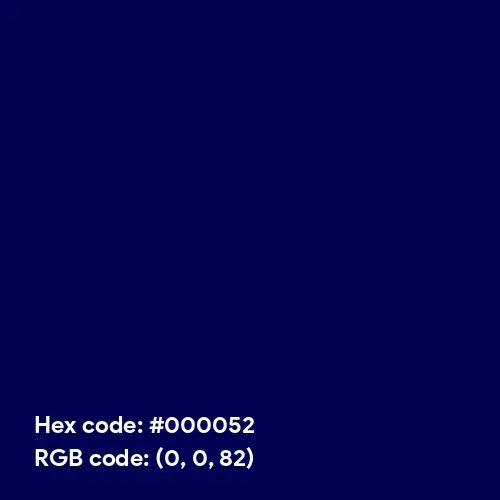
- Navy blue: Offers a classic complementary effect, as blue sits opposite orange on the color wheel.
- Sage green: Creates a natural, organic aesthetic reminiscent of a forest floor.
- Mustard yellow: Enhances the warmth for a monochromatic, high-energy autumn look.
How to use rust orange in interior design
Incorporating rust orange into a home requires a strategic approach to avoid visual clutter. In a living room, use rust as an accent color through textiles such as throw pillows, blankets, or an area rug. This allows you to introduce the color without committing to permanent fixtures like painted walls or large furniture pieces.
If you want to make a bolder statement, follow these steps to integrate the color effectively:
- Start with a neutral base of white, beige, or light gray walls to ensure the room feels bright.
- Introduce one large rust-colored piece, such as a velvet sofa or a statement armchair, to anchor the room.
- Layer in secondary colors like deep olive or dark wood tones to create depth.
- Add metallic accents in brass or bronze to bridge the gap between the rust and other furniture.
Best color combinations for fashion
Rust orange is a versatile color in fashion that transitions well across seasons. For a professional look, pair a rust-colored blazer with charcoal trousers or a crisp white button-down shirt. This combination is sophisticated and avoids the overly casual appearance that can sometimes arise when wearing bright orange.
For a more relaxed or creative ensemble, consider these pairings:
- Denim: The cool blue tones of classic denim provide the perfect balance to the warmth of rust.
- Cream knitwear: A chunky cream sweater paired with rust trousers creates a cozy, textured aesthetic.
- Burgundy: For a bold, monochromatic-adjacent look, pair rust with deep wine or burgundy shades.
- Black leather: Combining rust with black leather adds an edgy, urban feel that works well for evening wear.
Common mistakes when styling rust orange
One of the most frequent errors when working with rust orange is over-saturation. Because the color is inherently bold, using it in large quantities across multiple surfaces can make a room feel smaller or an outfit look costume-like. Always balance the intensity by ensuring that at least sixty percent of your palette consists of neutral or cool-toned colors.
Another common mistake is ignoring the undertones of surrounding colors. Rust orange has distinct brown and red leanings; pairing it with "cool" oranges that have neon or yellow bases often creates a visual clash. Stick to earthy, muted tones to maintain a cohesive look. Additionally, avoid pairing rust with too many other bright colors simultaneously, as this creates a chaotic visual experience that lacks a clear focal point or intentional design direction.
Why rust orange is a timeless choice
Rust orange is a timeless color because it mimics the natural pigments found in clay, soil, and autumn foliage. Unlike trendy neon colors that fade in popularity, rust remains a staple in design because of its grounding properties. It evokes feelings of comfort, stability, and warmth, making it particularly popular in residential spaces and seasonal fashion collections.
The versatility of this color ensures it remains relevant across different design styles, from mid-century modern to rustic farmhouse. By choosing to pair it with high-quality materials like leather, wool, or natural wood, you emphasize its organic roots. Whether you are updating a single room or refreshing your wardrobe, rust orange provides a sophisticated, mature alternative to brighter shades of orange. Its ability to bridge the gap between vibrant excitement and neutral calm makes it a permanent fixture in the color palettes of professional designers worldwide.
Key facts
- Rust orange is a warm, earthy tone with red and brown undertones, making it a versatile neutral in interior design and fashion.
- Pair rust with cool-toned blues, such as navy or slate, to create a high-contrast, balanced look based on the color wheel.
- Cream, beige, and ivory act as soft neutrals that prevent rust from feeling too heavy or overwhelming in a room.
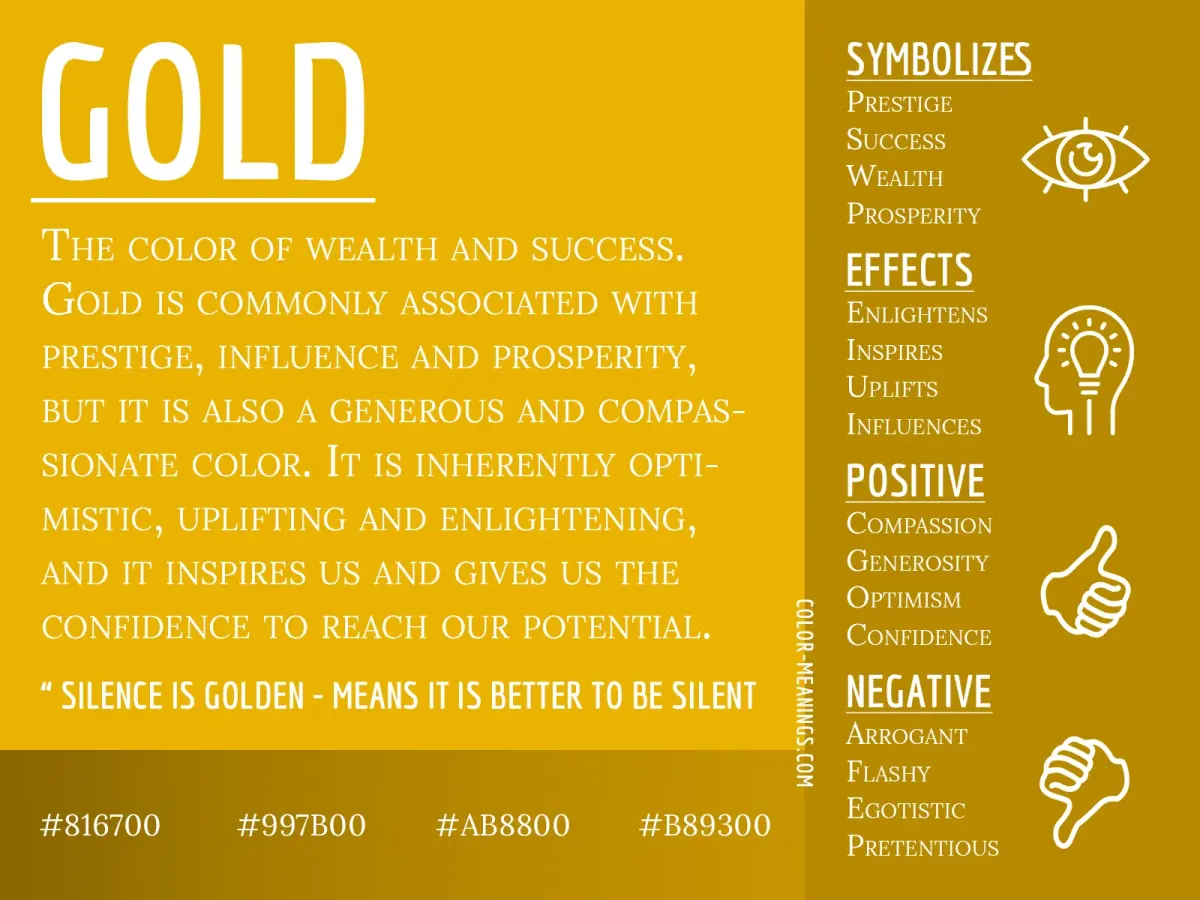
- Incorporating metallic finishes like brushed brass or antique gold enhances the warmth of rust and adds a layer of luxury.
- Forest green and olive provide a natural, organic aesthetic that mimics autumnal landscapes and outdoor environments.
- Avoid pairing rust with overly bright, neon colors, as these clash with its sophisticated, muted nature and create visual discord.
The bottom line
Rust orange is a sophisticated, earthy shade that thrives when paired with contrasting blues, soft neutrals, or deep forest greens. By focusing on natural textures and metallic accents, you can create a balanced and timeless aesthetic. The key is to treat rust as a focal point, using it strategically to add warmth and character while ensuring the surrounding colors provide enough visual breathing room.
People also ask
Is rust orange considered a neutral color?
While rust is a bold hue, it functions as a "warm neutral" in many design schemes. Because it is derived from natural earth pigments, it blends seamlessly with wood tones and stone textures.
What is the best way to incorporate rust orange into a living room?
Start with small accents like throw pillows, ceramic vases, or a patterned rug. These items allow you to test the color's impact without committing to large furniture pieces or wall paint.
Does rust orange work well in professional office settings?
Yes, when paired with charcoal gray or deep navy, rust provides a professional yet inviting atmosphere. Use it for desk accessories or leather accents to add personality without sacrificing a formal aesthetic.
Should I use rust orange in small, dark rooms?
Use caution, as deep rust can make small spaces feel smaller. If you choose to use it, balance the intensity with light-reflecting surfaces like mirrors or crisp white trim to maintain brightness.
What fabrics best complement rust orange?
Natural textures like linen, wool, and velvet work exceptionally well with rust. These materials highlight the color’s organic roots and add tactile depth to your decor.
How do I choose between a cool or warm palette for rust?
Choose cool colors like blue or teal if you want a modern, high-contrast look. Choose warm colors like mustard, terracotta, or cream if you prefer a cozy, monochromatic, or "boho" style.
This answer was created with the help of AI research tools and reference sources. Spotted an error? Let us know — we correct mistakes quickly. See our editorial policy.